Bearing Preload Adjustment in Nabtesco Travel Motors: Vibration Reduction Technique


Travel motors used in tracked construction machinery convert hydraulic energy into rotational torque through a hydraulic motor and planetary reduction stage. In a Nabtesco Travel Motor, the output shaft and gear carrier assemblies are supported by tapered roller bearings or angular contact bearings that require controlled preload. Correct preload ensures stable shaft alignment, proper load distribution, and controlled vibration levels during operation.
Bearing preload is the axial force applied to bearing elements to eliminate internal clearance and stabilize the rolling contact geometry. In travel motors, preload maintains positional accuracy of the rotating components under combined radial and axial loads generated by gear meshing and external track forces.
Incorrect preload conditions can lead to vibration and mechanical instability.
Key physical mechanisms include:
When preload is insufficient, shaft radial movement increases and gear alignment changes slightly during rotation. This produces vibration, uneven gear contact patterns, and increased mechanical noise.
Excessive preload also introduces problems. If preload exceeds the design condition, rolling elements experience elevated friction and heat generation, which can accelerate bearing wear.
Improper bearing preload produces measurable vibration and mechanical indicators.
Typical diagnostic signs include:
Vibration spectrum analysis may reveal peaks corresponding to gear mesh frequencies and bearing rotational frequencies.
Correct preload adjustment requires precise assembly procedures and controlled measurement of axial displacement.
Recommended engineering procedure:
Preventive maintenance includes monitoring vibration signatures, maintaining lubrication quality, and verifying bearing condition during scheduled service intervals.
Aspect Plus supplies bearing assemblies, gear components, and service parts for hydraulic drive systems including the Nabtesco Travel Motor, supporting proper shaft alignment and stable drivetrain operation.
Karina Oliynyk
2Blog posts
-
 CEO của Lotus chê xe thể thao nặng hơn 1,8 tấn là 'tầm thường'
Khi chê dòng xe thể thao hơn 1,8 tấn, dường như CEO của Lotus không nhớ ra rằng các mẫu xe năng lượng mới của hãng đều trên mức này.
-
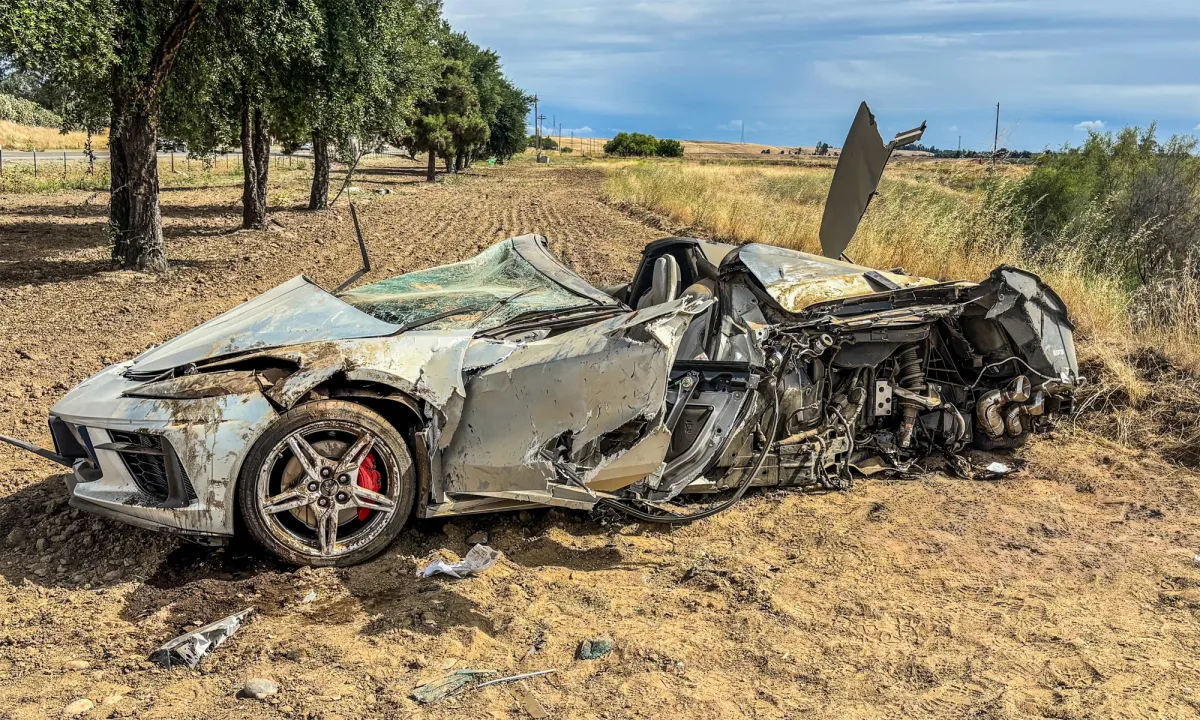 Xe thể thao biến dạng sau tai nạn, tài xế sống sót
Chiếc Chevrolet Corvette C8 trượt hàng trăm mét rồi lộn nhào khiến tài xế bị thương nặng.
-
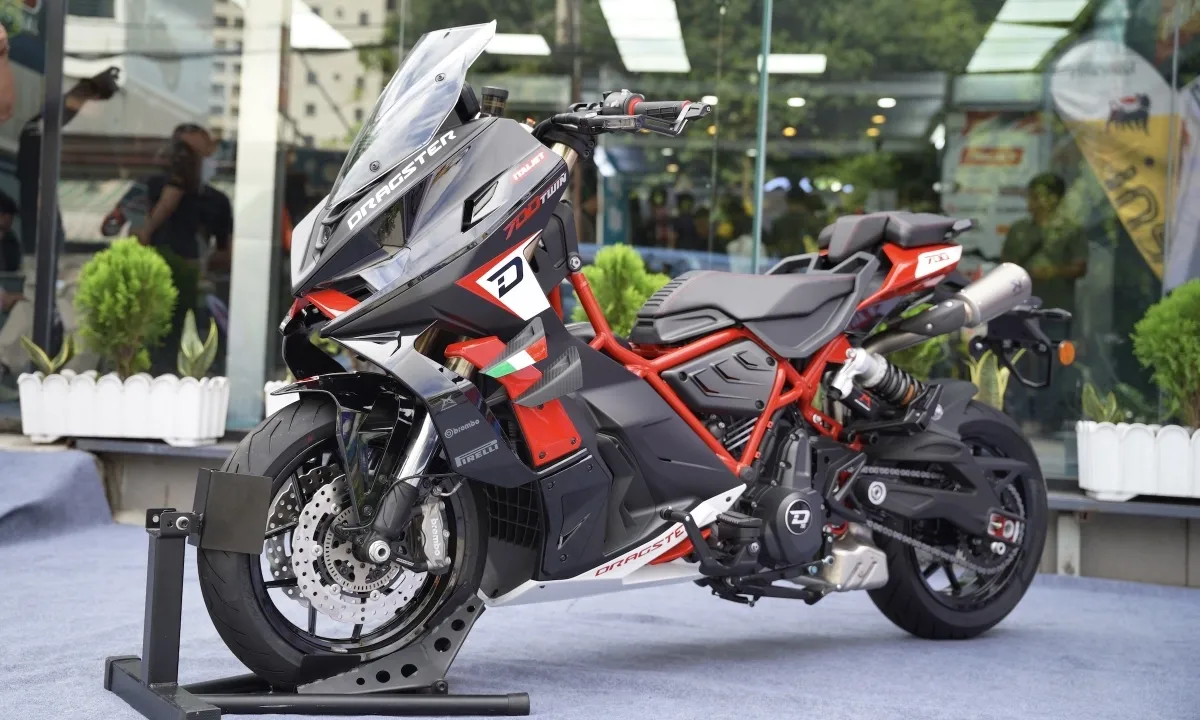 Italjet Dragster 700 - môtô lai scooter giá gần 430 triệu đồng
Mẫu xe máy thương hiệu Italy sở hữu ngoại hình của một mẫu xe ga gầm hố, thể thao, động cơ 700 phân khối với sức mạnh 69 mã lực.
-
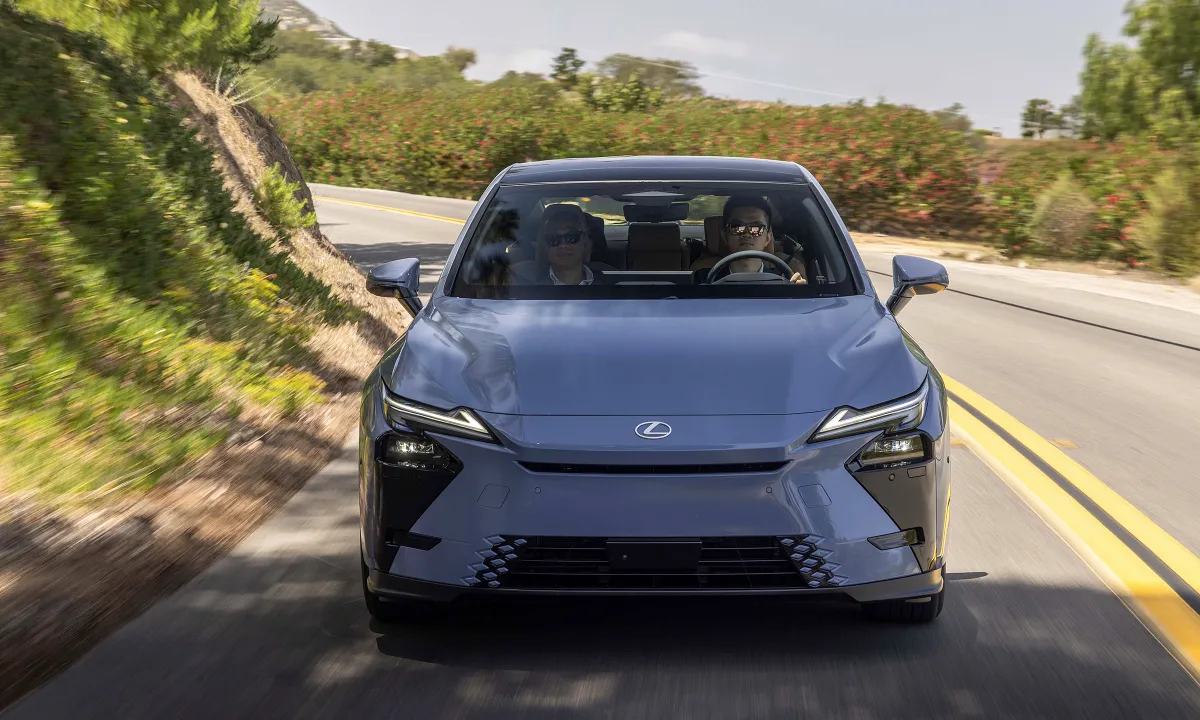 ES 2026 - tuyên ngôn tự do của Lexus
Bộ tuxedo của người Âu giờ đây được Toyota mặc lên Century, còn Lexus đã giải phóng sứ mệnh, mặc sức sáng tạo, muốn làm gì thì làm.
-
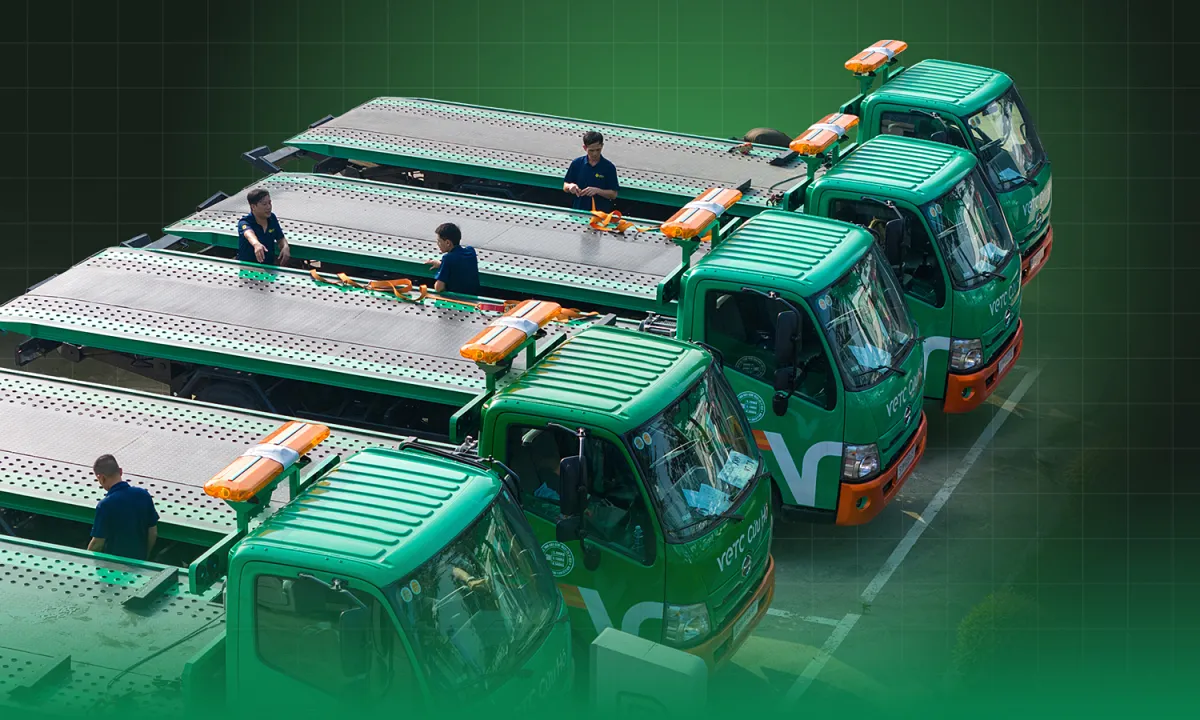 Kỳ vọng thay đổi ngành cứu hộ ôtô của VETC
Với gần 5 triệu người dùng, VETC phát triển VETC Cứu hộ với kỳ vọng mở rộng hệ sinh thái người dùng ôtô nhờ ứng dụng công nghệ, hướng đến chuẩn hóa ngành cứu hộ.
-
 Lái xe chậm hơn giúp tiết kiệm nhiên liệu
Các lái xe được khuyến cáo chạy chậm hơn, tránh phanh gấp để tăng hiệu quả sử dụng nhiên liệu trong bối cảnh các khoản chi phí đều tăng.
-
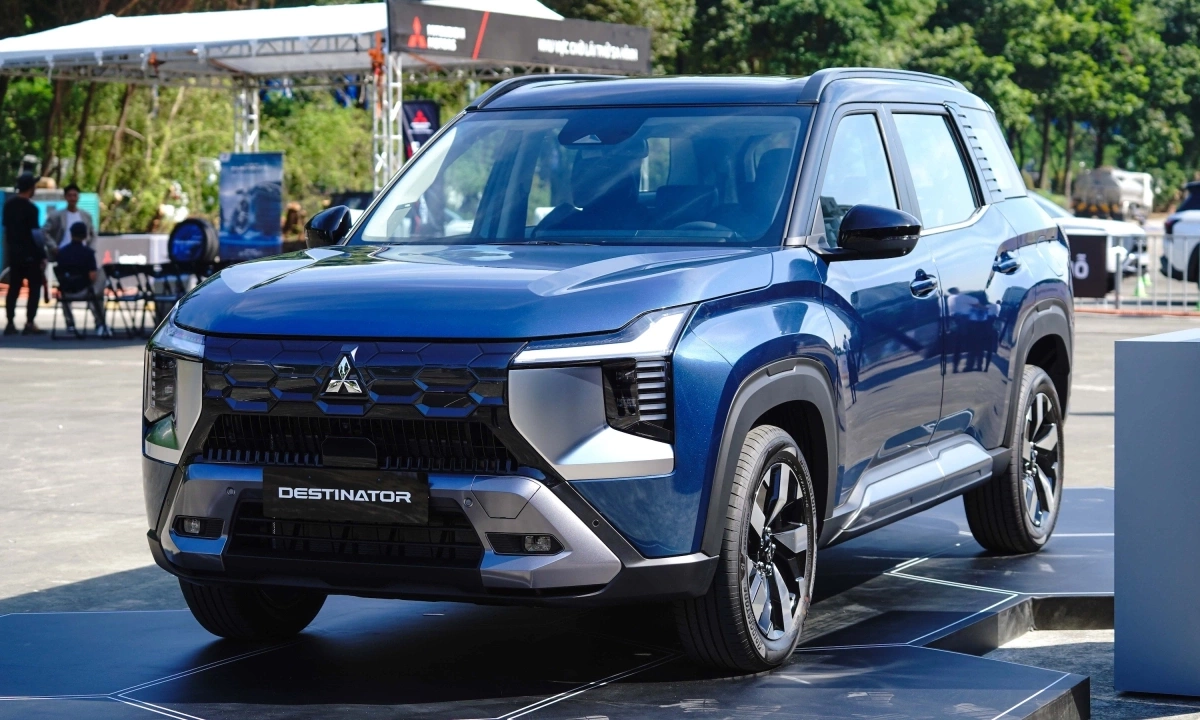 Loạt xe Mitsubishi khuyến mãi hàng chục triệu đồng tháng 6
Dẫn đầu mức khuyến mãi của Mitsubishi là Xpander với 67-85 triệu đồng, các mẫu còn lại khoảng 35-56 triệu đồng.
-
 Ôtô Trung Quốc đạt điểm số cao kỷ lục về áp dụng công nghệ
Nghiên cứu mới nhất của J.D. Power cho thấy chỉ số trải nghiệm công nghệ (TXI) tăng 70 điểm so với năm trước, đạt mức kỷ lục 658.
-
 Audi giảm giá 200 triệu đồng hàng loạt xe tháng 6
Mức giảm giá trong tháng 6 giao động 100-200 triệu đồng tùy mẫu xe, hoặc tặng bảo hiểm vật chất hay bảo dưỡng miễn phí.
-
 Phóng ra đường từ góc khuất, xe máy bị húc ngã
Từ giữa hai ôtô đang dừng chờ đèn đỏ, người đi xe máy lao ngang đường bị ôtô ở hướng ngược chiều đâm ngã, hôm 1/6 tại đường 354.
-
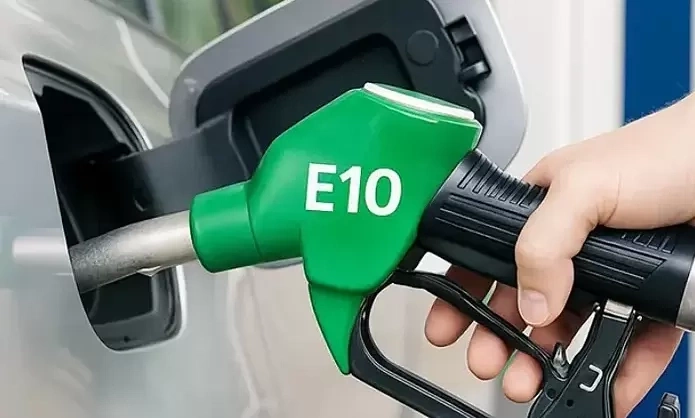 Thực tế xăng E10 hao hơn bao nhiêu %?
Bản thân tôi sử dụng thấy xăng E10 hao hơn, xin hỏi các lái xe khác có bị tình trạng này. (Anh Quân)


