Rust Removing Laser Technology: Transforming Metal Surface Cleaning with Precision and Power


Unlike traditional abrasive or chemical cleaning methods, this technology brings an advanced way to eliminate rust while maintaining the integrity of the underlying material.
The presence of rust has always been a challenge in industrial environments, automotive maintenance, and metal fabrication. Once oxidation begins, it weakens the surface, reduces performance, and often leads to costly repairs. The rust removing laser solves this issue by offering a clean, efficient, and precise process that directly targets rust without physically touching the metal. It uses the power of concentrated laser beams to vaporize contaminants and oxidation layers instantly.
The rust removing laser operates through the principle of laser ablation. In this process, a high-energy laser beam interacts with the rust layer on the surface, converting the corrosion into gas or dust particles that are immediately removed. The energy level and wavelength of the laser are carefully controlled to ensure that only the unwanted oxidation is affected, leaving the metal surface untouched and smooth.
Laser cleaning systems are highly adaptable. Depending on the surface condition and type of metal, the operator can fine-tune the settings—such as pulse frequency, beam intensity, and scanning speed—to achieve the desired cleaning effect. This flexibility makes laser-based rust removal suitable for delicate surfaces, thick industrial coatings, or complex geometries where mechanical methods may fail.
This technology is not limited to one industry. It has found applications in various sectors where precision and surface integrity matter. In the automotive field, manufacturers and restorers use rust removing laser equipment to clean body panels, engine components, and even antique car frames. The aerospace industry utilizes it to maintain aircraft parts without introducing abrasives that could compromise safety standards.
In heavy manufacturing, laser cleaning plays an essential role in preparing metal surfaces for welding, coating, or painting. The removal of rust and oxide layers ensures better adhesion and longer-lasting finishes. Shipbuilding, railway maintenance, and pipeline repair operations are also increasingly integrating this method due to its reliability and minimal environmental impact.
Traditional rust removal methods rely heavily on mechanical grinding, sandblasting, or chemical treatments. While effective to an extent, these methods often cause secondary damage such as surface wear, material loss, or hazardous waste generation. The rust removing laser eliminates these concerns through its non-contact, dry cleaning approach.
Laser cleaning eliminates the need for consumables like sand, solvents, or brushes. This significantly reduces maintenance downtime and operational costs over time. The process also produces minimal waste since the removed rust vaporizes into harmless particles or dust, which can easily be extracted using filtration systems.
Moreover, the automation potential of laser systems has transformed industrial cleaning workflows. Robots and CNC-controlled machines equipped with rust removing laser units can handle repetitive cleaning operations with consistent quality. This technological integration enhances productivity and ensures that every cleaned surface meets the exact same standard, regardless of scale or complexity.
A significant advantage of the rust removing laser method lies in its environmentally responsible nature. Unlike chemical-based rust removers that produce toxic fumes or liquid waste, laser cleaning uses pure light energy. There are no chemical residues, hazardous byproducts, or emissions that harm workers or the environment.
From a safety perspective, operators are shielded by specialized protective gear and containment systems that manage the laser beam’s energy and prevent exposure. The precision of laser technology also means that it can be safely used in sensitive environments, including heritage conservation projects where preserving the original material is essential.
The move toward sustainable manufacturing practices is one of the major driving forces behind the adoption of laser cleaning technologies. The rust removing laser perfectly aligns with global goals for clean production and zero waste by providing a high-performance yet environmentally friendly cleaning solution.
The rapid evolution of laser technology has significantly expanded the potential of rust removing laser systems. Fiber lasers, in particular, have made the process more energy-efficient, compact, and easier to maintain. With improved beam control and higher power stability, modern laser cleaning machines can handle a wide range of materials—from mild steel to stainless alloys—without causing microstructural damage.
Market analysts project continuous growth in the laser cleaning sector as industries shift toward automation and sustainability. The demand for portable and handheld laser systems is also increasing, allowing maintenance teams to carry out on-site rust removal operations in real-time. As equipment becomes more affordable and user-friendly, the technology is moving from high-end industrial use toward broader accessibility for workshops and service centers.
In real-world applications, rust removing laser systems have demonstrated impressive results. Automotive restoration experts use them to clean old engine blocks and chassis without disassembling components. Fabrication plants employ laser cleaning before welding or coating to ensure perfect bonding surfaces. Historical restoration teams have used it to clean corroded ironworks, monuments, and sculptures while preserving original textures.
The technology also plays a critical role in maintenance operations for oil rigs, power plants, and infrastructure facilities where rust control is essential for safety and longevity. By eliminating corrosion efficiently, it helps extend the lifespan of metal assets and reduces unplanned maintenance costs.
When analyzing the overall economics of industrial cleaning, the rust removing laser presents a compelling case. Although the initial investment in laser equipment may seem high, the long-term savings are significant. There are no consumable materials, minimal labor requirements, and reduced downtime compared to mechanical or chemical cleaning.
Furthermore, industries can benefit from consistent results and higher precision, which translates into fewer reworks or surface defects. Over time, this leads to improved productivity and enhanced quality control standards. The economic value extends beyond cost savings—it positions companies at the forefront of innovation, sustainability, and operational excellence.
The future of surface treatment technologies is clearly heading toward cleaner, faster, and more sustainable solutions. The rust removing laser stands at the center of this transformation. As industries continue to prioritize efficiency and environmental responsibility, laser-based cleaning will likely become a standard practice rather than an optional upgrade.
Integration with smart manufacturing systems, robotics, and artificial intelligence-driven controls will further enhance its capabilities. Real-time monitoring and adaptive power control will allow future laser systems to adjust cleaning parameters automatically based on material type and rust depth, ensuring perfect results every time.
The rust removing laser is not merely a cleaning tool—it represents a shift in how industries approach surface preparation and maintenance. Its precision, versatility, and sustainability make it an essential part of modern manufacturing and restoration workflows. As technology continues to evolve, laser-based rust removal will remain a vital innovation shaping the future of metal care, ensuring durability, efficiency, and cleaner production for generations to come.
jack wil
35Blog posts
-
 Mazda hồi sinh màu xanh trên MX-5 Miata
Mazda bổ sung màu Zinc Green Metallic cho MX-5 Miata 2027, lần đầu đưa tùy chọn màu xanh trở lại dòng roadster này sau hơn một thập kỷ ra mắt.
-
 Ôtô chạy vào đường tàu điện trên cao vì đi theo GPS
Nữ tài xế lái chiếc Mazda màu đỏ chạy vào tận ga Mount Baker ở Seattle khiến tuyến tàu điện số 1 phải ngừng hoạt động.
-
 Em bé chập chững bước giữa đường toàn xe tải
Từ lề đường, em bé chạy ra giữa đường rồi chạy thẳng về phía đầu xe tải đang đi nhanh tới, hôm 2/6 tại quốc lộ 12B, Lạc Sơn.
-
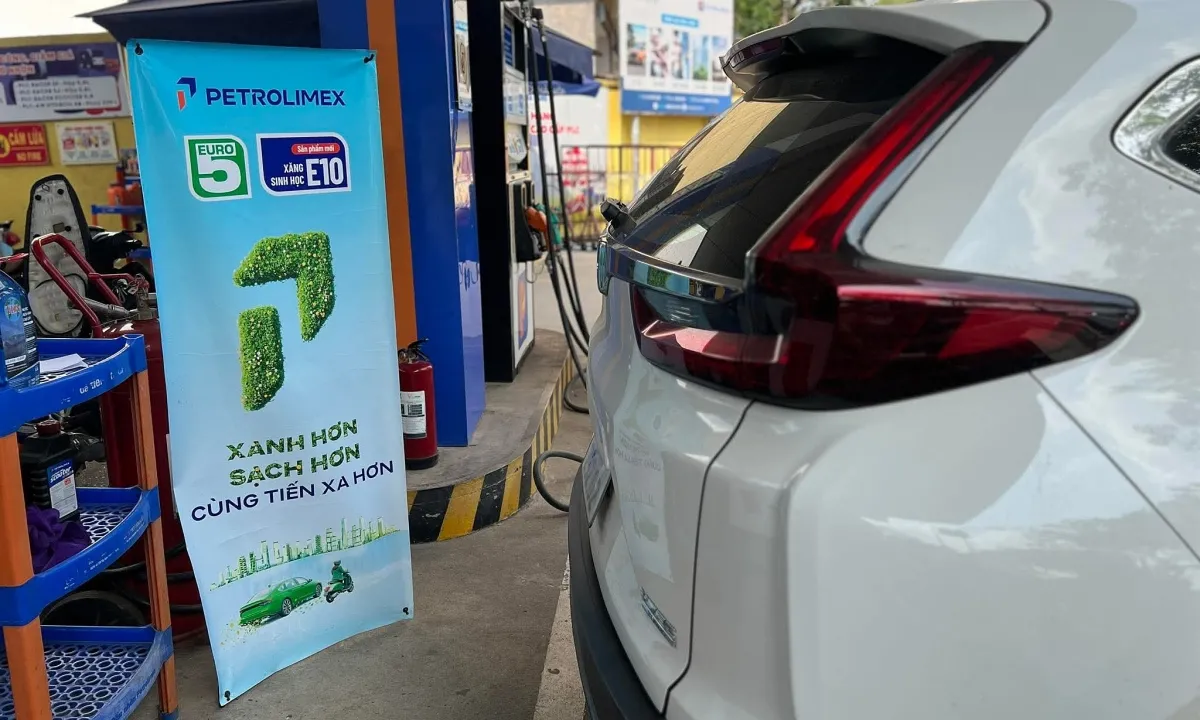 Danh sách ôtô, xe máy tương thích xăng E10 tại Việt Nam
Hầu hết xe máy, ôtô tại Việt Nam tương thích với xăng E10, chỉ một số ít xe cũ là không hỗ trợ loại xăng này.
-
 Công ty mẹ của TikTok hợp tác hãng Trung Quốc làm ôtô
ByteDance, công ty mẹ của Tiktok, và tập đoàn Seres chuẩn bị ra mắt thương hiệu ôtô mới dưới một công ty mới.
-
 CEO của Lotus chê xe thể thao nặng hơn 1,8 tấn là 'tầm thường'
Khi chê dòng xe thể thao hơn 1,8 tấn, dường như CEO của Lotus không nhớ ra rằng các mẫu xe năng lượng mới của hãng đều trên mức này.
-
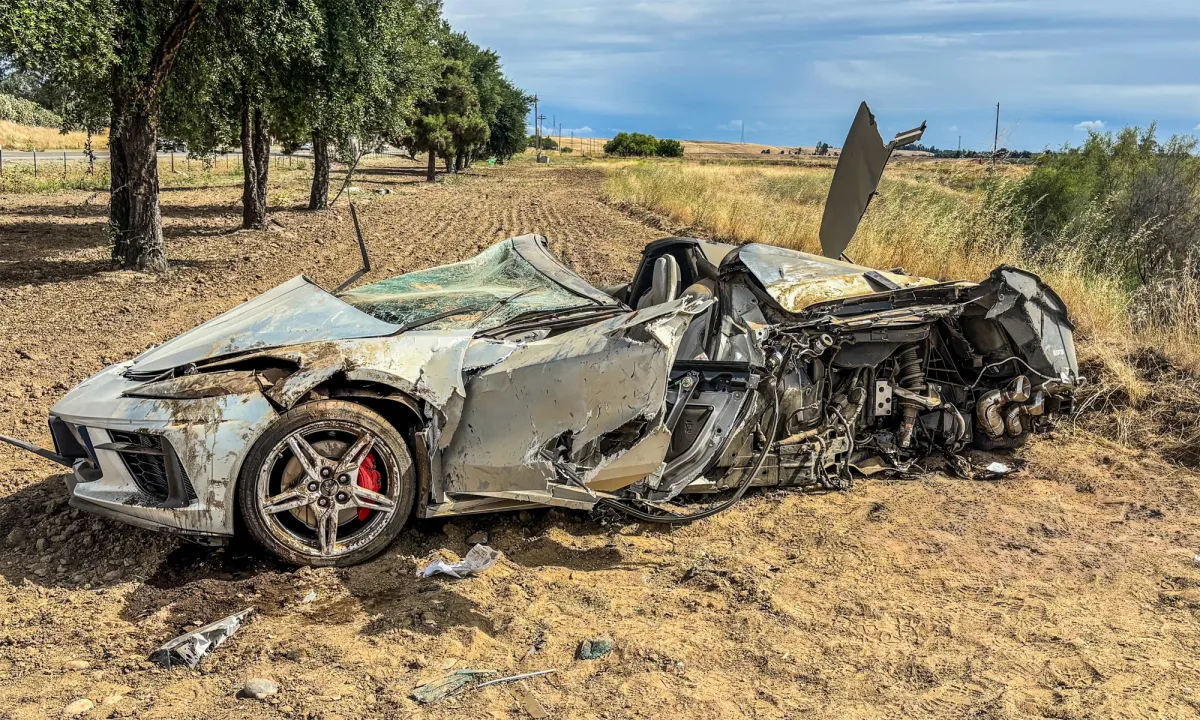 Xe thể thao biến dạng sau tai nạn, tài xế sống sót
Chiếc Chevrolet Corvette C8 trượt hàng trăm mét rồi lộn nhào khiến tài xế bị thương nặng.
-
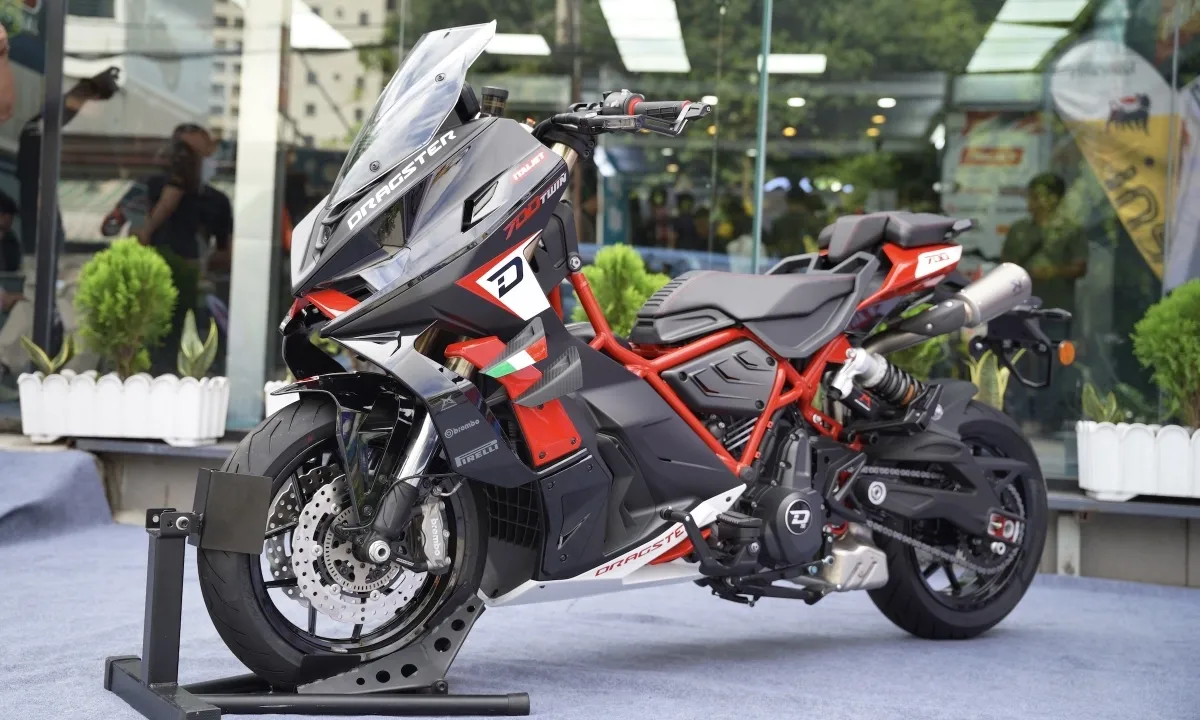 Italjet Dragster 700 - môtô lai scooter giá gần 430 triệu đồng
Mẫu xe máy thương hiệu Italy sở hữu ngoại hình của một mẫu xe ga gầm hố, thể thao, động cơ 700 phân khối với sức mạnh 69 mã lực.
-
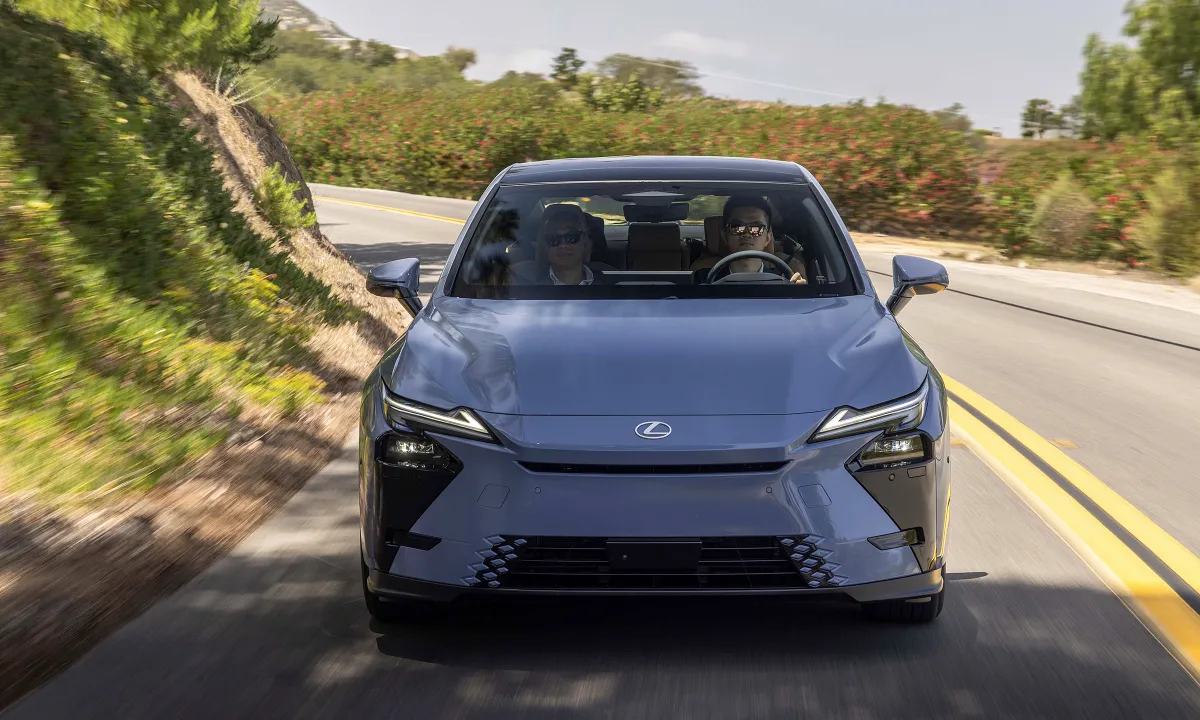 ES 2026 - tuyên ngôn tự do của Lexus
Bộ tuxedo của người Âu giờ đây được Toyota mặc lên Century, còn Lexus đã giải phóng sứ mệnh, mặc sức sáng tạo, muốn làm gì thì làm.
-
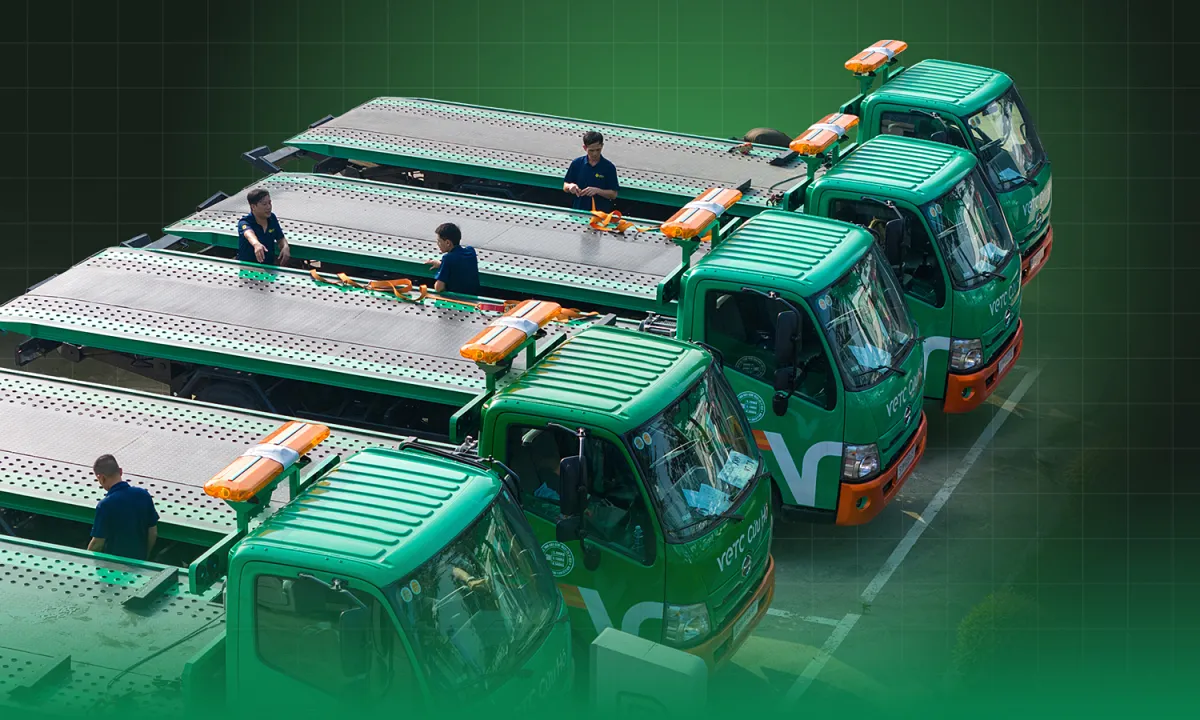 Kỳ vọng thay đổi ngành cứu hộ ôtô của VETC
Với gần 5 triệu người dùng, VETC phát triển VETC Cứu hộ với kỳ vọng mở rộng hệ sinh thái người dùng ôtô nhờ ứng dụng công nghệ, hướng đến chuẩn hóa ngành cứu hộ.
-
 Lái xe chậm hơn giúp tiết kiệm nhiên liệu
Các lái xe được khuyến cáo chạy chậm hơn, tránh phanh gấp để tăng hiệu quả sử dụng nhiên liệu trong bối cảnh các khoản chi phí đều tăng.


