Why Every Industrial Crew Should Consider a Thermal Imaging Camera Smartphone in 2025

Industrial sites are more demanding than ever. From oil rigs and refineries to mining pits and construction zones, crews operate in extreme heat, noise, vibration, and unpredictable hazards. In 2025, productivity and safety rely heavily on technology—and one tool rising above the rest is the thermal imaging camera smartphone. Far from being just a rugged phone, it merges cutting-edge thermal sensors with the portability and connectivity of a modern handset, transforming how field teams detect issues, document conditions, and protect workers.
Traditional inspections often require bulky, standalone thermal cameras that stay back at the toolbox. A thermal imaging smartphone keeps that same capability in a pocket-sized device, always ready. Whether identifying overheating machinery, locating hidden leaks in pipelines, or spotting electrical hotspots, workers can capture thermal readings instantly. Quick decisions mean fewer delays, reduced downtime, and faster repairs—critical when equipment failure can halt an entire operation.
Safety is paramount in heavy industries. With built-in infrared sensors, crews can “see” temperature differentials invisible to the naked eye, preventing accidents before they happen. Hot spots on valves, bearings, or electrical panels often signal potential fires or breakdowns. Detecting them early empowers teams to respond proactively rather than reactively, protecting assets and lives.
Modern thermal smartphones aren’t just smart—they’re engineered to survive punishing conditions. Devices built for industrial work feature shockproof casings, reinforced screens, and resistance to dust, moisture, and extreme temperatures. Seamless 4G/5G connectivity means crews can send annotated thermal images to supervisors or engineers offsite in real time. This instant collaboration accelerates troubleshooting and keeps projects on schedule.
While a thermal imaging handset may seem like an upfront expense, it quickly pays for itself. Catching faults early avoids catastrophic breakdowns, extends equipment life, and reduces unplanned maintenance. Additionally, consolidating two devices—a phone and a camera—into one means fewer gadgets to purchase, charge, and maintain. For multi-shift crews, the efficiency gain is substantial.
Industrial regulations increasingly demand thorough documentation of inspections and safety checks. A smartphone that captures both visual and thermal data lets crews record issues with geo-tagged, time-stamped proof. This strengthens compliance reports, eases audits, and reduces liability by showing proactive safety measures.
Some environments—such as petrochemical plants or underground mines—pose ignition risks due to flammable gases or dust. Here, a standard phone won’t suffice. Many teams combine thermal capabilities with an explosion proof phone certified for hazardous zones. This pairing ensures that workers gain advanced diagnostics without compromising safety certification. When intrinsically safe design meets thermal vision, crews stay protected while still leveraging real-time insights.
The march toward Industry 4.0 means more connected sensors, predictive maintenance, and remote decision-making. A thermal smartphone aligns perfectly with this future: it integrates with apps, cloud platforms, and AI tools that analyze heat signatures for predictive alerts. Teams adopting this tech today are positioning themselves ahead of compliance curves and competitive pressures tomorrow.
For industrial crews balancing speed, accuracy, and safety, the advantages are clear. A rugged, thermal imaging camera smartphone eliminates guesswork, prevents costly downtime, and documents every step—while pairing with an explosion proof phone ensures compliance in volatile areas. As 2025 pushes industries toward smarter, data-driven workflows, teams equipped with these devices won’t just keep up—they’ll lead.
theliquid gold
2Blog posts
-
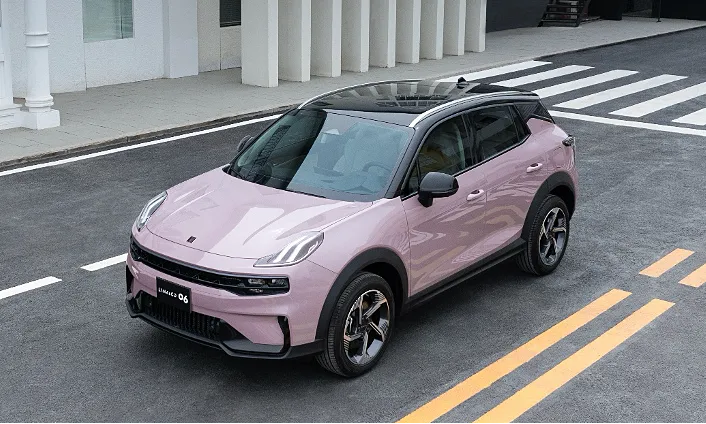 Điểm nhấn trên bộ đôi SUV Lynk Co 06 và 09
Lynk amp; Co 06 và 09 hướng đến cân bằng trải nghiệm, ưu tiên cảm giác vận hành ổn định và an tâm trong nhiều điều kiện sử dụng, theo Lynk amp; Co Việt Nam.
-
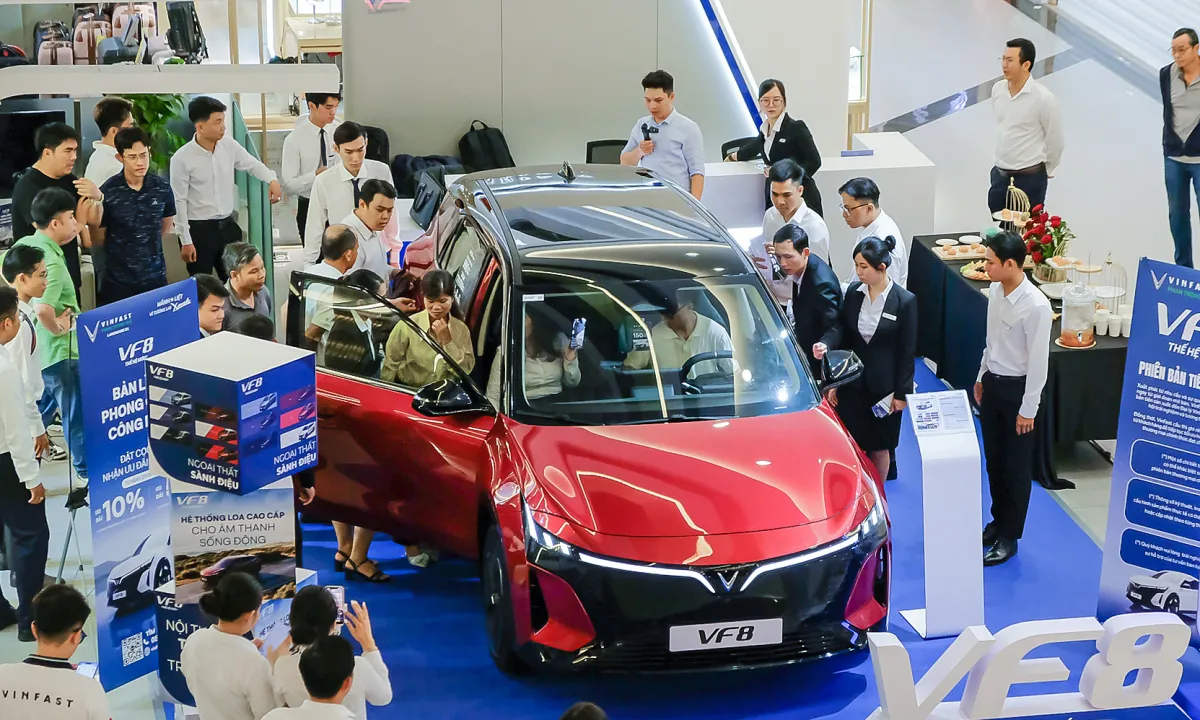 VinFast VF 8 thế hệ mới nhận gần 12.800 đơn đặt hàng
Sau 8 ngày mở đặt cọc, VinFast công bố VF 8 thế hệ mới nhận 12.728 đơn đặt hàng, mức kỷ lục của thương hiệu này trong phân khúc xe cao cấp.
-
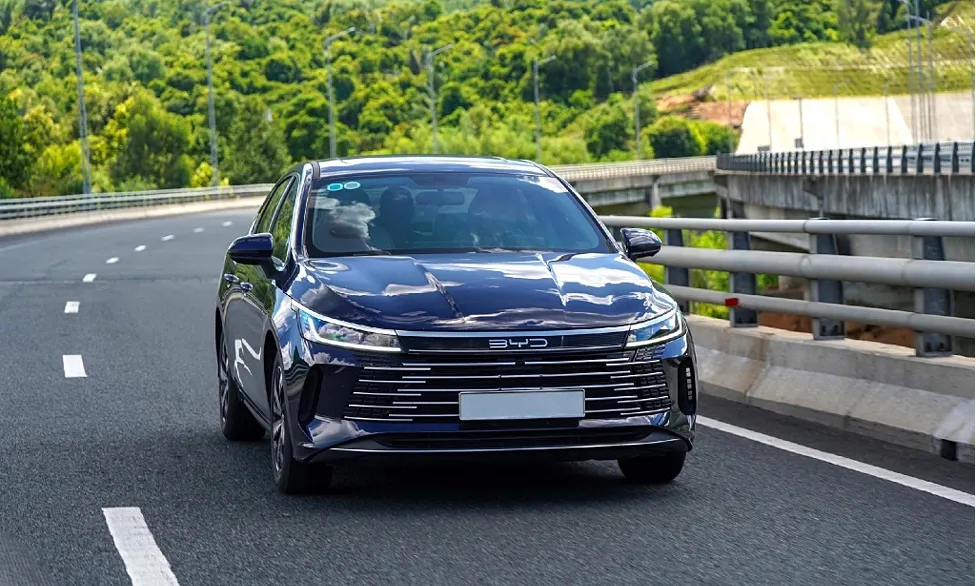 BYD Việt Nam: công nghệ DM-i Super Hybrid tương thích xăng E10
Các dòng xe ứng dụng công nghệ DM-i Super Hybrid tỉ số nén 15,5:1 được tối ưu vật liệu kháng ăn mòn, phù hợp nhiên liệu xăng E10, theo đại diện BYD Việt Nam.
-
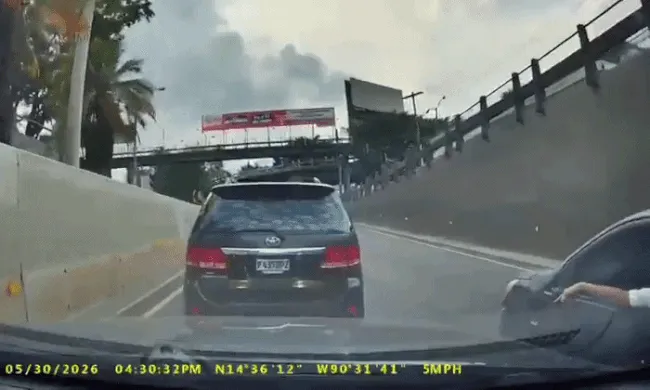 Ôtô cố nhập làn bị xe đi thẳng ủn cả trăm mét
Sau khi cãi nhau vì tranh chấp làn đường, tài xế của chiếc hatchback hùng hổ chặn đường đối thủ và bị đâm ngang rồi ủn đi.
-
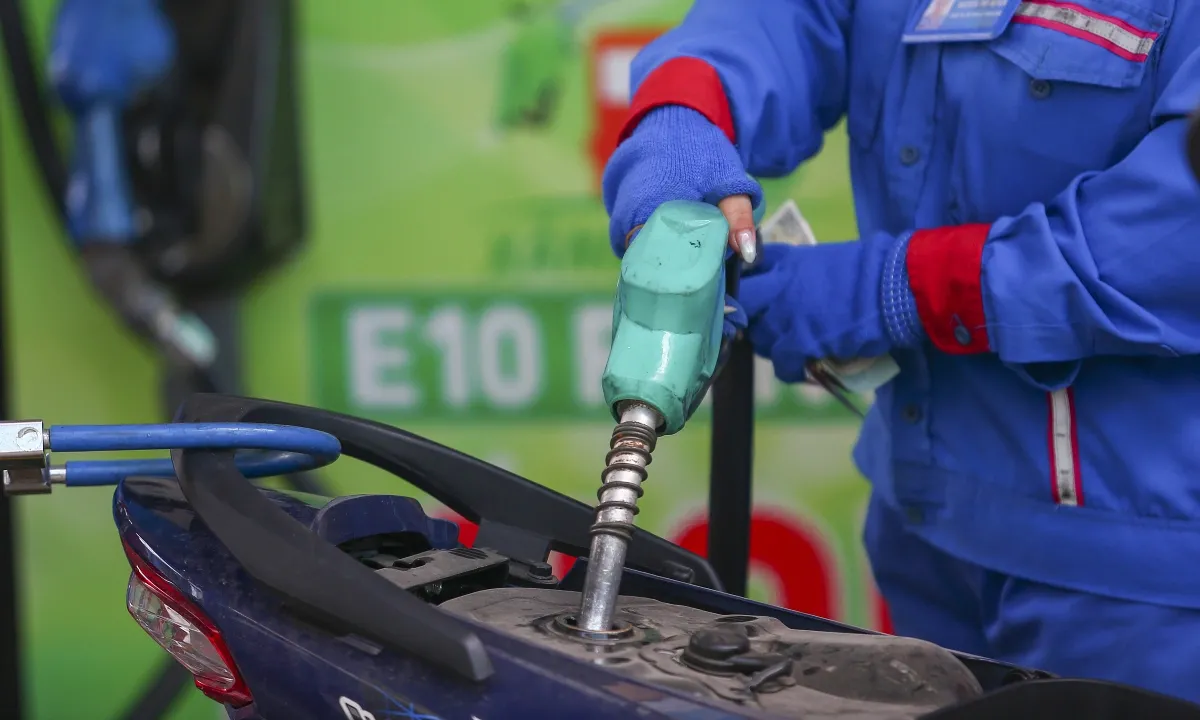 Cách lái xe tiết kiệm nhiên liệu khi chuyển sang xăng E10
Lái xe đều ga, bảo dưỡng hệ thống nhiên liệu và bảo quản xăng đúng cách giúp hạn chế mức tiêu hao khi dùng E10.
-
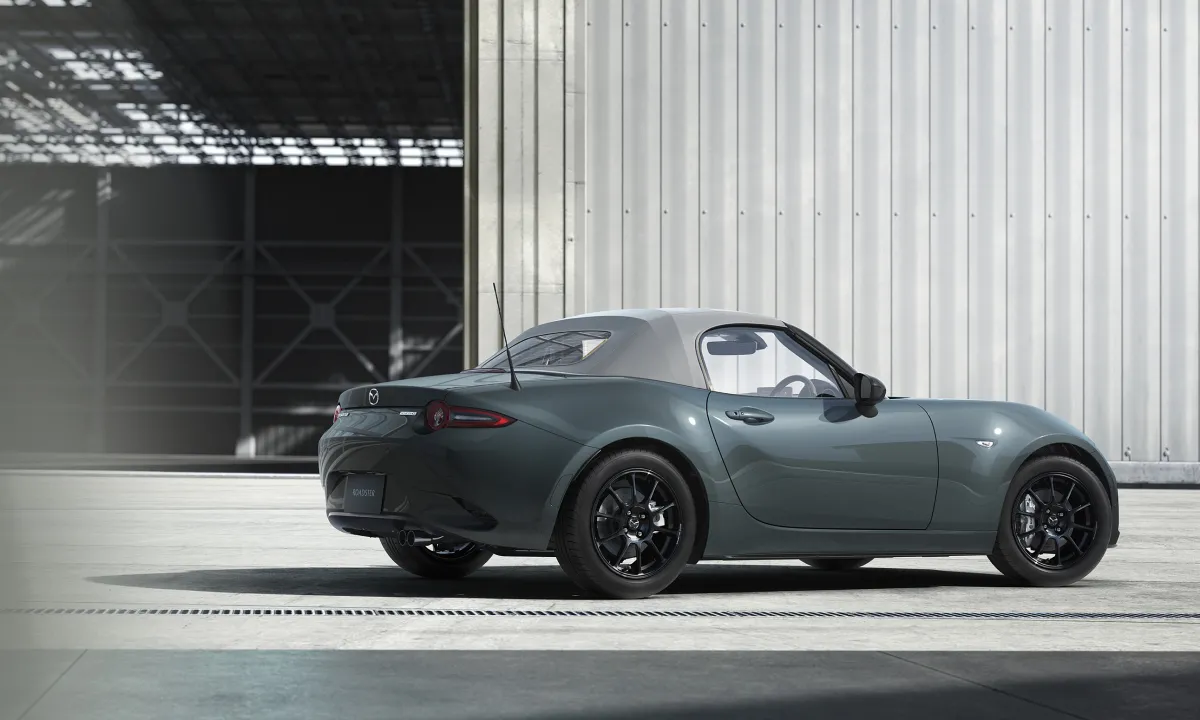 Mazda hồi sinh màu xanh trên MX-5 Miata
Mazda bổ sung màu Zinc Green Metallic cho MX-5 Miata 2027, lần đầu đưa tùy chọn màu xanh trở lại dòng roadster này sau hơn một thập kỷ ra mắt.
-
 Ôtô chạy vào đường tàu điện trên cao vì đi theo GPS
Nữ tài xế lái chiếc Mazda màu đỏ chạy vào tận ga Mount Baker ở Seattle khiến tuyến tàu điện số 1 phải ngừng hoạt động.
-
 Em bé chập chững bước giữa đường toàn xe tải
Từ lề đường, em bé chạy ra giữa đường rồi chạy thẳng về phía đầu xe tải đang đi nhanh tới, hôm 2/6 tại quốc lộ 12B, Lạc Sơn.
-
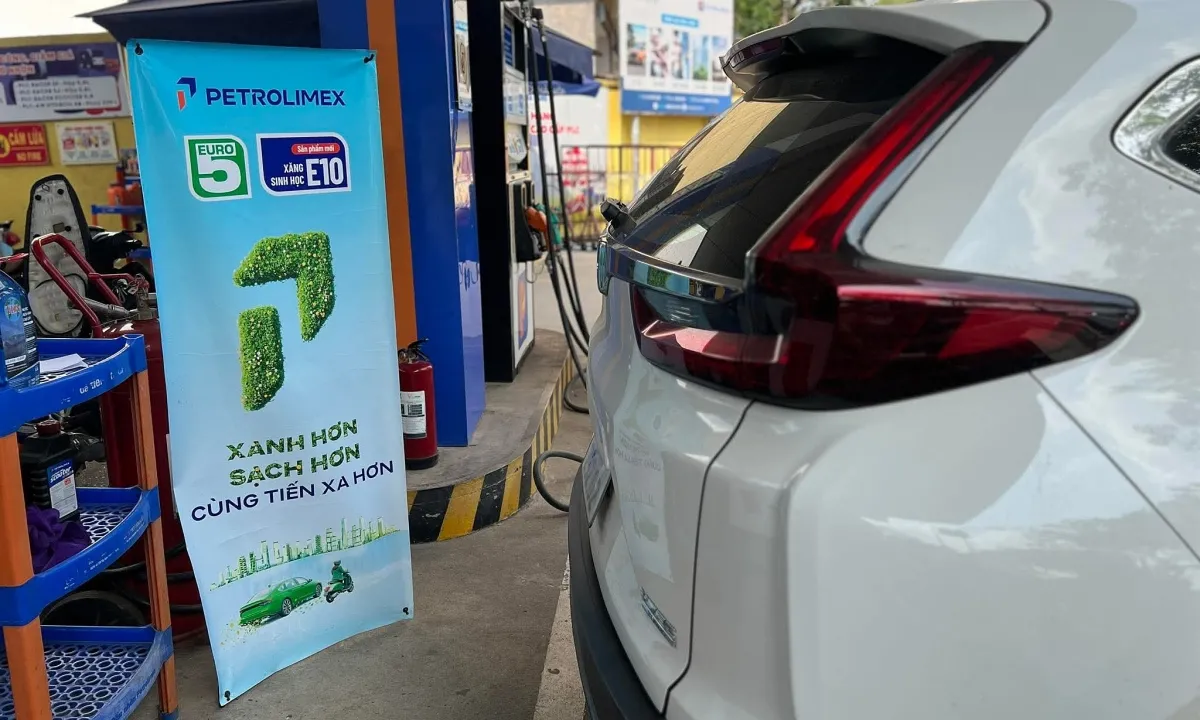 Danh sách ôtô, xe máy tương thích xăng E10 tại Việt Nam
Hầu hết xe máy, ôtô tại Việt Nam tương thích với xăng E10, chỉ một số ít xe cũ là không hỗ trợ loại xăng này.
-
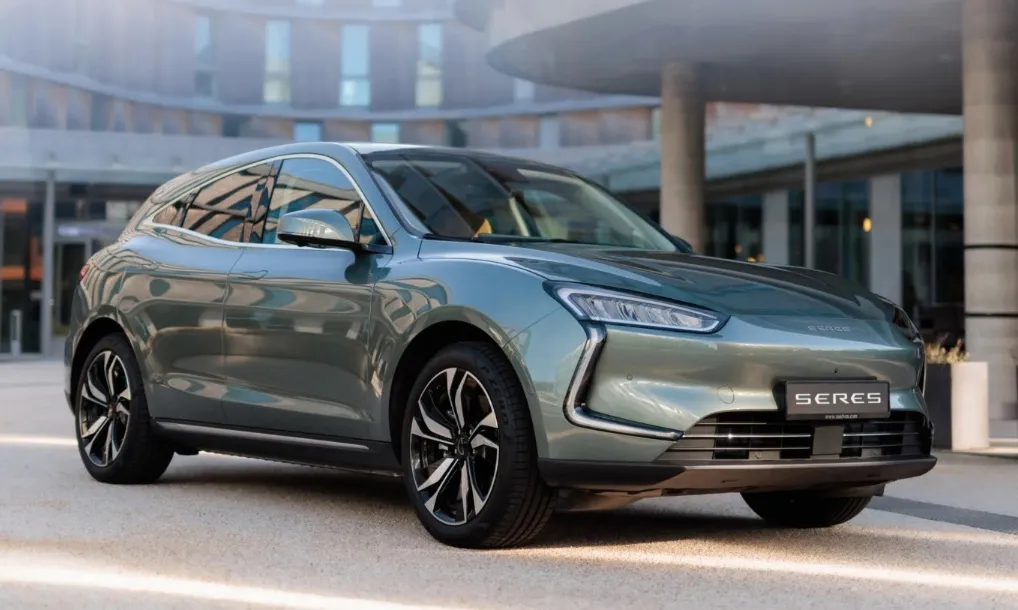 Công ty mẹ của TikTok hợp tác hãng Trung Quốc làm ôtô
ByteDance, công ty mẹ của Tiktok, và tập đoàn Seres chuẩn bị ra mắt thương hiệu ôtô mới dưới một công ty mới.
-
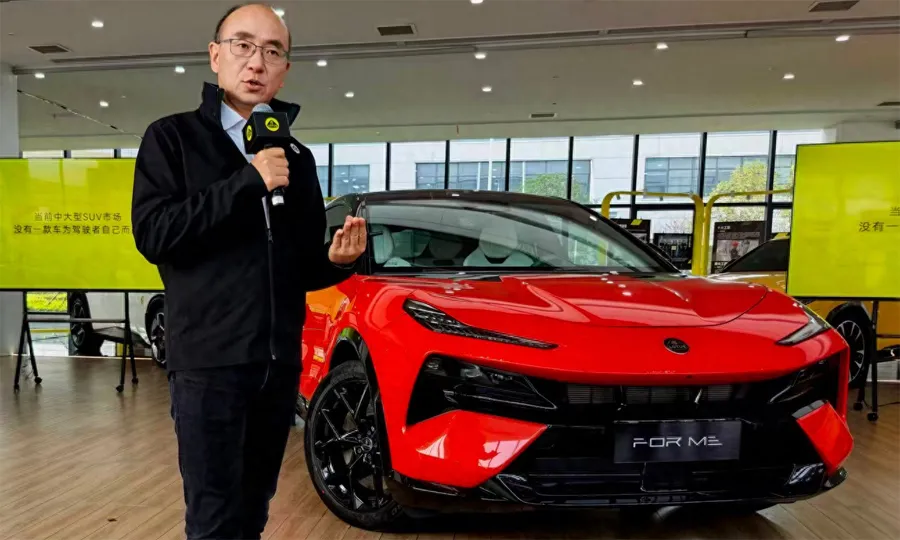 CEO của Lotus chê xe thể thao nặng hơn 1,8 tấn là 'tầm thường'
Khi chê dòng xe thể thao hơn 1,8 tấn, dường như CEO của Lotus không nhớ ra rằng các mẫu xe năng lượng mới của hãng đều trên mức này.


Lohar Studio 38 w
ook nice