What Democrats want: New York congressional race showcases fight over party’s future

By Adam Gabbatt in New York • June 20, 2026 • US news
In NY-12, four Democrats, including one Kennedy, are vying to replace Jerry Nadler – and potentially shake things up
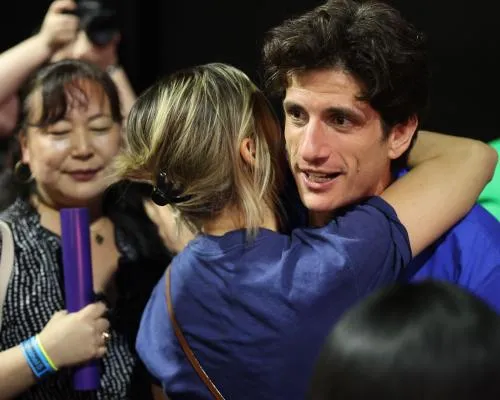
When news broke that a safely Democratic seat in New York’s wealthiest congressional district was becoming vacant, it was inevitable that there would be a crowded field of candidates. What people might not have expected is that the subsequent Democratic primary, would become one of the country’s most closely watched and action-packed, the race coming to reflect a range of Democrats’ national political priorities: who is the strongest against Trump; who is the most critical of artificial intelligence companies; and who is, basically, the coolest. Withdays left before the primary closes – early voting began on 13 June – the contest has narrowed to four white men, but it remains unclear which of them is ticking the most boxes. Voters in Manhattan’s 12th districthave been inundated with loud promises to imprison Donald Trump and to rein in AI companies, and bombarded by one candidate’s attempt to portray himself as a sort of early 80s-era tough guy, and another’s thirst-trap Instagram presence. Polling in the district, a sprawling area of Manhattan which encompasses the Seinfeld territory of the Upper West Side, the old-money grandeur of the Upper East Side, and the uber-expensive apartments south of Central Park which make up Billionaires’ Row, has been volatile. Micah Lasher, a New York state representative who, correctly, describes himself as a “nerd”, led the race in a mid-May poll; a couple of days earlier Alex Bores – another state representative whose campaign has become a proxy war between rival AI companies – was in the lead. Adding a sense of glamor and national intrigue is Jack Schlossberg, the cute yet callow grandson of John F Kennedy, and George Conway, the Republican turned vocal Trump critic who has been seeking, quixotically, to cultivate a hard-man persona. Schlossberg, 33, has the least obviously impressive CV: an MBA from Harvard, but little pertinent work experience and no experience of being in public office. He is, however, handsome, has the famous Kennedy heritage, and is overtly youthful at a time when the Democratic party is being criticized for its gerontocratic nature. While party elders such as Chuck Schumer hunch over desks with glasses on the end of their nose, Schlossberg posts pictures of himself paddleboarding and surfing, or just clowning around: a recent video showed him pulling bodybuilding moves in front of a crowd of supporters. The problem is that Schlossberg really hasn’t done very much. In one of his few professional roles, he was hired as a Vogue political correspondent in 2024 – the magazine announced his appointment in a lascivious profile which praised his “towering frame, dark hair, and strong jawline” and included a picture of him on a skateboard – but he appears to have written just seven pieces for the magazine. (One of those was a list of five things to watch out for ahead of the debate between Joe Biden and Donald Trump in June 2024; another was a reposting of a speech Schlossberg gave at that year’s Democratic national convention.) On a recent Wednesday about 20 people, several of them young womenhad gathered to see him at Barney Greengrass, a Jewish deli in the Upper West Side. Schlossberg, who was born and raised in New York City, said he celebrates all his birthdays with food from the deli, and that day they had made a “Jack Stack” sandwich for him, which consisted of swiss cheese, pastrami and mustard on rye bread. The Guardian did not try the sandwich, so could not comment on its seasoning, but was able to confirm that Schlossberg himself can be quite salty. Asked about people questioning his credentials for office and the sort of Tom-Hanks-in-Big nature of his campaign, Schlossberg said: “Yeah, I mean, I think people are right. The Democratic party has been way too cool. We’ve been way too exciting. We’ve got way too many young people who are athletic and healthy and will have a lot of energy. We need more old people, we need more people with less energy who are not really willing to take any risks. What we really need right now is to just act like social media doesn’t matter, and being cool isn’t important.” If Schlossberg is bringing the vibes, Lasher, the self-described nerd, is bringing his résumé. He worked on his first political campaign aged 16, helping to elect Eric Schneiderman to New York state senate; by 19 he was managing another Democrat’s campaign for New York City council. He has served in a slew of important, if unsexy, behind the scenes roles: chief of staff to the New York attorney general, director of policy to the New York governor, director of state legislative affairs to then New York mayor Michael Bloomberg. It’s his tenure as an aide to Jerrold Nadler, the current representative of New York’s 12th district who announced last year he was stepping down, that might be most beneficial, however: Nadler endorsed Lasher in February, saying he will “bring a sense of urgency, creativity, and fearlessness to Washington” and describing him as “New York’s protector-in-chief against all things Trump”. The recommendation came after Nadler, 79, announced he was retiring from Congress after 33 years, saying it was the “right time to pass the torch to a new generation” amid a party-wide reckoning over the Democrats’ leadership class that erupted after questions about Biden’s age and acuity derailed his re-election bid. “Watching the Biden thing really said something about the necessity for generational change in the party, and I think I want to respect that,” Nadler told the New York Times. But other candidates have also won the backing of high-profile Democrats, in a race that has largely avoided the Israel litmus test that has dominated other primary contests in the city and across the country. In a district with a large Jewish population, none of the Democratic hopefuls has been willing to refer to Israel’s war on Gaza as a genocide. Nancy Pelosi, the former House speaker who attended JFK’s inauguration as a student in 1961, endorsed Schlossberg in February, claiming he was “the best of his generation”; Bores has been endorsed by New York congressman Pat Ryan; Anthony Scaramucci, the short-tenured White House communications director turned podcaster and Trump critic, has served as Conway’s finance co-chair. Yet while he might be the best qualified, Lasher, whose campaign slogan is “Ready for the Fight”, has been struggling to excite voters. As of Thursday, he had 8,143 followers on Instagram: Schlossberg has 882,000. Lasher is little known outside New York, although his more than two decades in state politics make him better known at home. Conway’s crusade against Trump has made him a celebrity, and he is a frequent CNN contributor. Lasher’s closest competitor, however, might be Alex Bores, who, like Lasher, is a state representative, and like Schlossberg, is quite handsome: think Jamie Dornan’s bookworm brother. Unlike Schlossberg, he has honed his campaign to focus largely on a single issue: regulating the artificial intelligence industry. It is that which has made him the focus of AI companies’ spending. Outside groups representing AI interests have spent about $12m in supporting, or opposing, Bores. His campaign has played out as a battle between OpenAI and Anthropic, with a group with ties to OpenAI co-founder Greg Brockman spending $6.2m on attacking Bores, and Anthropic – OpenAI’s main competitor – spending a similar amount in backing him. It became an attack line in a recent TV debate, Lasher pointing out that Anthropic backers and a billionaire crypto investor had poured money into supporting Bores, and Bores defending himself as the staunchest critic of the AI industry. It remains to be seen whether that outside spending can propel, or repel, him from winning the primary. Rounding out the quartet of frontrunners is Conway, a former Republican turned high-profile Trump critic, who only moved back to New York City in 2025, after he split from his wife, former Trump campaign manager Kellyanne Conway. At 62, Conway might be trying just a little too hard to be the bad boy of the race, turning up at events wearing an ill-fitting Top-Gun style leather jacket, and an advert in February showed him on ice skates, scoring a goal on a hockey rink. (A more recent ad shows Conway giving the finger to a presidential motorcade.) “I know you like putting your name on everything,” Conway says in the new ad, addressing Trump as images pop up showing the president’s name on a plane and a building. “But the only thing your name is going to be left on when I’m done with you is an orange jumpsuit you’re going to have to wear in prison.” If that seems a bit silly, Conway’s high profile and impressive fundraising mean his rivals are taking him seriously. As of 3 June he had raised the most money of his opponents, his $6.6m – $2m of that is a loan from himself to his campaign – putting him ahead of Schlossberg, a fellow millionaire who raised $3.9m (which includes a $1m loan to himself). Thus, New York 12’s Democratic primary is a contest that could give the party a deeper look at what their supporters want in the closing years of the Trump era. Is age and vitality the most important issue, or experience and wonkishness? Is AI really a key topic, and can people set aside concerns about outside spending? Or is none of that important, and Democratic voters instead just want someone who will give Trump the literal and metaphorical finger? We might get some answers to those questions when the polls close on 23 June.
Source: The Guardian
World News Today
255 posts
-
 ‘Like a bomb had gone off’: suspected arson attack fuels Glastonbury unease
Arrests after explosion and caravan fires heighten controversy in town over number of people living in vehicles
-
 How do people in the US describe customer service in 2026? ‘Debilitating, depressing, enraging. Ugh’
We asked people in the US about their customer service battles and hundreds responded on the financial and emotional costs
-
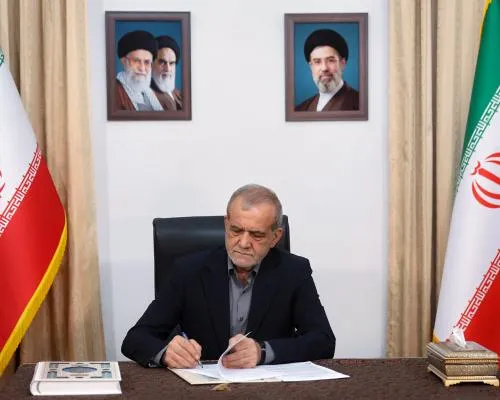 What lessons will Iran’s new leadership draw from the 110-day war?
Now fighting is over, the question is how Iran’s government will behave. Early clues point to more authoritarianism and prioritising relations with China
-
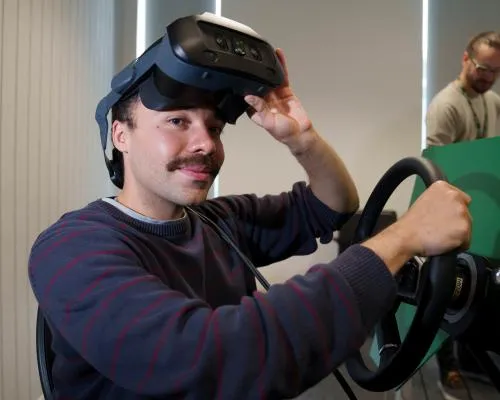 Motorway traffic drones are coming to UK roads, but will they drive us to distraction?
National Highways agency uses virtual reality test to see if drivers are distracted by introduction of low-flying drones
-
 Trump’s DC makeover frenzy bewilders locals and visitors: ‘It’s like we’re under occupation’
From East Wing demolition and ‘restoration’ of reflecting pool to bridge and fountain renovations, US capital is ‘a different city right now’
-
 ‘A kind of massive rave’: Paris braces for 2m revellers as Fête de la Musique returns amid heatwave warnings
Officials expand safety measures as French capital prepares for huge street celebration
-
 Beyond the beach: Spain pushes offbeat regions as tourist numbers nudge 100m
Exclusive: Tourism minister says another likely record year of visitor growth is not a worry amid move to welcome tourists out of season and market less frequented areas
-
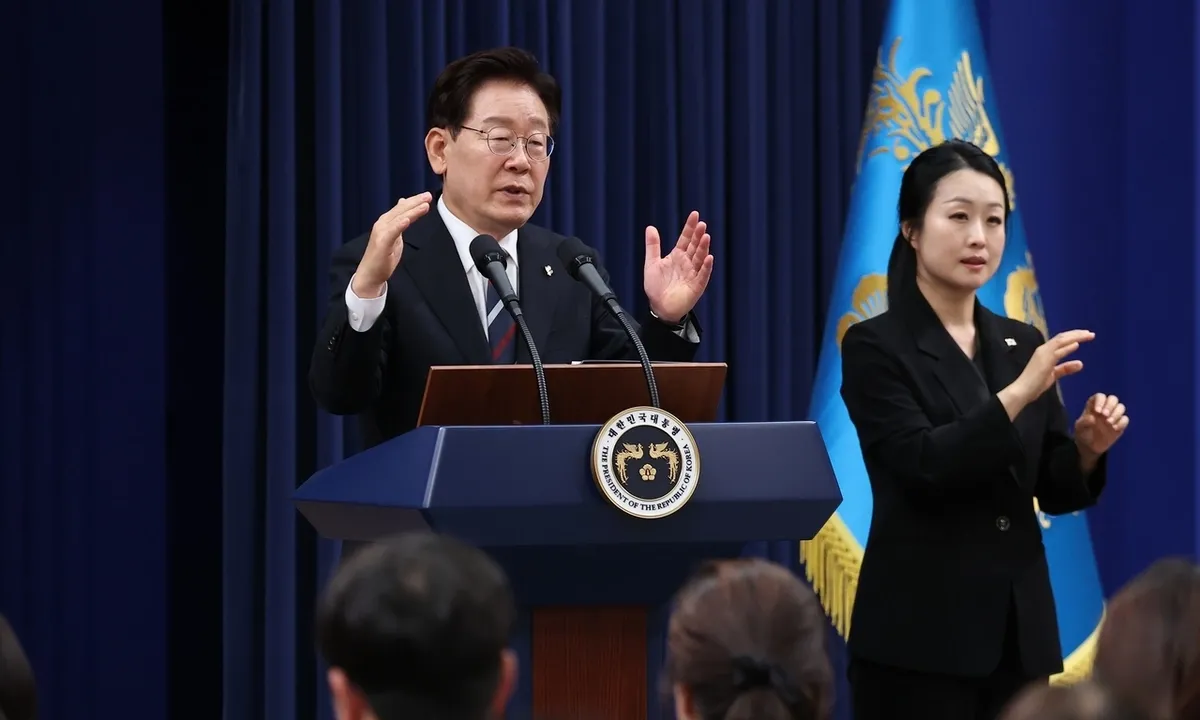 Tổng thống Mỹ sắp chú trọng vấn đề hạt nhân Triều Tiên
Tổng thống Mỹ sắp chú trọng vấn đề hạt nhân Triều Tiên
-
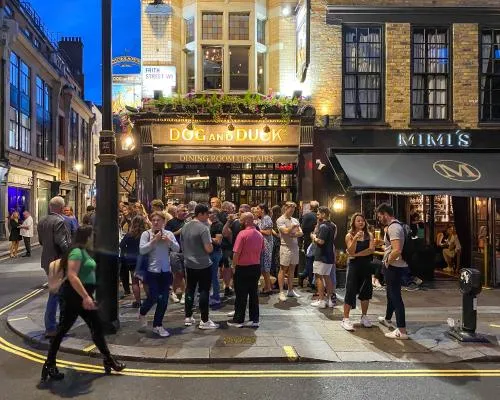 Bedtime blues: London ‘killing off nightlife’ as UK city with strictest licensing rules
Manchester, Birmingham and Leeds are experiencing after-hours boom as a result of more lenient rules
-
 SUV buyers undeterred by warnings of risk to pedestrians, UK study finds
Exclusive: Research suggests financial penalties necessary if number of large vehicles on roads is to be reduced


