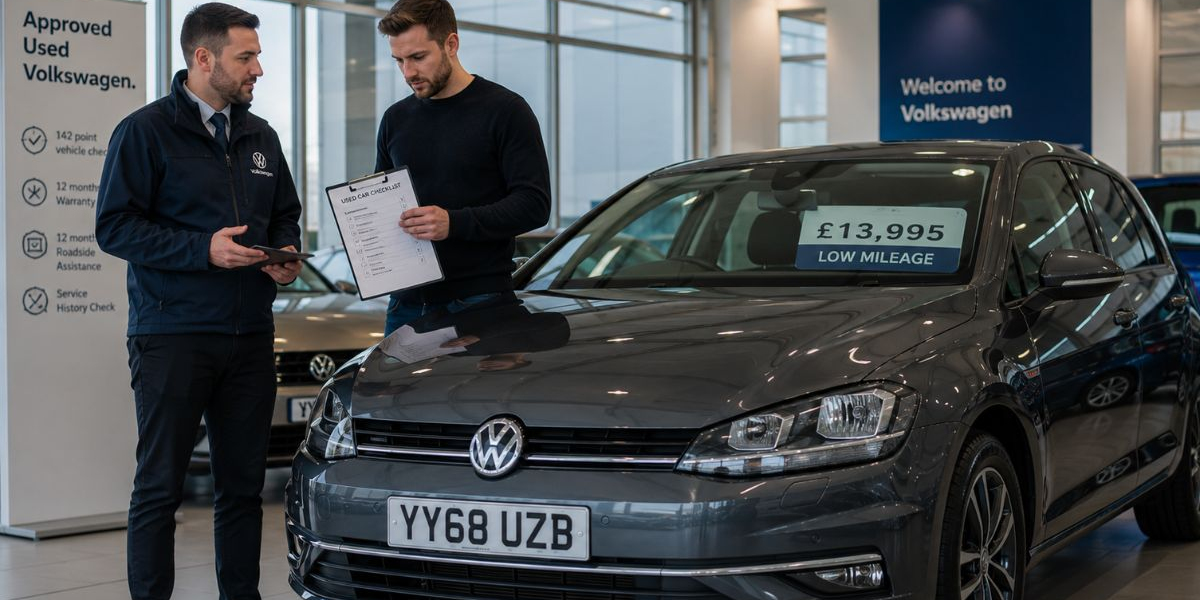
Buying a used Volkswagen is exciting, but risks are real. This guide covers essential Volkswagen dealer checks, common mistakes, and fraud like Volkswagen mileage fraud. You will learn how to spot a used Volkswagen scam risk before handing over cash. A proper Volkswagen service history check is your best defence. Let’s make sure your dream Golf or Passat is a genuine bargain.
Volkswagen is one of Britain’s favourite brands. This popularity makes it a top target for fraudsters. Unscrupulous sellers know a Golf or Tiguan sells fast. They exploit your trust with fake documents or clocked odometers. That is why buying a used Volkswagen needs extra caution.
Never skip the basic Volkswagen dealer checks at a reputable garage. Ask to see the V5C logbook and match the VIN. Check for missing service stamps or handwritten dates.
A good dealer welcomes a third-party inspection. They also provide a fresh MOT certificate. Walk away if they rush you or avoid questions. Real dealers have a fixed address and landline phone.
No physical premises: Only mobile phone numbers offered.
Cash-only pressure: Refuses bank transfer or card payment.
Too many cars: Stock feels mismatched and poorly presented.
Many buyers fall for the same traps. One big common used car buying mistake is skipping a test drive. You need to feel the DSG gearbox change smoothly.
Another error is ignoring the dashboard warning lights. A seller might reset them temporarily. Also, never buy without seeing the service book. Emotional decisions often lead to expensive repairs.
Volkswagen mileage fraud is surprisingly common in the UK. Fraudsters use simple tools to rewind digital odometers. A 100,000-mile car can show 50,000 miles in minutes.
To spot this, check the MOT history online for free. Look for mileage inconsistencies year on year. Also, examine the driver’s seat and pedal wear. Heavy wear with low miles is a clear warning sign. Compare the mileage on the service stamps too.
Beyond clocking, other used Volkswagen scam risks exist. One trick is cloned VIN plates from a written-off car. Another is selling a car still on finance.
You might also see fake service history printed at home. Some scammers hide serious crash damage with filler. Always run an HPI check before any payment. This reveals outstanding finance and theft records.
A full Volkswagen service history check saves you thousands. Genuine VW services are stamped by authorised dealers. The stamps should have the garage name and date.
Missing history usually means missed oil changes. This can wreck the timing chain or turbo. Call the stamping garage to confirm they worked on that VIN. Digital service records are now common for newer models.
Your test drive is the final truth test. Start the engine cold and listen for rattles. The idle should be smooth without warning lights.
Drive over speed bumps to hear suspension knocks. Check each gear, including reverse. Finally, park on a slope to test the handbrake. If anything feels wrong, trust your gut and leave.
Once you find a clean car, do one last used Volkswagen buying guide check. Negotiate based on any minor scratches or worn tyres. Pay via bank transfer for a clear paper trail.
Get a receipt that says “sold as seen” only if you trust them. Ideally, buy from a VW-approved used car scheme. They offer a warranty and a proven history. Happy hunting for your new German car.
A dealer must show the V5C logbook and a current MOT certificate. They also need to provide a service history record. A used Volkswagen buying guide always starts with these three documents.
Use the UK government’s free MOT history website. Enter the car’s make and registration number. Compare annual mileages for any suspicious drops or plateaus.
The most frequent error is skipping a pre-purchase inspection. Many buyers trust a shiny body over mechanical health. This commonly used car buying mistake leads to costly DSG or engine repairs.
Independents are often cheaper and very honest. Main dealers offer official warranties and certified history. Both are safe options when buying a used Volkswagen from a known location.
Reverse-search the car’s photos on Google Images. Scammers often steal pictures from genuine adverts. Also, refuse any deal that asks for a deposit via PayPal Friends and Family.
It includes all dealer stamps and receipts for parts. Digital records show each visit’s date and mileage. A proper Volkswagen service history check also lists any outstanding recalls.
Yes, some MOT centres are lenient for cash. Always get your own independent inspection. A used Volkswagen scam risk is a fresh MOT from a non-reputable garage.
It can be safe if you follow all the same checks. Meet in a public place and bring a mechanic friend. However, private sales offer no consumer protection under UK law.
Older 1.4 TSI twin-charger engines suffer timing chain issues. The 2.0 TDI diesel can have DPF problems on short trips. A good used Volkswagen buying guide recommends the reliable 1.6 TDI or 2.0 TSI.
Search the company on the Companies House website. Read Google Maps reviews from real customers. A legitimate dealer never refuses a Volkswagen dealer checks request like a VIN scan.

Henry Smith
4 posts
-
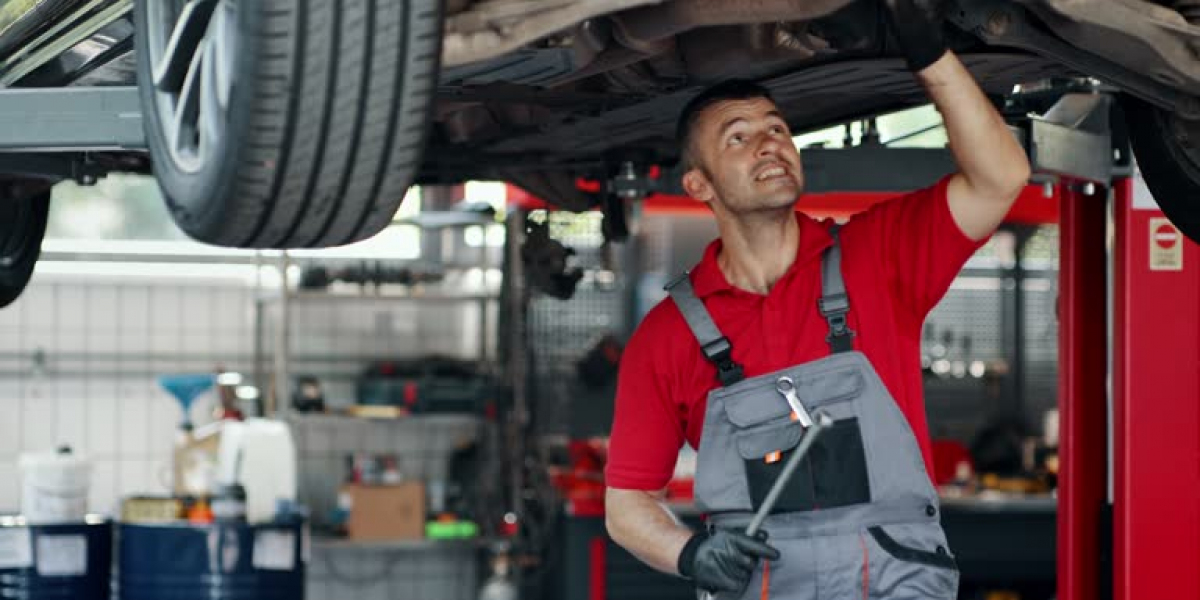 BMW Coolant Leak Repair: Cost, Causes & Symptoms
Discover the true cost of BMW coolant leak repair, common causes, warning symptoms, and why Kwik Kar Auto Dallas is your trusted local auto repair service in Dallas.
-
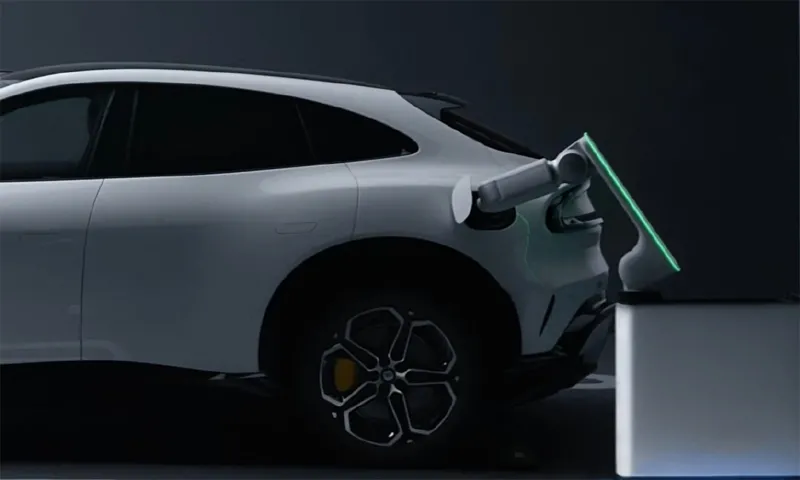 Xiaomi ra mắt cánh tay robot sạc tại nhà
Hãng xe điện nhấn mạnh rằng video trình diễn robot sạc tự động được quay trong môi trường thực tế, dự kiến bán ra vào quý IV.
-
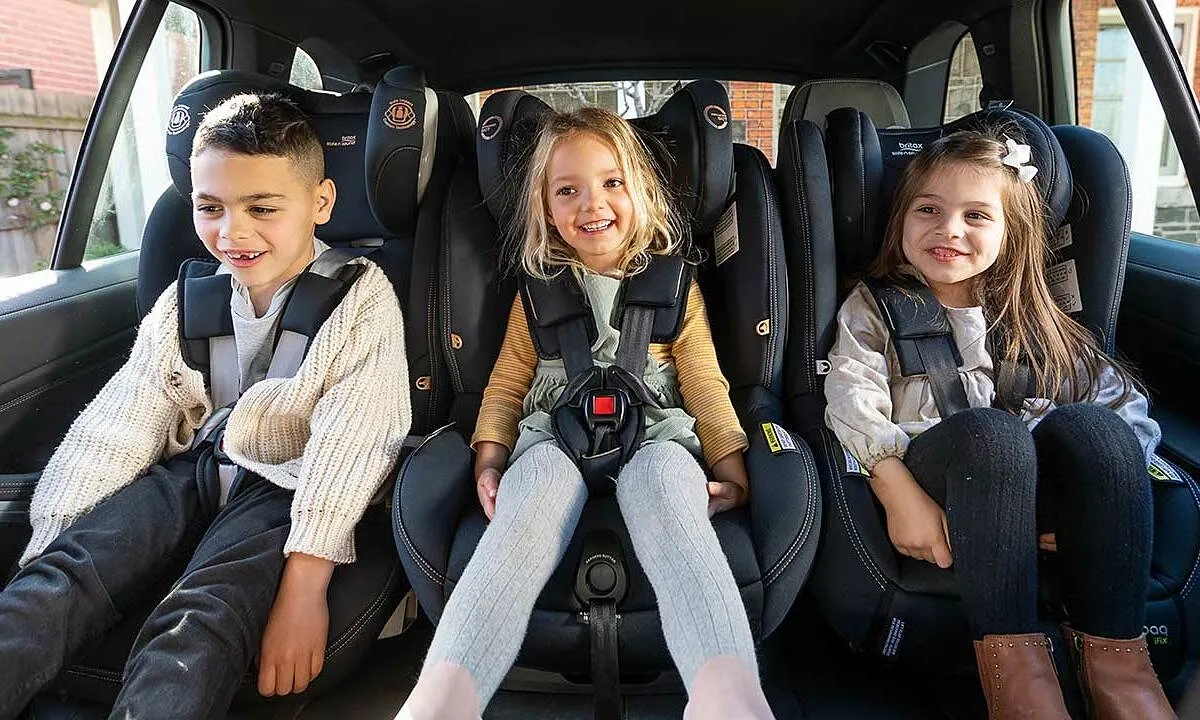 Mẹo giúp trẻ hợp tác khi sử dụng ghế trẻ em
Cho trẻ làm quen sớm, dùng đồ chơi yêu thích, giải thích về an toàn và duy trì sự nhất quán giúp trẻ hợp tác hơn khi ngồi ghế riêng.
-
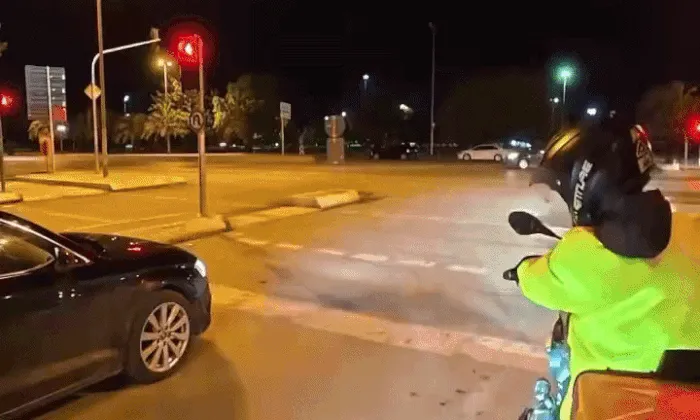 Hai ôtô bốc cháy sau cú lao như tên bắn qua ngã tư
Ôtô rẽ trái bị một xe chạy thẳng ở tốc độ cao đâm trúng và lửa lập tức bùng lên, sáng sớm 13/6 ở Istanbul.
-
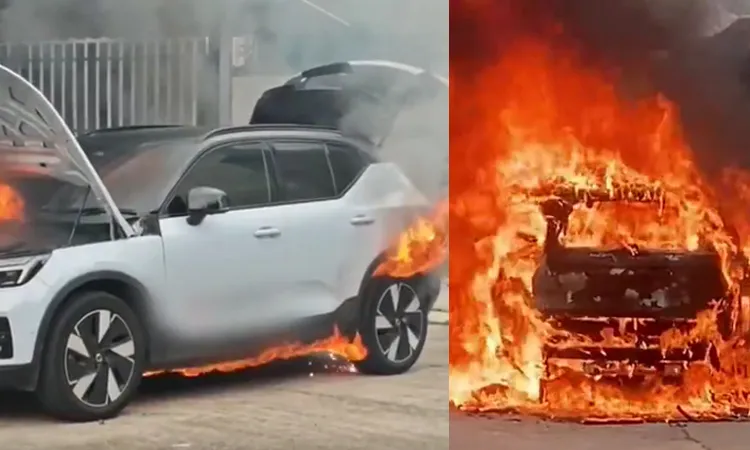 Ôtô điện bốc cháy khi đang đỗ trước cửa nhà
Đỗ chiếc xe điện vừa được sạc trước cửa nhà, người đàn ông đi chạy bộ chưa đầy một tiếng nhưng khi trở về thấy xe đang bốc khói.
-
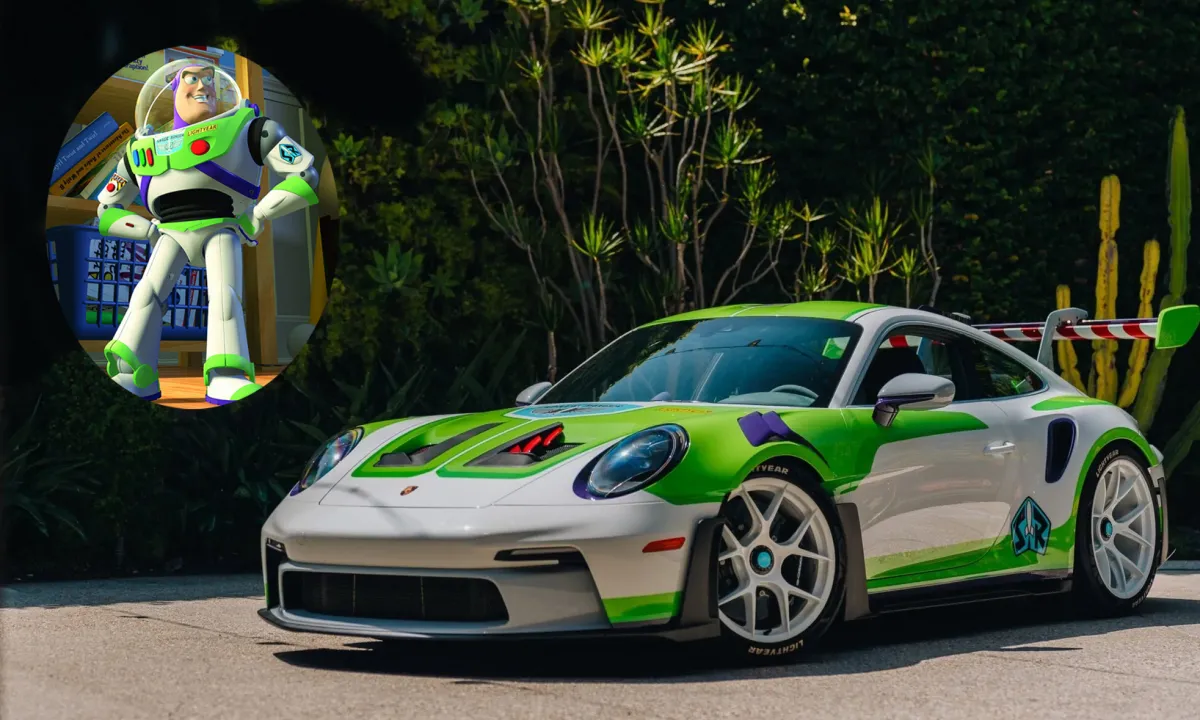 Bộ ba Porsche 911 lấy cảm hứng từ phim hoạt hình 'Toy Story'
Ba chiếc 911 GT3 RS Buzz Lightyear, Carrera T Woody và Targa Jessie có những đặc điểm riêng của từng nhân vật.
-
 Người phụ nữ lao đầu vào ôtô để nhặt quả xoài rụng
Từ vỉa hè nhà ven đường, người phụ nữ chạy chéo góc ra đường, đua tốc độ cùng ôtô, hôm 14/6 trên đường Đỗ Nhuận.
-
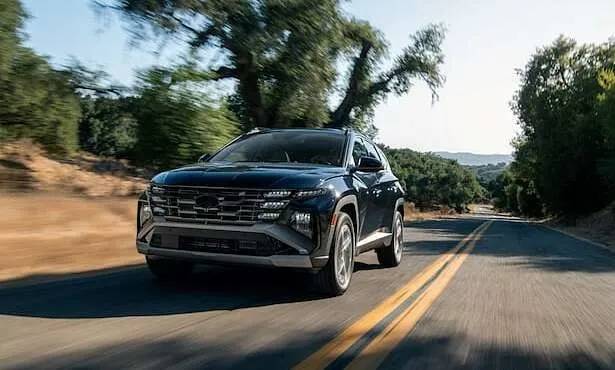 Hyundai nhăm nhe vượt Ford tại Mỹ nhờ xe hybrid
Doanh số xe hybrid tăng mạnh giúp tập đoàn Hàn Quốc nâng thị phần lên 11,8%, thu hẹp khoảng cách với hãng xe Mỹ đứng thứ ba thị trường.
-
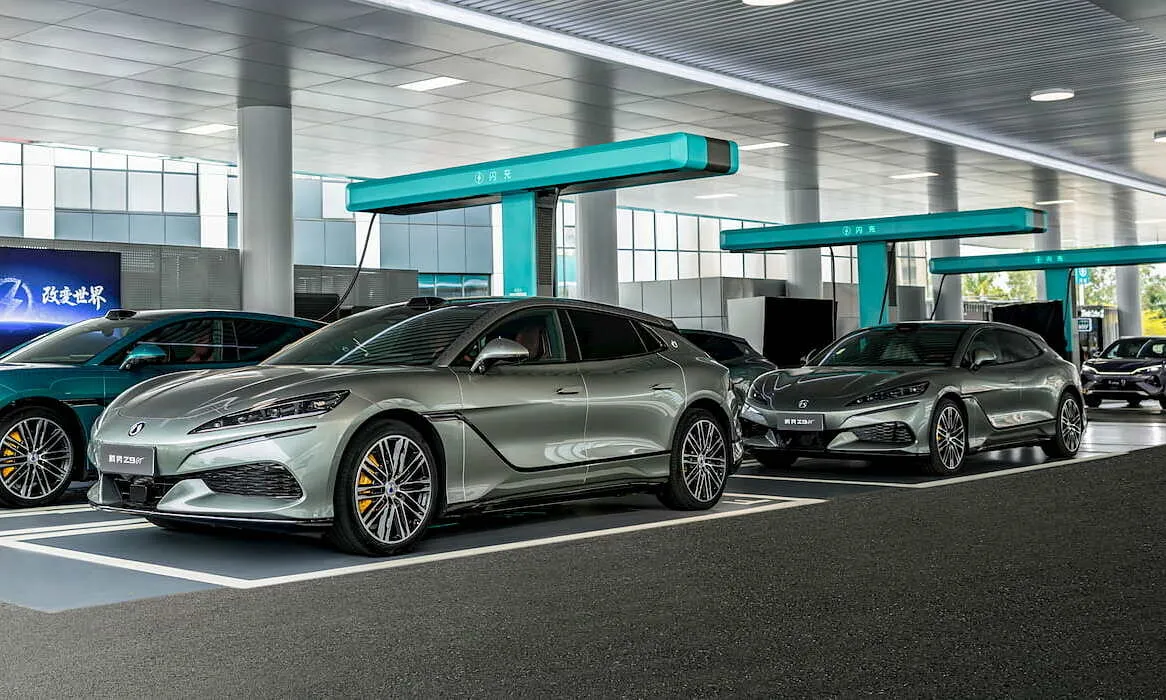 BYD đưa trạm sạc xe điện 5 phút đầu tiên ra nước ngoài
BYD triển khai trạm sạc 1.500 kW đầu tiên tại Anh và châu Âu, cho phép xe tương thích sạc từ 10-70% pin trong 5 phút.
-
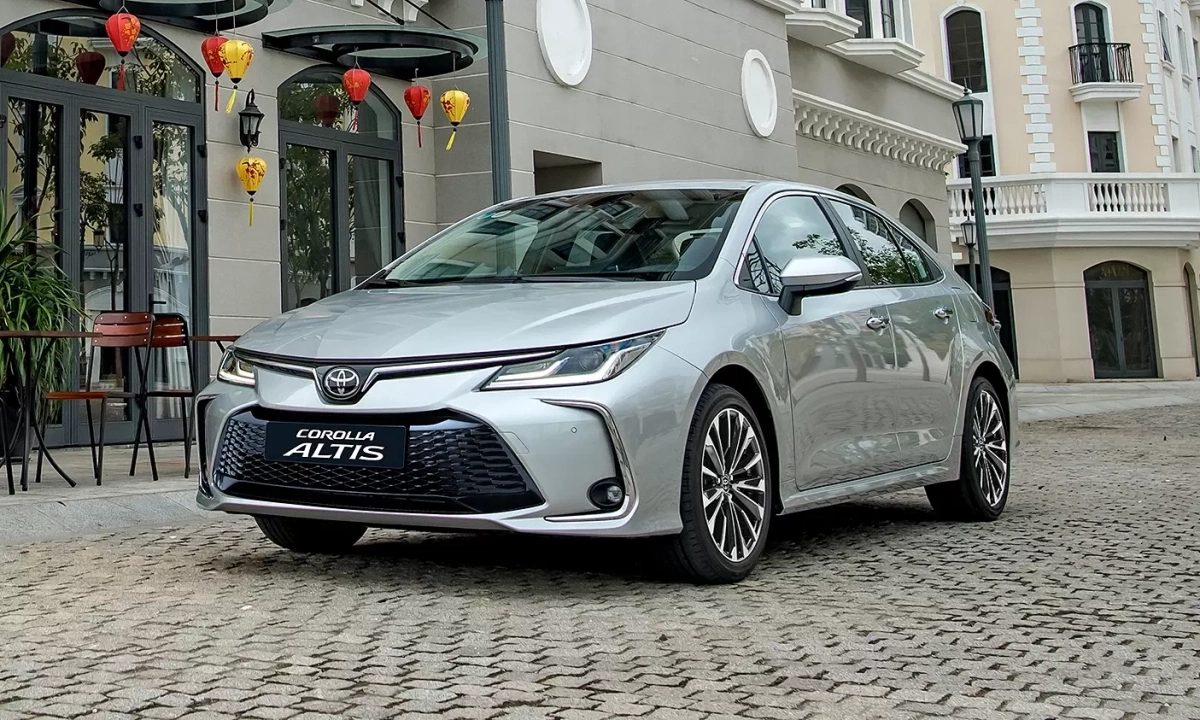 Toyota Altis ngừng bán tại Việt Nam
Tháng 5, doanh số Altis ghi nhận bằng 0, các đại lý nói xe đã khai tử và không nhận đặt hàng mới của khách.
-
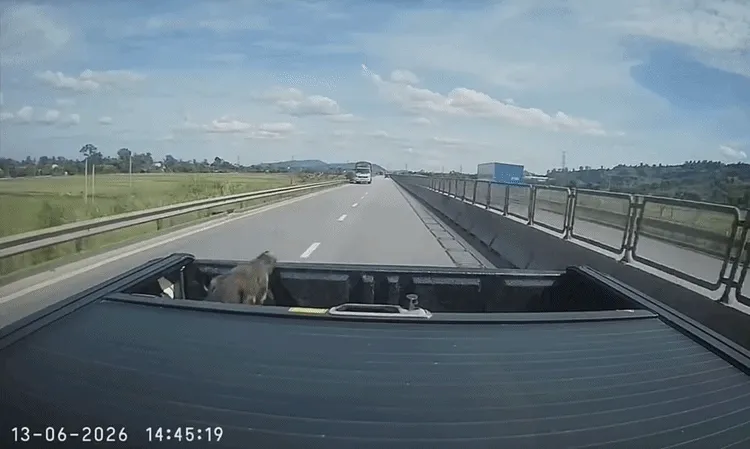 'Con lợn nhảy khỏi thùng xe bán tải trên cao tốc: mối nguy sau chuyện khôi hài'
Tình huống có thể làm nhiều người phì cười, nhưng đó là khi may mắn phía sau không có xe nào đi tới và gây ra tai nạn.


