By Hannah Ellis-Petersen in Delhi • June 15, 2026 • World news
Relations at lowest ebb in years after Washington refuses to apologise for deaths in strait of Hormuz
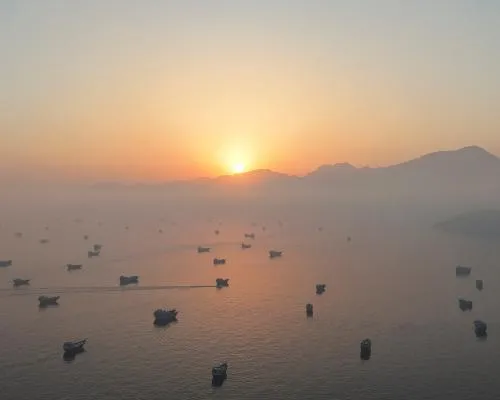
Fury has continued to mount in India over the US’s refusal to apologise for the deaths of Indian sailors killed in strikes in the strait of Hormuz, further straining relations between the two countries as their leaders meet at the G7 summit in France this week. Last week, three Indian seafarers, who were working on board commercial oil tankers, were killed when the US launched missile strikes on the vessel as it sailed through the strait of Hormuz. The deaths were the first since the US military began in April its blockade of the strait in an attempt to squeeze Iran’s economy and push its government towards a peace deal. However, the seemingly blase response from the US government to the killing of the sailors has been the cause of great consternation in India. Headlines over the weekend simply read: “No apology from Washington.” The initial US government statement initially did not even make any mention of the deaths, instead just confirming that its forces had carried out a strike on a vessel in the strait that was allegedly in violation of sanctions, and which had been “uncooperative”. The Indian government first condemned the strikes with “strong protest” and summoned a senior US diplomat to convey that the strikes must stop. But as pressure over the attack continued to build in Delhi, India’s foreign minister, Subrahmanyam Jaishankar, spoke directly to the US secretary of state, Marco Rubio, sending a signal that India would not simply let the matter slide. “Such lethal actions against commercial shipping are not justified,” said Jaishankar’s statement. However, Rubio appeared unrepentant as he doubled down on the US’s justification while refusing to offer any kind of condolence. “Violations of the US blockade and the illicit transport of Iranian oil will not be tolerated,” said the state department readout. The terse exchange is likely to put more pressure on the relationship between Delhi and Washington, which were once seen as robust and thriving but have become increasingly more complex and strained in recent months due to economic and political tensions. Modi has already flown to France to attend this week’s G7 summit, where he is expected to meet the US president, Donald Trump, on the sidelines. Many expect that the deaths of Indian citizens will feature prominently in their discussion. Back home, the political pressure has been mounting for Modi to publicly raise his objections. The families of the three sailors who died came out publicly demanding answers for how the men had become collateral damage in the conflict and calling for their remains to be brought back. “I have only one demand: that my son’s remains be brought back,” said Rajesh Sharma, the father of 23-year-old Aditya Sharma, who was one of the sailors killed. “I want to know what happened in his last moments. Was he given any rescue assistance? What circumstances led to the deaths of three crew members from our country?” On Sunday, India’s leader of the opposition, Rahul Gandhi, accused the prime minister of being “silent” over the killing of innocent Indian citizens who were simply doing their jobs, and of kowtowing to the US government. “Foreign powers kill our citizens. Our government quietly obeys orders like an obedient servant and our citizens are left to rot,” said Gandhi. The attacks have also further fuelled anti-US sentiment in India, which is already rife due to the disregard with which the Trump administration is seen to treat India, while claiming it is a strategic ally. India bore the heaviest brunt of Trump’s tariffs, causing economic devastation, and analysts have described a widening “trust deficit” between the two countries, especially as Trump has drawn closer to Pakistan. A recent visit to Delhi by Rubio was seen to do little to help restore relations. While Trump and Modi have in the past had a jovial relationship, they will be meeting at the G7 with relations at their lowest ebb in years. Shashi Tharoor, an opposition MP and chair of India’s parliamentary committee for external affairs, described Rubio’s statement in response to the strike as “deeply shocking”. “How can a ‘friend’ and strategic partner be so deeply insensitive?” questioned Tharoor. “Practically every merchant ship navigating these crucial waters has Indian crew on board. Are they all considered fair game for US missiles now?” The US foreign policy analyst Derek J Grossman was also damning in his analysis of Rubio’s response. “Rubio’s words were very tone deaf and will further inflame anti-US sentiment,” he said. “He didn’t even express condolences for India’s loss of life. Some ‘friend’ Trump’s America is to India.”
Source: The Guardian

Guardian News World
162 posts
-
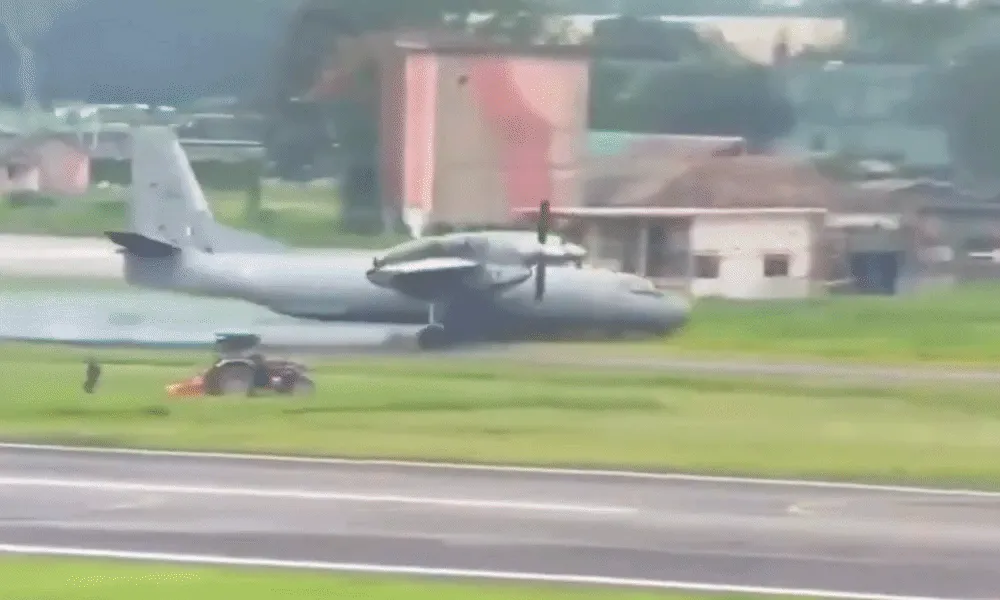 Khoảnh khắc máy bay Ấn Độ chúi mũi xuống bãi cỏ, bốc cháy
Vận tải cơ An-32 Ấn Độ trượt khỏi đường băng tại Assam, lao ra bãi cỏ rồi bốc cháy khiến 5 quân nhân thiệt mạng.
-
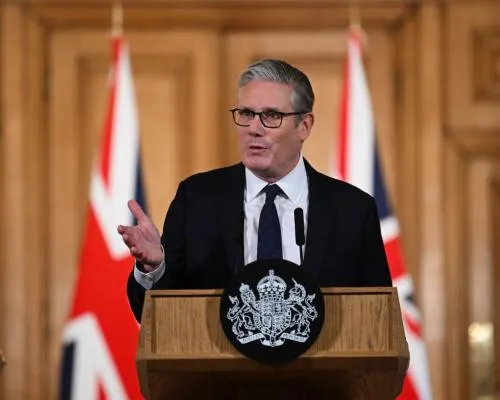 Social media firms hit back as Starmer announces ban for under-16s in UK
Meta, YouTube and Snapchat say ban, which would stop children using their platforms, will drive them to ‘less safe services’
-
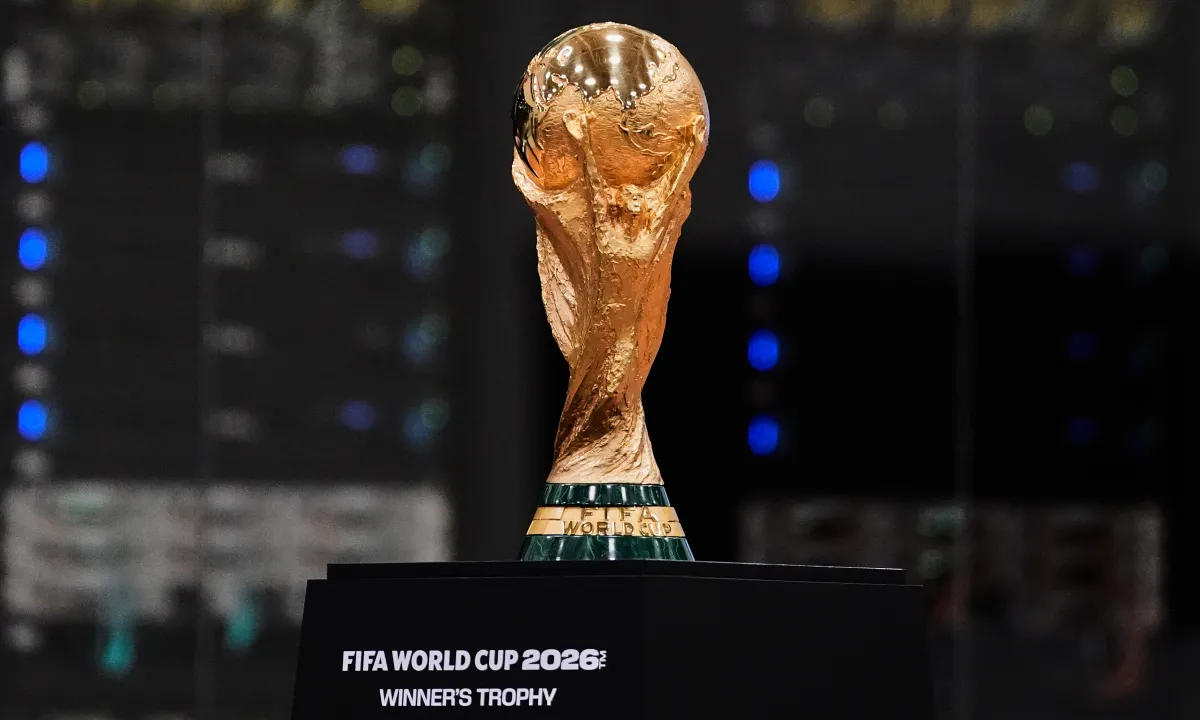 Giá trị cúp World Cup tăng vọt trong cơn sốt vàng thế giới
Giá trị lượng vàng đúc ra chiếc cúp vô địch World Cup hiện nay đã tăng vọt 30 lần so với thời điểm mẫu thiết kế ra mắt năm 1974.
-
 Máy bay quân sự Pakistan lao xuống đất, suýt trúng người đi đường
Video mới công bố cho thấy máy bay huấn luyện của không quân Pakistan lao xuống đường, tạo ra tường lửa bao trùm một số người đi xe máy.
-
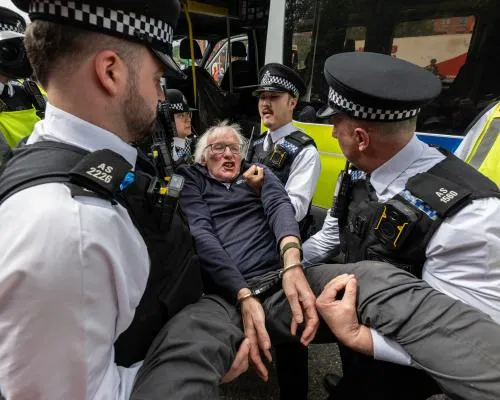 Ban on Palestine Action was lawful, court of appeal rules
Judges overturn decision of high court that government proscription of group under Terrorism Act was wrong
-
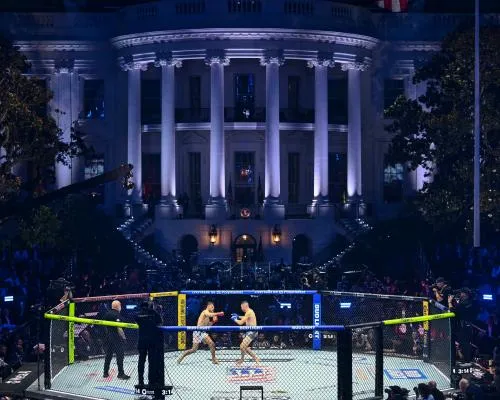 Donald Trump’s UFC fights at White House marred by smear aimed at Michelle Obama – US politics live
President’s UFC fights held on the White House lawn overshadowed by chants about former first lady
-
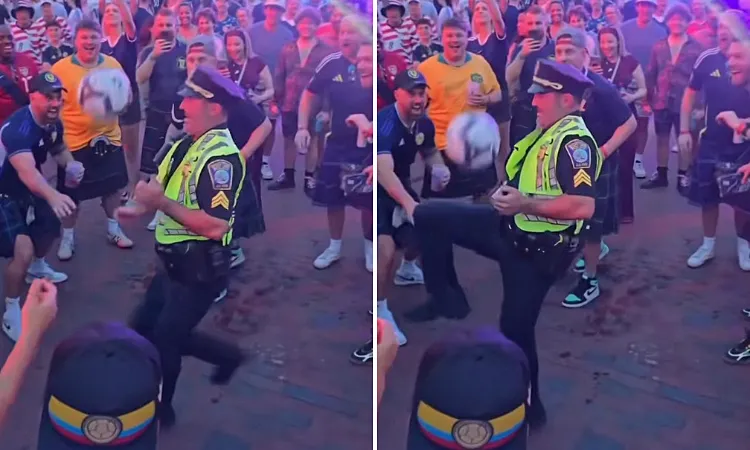 Khoảnh khắc cảnh sát tâng bóng cùng fan World Cup gây sốt
Một sĩ quan ở Boston gây sốt với màn tâng bóng ngẫu hứng giữa đám đông CĐV, nói rằng World Cup là dịp đến cảnh sát cũng hòa mình với người hâm mộ.
-
 UK under-16s social media ban: which apps will be blocked and how will it work?
After PM announces ‘Australia plus’ plan, we look at how it is likely to be enforced – and potential problems ahead
-
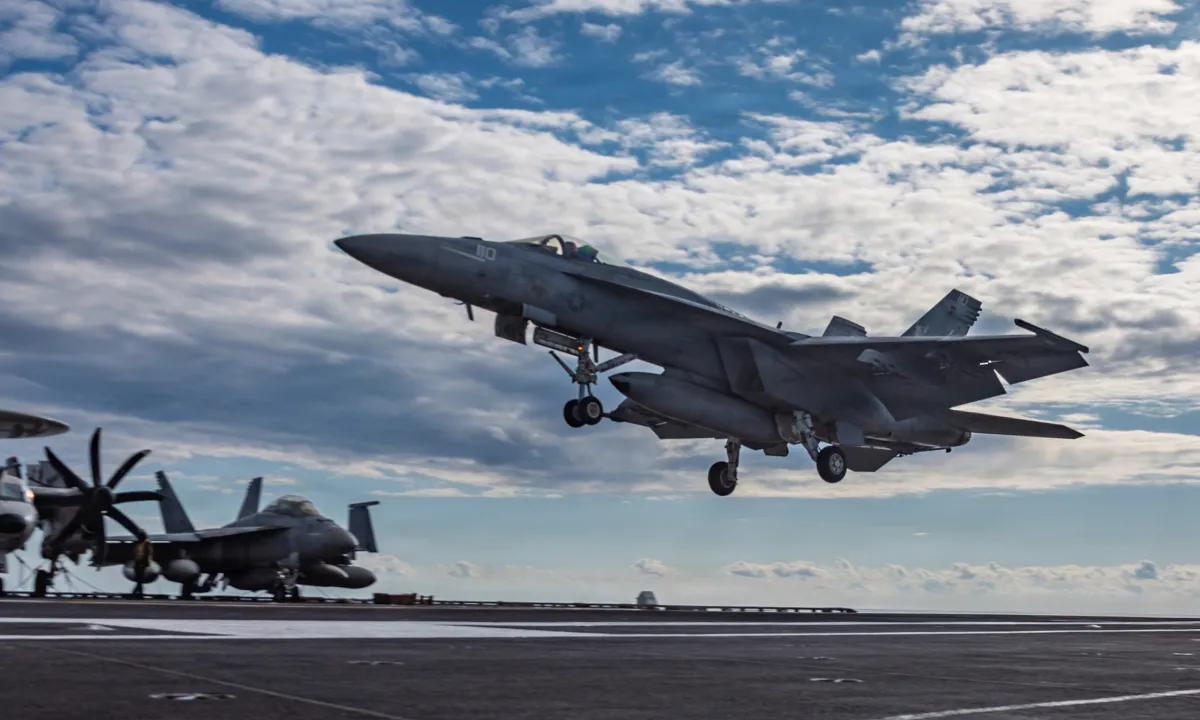 Ông Trump nêu kịch bản thu phí bảo vệ của Trung Đông
Ông Trump nêu ý tưởng Mỹ làm bên bảo hộ Trung Đông để đổi lấy 20% doanh thu của khu vực nếu Iran không đạt thỏa thuận hạt nhân.
-
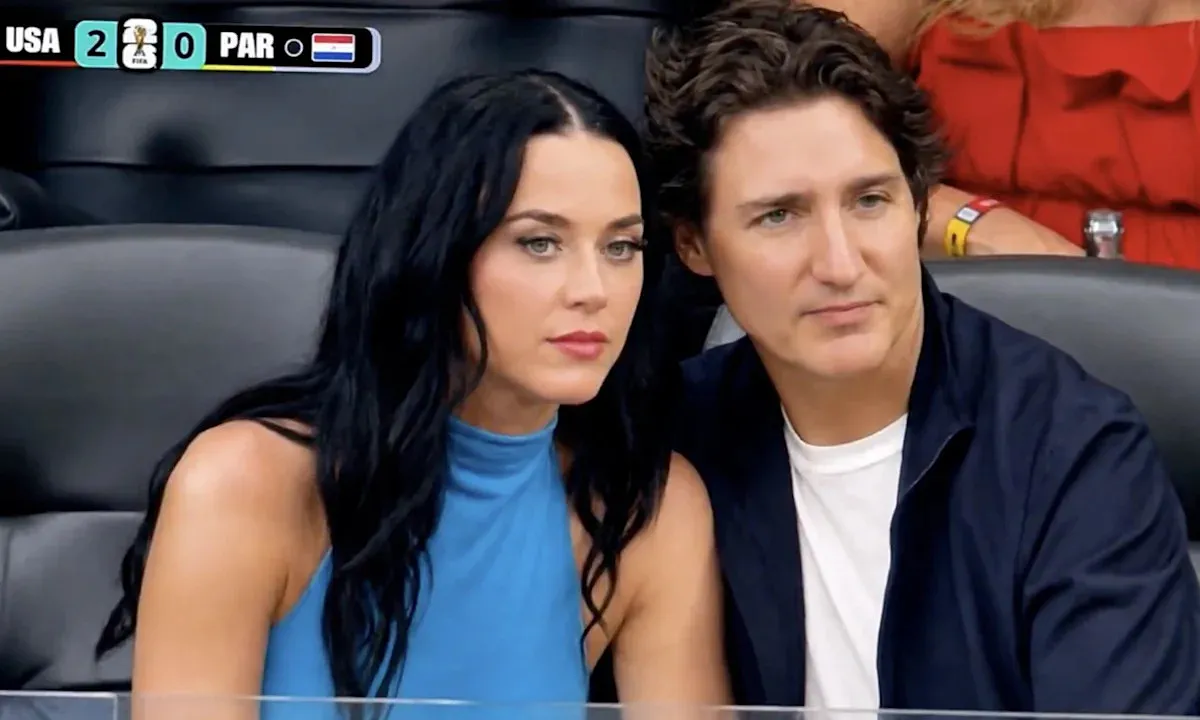 Ông Trudeau bỏ xem trận ra quân của Canada để cổ vũ Katy Perry
Cựu thủ tướng Trudeau bỏ qua trận ra quân của Canada tại World Cup để đến xem bạn gái Katy Perry biểu diễn trước trận đấu của tuyển Mỹ.


