Origins and Production of Baijiu
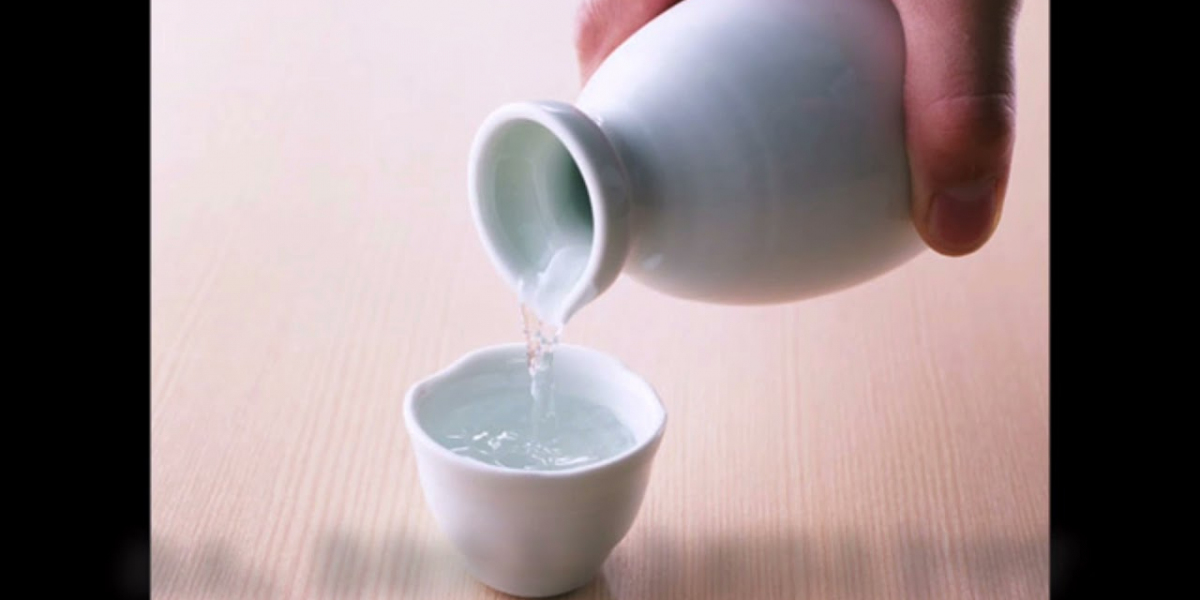
Baijiu is a staple part of Chinese culture that has been consumed for over 1700 years. With origins tracing back to the Eastern Han Dynasty in 25–220 AD, Baijiu is made from sorghum, rice or other cereals through a natural fermentation and distillation process. This unique production method using solid-state fermentation is what gives Baijiu its characteristic strong aroma and high alcohol content ranging between 38-60%. Baijiu is produced across China but the main production regions include Sichuan, Guangxi, Hubei and Guizhou provinces where the climate and terroir are well-suited.
Popular Styles of Baijiu
There are several popular regional styles of Baijiu that vary in flavor profile depending on the choice of grains and production methods. Some notable varieties include Maotai from Guizhou province which is often called "China's best" and enjoys the highest prices. Made using fine wheat and sorghum through aging, Maotai has an aroma and taste of orchids. Another well-known style is Wuliangye, also from Yibin in Sichuan which has a sweet and mellow flavor from yellow rice. Ganbei jiu from Shanxi province made with sorghum has a robust taste with hints of nuts.
Growing Domestic Consumption
Within China, Baijiu enjoys enormous popularity as a staple of social drinking culture. Events and banquets are often accompanied by ceremonial Baijiu toasts known as "Ganbei". Chinese consumers drink over 13 billion litres annually accounting for around 70% of the total spirits market in the country. Younger drinkers are also being exposed to premium varieties sparking new demand. E-commerce platforms and improved distribution have made quality Baijiu more accessible nationwide driving consistent volume growth. Leading brands are investing heavily in branding, packaging and advertising to capture this growing domestic market.
Expanding Global Footprint
In global markets, Baijiu exports have risen sharply in recent years as China encourages international promotion. Exports grew over 30% annually between 2015-2019 reaching $1.9 billion. This was aided by trade deals lowering tariffs and cultivating demand. Countries with large overseas Chinese populations like United States, Australia, Canada and Singapore offer big opportunities. Non-Chinese drinkers are also being exposed through trendy bars, touristed areas and luxury brand narratives of heritage. Baijiu makers are partnering with importers, distributors and e-retailers improve availability in new regions. They are also diversifying beyond Asian restaurants into liquor and grocery stores. These initiatives hope to move Baijiu from niche to mainstream and establish it as a major exported category competing with whiskey, vodka and rum globally over the long term.
Shaping Perceptions Abroad
A key remaining challenge is reforming perceptions of Baijiu outside of its origins. Foreign audiences often view it as something unfamiliar and strictly medicinal or exotic rather than premium drinks to be savored. Baijiu companies are seeking to address this through cultural exchange programs, beverage education initiatives and recipe development with mixologists. They are emphasizing Baijiu as a legacy craft spirit produced through natural rather than industrialized means. Highlighting its historically significant role as part of Chinese banquet culture and social fabric aims to broaden appeal. Collaborations with top restaurants, mixers and influencers further elevate Baijiu to mix well with diverse cuisines and cocktails. By reframing global understanding, the goal is for Baijiu to find consistent acceptance internationally matching its stature within China.
After centuries of production, Baijiu is experiencing a renaissance globally backed by deep-pocketed state-owned brands. Its prodigious domestic market combined with enthusiastic government export policies suggest significant room for growth remains abroad. Developed Western nations still offer relatively untapped potential if perceptions continue evolving positively. Rising Asian economies with affinity for Chinese drinking culture seem natural future strongholds too. Overall, Baijiu stands well-positioned to further cement its place on world liquor shelves even as premiumization trends continue. Maintaining momentum will rely on ongoing innovation and cultural diplomacy to truly internationalize what remains a national drink for China.
Get more insights on, Baijiu
About Author:
Priya Pandey is a dynamic and passionate editor with over three years of expertise in content editing and proofreading. Holding a bachelor's degree in biotechnology, Priya has a knack for making the content engaging. Her diverse portfolio includes editing documents across different industries, including food and beverages, information and technology, healthcare, chemical and materials, etc. Priya's meticulous attention to detail and commitment to excellence make her an invaluable asset in the world of content creation and refinement. (LinkedIn- https://www.linkedin.com/in/priya-pandey-8417a8173/)

Prachi CMI
83 posts
-
 Elegant House Warming Invitation Video Templates for Memorable Griha Pravesh Celebrations
A new home is a dream come true for every family.
-
 Brand Identity and Tenant Experience: Cultivating Loyalty at Elan Empire Gurgaon
Securing high occupancy in a premium high-street asset is only half the battle. For long-term viability, property management and individual investors must shift their focus to building tenant loyalty and creating a distinctive brand identity.
-
 Master Review: Evaluating Godrej Nature Plus, Sector 33, Gurgaon
The layout uses a smart structural pattern where towers are angled away from each other. This creates a staggered footprint that gives corner apartments clear, unblocked views of the Aravalli foothills while ensuring optimal morning and afternoon sunlight. Inside the towers, the floor plan
-
 Creative Baby Shower Invitation Video Templates for Special Celebrations
These templates are easy to customize with names, event dates, venue details, photos, and personal messages. Whether you want a cute pink theme, a royal blue design, floral decorations, or animated baby elements, MyVideoInvites offers a wide variety of styles for every celebration.
-
 Anthracite Market Opportunities Emerging from Energy Production Needs
The Asia‑Pacific anthracite market is driven by rapid industrialization, robust steel production capacity, and expanding energy demand.
-
 Mastering the Metropolitan Maze The Ultimate Legal Shield for Capital Motorists
Mastering the Metropolitan Maze The Ultimate Legal Shield for Capital Motorists
-
 Permanent Makeup in Delhi – Wake Up Beautiful Every Day
Permanent Makeup in Delhi – Wake Up Beautiful Every Day
-
 1st Birthday Invitation Video Maker with Music and Photos
Creating a birthday invitation video online is simple and convenient with myvideoinvites. The platform offers ready made templates and easy editing tools that allow users to create professional looking invitations without technical experience.
-
 The Architecture of Victory: Why the 2026 Border Demands Elite Representation
The Architecture of Victory: Why the 2026 Border Demands Elite Representation
-
 The Apex of Traffic Offenses: Defending Against the Severity of a Dangerous Driving Charge
The Apex of Traffic Offenses: Defending Against the Severity of a Dangerous Driving Charge
-
Portugal Golden Visa: Complete Guide 2026 Benefits
Among the many options available, the Portugal Golden Visa has become one of the most attractive residency-by-investment programs.