South Koreans revel in ‘World Cup brunch’ as time difference sees beers swapped for breakfast

By Raphael Rashid in Seoul • June 13, 2026 • World news
Crowds gather around big screen in Seoul with commuters and schoolchildren alike ditching their daily routine to back the Red Devils
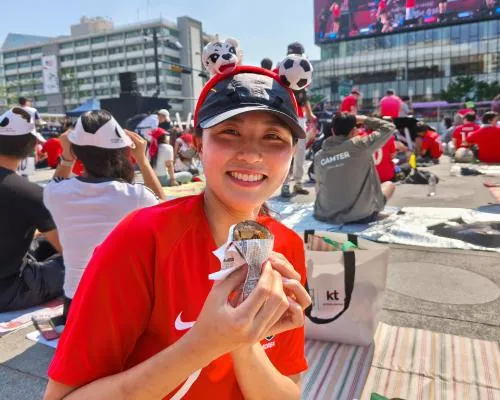
By 9am on Friday, the morning commute in central Seoul looked different. The usual tide of suits and briefcases was broken by a sea of red shirts and red scarves, worn by thousands who had come out to cheer on the national team. Scattered around, people clutched coffees, bottled teas, and pastries. Families had mats spread for a picnic. Nobody looked as if they were thinking about work. Kim Bomi had taken the day off to be here. She was munching on a tuna gimbap – a Korean rice roll – and had been up since 7am. “It feels like the first time experiencing it like this. We always used to do this at night,” she said. Welcome to the brunch World Cup. South Korea’s first match of the tournament, against the Czech Republic/Czechia, with an 11am kick-off, upended one of the country’s great sporting rituals. During previous World Cups, watching the national team meant boozy late nights with beer and soju bottles filling the table. This time, with the tournament hosted in North America and a 15-hour time difference to contend with, the games fall in the middle of the working morning. Around Kim, the mood was celebratory but sober. “Not many people seem to be drinking,” she said. Korean media has taken to calling it the “brunch World Cup” – less about eggs and avocado toast, more about the simple fact that kick-offs fall between breakfast and lunch. The square drew families and citizens of all ages. The K-pop group Cortis warmed up the crowd from an elevated stage under a punishing early summer sun. Noh Min-ho had taken annual leave. His 12-year-old son Yu-chan had the day signed off from school for the purpose of “experiential learning”. The night before they had driven up from Cheongju, a city 90 minutes south of Seoul, slept nearby, then set off for the square at 6.30am. “I have the memories of that heat, the cheering, the happiness,” Noh said. “My son has never done street cheering, so I wanted to share that experience with him.” Noh is part of the generation that watched it all unfold. In 2002, co-hosting with Japan, South Korea knocked out Portugal, Italy and Spain to reach the semi-finals – the first Asian team ever to do so. An estimated 20 million people, roughly 43% of the population, poured into the streets. Gwanghwamun and the nearby Seoul plaza were at the centre of it. The supporters call themselves the Red Devils (붉은악마). The name has its own Mexico connection: it is said to derive from the 1983 World Youth Championship where South Korea’s under-20 side reached the semi-finals and press reportedly called them red-shirted demons. Their chant – Dae-han-min-guk, five claps, repeat – is the heartbeat of every Korean football crowd. For Han Donghee, who works at an education company in Seoul, the time difference was a blessing. Street cheering had always fallen too late for him. This was his first time. “I thought the energy would be lower given that it’s morning,” he said, “but I think it is better this way, not many drunk people, everyone just here for the same thing.” Not everyone was honouring the sober premise. Kim Min-ji had been up since 5am and caught the first subway from Incheon with friends Seong Jung-hun and Seo Yeong-shin. By the time the K-pop performance was over, the group was already working through fried chicken, pizza, cup noodles and beer. Fried chicken “is supposed to be for the night”, Kim said cheerfully, gesturing at the spread. “But it’s 10am, so what can you do?” “Fried chicken is our soul food,” added Yeong-shin. Across the country, companies scrambled to accommodate fans who could not slip away for the day. Conference rooms were turned into viewing spaces, lunch sets handed out, red dress codes encouraged. Restaurants and sports bars that would normally open in the afternoon unlocked their doors before 10am, switching out their evening menus for breakfast sets. Some were fully booked out before kick-off. South Korea won 2 – 1 against Czechia. For Han Donghee, the street cheering tradition was better than watching alone from home. “I think it’s like another stadium. We can share our emotions.”
Source: The Guardian
Guardian News World
126 posts
-
 Ugly scenes in Belfast expose a broken politics
Letters: Readers respond to nights of rioting in the city fuelled by anti-migrant rhetoric
-
 Helen Mirren and six Lionesses receive honours for King Charles’s birthday
Footballers, charity founders, actors and musicians among those celebrated for service to Britain
-
 Trump officials cut federal funds to LA homeless services agency
Housing and urban development department alleges fraud in administration’s latest clash with California
-
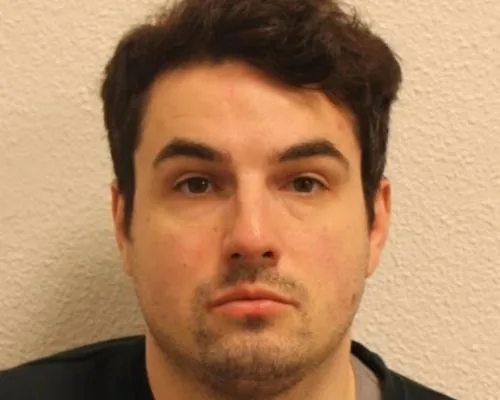 Fraudster jailed after scamming London renters out of £77,000
Frederic Priestley, 32, falsely advertised property he did not own for rent on Facebook, obtaining payments and deposits
-
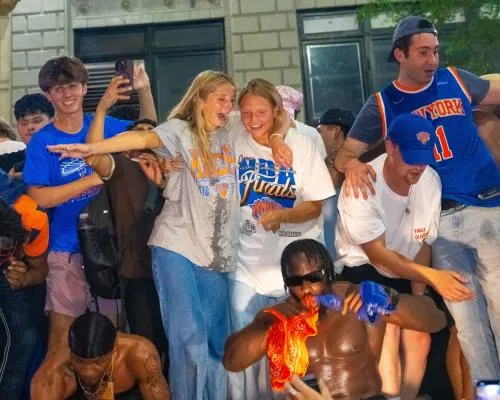 ‘Go Knicks!’: from Wu-Tang to Trump, New York is gripped by basketball fever
City has become caught up in the drama as team stands on brink of a first NBA championship in 53 years
-
 Canada police investigate whether Toronto police death linked to global terror attacks
Constable Marc Pinizzotto, 43, was killed while executing search warrants related to a shooting at US consulate
-
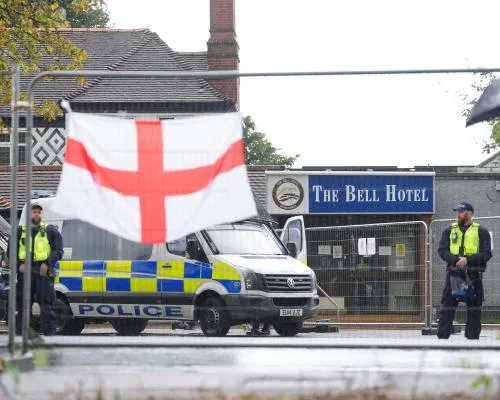 Asylum seekers removed from Essex hotel targeted by far right as Home Office ends contract
Bell hotel in Epping was scene of violent protests after asylum seeker living there sexually assaulted girl and woman
-
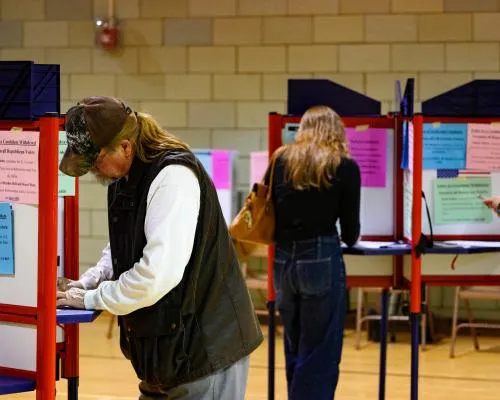 FBI raid at office of Ohio voting rights group raises concerns of crack downs before midterm elections
Agents seized phones and laptops of Ohio Organizing Collaborative, a group that does voter registration work
-
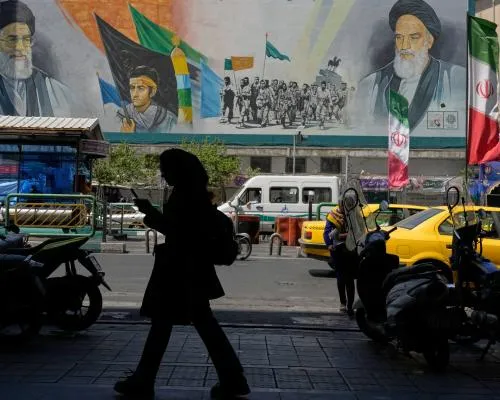 US-Iran peace deal remains elusive as Trump and Tehran trade conflicting claims
US president dismisses Iranian media reports agreement is close, despite earlier suggesting a deal could be signed this weekend
-
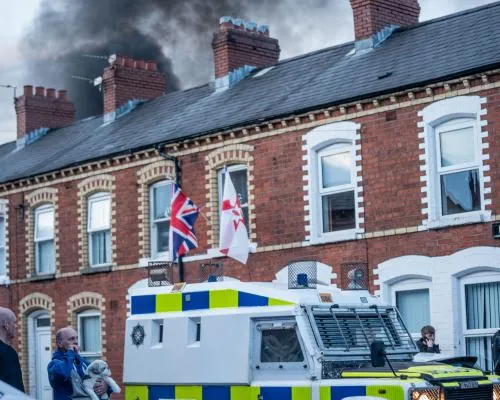 Belfast riots trigger renewed scrutiny over loyalist paramilitary influence
The violent disturbances in Northern Ireland occurred in a nationalist area yet played out against a backdrop of union jack flags


