By Jessica Murray Social affairs correspondent • June 18, 2026 • UK news
Vulnerable adults suffered broken bones and severe neglect in Northern Irish hospital at centre of police investigation
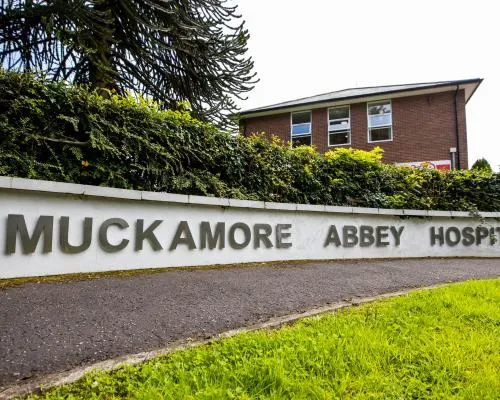
An inquiry into the abuse of vulnerable adults at Muckamore Abbey hospital in Northern Ireland has found “mistreatment became a normality” and patients suffered black eyes, broken bones and severe neglect. The hospital is at the centre of the UK’s largest police investigation into the alleged abuse of vulnerable adults, with 124 people having been referred by police for prosecution. Chaired by Tom Kark KC, the inquiry found that as well as physical abuse, residents were subjected to “neglect, poor care and a wider diminution of their rights” and that many “had their lives made miserable by systematic bullying by certain members of staff”. Kark said he heard evidence of patients receiving black eyes and broken bones, not being washed, with faeces under their fingernails or on their clothes, and becoming obese or losing weight dramatically owing to a lack of care over diet. Other patients were over-medicated and described as being “zombified”. The inquiry made 106 recommendations in response to the “profound catalogue of failures” at the hospital, including “eliminating the use of medication to subdue individuals” and ensuring families are more closely involved in care planning and decision making. Starting in 2022, the inquiry heard oral evidence from 181 witnesses and received 333 statements. Investigators looked through more than 300,000 hours of CCTV footage from the hospital. The inquiry’s main findings include: The escalation of violence between patients and the increased use of seclusion of patients from 2011 onwards was a warning sign and precursor to the mistreatment of patients by staff. There were chronic shortages of staff that meant some essential care was not given and patients’ ability to cope with daily living diminished. A policy shift, beginning in 2001, to move all patients with learning disabilities and autism from hospital into community-based care was beset with failure and led to heightened distress and many readmissions. A lack of activities for patients often led to “frustration, boredom and dysregulated behaviour” and Muckamore became “more functional and less homely” as time went on. There was a “closed culture” among staff that discouraged reporting of bad behaviour and many families said they were frightened to complain in case it affected the care their relatives received. The hospital, run by the Belfast health and social care trust in County Antrim, has cared for adults with severe learning disabilities and mental health needs, many of them non-verbal, since 1949. Allegations of abuse first emerged in 2017. Claire McKeegan, a solicitor representing several families whose relatives stayed at the hospital, said the inquiry findings confirmed the abuse was “on a staggering scale”. “For years these families were told they were exaggerating, or they were simply not listened to at all,” she said. “Today the inquiry has confirmed what they always knew – that their loved ones were abused on a staggering scale, that the failure was systemic, that the warning signs were there to be seen and that those with the power to stop it did not.” She said those who were responsible “must now be held to account” and survivors and families given redress. The 700-page report said patients as young as six were admitted to the hospital, resettlement of patients often failed and some people lived almost their whole lives there. Kark found that the regulator “spotted several issues at the hospital but never spotted that the abuse of patients was taking place”. He said: “The lessons from Muckamore Abbey hospital are stark. This cannot be allowed to happen again. There should be no delay, no dilution and no side-stepping in the delivery of the recommendations.” Jon Sparkes, the chief executive of the learning disability charity Mencap, said it was a “significant moment for people with a learning disability, their families and everyone affected by the events at Muckamore Abbey hospital”. “The true legacy of this inquiry will not be measured by the publication of a report but by the actions that follow,” he said. “People’s experiences inside Muckamore must never be forgotten and the harms they experienced must never be repeated.” Stuart Elborn, the chair of the Belfast health and social care trust, called the report “deeply distressing” and apologised to all patients and families who were harmed. “We failed them on many levels and over many years. We take full responsibility for these failures,” he said. “Leadership, culture and governance failed. Together they did not prevent harm, did not detect it when it occurred and did not ensure concerns were escalated.” Elborn said a new leadership team was in place and sought to rebuild trust by implementing the recommendations and creating a culture that immediately responded to concerns. Relatives of former patients said the report was harrowing but a vindication of their efforts to expose the abuse. Jennifer Dawson, whose brother Matthew McPeake, was at the facility for 17 years, said it was a traumatic but monumental day. Glynn Brown said managers had assured him that an assault on his non-verbal son was a one-off incident. “I didn’t believe the stories, I couldn’t get a straight answer on any question that I put to them, so I told them straight: ‘I’m going to the police, you better keep the footage’,” he told a press conference. “There was red flags everywhere, but everybody was wearing blinkers, nobody wanted to see. There’s nobody as blind as those that don’t want to see.”
Source: The Guardian

Uk News Feed
132 posts
-
 Social media ban: saving kids or punishing them?
Letters: Dr Rory Conn says the ban is long overdue to protect children from harm, but 16-year-old Clara O‘Grady says social media is not an isolated section of teenagers’ lives that can easily be removed. Plus letters from Dr Peter Jarrett and Tony Side
-
 California ‘billionaire tax’ makes ballot despite opposition from tech moguls
Wealth tax criticized by billionaires and Gavin Newsom would levy a one-time 5% tax on residents worth over $1bn
-
 Việt - Nga nhất trí thúc đẩy đàm phán xây dựng nhà máy điện hạt nhân
Thủ tướng Lê Minh Hưng và Tổng thống Vladimir Putin nhất trí thúc đẩy đàm phán, sớm triển khai xây dựng nhà máy điện hạt nhân Ninh Thuận 1.
-
 What did Ukraine target in Moscow and how significant was the drone attack?
Mass drone strike on capital brought the war to Russians, but Ukrainians will be braced for Kremlin’s response
-
 Trump administration quietly shifts $352m in federal funds for White House ballroom
Funds meant for Secret Service were transferred to project president promised would be financed by private donations
-
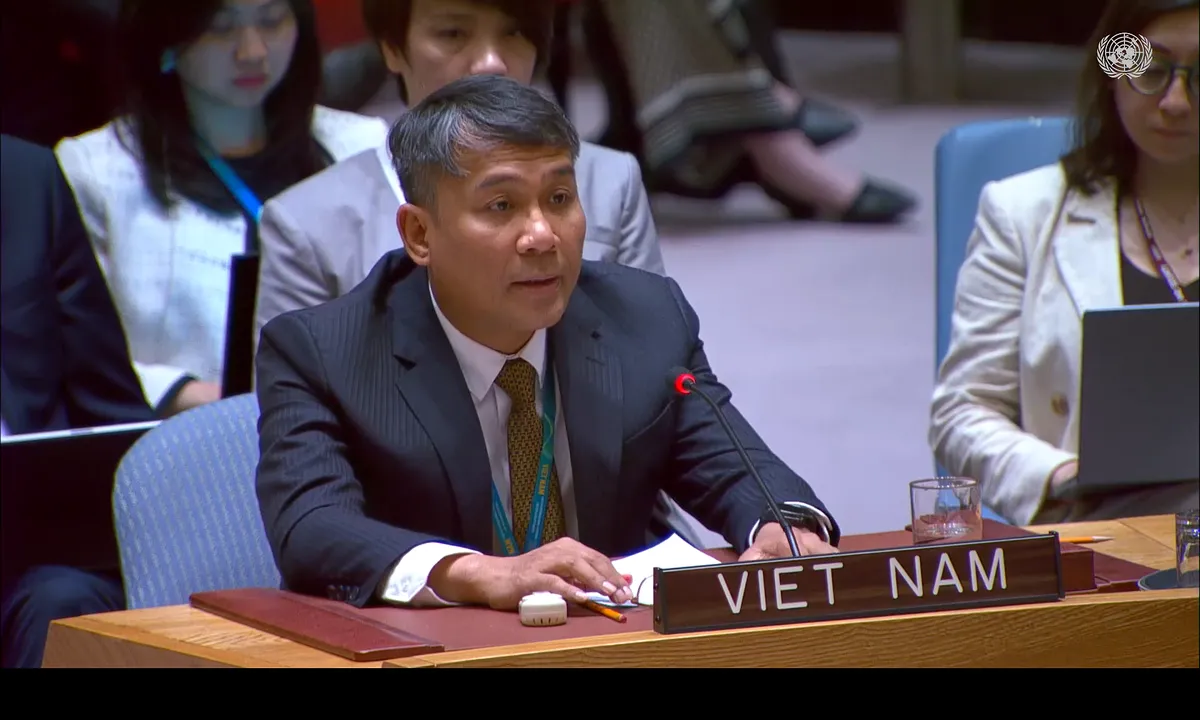 Việt Nam ủng hộ tăng cường vai trò phụ nữ trong xây dựng hòa bình bền vững
Việt Nam kêu gọi quốc tế thúc đẩy sự tham gia đầy đủ, bình đẳng của phụ nữ trong tiến trình hòa bình tại phiên thảo luận mở của Hội đồng Bảo an.
-
 Iran peace deal makes clear how far US has been forced to retreat since 2025
Plan is admission US could not achieve what it sought through war as red line after red line has been erased
-
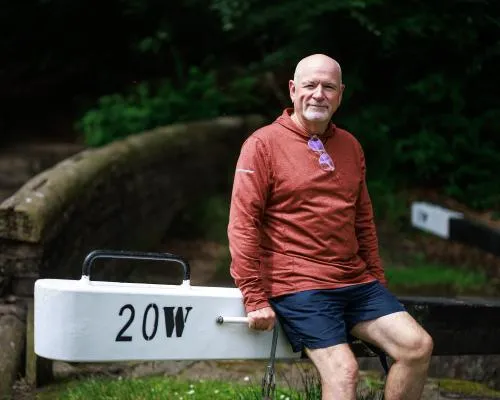 ‘I had sewage in my bath’: row erupts over lock on Huddersfield narrow canal
Boaters say low water levels cause them to run aground, while residents say the lock needs to be drained to prevent waste running into their properties
-
 Tropical Storm Arthur downgraded from cyclone as it makes landfall in Texas
Several inches of rain expected in south-eastern US as forecasters expect storm to cause life-threatening flooding
-
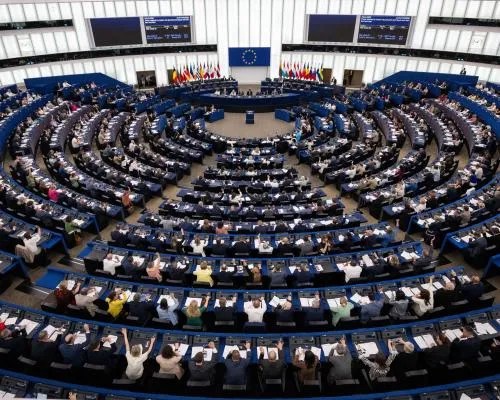 Anger at ‘send them back’ chants by rightwing MEPs after EU migration law vote
Other lawmakers respond with ‘shame on you’ in heated confrontation over passing of plan to increase deportations


