By Ben Quinn Political correspondent • June 18, 2026 • UK news
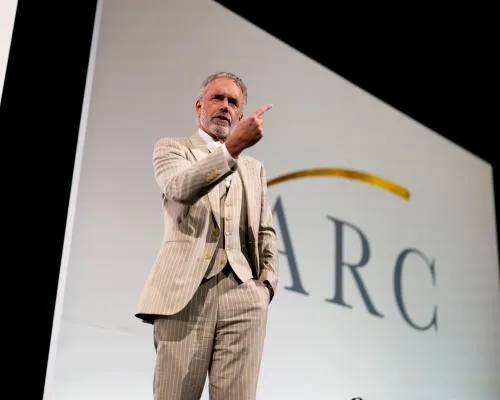
Exclusive: Event co-founded by Jordan Peterson will bring together global populist-right figures, US state officials and Eton teachers
The Reform UK MPs Sarah Pochin and Andrew Rosindell will be there. As will a plethora of Reform advisers, backroom staff and figures such as Ben Delo, a British crypto billionaire who has given £4m to Nigel Farage’s party. Yet as populist-right politicians from across the globe and their multimillionaire backers prepare for this year’s Alliance for Responsible Citizenship (Arc) – a rightwing London summit labelled an “anti-woke” Davos – others whose expected attendance has not been publicised potentially raises more questions. They include two leading figures from Eton college: Tom Arbuthnott, who is the elite school’s deputy head (partnerships), and Luke Martin, a theology master at the school. Martin was previously at odds with the school’s modernisation and resigned from a role in 2020 in protest at the dismissal of another teacher, taking issue with the promotion of a “so-called progressive ideology” at the school, which he likened to religious fundamentalism. He remains a teacher at Eton, where he is master of divinity. He will be among 4,000 people from more than 85 countries descending on London’s Olympia exhibition centre for three days of speeches and discussions hosted by Arc. Speakers will include Sarah B Rogers, the US undersecretary of state for public diplomacy and an official who has become the public face of the Trump administration’s growing hostility to European liberal democracies. She has attacked policies on hate speech and immigration by ostensible US allies, and promoted far-right parties. A number of other US government attendees – including a state department official involved in interference in UK abortion rights and the online safety debate – have also been identified in a joint investigation by the Guardian, Greenpeace’s Unearthed team and DeSmog. They include Samuel Samson, a US state department official who last year challenged Britain’s communications regulator over the impact on freedom of expression created by online safety laws. His meetings with Germany’s Alternative für Deutschland (AfD) marked the end of decades of a US policy of holding the country’s far right at arm’s length, while he reportedly discussed abortion and censorship privately with Farage. Also attending is Jon Morgan, a senior official in the office of JD Vance, the US vice-president. A strong US anti-abortion presence at the three-day summit also includes more than a dozen representatives of the Alliance Defending Freedom (ADF), the conservative legal advocacy group behind the overturning of Roe v Wade in the US, which is also ramping up its activities in Britain. Fresh from attending a summit in Russia, another expected Trump official at Arc is Rodney Mims Cook Jr, the chair of the US Commission of Fine Arts and overseer of the president’s controversial White House ballroom extension. Aside from politicians and activist groups, leading corporate entities are also present at this year’s Arc, which has grown since it was first established three years ago by figures including the rightwing Canadian psychotherapist Jordan Peterson and Philippa Stroud, a British Tory peer and former government adviser. Christian evangelical political thinking is one of the strongest guiding themes of the conference alongside hostility to net zero and climate scepticism. European far-right attendees include members of the AfD, Vlaams Belang from Belgium, Spain’s Vox, and the Netherlands’ Party for Freedom. While many of the politicians are from the populist right, the Conservative party leader, Kemi Badenoch, is once again one of the keynote speakers. Last year she appeared at the conference, where she vied with Farage to be the torchbearer for conservatism. At least 40 UK MPs are attending the event, while Reform attendees are expected to include the head of the party’s Christian fellowship and James Orr, a senior advisor to Farage and a member of Arc’s advisory board. Wealthy donors and sponsors, meanwhile, will ensure Arc continues to be as lavish as previous years thanks to support on a scale that puts other conservative events in the shade, including the “Great British-PAC” venture in July organised by Liz Truss, who was briefly prime minister in 2022. The conference’s main funders include Paul Marshall, a co-owner of GB News, and the Dubai-based investment fund Legatum. In the past, the conference has also received financial backing from a host of American fossil fuel interests and leading Trump donors. In his speech at the event last year, Marshall claimed countries were “being infected by an ideological zeal” that had led them to develop net zero plans and that economic prosperity was being sacrificed “for the sake of making some fractional changes to the level of CO2 in the atmosphere”. Corporate attendees this year will include Johnson & Johnson, Palantir, BP, Philip Morris International, Rio Tinto, Airbus, Sanofi, the US investment fund RedBird Capital and DP World, owned by the Dubai government. An Arc spokesperson said its role was to bring together leaders across business, culture, politics, and technology to discuss how to “recover civilisational foundations”. “When we launched in 2023, it was tantamount to heresy to challenge net zero – now everyone from Bill Gates and Tony Blair to leaders across the right have made the point that abundant, reliable, cheap energy is the base layer of modern civilisation. “At the same time, no one was talking about demographic decline as a major risk for the west, now it is firmly on the radar.” However MSI Reproductive Choices, which provides contraception and abortions to women in Britain and internationally, said the presence of US officials and other American activists at Arc raised serious concerns about attempts to import US-style culture-war politics into the UK. Tim Bale, a professor of politics at Queen Mary University of London, said: “The Arc gathering – and the fact that its attendees include politicians from both the outer fringes and the conventional parts of what it seems reasonable to call the rightwing international – is a symptom of the collapse of what used to be a heavily policed border between the far and the centre-right. “Mainstream conservatives seem to have given up on the idea that they can see off the insurgents on their flank, preferring that old adage, ‘If you can’t beat them join them’ – if not institutionally via formal pacts or mergers then ideologically.”
Source: The Guardian

Uk News Feed
133 posts
-
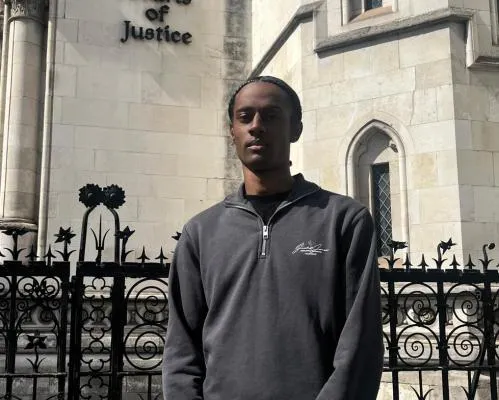 Teenager wrongly arrested wins race discrimination claim against the Met
Daryl McLune was 16 when he was held for 23 hours on suspicion of attempting to murder his mother after she tried to take her own life
-
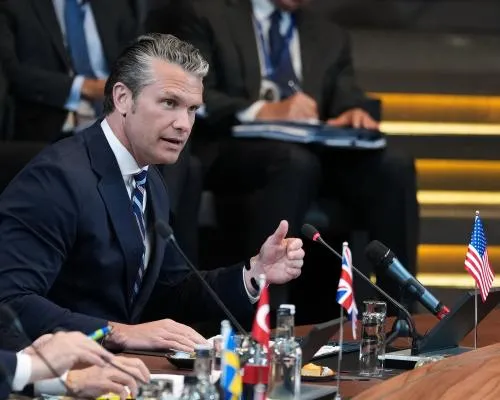 Pete Hegseth accuses Nato countries of ‘free riding’ in combative address
US defence secretary addresses allies in latest attempt to get Europe to raise military budgets
-
 Phi công Iran hé lộ chiến dịch 'vượt lưới Patriot, ném bom căn cứ Mỹ'
Phi công Iran phải bay cách mặt biển chưa tới 15 m để tránh radar khi tham gia chiến dịch tấn công căn cứ Mỹ tại Kuwait hồi tháng 3.
-
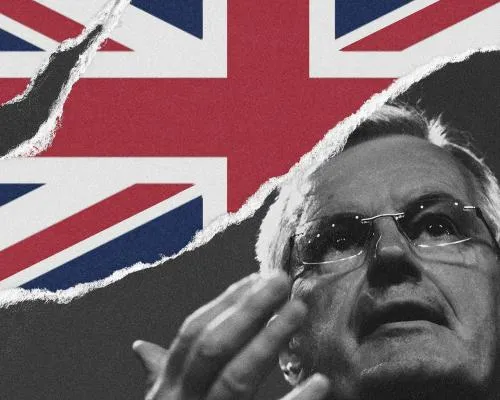 ‘Cynical to get power’: Michel Barnier on Boris Johnson, Brexit and the EU’s future
Former negotiator believes in an unstable world, it is ‘perfectly possible’ the UK can rejoin the EU with old opt-outs
-
 Social media ban: saving kids or punishing them?
Letters: Dr Rory Conn says the ban is long overdue to protect children from harm, but 16-year-old Clara O‘Grady says social media is not an isolated section of teenagers’ lives that can easily be removed. Plus letters from Dr Peter Jarrett and Tony Side
-
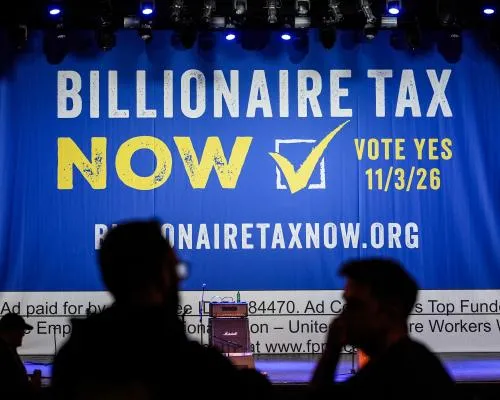 California ‘billionaire tax’ makes ballot despite opposition from tech moguls
Wealth tax criticized by billionaires and Gavin Newsom would levy a one-time 5% tax on residents worth over $1bn
-
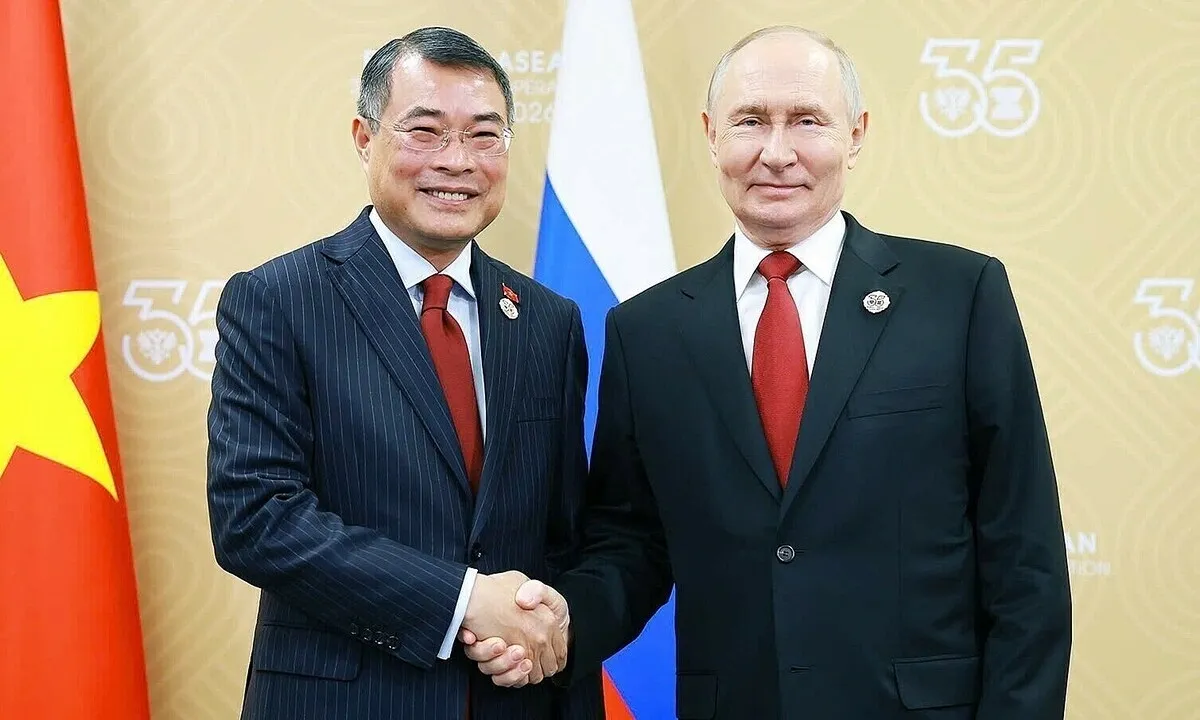 Việt - Nga nhất trí thúc đẩy đàm phán xây dựng nhà máy điện hạt nhân
Thủ tướng Lê Minh Hưng và Tổng thống Vladimir Putin nhất trí thúc đẩy đàm phán, sớm triển khai xây dựng nhà máy điện hạt nhân Ninh Thuận 1.
-
 What did Ukraine target in Moscow and how significant was the drone attack?
Mass drone strike on capital brought the war to Russians, but Ukrainians will be braced for Kremlin’s response
-
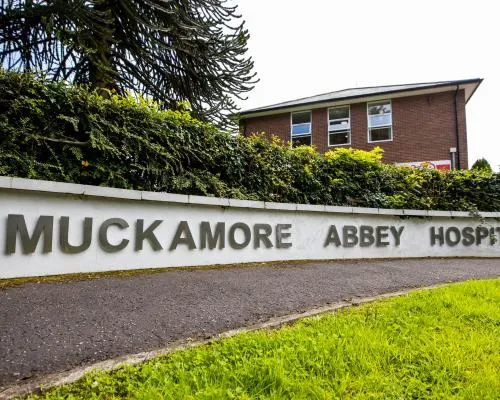 ‘Mistreatment became normality’ at Muckamore Abbey hospital, inquiry finds
Vulnerable adults suffered broken bones and severe neglect in Northern Irish hospital at centre of police investigation
-
 Trump administration quietly shifts $352m in federal funds for White House ballroom
Funds meant for Secret Service were transferred to project president promised would be financed by private donations
-
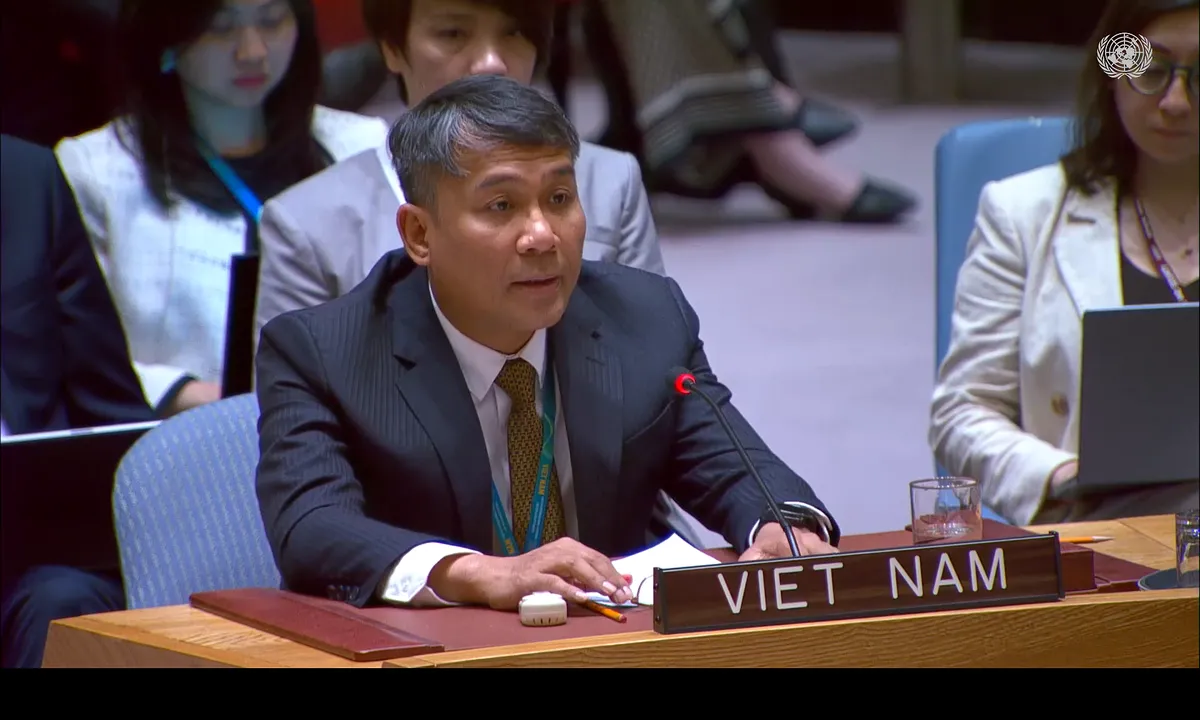 Việt Nam ủng hộ tăng cường vai trò phụ nữ trong xây dựng hòa bình bền vững
Việt Nam kêu gọi quốc tế thúc đẩy sự tham gia đầy đủ, bình đẳng của phụ nữ trong tiến trình hòa bình tại phiên thảo luận mở của Hội đồng Bảo an.


