Interim Car Service Explained: What’s Included and Who Should Get It

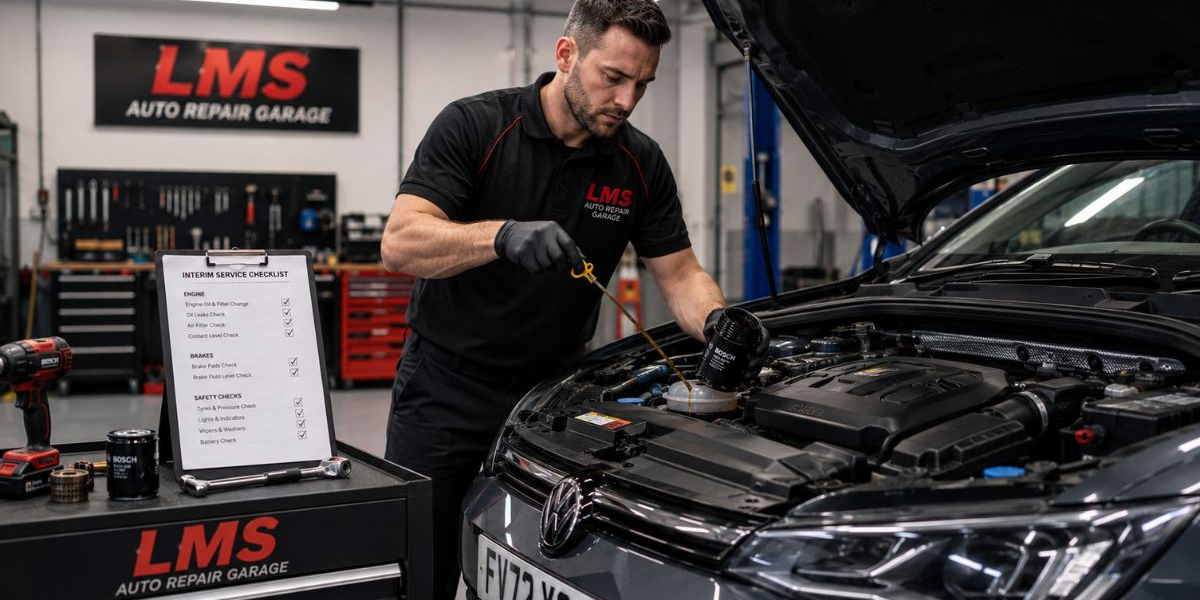
An Interim Car Service is a basic health check for your vehicle. It sits among full annual services. This guide explains the interim car service meaning, what’s on the interim service checklist, and how it compares to an interim vs full car service.
You will also learn about car servicing frequency for drivers in the UK. Whether you own a high-mileage car service candidate or a small hatchback, this basic car service keeps you safe.
The interim car service is a lighter version of a full service. It focuses on essential wear-and-tear items. Think of it as a mid-year MOT for your engine and safety parts.
Manufacturers often recommend this every 6 months or 6,000 miles. It is perfect for drivers who cover many short trips. The interim car service meaning excludes major overhauls. You get oil, filters, and visual checks only.
A real interim service checklist covers around 15 to 20 key points. You won’t get spark plugs or fuel filters here. But you will get peace of mind for another half year.
Component
Typical Action
Engine oil
Replace
Oil filter
Replace
Air filter
Inspect only
Brake pads & discs
Visual check
Tyre pressure & tread
Measure & adjust
Lights & wipers
Operational test
Steering & suspension
Quick inspection
Exhaust system
Visual check for rust
Many UK garages include a basic battery health report. Some top-up screen wash and coolant too. Always ask for a printed checklist after the service.
The interim vs full car service debate comes down to depth. A full service changes more parts. It also includes a full inspection of the fuel system and timing belt (if due).
An interim service skips cabin filters, spark plugs, and fuel filters. It is quicker and cheaper. A full service takes half a day. An interim job often finishes in 90 minutes.
For older cars or high-mileage drivers, mixing both is smart. Do one interim and one full service each year.
Not every driver needs this. But three groups benefit the most.
First, high-mileage drivers. If you do over 15,000 miles yearly, your engine oil degrades fast. An interim service keeps lubrication clean.
Second, city commuters. Short trips stop the engine from warming fully. This causes sludge buildup. A basic car service mid-year clears that risk.
Third, owners of older cars. A high-mileage car service routine should be more frequent. Parts fail sooner after 80,000 miles. Interim checks catch small leaks before they become big bills.
New cars under warranty usually need full services only. Check your handbook first.
Car servicing frequency depends on your usage pattern. Most UK drivers use the “every 12 months or 12,000 miles” rule. But that is for average use.
If you drive in stop-start traffic daily, increase frequency. An interim service every 6 months works well here. For motorway cruisers, a single annual full service often suffices.
Listen to your dashboard. Many modern cars have an oil quality sensor. It tells you when to book an interim car service.
A high-mileage car service plan must be aggressive. Engines with over 70,000 miles burn oil slightly faster. Suspension bushes get softer. Brake pads wear unevenly.
An interim service checks oil levels and top-end noise. It also monitors tyre wear patterns. Uneven wear means alignment issues. Catching that early saves two new tyres.
High-mileage diesel drivers benefit most. Diesel particulate filters (DPFs) hate short trips. An interim service includes a DPF health warning if your driving pattern is wrong.
Yes, most garages use these terms interchangeably. A basic car service is another name for an interim service. You get oil, an oil filter, and visual safety checks.
Do not confuse it with a “bronze” or “economy” service. Those sometimes skip the oil change. Always confirm the interim service checklist before paying.
Book an interim service if your last full service was 6 months ago. Also, book if you notice any of these signs:
Do not book an interim if your timing belt is due. Do not book if your brake fluid is 3+ years old. Those need a full service.
Prices range from £80 to £130 for an interim car service. Full services cost £180 to £300. Independents are cheaper than main dealers.
Always use a VAT-registered garage. They provide a stamped logbook. That matters for resale value. Some mobile mechanics also offer this service at your home.
An interim car service is a clever money-saver. It keeps your engine clean without over-servicing. Use the interim service checklist to compare garage offers. Understand the interim vs full car service differences. Adjust your car servicing frequency based on real driving. For a high-mileage car service routine, interim is your best friend. This basic car service gives confidence for the next six months.
A full service changes more parts like spark plugs and fuel filters. An interim service only changes the oil and oil filter. The full version also includes a longer inspection list.
Yes, but you won’t get a service stamp. A missing stamp hurts your car’s resale value. Most UK insurers also prefer professional servicing.
A good rule is one interim every 6 months or 6,000 miles. Combine that with one full service every 12 months. This works for average UK drivers.
No, high-mileage cars need a mix of both. Do an interim every 5,000 miles. Do a full service every 10,000 miles or annually.
Only visually, not with electronic testers. The mechanic looks for leaks and low fluid. A full service tests moisture content properly.
Same as petrol plus a DPF check. The mechanic may warn about short trips. They also inspect the fuel injector seals visually.
Not if you follow the schedule exactly. Some brands demand only full services. Always read your warranty terms before booking.
Usually 60 to 90 minutes. Mobile mechanics take around 75 minutes. Full services need 3 to 4 hours.
Yes, just call your garage to upgrade. They will add the extra checks and parts. Expect to pay the price difference.
No, tyre rotation is rarely included. You can ask for it as an extra (£15–£25). Only full premium services include rotation.
Henry Smith
4 posts
-
 BMW Coolant Leak Repair: Cost, Causes & Symptoms
Discover the true cost of BMW coolant leak repair, common causes, warning symptoms, and why Kwik Kar Auto Dallas is your trusted local auto repair service in Dallas.
-
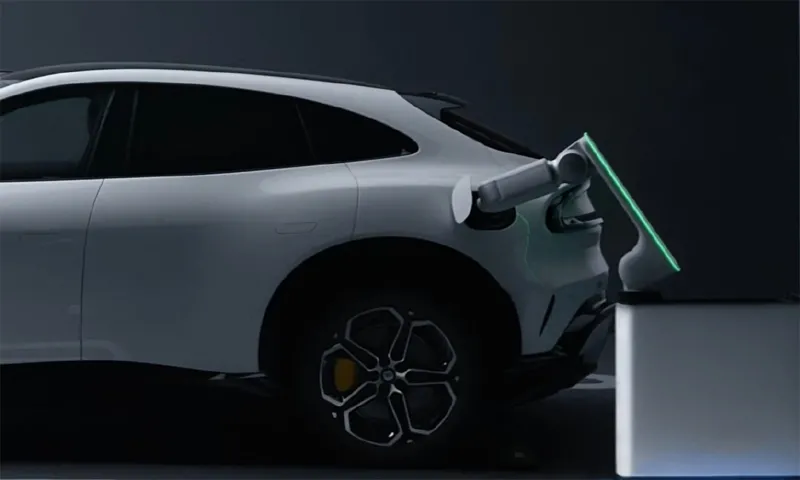 Xiaomi ra mắt cánh tay robot sạc tại nhà
Hãng xe điện nhấn mạnh rằng video trình diễn robot sạc tự động được quay trong môi trường thực tế, dự kiến bán ra vào quý IV.
-
 Mẹo giúp trẻ hợp tác khi sử dụng ghế trẻ em
Cho trẻ làm quen sớm, dùng đồ chơi yêu thích, giải thích về an toàn và duy trì sự nhất quán giúp trẻ hợp tác hơn khi ngồi ghế riêng.
-
 Hai ôtô bốc cháy sau cú lao như tên bắn qua ngã tư
Ôtô rẽ trái bị một xe chạy thẳng ở tốc độ cao đâm trúng và lửa lập tức bùng lên, sáng sớm 13/6 ở Istanbul.
-
 Ôtô điện bốc cháy khi đang đỗ trước cửa nhà
Đỗ chiếc xe điện vừa được sạc trước cửa nhà, người đàn ông đi chạy bộ chưa đầy một tiếng nhưng khi trở về thấy xe đang bốc khói.
-
 Bộ ba Porsche 911 lấy cảm hứng từ phim hoạt hình 'Toy Story'
Ba chiếc 911 GT3 RS Buzz Lightyear, Carrera T Woody và Targa Jessie có những đặc điểm riêng của từng nhân vật.
-
 Người phụ nữ lao đầu vào ôtô để nhặt quả xoài rụng
Từ vỉa hè nhà ven đường, người phụ nữ chạy chéo góc ra đường, đua tốc độ cùng ôtô, hôm 14/6 trên đường Đỗ Nhuận.
-
 Hyundai nhăm nhe vượt Ford tại Mỹ nhờ xe hybrid
Doanh số xe hybrid tăng mạnh giúp tập đoàn Hàn Quốc nâng thị phần lên 11,8%, thu hẹp khoảng cách với hãng xe Mỹ đứng thứ ba thị trường.
-
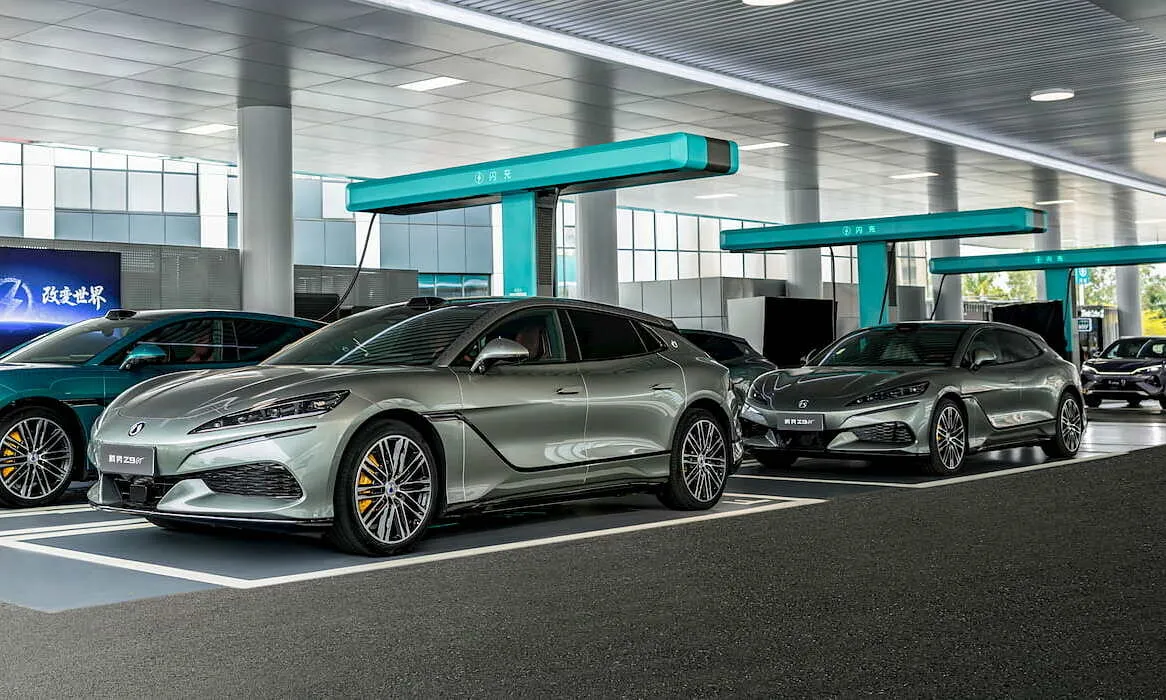 BYD đưa trạm sạc xe điện 5 phút đầu tiên ra nước ngoài
BYD triển khai trạm sạc 1.500 kW đầu tiên tại Anh và châu Âu, cho phép xe tương thích sạc từ 10-70% pin trong 5 phút.
-
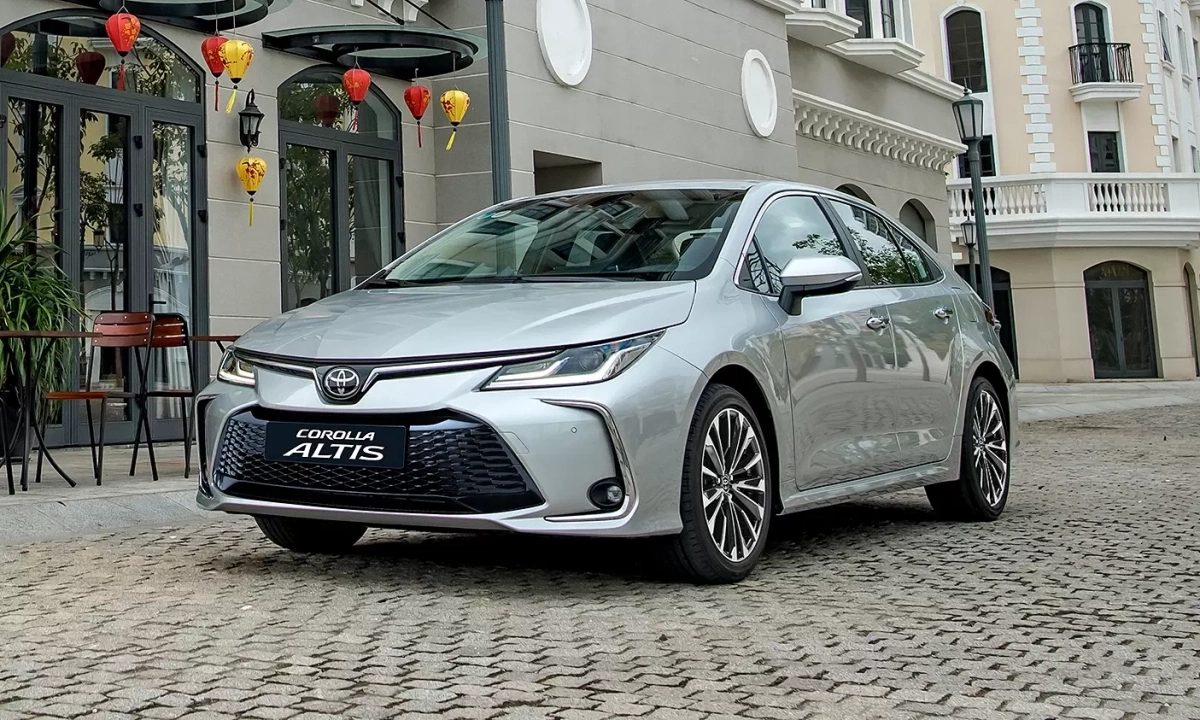 Toyota Altis ngừng bán tại Việt Nam
Tháng 5, doanh số Altis ghi nhận bằng 0, các đại lý nói xe đã khai tử và không nhận đặt hàng mới của khách.
-
 'Con lợn nhảy khỏi thùng xe bán tải trên cao tốc: mối nguy sau chuyện khôi hài'
Tình huống có thể làm nhiều người phì cười, nhưng đó là khi may mắn phía sau không có xe nào đi tới và gây ra tai nạn.


