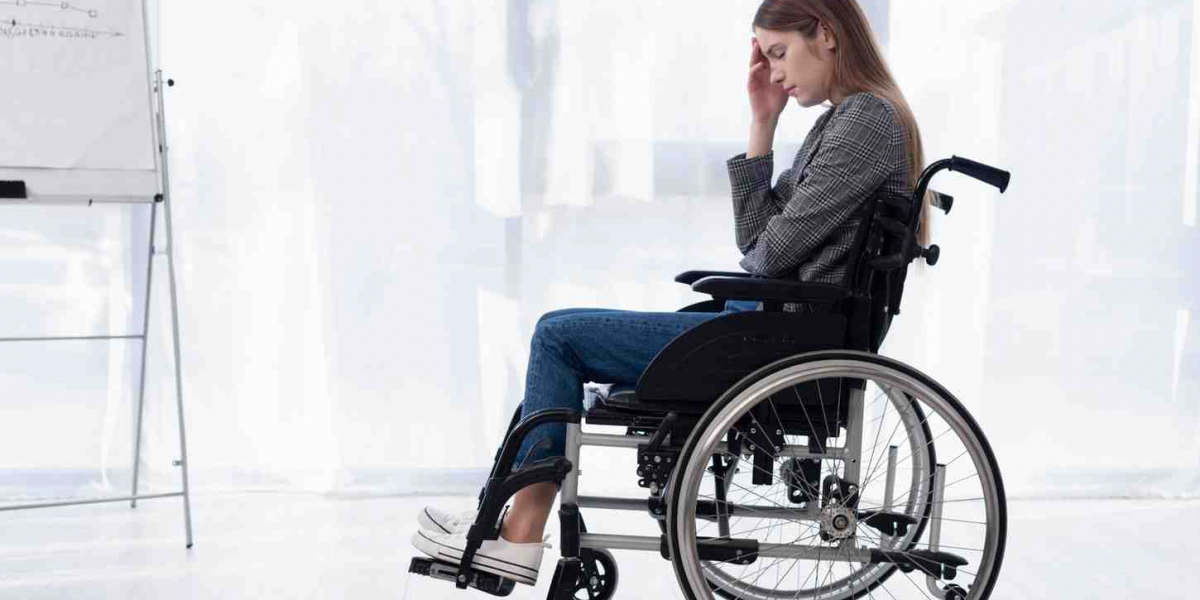
Physical disabilities significantly influence the mental well-being of young individuals. However, what is often overlooked are the profound effects these disabilities can have on their mental health.
Youth with physical disabilities frequently face challenges that extend beyond their physical limitations, such as feelings of low self-esteem, social isolation, and emotional struggles.
In this article, we will explore how physical disabilities intersect with youth mental health, shedding light on the unique emotional and social hurdles these young individuals face.
We will also highlight the coping mechanisms that can support their resilience and the crucial role of family, peers, and communities in fostering emotional wellness.
By the end of this article, we promise to provide valuable insights and practical strategies for helping youth with physical disabilities thrive emotionally, socially, and mentally.
Physical disabilities refer to limitations in physical functioning due to congenital or acquired conditions, such as cerebral palsy, muscular dystrophy, spinal cord injuries, or chronic illnesses like juvenile arthritis.
According to the World Health Organization, approximately 15% of the world’s population lives with a disability, with a significant proportion being young people.
For many young individuals, physical disabilities can cause secondary struggles like difficulty participating in activities, feelings of "otherness," and academic challenges, which may exacerbate mental health issues.
Youth with physical disabilities are at a higher risk of anxiety, depression, and social withdrawal. Why?
Many young people with physical disabilities face discrimination, making them feel excluded or devalued.
They may be labeled as “different,” which contributes to feelings of inadequacy or shame.
In some cultures, disabilities are stigmatized or misunderstood. Families may avoid seeking help out of fear of judgment, worsening both physical and mental health outcomes.
Supportive family environments can be a lifeline.
Youth with disabilities often struggle to build relationships. Bullying and social exclusion are common issues.
Youth can develop resilience through:
A positive mindset can help youth view their disability as a strength rather than a limitation.
Stories of young individuals excelling in various fields despite physical challenges inspire others to persevere.
Schools play a critical role in supporting youth mental health.
There is an urgent need for improved policies addressing youth mental health and physical disabilities.
Youth with physical disabilities deserve equal opportunities to thrive emotionally and socially. By addressing mental health challenges, reducing stigma, and fostering inclusive environments, we can ensure that these young individuals lead fulfilling lives.
Together, we can create a world where every child, regardless of their physical abilities, feels seen, supported, and empowered.

Phanvy Legend
22 posts
-
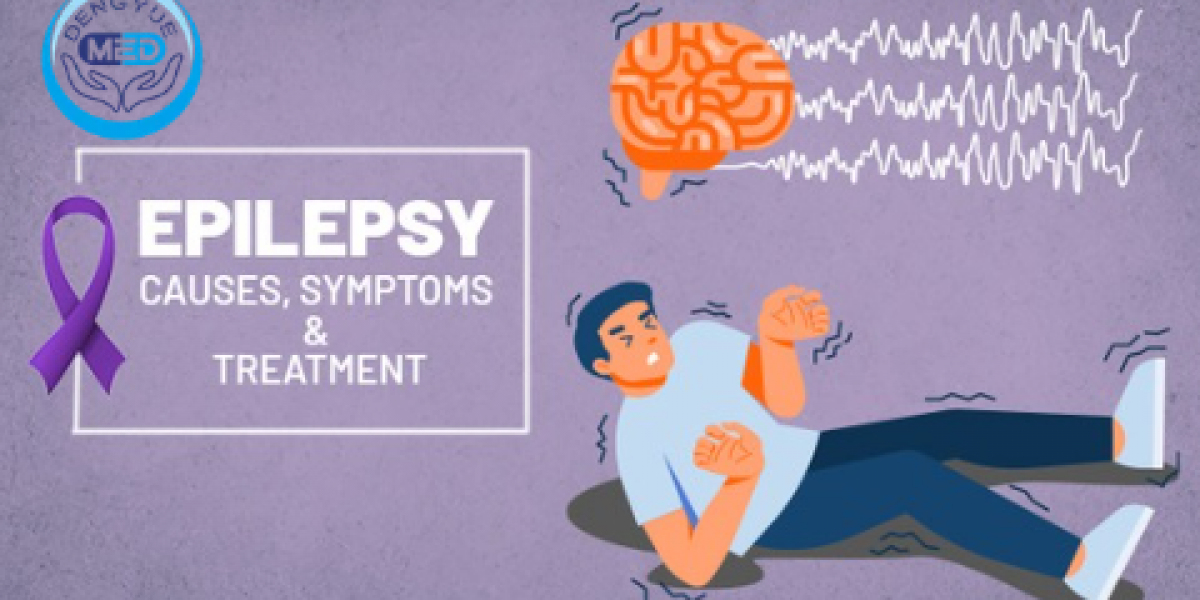 Could Staring Spells and Hand Tremors Be Epilepsy?
Discover 9 common misconceptions about epilepsy, including seizure symptoms, causes, treatment options, medication management, and seizure first aid. Learn the facts about epilepsy and improve awareness to support patients and families.
-
 How Women Long Sleeve Hoodies Redefine Tactical Streetwear Fashion
Women Long Sleeve Hoodies have transformed from simple wardrobe essentials into defining pieces of tactical streetwear fashion. Their evolution reflects a broader shift in how clothing is perceived—not just as a necessity, but as an extension of personality and lifestyle.
-
 Elevate Your Health with Natural Therapies in Oceanside
Discover natural healing at an Acupuncture Clinic Oceanside and a trusted Holistic Wellness Center Oceanside for stress relief, pain management, and total wellness.
-
 Get 10% Off Reliable ED Medicines with Medsvilla Special Deal
These medicines are commonly prescribed and widely used for managing ED symptoms effectively when used under proper medical guidance.
-
 How to Get a Hydrocodone Prescription
Online via Telehealth (Safe & Legal Guide)This guide explains how to safely and legally get a hydrocodone prescription via telehealth,
along with key legal rules and safety precautions. -
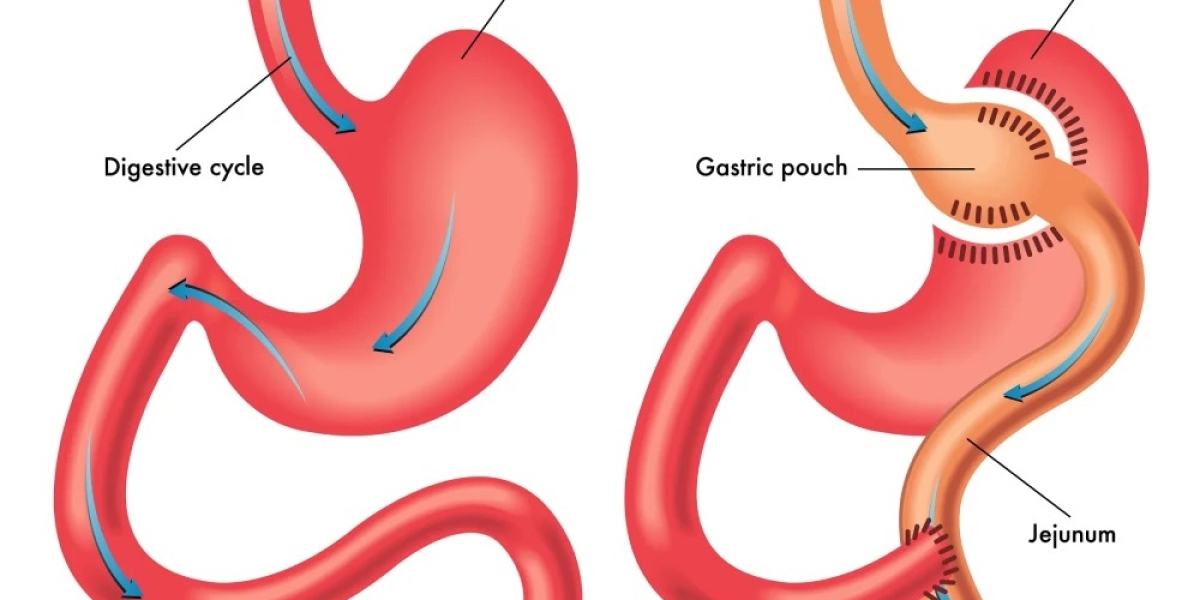 Transform Your Health with Advanced Surgical Solutions in Houston
Invest in your future. Choose Houston. Choose life-changing care.
-
 Unlocking Wellness: Functional Lab Testing & Nutraceutical Care in Columbia
Your path to balance, vitality, and healing starts here.
-
 How Modern Medical Equipment in Train Ambulance Ensures Patient Stability
Discover how advanced ICU equipment in Train Ambulance Service in Patna ensures patient stability during long-distance transfers with ventilators, monitors & expert care.
-
 Women’s Testosterone Dosage: What You Should Know
Testosterone isn’t just for men — it’s also a key hormone for women. When balanced properly, it supports energy, mood, muscle tone, mental clarity, and sexual wellness.
-
 Safe Anavar Purchase Tips: A Detailed Guide
Anavar is a top choice for people looking to build lean muscle, improve strength, and maintain a defined physique.
-
 Book Your Appointment for a Pediatric Dentist Today
Quite rightly so, the early establishment of a "dental home" is the best way to monitor your child's development in a continuous and proactive manner. Finding an excellent pediatric dentist in Dubai should top your list if you seek great specialised attention for your chi


