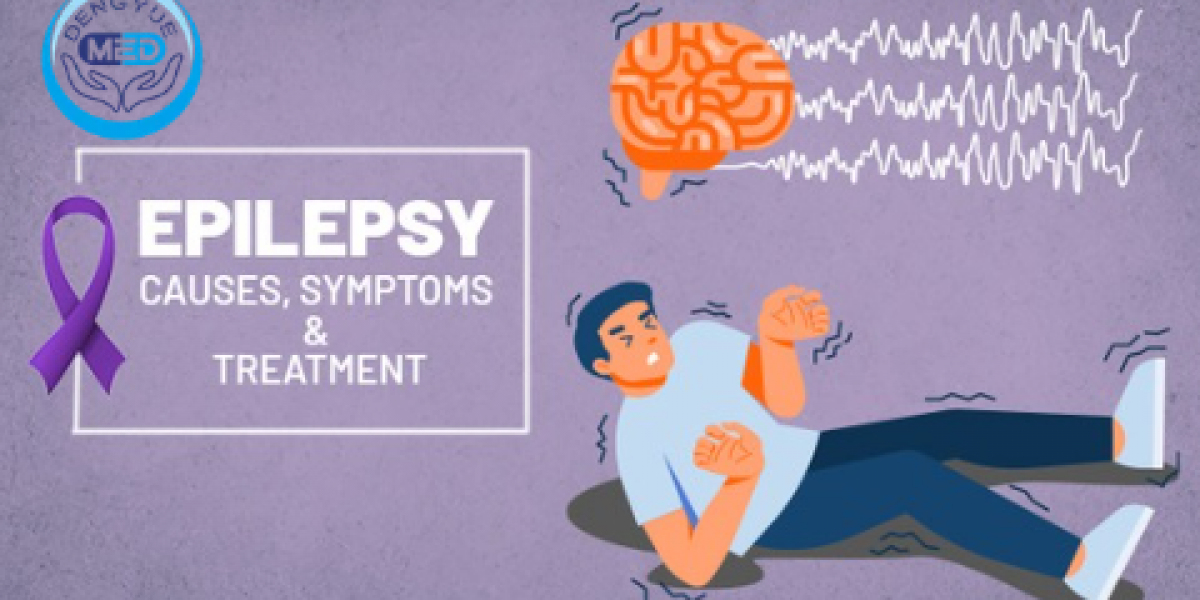
9 Common Misconceptions About Epilepsy
When people think of epilepsy, they often imagine someone suddenly collapsing, experiencing convulsions, or foaming at the mouth. In reality, these are only some of the possible manifestations of epilepsy. Epilepsy is a chronic neurological disorder caused by abnormal electrical activity in the brain, and its symptoms can vary widely. Many patients may not experience obvious convulsions at all.
Due to limited public awareness, people living with epilepsy often face misunderstanding, stigma, and even delays in diagnosis and treatment. Today, let’s take a closer look at nine of the most common misconceptions about epilepsy.
Misconception 1: Only Convulsions Count as Epilepsy
Many people believe epilepsy only involves full-body seizures and collapsing to the ground. However, epileptic seizures can appear in many different forms.
Some patients may only experience:
- Brief staring spells
- Blank expressions or unresponsiveness
- Mild hand tremors
- Twitching around the mouth
- Sudden pauses in speech
- Short episodes of impaired awareness
For example, children with absence seizures may suddenly stare blankly for a few seconds during class and then quickly return to normal. Teachers and parents may mistake this for inattention.
Some patients experience focal seizures, which may only cause numbness, twitching, or unusual sensations in one part of the body, making them easy to overlook.
Epilepsy is not limited to dramatic “major seizures”; even subtle symptoms deserve attention.
Misconception 2: Epilepsy Is a Mental Illness
This is one of the most common misunderstandings surrounding epilepsy.
Epilepsy is a neurological disorder caused by abnormal electrical activity in the brain, whereas mental illnesses primarily involve emotional, cognitive, or behavioral disturbances. They are not the same condition.
Most people with epilepsy:
- Have clear thinking
- Maintain normal intelligence
- Can study and work normally
Although some patients may develop anxiety or depression due to long-term illness-related stress, this does not mean epilepsy itself is a psychiatric disorder.
Labeling epilepsy patients as “mentally ill” is both inaccurate and harmful.
Misconception 3: Epilepsy Is Contagious
Because of misunderstanding, some people instinctively distance themselves from patients during a seizure, fearing they might “catch” the disease.
In fact, epilepsy is not infectious and cannot be transmitted through:
- Physical contact
- Air
- Saliva
- Food or drink
Common causes of epilepsy include:
- Genetic factors
- Brain injury
- Stroke
- Brain infections and their complications
- Developmental abnormalities of the brain
Epilepsy is not caused by bacteria or viruses, so there is no reason to fear or discriminate against patients.
Misconception 4: Putting Objects in the Mouth Prevents Tongue Biting
This is one of the most dangerous and widespread first-aid myths.
When witnessing a seizure, some people try to place:
- Chopsticks
- Spoons
- Towels
- Fingers
into the patient’s mouth to “prevent tongue biting.”
In reality, this can cause:
- Choking
- Broken teeth
- Mouth injuries
- Airway obstruction
- Injuries to the rescuer’s fingers
The correct approach is to:
✔ Turn the patient onto their side
✔ Loosen tight clothing
✔ Remove nearby dangerous objects
✔ Time the seizure
✔ Allow the seizure to stop naturallyIf the seizure lasts longer than 5 minutes or seizures occur repeatedly without recovery of consciousness, emergency medical help should be called immediately.
Misconception 5: People with Epilepsy Cannot Live Normal Lives
In the past, limited treatment options led many people to believe epilepsy patients could not live independently or work normally.
Today, with advances in modern medicine, most patients can live normal and fulfilling lives with proper treatment.
Many people with epilepsy are able to:
- Complete their education
- Maintain stable careers
- Build families
- Have children
- Remain seizure-free for years
A wide range of anti-seizure medications can effectively control seizures, and some patients may gradually reduce medication under medical supervision after long-term stability.
Epilepsy does not mean “losing your life.”
Misconception 6: One Seizure Means You Have Epilepsy
Not every seizure indicates epilepsy.
Other conditions can also cause seizure-like symptoms, including:
- Febrile seizures
- Hypoglycemia
- Electrolyte imbalances
- Brain injuries
- Alcohol withdrawal
- Medication reactions
Doctors typically evaluate:
- Seizure characteristics
- Medical history
- Electroencephalogram (EEG) findings
- Brain imaging results
before diagnosing epilepsy.
A single seizure should not be ignored, but it does not automatically mean epilepsy.
Misconception 7: You Can Stop Medication Once Seizures Stop
Many patients stop taking medication on their own after months or years without seizures, which is a major cause of relapse.
Anti-seizure medications must usually be taken consistently over a long period to stabilize abnormal brain activity. Suddenly stopping medication may lead to:
- Seizure recurrence
- More severe seizures
- Status epilepticus (a medical emergency)
Whether medication can be reduced or stopped should be determined by a neurologist based on:
- Duration of seizure control
- EEG results
- Epilepsy type
- Risk of recurrence
Stopping medication without medical guidance can be dangerous.
Misconception 8: Epilepsy Can Only Be Treated with Medication
Medication is the primary treatment for epilepsy, but it is not the only option.
For patients with drug-resistant epilepsy, other treatments may include:
- Epilepsy surgery
- Vagus nerve stimulation (VNS)
- Deep brain stimulation (DBS)
- Ketogenic diet therapy
With advances in neuroscience and precision medicine, new treatment approaches continue to emerge.
Comprehensive treatment strategies can significantly improve outcomes, especially in children with difficult-to-control epilepsy.
Misconception 9: People with Epilepsy Cannot Exercise
Many families worry that exercise may trigger seizures, leading patients to avoid physical activity altogether.
In fact, moderate exercise can help:
- Reduce stress and anxiety
- Improve sleep
- Strengthen physical health
- Enhance quality of life
Many patients can safely participate in:
- Jogging
- Yoga
- Walking
- Badminton and other moderate activities
However, high-risk activities should be avoided, such as:
- High-altitude sports
- Diving
- Swimming alone
- Extreme sports
Exercise is not absolutely forbidden—the key is safety and individualized management.
Conclusion
Epilepsy itself is not the most frightening part of the disease—misunderstanding and stigma are.
What may appear to be simple “staring spells,” “daydreaming,” or “hand tremors” can actually be warning signs from the brain. Improving public awareness, encouraging early diagnosis, and promoting standardized treatment can help reduce risks and enable patients to return to normal school, work, and daily life.
In this process, DengYueMed remains committed to tracking global advances in neurological disease treatment and improving access to innovative medical resources and international pharmaceutical information, helping more patients and families learn about advanced treatment options and bringing greater hope to epilepsy management.

DengYue Medicine
1 posts
-
 How Women Long Sleeve Hoodies Redefine Tactical Streetwear Fashion
Women Long Sleeve Hoodies have transformed from simple wardrobe essentials into defining pieces of tactical streetwear fashion. Their evolution reflects a broader shift in how clothing is perceived—not just as a necessity, but as an extension of personality and lifestyle.
-
 Elevate Your Health with Natural Therapies in Oceanside
Discover natural healing at an Acupuncture Clinic Oceanside and a trusted Holistic Wellness Center Oceanside for stress relief, pain management, and total wellness.
-
 Get 10% Off Reliable ED Medicines with Medsvilla Special Deal
These medicines are commonly prescribed and widely used for managing ED symptoms effectively when used under proper medical guidance.
-
 How to Get a Hydrocodone Prescription
Online via Telehealth (Safe & Legal Guide)This guide explains how to safely and legally get a hydrocodone prescription via telehealth,
along with key legal rules and safety precautions. -
 Transform Your Health with Advanced Surgical Solutions in Houston
Invest in your future. Choose Houston. Choose life-changing care.
-
 Unlocking Wellness: Functional Lab Testing & Nutraceutical Care in Columbia
Your path to balance, vitality, and healing starts here.
-
 How Modern Medical Equipment in Train Ambulance Ensures Patient Stability
Discover how advanced ICU equipment in Train Ambulance Service in Patna ensures patient stability during long-distance transfers with ventilators, monitors & expert care.
-
 Women’s Testosterone Dosage: What You Should Know
Testosterone isn’t just for men — it’s also a key hormone for women. When balanced properly, it supports energy, mood, muscle tone, mental clarity, and sexual wellness.
-
 Safe Anavar Purchase Tips: A Detailed Guide
Anavar is a top choice for people looking to build lean muscle, improve strength, and maintain a defined physique.
-
 Book Your Appointment for a Pediatric Dentist Today
Quite rightly so, the early establishment of a "dental home" is the best way to monitor your child's development in a continuous and proactive manner. Finding an excellent pediatric dentist in Dubai should top your list if you seek great specialised attention for your chi


