How Electric Vehicle (EV) Market Are Transforming Transportation: Trends and Predictions for 2025 and Beyond

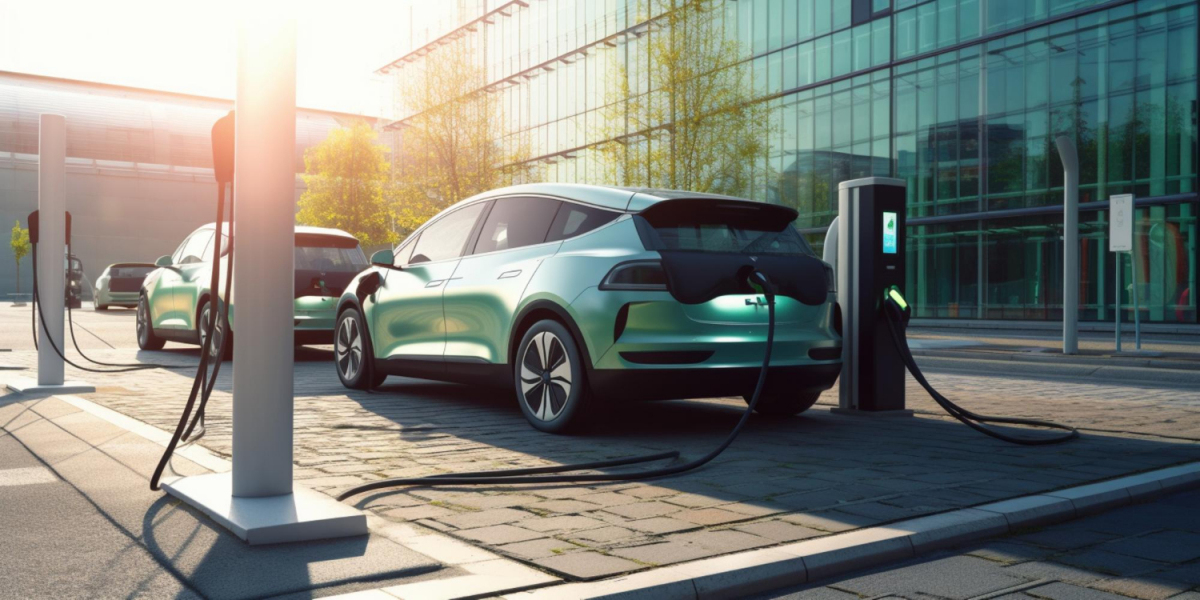
The electric vehicle (EV) market is rapidly reshaping the global transportation landscape. From reducing carbon emissions to offering cost-effective alternatives to traditional fuel-powered vehicles, EVs are ushering in a new era of sustainable mobility. As the world moves toward decarbonization and sustainability, the growth of the EV market is accelerating.
This article explores the key trends, technological innovations, and predictions for the EV market in 2025 and beyond.
Electric vehicles have come a long way since their inception. Today, they are not only seen as environmentally friendly but also as a viable solution for addressing the issues of air pollution, rising fuel costs, and dependence on fossil fuels. The shift toward EVs is being fueled by advancements in battery technology, government incentives, and changing consumer preferences.
According to BIS Research, the global electric vehicle market was valued at $276.9 billion in 2023 and is expected to reach $1,096.2 billion by 2033, growing at a CAGR of 14.80% during the forecast period. The market’s growth is driven by the increasing adoption of electric cars, buses, and commercial vehicles, as well as the expansion of EV charging infrastructure.
The demand for EVs is being influenced by a number of factors, including:
1. Battery Technology Advancements
Battery technology is at the core of the electric vehicle revolution. As EVs are entirely reliant on batteries for energy storage, the efficiency, cost, and performance of batteries significantly impact the success of electric vehicles.
2. Infrastructure Expansion
The availability and accessibility of charging infrastructure is one of the key factors affecting the widespread adoption of electric vehicles. As the number of EVs on the road increases, there will be a greater need for a robust and expansive charging network.
Request for a custom sample research report on the Electric Vehicle Market
3. Government Regulations and Incentives
Government policies and regulations are playing a crucial role in the growth of the EV market. To meet global emission reduction targets and combat climate change, governments are introducing stricter regulations on emissions, fuel economy standards, and the adoption of electric vehicles.
4. Autonomous EVs
The rise of autonomous driving technology is poised to change the way we think about transportation. Autonomous EVs, or self-driving electric vehicles, are expected to become a significant part of the EV market by 2025 and beyond.
5. EVs in Commercial Transportation
While passenger EVs dominate the market today, the commercial transportation sector is also making significant strides toward electrification.
As we look toward 2025 and beyond, several key developments are expected to shape the future of the EV market:
Get more insights on the automotive market research reports.
The electric vehicle market is transforming the transportation industry, offering a sustainable and innovative solution to the challenges of climate change, air pollution, and energy consumption. With advancements in battery technology, expanding charging infrastructure, and government support, EVs are set to become the dominant form of transportation by 2025 and beyond.
As the market grows, new trends such as autonomous driving, electrification of commercial fleets, and integration with smart cities will continue to shape the future of mobility. The future of transportation is electric, and the shift is happening faster than ever before.
Chris Pro
31 posts
-
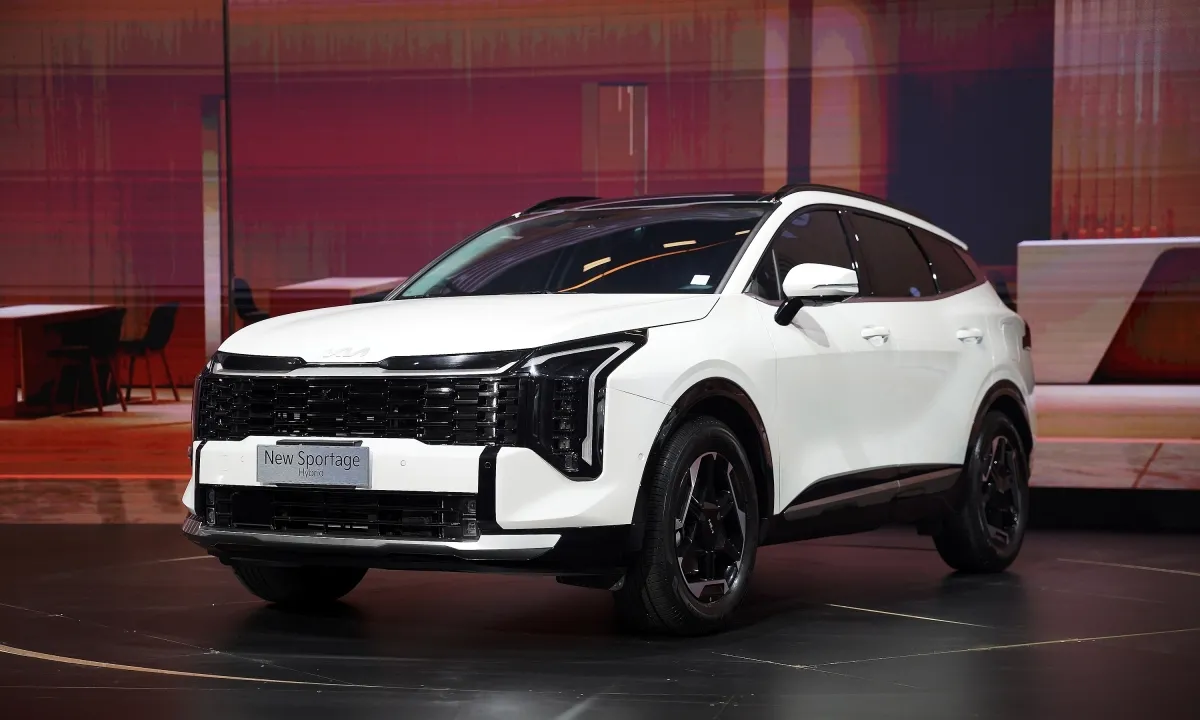 Kia Sportage lần đầu có bản hybrid tại Việt Nam
Sporatge 2026 ra mắt hôm 6/6, ngoại, nội thất thay đổi, lần đầu bổ sung lựa chọn máy hybrid 1.6 với tùy chọn dẫn động một hoặc hai cầu.
-
 Ôtô vào bệnh viện đưa đón bệnh nhân có mất tiền gửi xe?
Xin hỏi trường hợp xe vào bệnh viện chỉ để đưa đến hoặc đón bệnh nhân về có mất tiền gửi xe. (Hoàng Linh)
-
 Cửa ôtô bật mở làm người đi xe máy thiệt mạng
Cửa bên lái của chiếc ôtô đỗ bên đường đột ngột bật mở khiến xe máy cùng chiều vừa chạy tới đập vào, ngã ra đường.
-
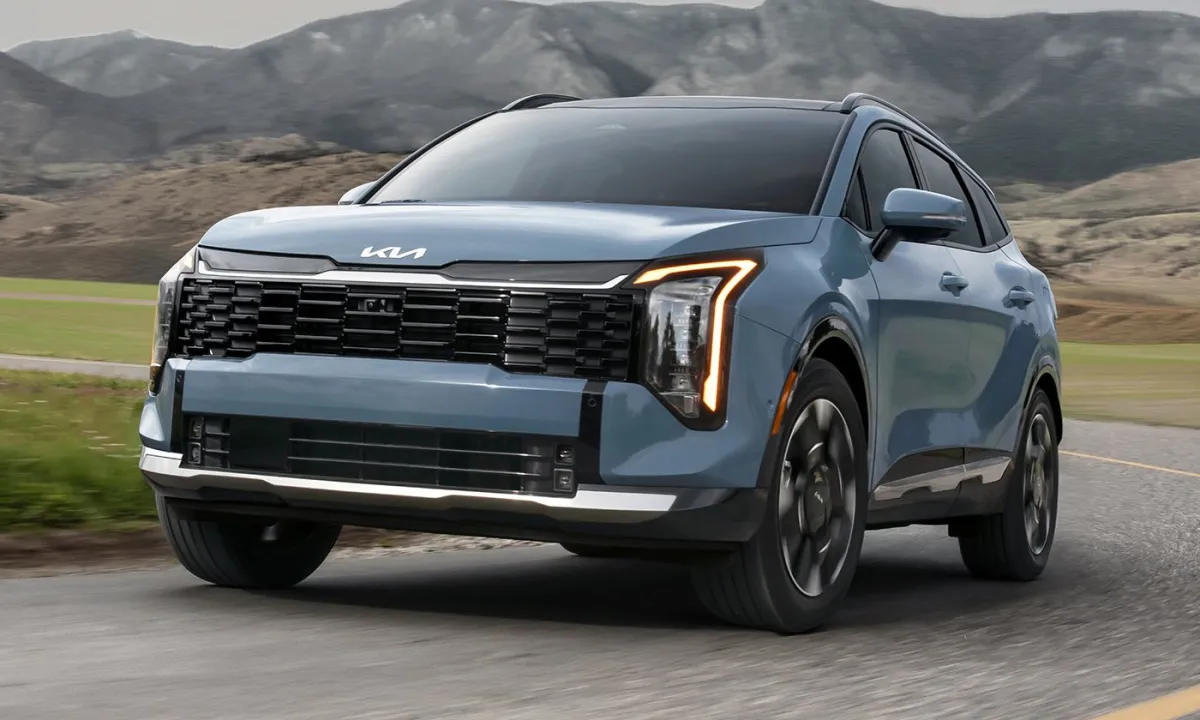 'Vỡ mộng' xe điện, Hyundai dùng nhà máy sản xuất xe hybrid cho Kia
Mẫu Kia Sportage Hybrid sẽ không còn hoàn toàn phụ thuộc vào nhập khẩu khi xuất xưởng ở nhà máy nơi Hyundai vốn dành cho xe điện.
-
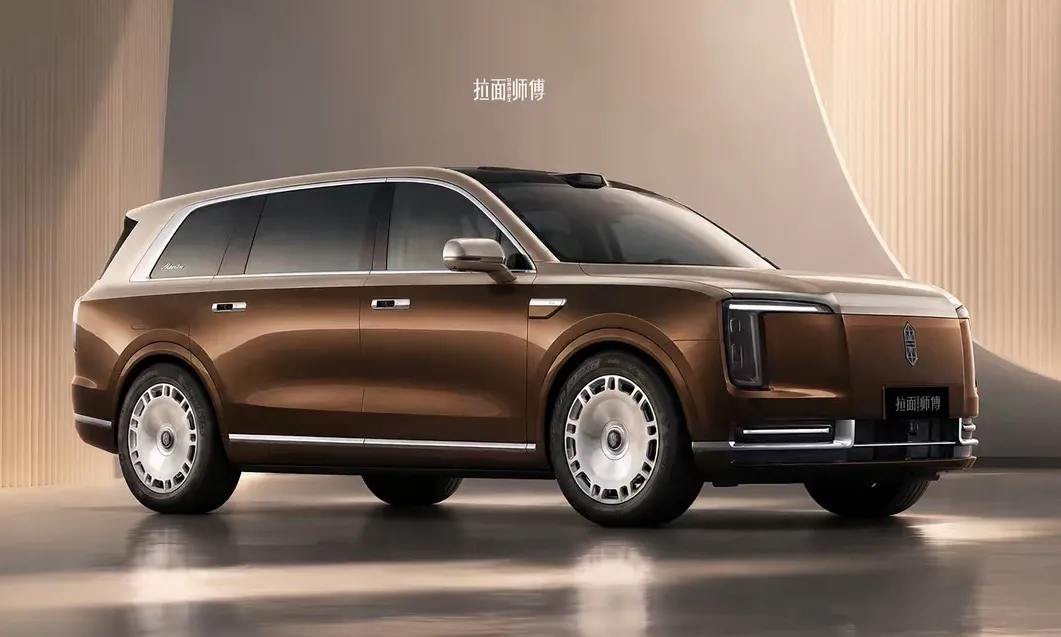 Ôtô điện Trung Quốc ngày càng 'béo phì'
Ôtô của Trung Quốc đã tăng 392 kg trong 12 năm, đặc biệt khi kỷ nguyên xe điện phát triển mạnh.
-
 Ôtô điên cuồng trốn cảnh sát sau tranh cãi
Cảnh sát chặn một chiếc Tesla màu trắng để xử lý vi phạm nhưng tài xế phản đối, thậm chí chửi bới trước khi lái xe bỏ chạy.
-
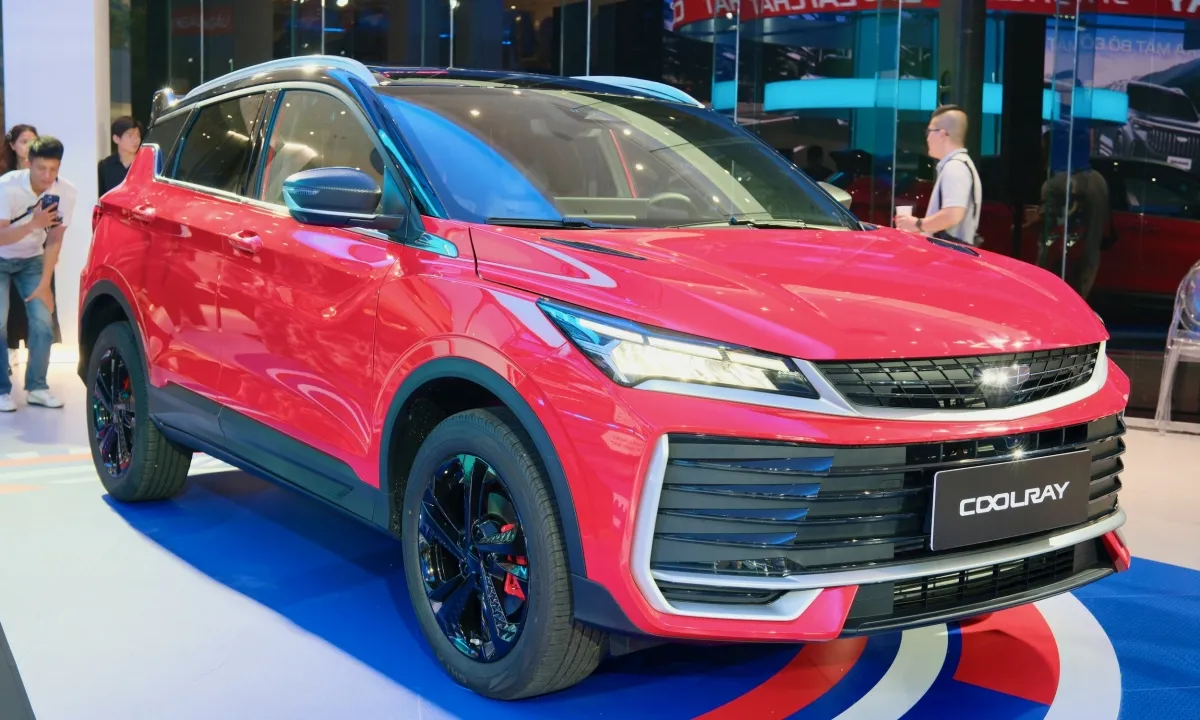 Geely Coolray ra bản mới sau một năm, giá từ 499 triệu đồng
Mẫu SUV cỡ B của Geely nâng cấp công nghệ hỗ trợ lái, bổ sung tiện nghi nội thất và hạ giá khởi điểm xuống còn 499 triệu đồng.
-
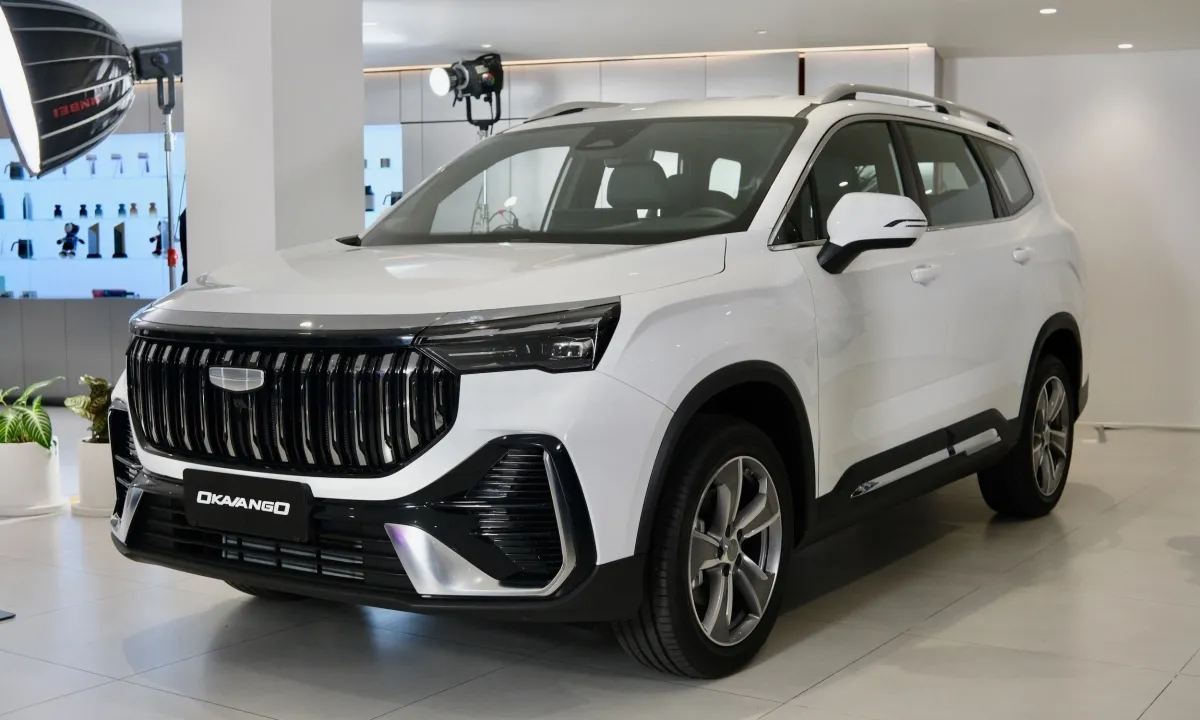 Geely Okavango ra mắt: SUV cỡ D giá từ 739 triệu đồng
Geely Okavango ra mắt tại Việt Nam với giá từ 739 triệu đồng, trở thành một trong những mẫu SUV cỡ D 7 chỗ có giá thấp nhất thị trường.
-
 Người lái xe máy vái lạy xe tải sau va chạm
Xe máy tăng tốc lách trái để vượt khi xe tải đang rẽ tại ngã ba nên xảy ra va chạm.
-
 'Cha mẹ ở đâu khi những đứa trẻ ra đường như thiêu thân'
Phụ huynh phải là người bị phạt nếu tình trạng những đứa trẻ tự do băng ngang đường ngày càng nhiều.
-
 Tài xế bị phạt dù cầm điện thoại hết pin khi đang lái xe
Từ ngày 5/6, tài xế cầm điện thoại khi đang lái xe ở Pennsylvania có thể bị phạt 50 USD, dù điện thoại hết pin.


