The term "dark web" evokes intrigue and apprehension, often associated with illicit activities and anonymity. This article aims to demystify the dark web, examine its functionalities, discuss its impact on society, and explore the measures taken to regulate and monitor this hidden corner of the internet.
Understanding the Dark Web
The dark web refers to a part of the internet that is not indexed by traditional search engines and requires special software, such as Tor (The Onion Router), to access. It operates on encrypted networks that obscure users' identities and activities, fostering an environment of anonymity.
Myths vs. Realities
Functions and Activities
Impact on Society
The dark web's influence extends beyond criminal activities:
Regulation and Law Enforcement
Governments and international organizations employ various strategies to regulate the dark web:
Conclusion
The dark web represents a complex landscape with both legitimate and illicit activities, challenging traditional perceptions and raising significant societal concerns. By understanding its functionalities, separating myths from realities, and addressing its impact on cybersecurity and global security, stakeholders can collaborate to mitigate risks, uphold ethical standards, and safeguard digital landscapes from criminal exploitation. Through proactive regulation, technological advancements, and public education, we can navigate the complexities of the dark web while striving to maintain a secure and ethical internet environment for all.

Loi Friendly
28 posts
-
 Hề Mộng Dao và con trai tỷ phú cưới trong lâu đài
Siêu mẫu Trung Quốc Hề Mộng Dao và Hà Du Quân - con trai Vua sòng bạc Macau, cử hành hôn lễ trong lâu đài.
-
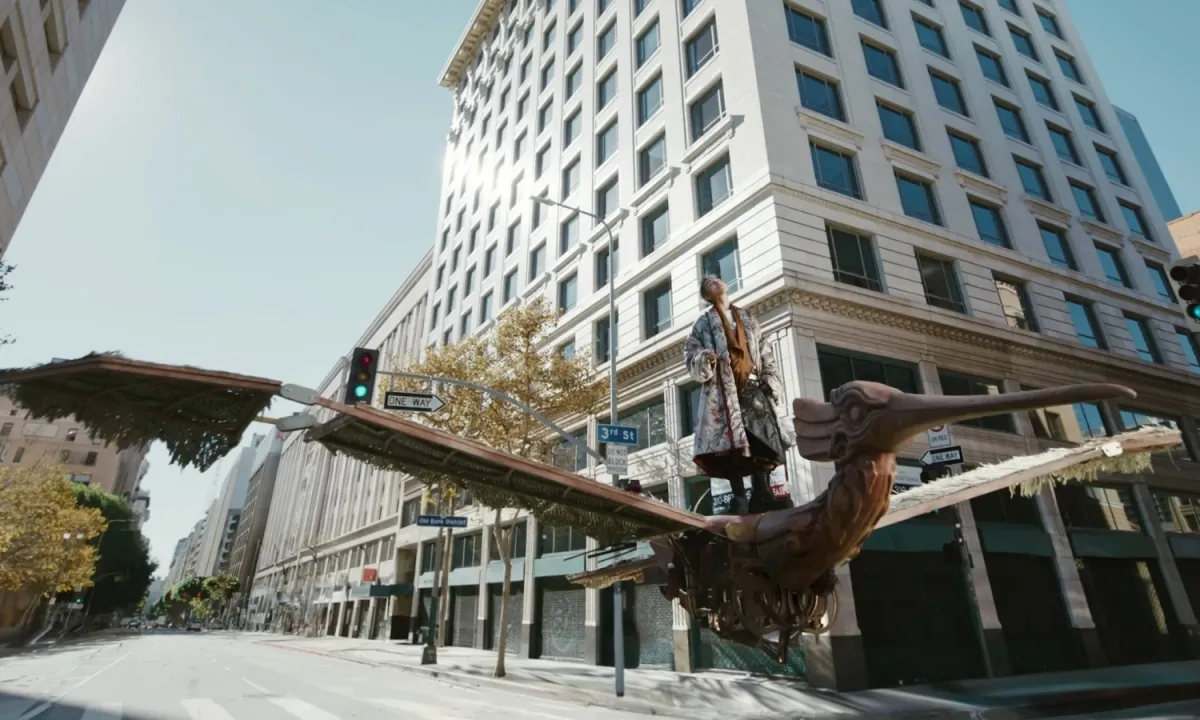 Sơn Tùng 'cưỡi' chim Lạc và chuyện làm mới biểu tượng truyền thống
Nhiều chuyên gia cho rằng Sơn Tùng cưỡi chim Lạc trong MV Come My Way là cách nghệ sĩ thể hiện tình yêu, sự tự tin sáng tạo chất liệu văn hóa.
-
 Con trai nối nghiệp nghệ sĩ Võ Hoài Nam
Võ Hoài Vũ, 26 tuổi, con trai nghệ sĩ Võ Hoài Nam, được khen diễn xuất tự nhiên trong phim Phía bên kia thành phố.
-
 Váy cưới thuần khiết của con dâu tỷ phú
Siêu mẫu Trung Quốc Hề Mộng Dao đặt may váy cưới xa xỉ, yêu cầu đầm có vẻ thuần khiết và tối giản.
-
 BPTP Downtown 66: The New Pinnacle of Ultra-Luxury Living in Sector 66, Gurgaon
BPTP Downtown 66 is planned on a spacious 4.25-acre land parcel with three iconic towers. Each tower rises to G+45/46 floors, reaching approximately 150 meters in height. The project maintains a very low density with only 4 apartments per floor, offering a boutique high-rise feel with exce
-
 🚬 Vape Shop in Karachi – DC Vapors
If you are searching for a trusted vape shop in Karachi, DC Vapors is one of the well-known options in the market. With a wide product range and strong customer base, it continues to serve the growing vaping community in Pakistan.
-
 MMOEXP ARC Raiders: From Zero to Hero – The Ultimate Beginner's Survival Guide
Welcome back, Raiders! This is Sulley, and this guide is designed to transform you from a confused newbie into a confident survivor.
-
 What Should You Do If an Agent Refuses Withdrawal or Blocks You?
Online platforms offer convenience and fast access to digital services, but they also come with certain risks. One of the most frustrating situations users face is when an agent refuses to process a withdrawal or suddenly blocks communication. This can create panic, especially when real mo
-
 MMOEXP Chrono Odyssey Class Guide: Berserker, Ranger & Swordsman
Dodge Types: Light roll (light armor), dash (medium armor), short hop (heavy armor).
-
 MMOEXP From Drop to Evac: ARC Raiders Essential Tactics Collection
Welcome, Raiders! This guide compiles key strategies and mechanics to help you survive, explore, and thrive in the world of ARC Raiders. Whether you're just dropping in or looking to refine your tactics, these tips will give you an edge.
-
 MMOEXP Farewell to Static Combat: Aion 2’s Aerial Warfare and PvE Innovations
Current Status: Testing phase in Asia to determine what works for Western audiences.


