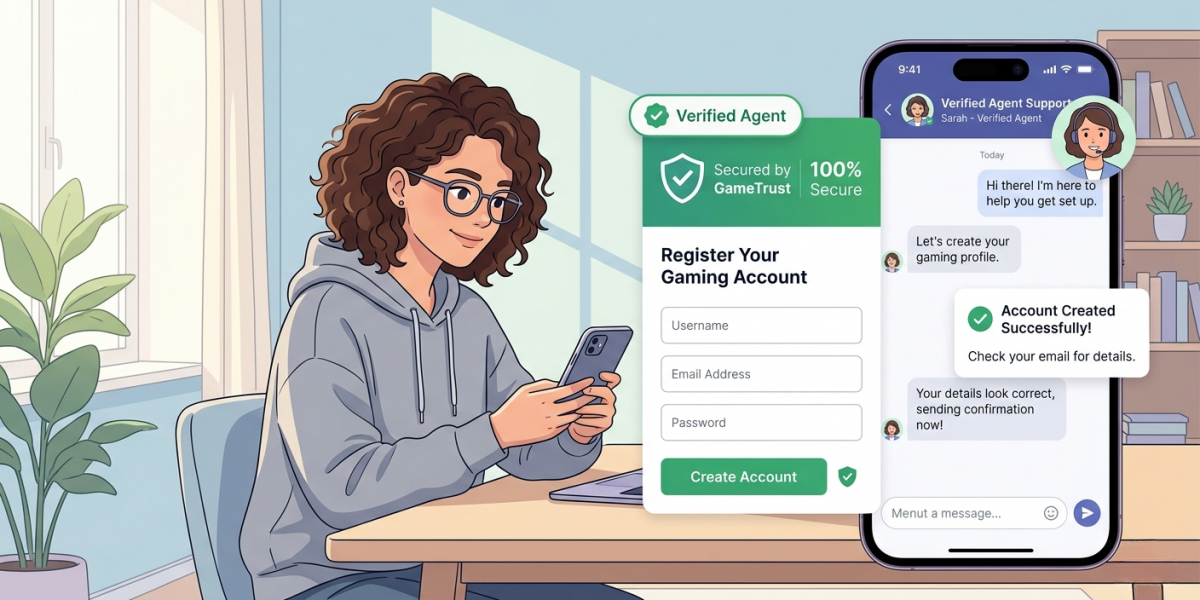
Online platforms offer convenience and fast access to digital services, but they also come with certain risks. One of the most frustrating situations users face is when an agent refuses to process a withdrawal or suddenly blocks communication. This can create panic, especially when real money is involved.
While this situation is serious, reacting calmly and taking the right steps can make a difference. Understanding what to do in such cases helps protect your funds and reduces the chances of long-term loss.
Why Withdrawal Issues Happen in Agent-Based Systems
Withdrawal problems usually occur when users deal with unverified or unreliable agents. In a proper system, agents are responsible for processing payouts and maintaining communication with users.
However, when an agent is not genuine, they may delay payments, create unnecessary conditions, or completely stop responding. In some cases, they block users to avoid further communication after receiving funds.
Even in structured environments, delays can happen due to technical reasons. The key is to identify whether the issue is temporary or a sign of fraud.
Stay Calm and Review the Situation
The first step is to remain calm. Panic can lead to rushed decisions, which may worsen the situation. Instead of reacting immediately, take a moment to review what has happened.
Check the details of your transaction. Confirm the amount, time of request, and any communication with the agent. Sometimes delays are caused by processing times rather than intentional refusal.
Understanding the situation clearly helps you decide the next step without making unnecessary mistakes.
Try to Reconnect Through Available Channels
If the agent has stopped responding, attempt to reach them through all available communication methods. This may include messaging apps, alternative numbers, or any official contact options provided earlier.
A genuine agent may respond after some time if the delay is due to workload or technical issues. Consistent but reasonable follow-ups can sometimes resolve the issue without further action.
However, if there is no response after repeated attempts, it may indicate a deeper problem.
Verify Agent Details Again
At this stage, it is important to recheck the agent’s authenticity. Compare their contact details with a trusted directory to confirm whether they are part of a verified system.
If the agent’s information does not match any official record, it is likely that you were dealing with an unverified contact. This highlights the importance of checking details before making transactions.
Using verified sources from the beginning reduces the chances of facing such situations.
Use Official Complaint or Support Systems
If the agent is part of a structured platform, there is usually a complaint system in place. This is one of the most effective ways to handle disputes.
Submit a detailed complaint with all relevant information, including transaction details and communication records. This allows the platform to investigate the issue and take appropriate action.
In many cases, agents respond quickly once a complaint is filed, as their activity is monitored within the system. This step can often lead to resolution.
Understand the Role of Platform Features
Some platforms offer real-time services and faster transaction handling. In such environments, users expect quicker withdrawals and best support.
When these expectations are not met, it becomes even more important to rely on verified agents and structured systems. Delays in these cases should be investigated carefully to determine whether they are technical or intentional.
A proper system ensures that even if issues arise, there are channels to address them effectively.
Avoid Making Additional Payments
One common tactic used by fraudulent agents is to request extra payments before processing withdrawals. They may claim that fees, taxes, or verification charges are required.
Users should be cautious of such requests. Genuine agents usually explain all terms in advance and do not introduce unexpected conditions later.
Sending additional money in this situation often leads to further loss. It is best to stop and verify before taking any action.
Learn From the Experience and Take Preventive Steps
Facing a blocked agent or refused withdrawal is a difficult experience, but it also provides valuable lessons. Users should take this opportunity to improve their approach in future transactions.
Always verify agent details before engaging. Use trusted directories and avoid random contacts. Pay attention to communication patterns and avoid agents who rush or pressure decisions.
Choosing the right agent from the beginning is the most effective way to prevent such problems.
The Importance of Choosing Verified Agents
Most withdrawal issues can be avoided by dealing with verified agents. These agents operate within a monitored system where their actions are tracked and reviewed.
When users rely on trusted sources, they gain access to support, complaint mechanisms, and reliable communication channels. This reduces uncertainty and ensures a safer experience.
In platforms where services like Velki Live are active, verified agents play an even more important role in maintaining smooth transactions and user satisfaction.
Final Thoughts
When an agent refuses withdrawal or blocks communication, it creates stress and uncertainty. However, taking a calm and structured approach can help manage the situation effectively.
By reviewing the transaction, attempting communication, verifying details, and using official complaint systems, users can improve their chances of resolving the issue.
More importantly, this situation highlights the importance of prevention. Choosing verified agents and relying on trusted platforms ensures that such problems are less likely to occur.
In digital environments, safety depends on informed decisions. Taking the right steps at the right time can protect both your funds and your overall experience.

Atul Sharma
8 posts
-
 Hề Mộng Dao và con trai tỷ phú cưới trong lâu đài
Siêu mẫu Trung Quốc Hề Mộng Dao và Hà Du Quân - con trai Vua sòng bạc Macau, cử hành hôn lễ trong lâu đài.
-
 Sơn Tùng 'cưỡi' chim Lạc và chuyện làm mới biểu tượng truyền thống
Nhiều chuyên gia cho rằng Sơn Tùng cưỡi chim Lạc trong MV Come My Way là cách nghệ sĩ thể hiện tình yêu, sự tự tin sáng tạo chất liệu văn hóa.
-
 Con trai nối nghiệp nghệ sĩ Võ Hoài Nam
Võ Hoài Vũ, 26 tuổi, con trai nghệ sĩ Võ Hoài Nam, được khen diễn xuất tự nhiên trong phim Phía bên kia thành phố.
-
 Váy cưới thuần khiết của con dâu tỷ phú
Siêu mẫu Trung Quốc Hề Mộng Dao đặt may váy cưới xa xỉ, yêu cầu đầm có vẻ thuần khiết và tối giản.
-
 BPTP Downtown 66: The New Pinnacle of Ultra-Luxury Living in Sector 66, Gurgaon
BPTP Downtown 66 is planned on a spacious 4.25-acre land parcel with three iconic towers. Each tower rises to G+45/46 floors, reaching approximately 150 meters in height. The project maintains a very low density with only 4 apartments per floor, offering a boutique high-rise feel with exce
-
 🚬 Vape Shop in Karachi – DC Vapors
If you are searching for a trusted vape shop in Karachi, DC Vapors is one of the well-known options in the market. With a wide product range and strong customer base, it continues to serve the growing vaping community in Pakistan.
-
 MMOEXP ARC Raiders: From Zero to Hero – The Ultimate Beginner's Survival Guide
Welcome back, Raiders! This is Sulley, and this guide is designed to transform you from a confused newbie into a confident survivor.
-
 MMOEXP Chrono Odyssey Class Guide: Berserker, Ranger & Swordsman
Dodge Types: Light roll (light armor), dash (medium armor), short hop (heavy armor).
-
 MMOEXP From Drop to Evac: ARC Raiders Essential Tactics Collection
Welcome, Raiders! This guide compiles key strategies and mechanics to help you survive, explore, and thrive in the world of ARC Raiders. Whether you're just dropping in or looking to refine your tactics, these tips will give you an edge.
-
 MMOEXP Farewell to Static Combat: Aion 2’s Aerial Warfare and PvE Innovations
Current Status: Testing phase in Asia to determine what works for Western audiences.


