
In the heart of every modern computer, smartphone, and digital device, there exists a fundamental truth: they do not understand the letters, numbers, or symbols we use every day. Instead, they operate on a language of pure logic, represented by just two states: on and off, represented numerically as 1 and 0. This is the world of binary code, the unspoken foundation of the digital age. The process of translating our human-readable text into this machine-readable binary format is not just a technical curiosity; it is the very mechanism that enables digital communication, data storage, and computation. Every keystroke you make, every message you send, and every document you save undergoes this transformation, making it one of the most pervasive and essential processes in technology.
The concept might seem abstract, but its principle is simple. Before a computer can process, transmit, or store any piece of text, it must first convert it into a sequence of these binary digits, or "bits." This conversion is not arbitrary; it follows a strict set of rules defined by character encoding standards. Understanding this process demystifies how computers interpret our commands and data. It bridges the gap between the complex, nuanced world of human language and the stark, logical realm of digital circuitry. This translation is what allows a poet's words to be saved on a solid-state drive or a programmer's code to be executed by a processor.
The bridge between human text and binary code is built upon a universal standard known as character encoding. The most prevalent and foundational of these standards is ASCII, which stands for American Standard Code for Information Interchange. ASCII acts as a lookup table, assigning a unique numerical value to each common character we use. For instance, the uppercase letter 'A' is assigned the decimal number 65. The lowercase 'a' is 97, and the space character is 32. This numerical assignment is the first critical step in the conversion process. It translates a visual symbol into a quantifiable integer that a computer can then further process.
However, computers do not natively understand decimal numbers like 65 or 97. They understand binary. Therefore, the second step is to convert the decimal number from the ASCII table into its binary equivalent. This is done using the base-2 numeral system. The decimal number 65 is converted by repeatedly dividing by 2 and tracking the remainders. The result is that 65 in decimal equals 1000001 in 7-bit binary. To maintain a standard 8-bit byte (a common unit of data), a leading zero is often added, making it 01000001. This 8-digit sequence is the true binary representation of the uppercase letter 'A'. Every character follows this two-step process: first to a decimal via ASCII (or Unicode), and then that decimal to an 8-bit binary sequence.
While understanding the theory is valuable, manually converting a sentence, let alone a paragraph, into binary is an incredibly tedious and error-prone task. Imagine calculating the binary values for every single letter, space, and punctuation mark in an email. The time and effort required would be immense and entirely impractical for any real-world application. This is precisely where digital conversion tools become indispensable. They automate the entire process, applying the encoding standard and binary calculation instantaneously, with perfect accuracy. This automation is crucial for efficiency and reliability in the digital world.
These tools are used by a diverse range of individuals. Students and educators use them to grasp the fundamentals of computer science and data representation. Programmers and developers occasionally use them for low-level debugging, working with character encodings, or understanding data packets. Network engineers might analyze binary data to troubleshoot communication protocols. Even digital artists and designers can find uses for binary conversion in creating certain types of algorithmic or data-driven art. The ability to instantly see the binary underpinnings of text provides a deeper insight into the inner workings of the technology we depend on.
For anyone looking to explore this digital translation, a free Text to Binary Converter is the perfect starting point. These web-based tools are designed with simplicity and accessibility in mind. Typically, they feature a clean interface with two main text areas: one for input and one for output. A user simply types or pastes their text—be it a single word, a complex sentence, or a string of numbers and symbols—into the input box. With a single click of a "Convert" button, the tool processes the entire string and displays the corresponding sequence of binary digits in the output box. The conversion is immediate, accurate, and completely free of charge.
The utility of a free Text to Binary Converter lies in its speed and clarity. It eliminates the manual labor and potential for human error, providing a clean, precise result in milliseconds. This allows users to experiment freely. You can input your name to see its binary signature, paste a famous quote, or even try special characters to see how they are represented. This hands-on interaction makes an abstract concept tangible. Furthermore, many of these converters also offer the reverse functionality, allowing you to paste a string of binary code and convert it back into readable text, reinforcing the bidirectional nature of the encoding and decoding process.
While ASCII laid the groundwork, it was limited to 128 characters, which sufficed for basic English but failed to accommodate the vast array of symbols, accented letters, and scripts used in other languages worldwide. This limitation led to the development of Unicode, a comprehensive encoding standard designed to represent every character from every writing system. Unicode assigns a unique "code point" to tens of thousands of characters. The most common implementation of Unicode is UTF-8, which has become the dominant character encoding for the web and most modern applications.
UTF-8 is brilliant in its design because it is backward-compatible with ASCII. The first 128 characters in UTF-8 are identical to ASCII, meaning their binary representation is the same. However, for characters beyond that range, UTF-8 uses a variable-length encoding system, requiring two, three, or even four bytes (groups of 8 bits) to represent a single character. For example, while the English 'A' is 01000001, a character like '€' (the Euro sign) has a longer binary sequence. A free Text to Binary Converter that handles UTF-8 will accurately generate these multi-byte sequences, demonstrating the complex but essential task of representing our globalized digital communication.
The instant conversion of text to binary is far more than a simple digital party trick. It is a continuous, invisible process that forms the bedrock of our digital existence. From the text in this article being stored as magnetic patterns on a server to the message you send a friend being transmitted as pulses of light through a fiber optic cable, everything is binary at its core. Tools that perform this conversion instantly provide a vital window into this foundational layer of computing, offering education, utility, and a deeper appreciation for the technology that shapes our lives. They remind us that beneath the sleek interfaces and intuitive apps lies a universe of ones and zeros, the simple yet powerful language of the digital age.

Clarkjohn Creator
26Blog posts
-
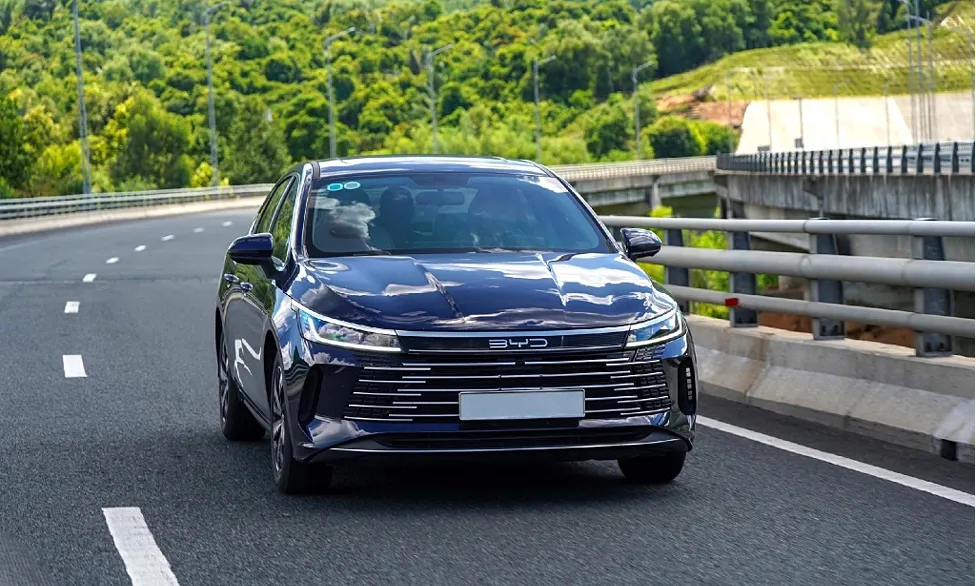 BYD Việt Nam: công nghệ DM-i Super Hybrid tương thích xăng E10
Các dòng xe ứng dụng công nghệ DM-i Super Hybrid tỉ số nén 15,5:1 được tối ưu vật liệu kháng ăn mòn, phù hợp nhiên liệu xăng E10, theo đại diện BYD Việt Nam.
-
 Ôtô cố nhập làn bị xe đi thẳng ủn cả trăm mét
Sau khi cãi nhau vì tranh chấp làn đường, tài xế của chiếc hatchback hùng hổ chặn đường đối thủ và bị đâm ngang rồi ủn đi.
-
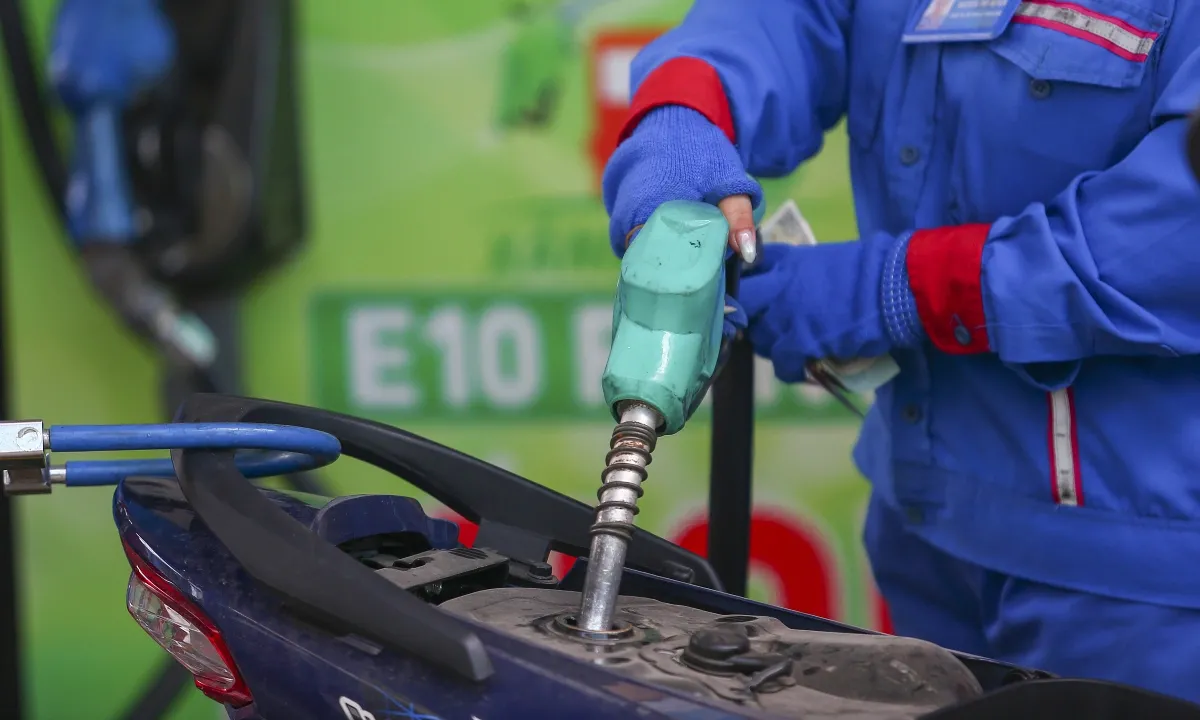 Cách lái xe tiết kiệm nhiên liệu khi chuyển sang xăng E10
Lái xe đều ga, bảo dưỡng hệ thống nhiên liệu và bảo quản xăng đúng cách giúp hạn chế mức tiêu hao khi dùng E10.
-
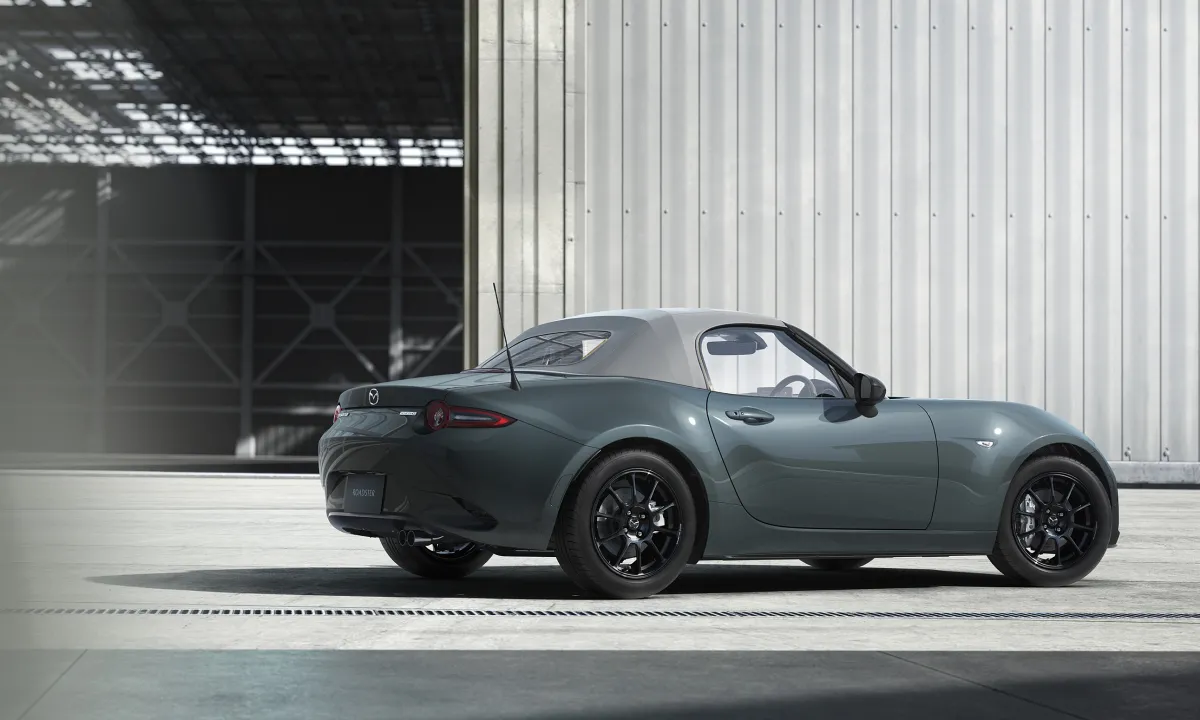 Mazda hồi sinh màu xanh trên MX-5 Miata
Mazda bổ sung màu Zinc Green Metallic cho MX-5 Miata 2027, lần đầu đưa tùy chọn màu xanh trở lại dòng roadster này sau hơn một thập kỷ ra mắt.
-
 Ôtô chạy vào đường tàu điện trên cao vì đi theo GPS
Nữ tài xế lái chiếc Mazda màu đỏ chạy vào tận ga Mount Baker ở Seattle khiến tuyến tàu điện số 1 phải ngừng hoạt động.
-
 Em bé chập chững bước giữa đường toàn xe tải
Từ lề đường, em bé chạy ra giữa đường rồi chạy thẳng về phía đầu xe tải đang đi nhanh tới, hôm 2/6 tại quốc lộ 12B, Lạc Sơn.
-
 Danh sách ôtô, xe máy tương thích xăng E10 tại Việt Nam
Hầu hết xe máy, ôtô tại Việt Nam tương thích với xăng E10, chỉ một số ít xe cũ là không hỗ trợ loại xăng này.
-
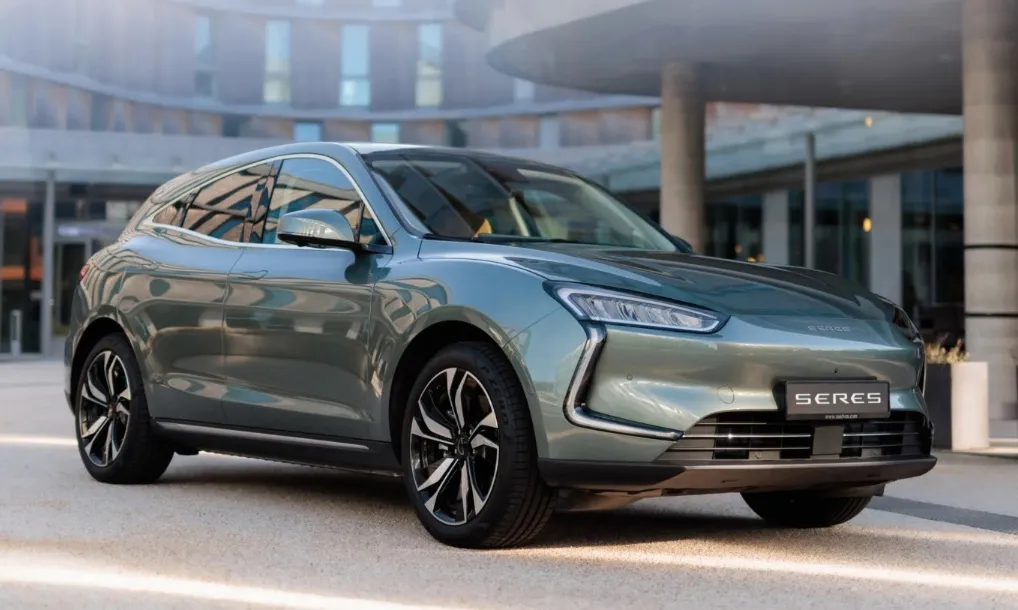 Công ty mẹ của TikTok hợp tác hãng Trung Quốc làm ôtô
ByteDance, công ty mẹ của Tiktok, và tập đoàn Seres chuẩn bị ra mắt thương hiệu ôtô mới dưới một công ty mới.
-
 CEO của Lotus chê xe thể thao nặng hơn 1,8 tấn là 'tầm thường'
Khi chê dòng xe thể thao hơn 1,8 tấn, dường như CEO của Lotus không nhớ ra rằng các mẫu xe năng lượng mới của hãng đều trên mức này.
-
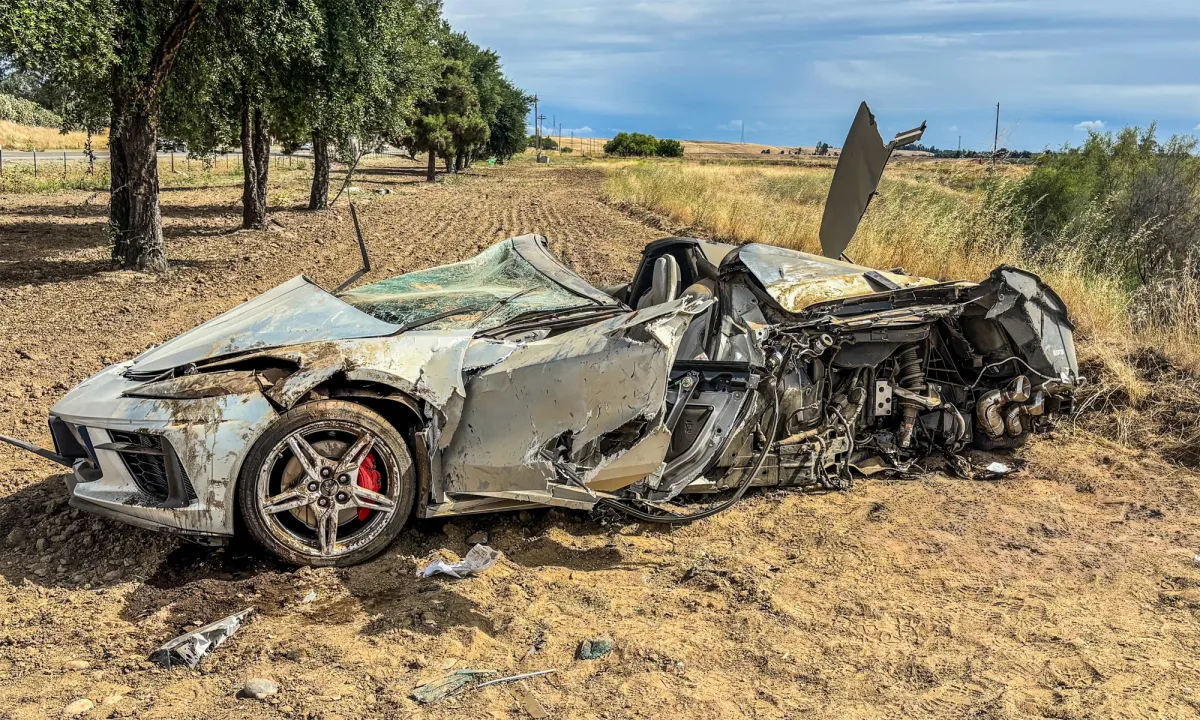 Xe thể thao biến dạng sau tai nạn, tài xế sống sót
Chiếc Chevrolet Corvette C8 trượt hàng trăm mét rồi lộn nhào khiến tài xế bị thương nặng.
-
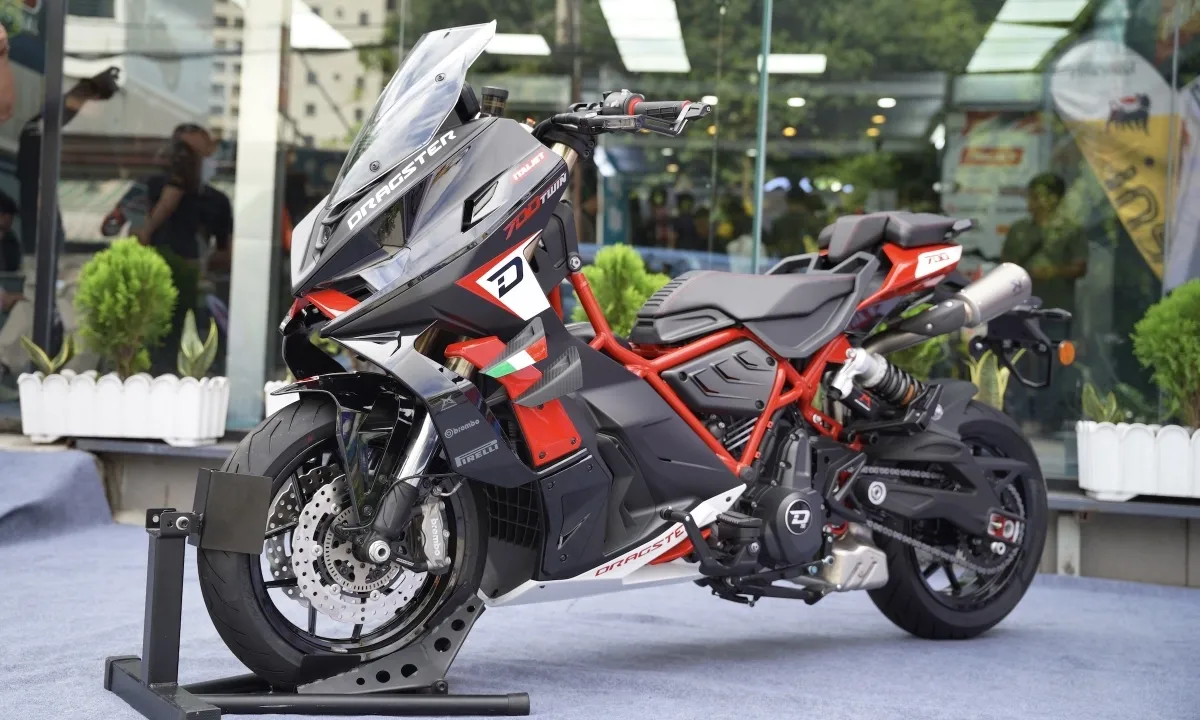 Italjet Dragster 700 - môtô lai scooter giá gần 430 triệu đồng
Mẫu xe máy thương hiệu Italy sở hữu ngoại hình của một mẫu xe ga gầm hố, thể thao, động cơ 700 phân khối với sức mạnh 69 mã lực.


