
In the evolving landscape of digital technology, blockchain investigation has emerged as a crucial field for understanding, tracing, and mitigating the implications of blockchain transactions. As organizations increasingly adopt blockchain technology for its transparency and security features, the necessity for robust investigative methods has become paramount. This article delves into the intricate world of blockchain investigation, exploring its methodologies, challenges, and the significant role it plays in various industries.
Blockchain technology is a decentralized ledger system that records transactions across multiple computers in a way that ensures the security and integrity of the data. Each block contains a list of transactions, and once a block is completed, it is added to the chain of previous blocks, creating a chronological order. This transparency makes blockchain appealing, but it also necessitates thorough investigations to trace fraudulent activities, money laundering, and other illicit behaviors.
These features make blockchain a double-edged sword, providing opportunities for innovation while also creating avenues for misuse.
As cryptocurrencies and blockchain applications proliferate, the need for blockchain investigation has surged. This necessity arises from the potential for anonymity in transactions, which, while a benefit for privacy, can also obscure illicit activities. Organizations, regulators, and law enforcement agencies need effective tools and methodologies to investigate these transactions, identify perpetrators, and maintain the integrity of the blockchain ecosystem.
To effectively investigate blockchain transactions, various methodologies and tools have been developed. These techniques focus on analyzing transaction patterns, user behaviors, and network structures.
Transaction analysis involves examining the flow of funds within the blockchain. By analyzing timestamps, transaction amounts, and wallet addresses, investigators can identify suspicious activities and potentially link them to illicit actors.
Clustering techniques group multiple wallet addresses that appear to be controlled by the same user. This approach is instrumental in uncovering hidden networks of transactions and revealing connections that may not be immediately apparent.
Blockchain explorers are essential tools for investigators, providing a user-friendly interface to access and analyze blockchain data. They allow users to search for transactions, view balances, and track the movement of cryptocurrencies across the network.
Advanced data analytics, including machine learning algorithms, are increasingly utilized to predict and identify fraudulent behaviors. These tools can analyze vast amounts of data to detect anomalies and flag potential risks.
While blockchain investigation has made significant strides, several challenges persist that can hinder effective analysis.
Many blockchain networks, such as Bitcoin, provide a level of anonymity that complicates investigations. Users are identified by wallet addresses rather than personal information, making it challenging to trace transactions back to individuals.
The fast-paced development of blockchain technologies and the emergence of new cryptocurrencies present ongoing challenges for investigators. Keeping up with these changes requires continuous education and adaptation of investigative techniques.
Investigations often cross international borders, raising complex legal and jurisdictional issues. Varying laws and regulations related to cryptocurrency can complicate the enforcement of legal actions against offenders.
At Cyberclaims, we recognize the critical need for effective blockchain investigation strategies. Our expertise lies in harnessing advanced analytical tools and methodologies to provide comprehensive investigations tailored to our clients' needs. Whether it’s tracing stolen assets, ensuring compliance with regulatory standards, or supporting forensic investigations, our team is equipped to tackle the complexities of blockchain technology.
As blockchain technology continues to evolve, so too does the importance of blockchain investigation. By employing advanced methodologies and staying informed about emerging trends, organizations can effectively navigate the challenges posed by this transformative technology. At Cyberclaims, we are committed to providing the expertise and tools necessary for successful blockchain investigations, ensuring that our clients remain protected in this digital age.
The future of blockchain investigation holds promise as technology advances, but it will require constant vigilance and adaptation to effectively mitigate risks and uphold the integrity of the blockchain ecosystem.

Ahmad zaman
19 posts
-
 Elegant House Warming Invitation Video Templates for Memorable Griha Pravesh Celebrations
A new home is a dream come true for every family.
-
 Creative Baby Shower Invitation Video Templates for Special Celebrations
These templates are easy to customize with names, event dates, venue details, photos, and personal messages. Whether you want a cute pink theme, a royal blue design, floral decorations, or animated baby elements, MyVideoInvites offers a wide variety of styles for every celebration.
-
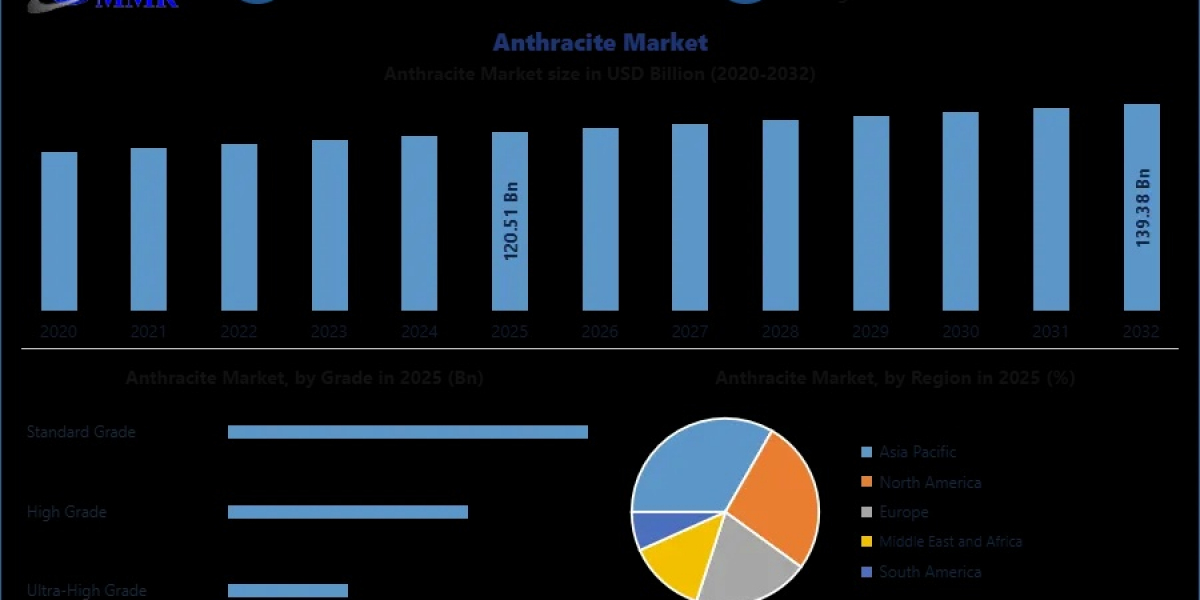 Anthracite Market Opportunities Emerging from Energy Production Needs
The Asia‑Pacific anthracite market is driven by rapid industrialization, robust steel production capacity, and expanding energy demand.
-
 Permanent Makeup in Delhi – Wake Up Beautiful Every Day
Permanent Makeup in Delhi – Wake Up Beautiful Every Day
-
 1st Birthday Invitation Video Maker with Music and Photos
Creating a birthday invitation video online is simple and convenient with myvideoinvites. The platform offers ready made templates and easy editing tools that allow users to create professional looking invitations without technical experience.
-
 Custom Web Development Services for Scalable Business Growth
In today’s digital-first world, having a strong online presence is no longer optional for businesses; it is a necessity.
-
 How GPUs Power Artificial Intelligence and Machine Learning Models
Artificial Intelligence and Machine Learning have become central to digital innovation, driving advancements across industries ranging from healthcare and finance to e-commerce and cybersecurity
-
 How AI Detects Fraud in Real Time
Fraud detection has always been a critical challenge for banks, but AI is transforming how financial institutions identify and prevent fraudulent activities.
-
 DevOps Automation Tools Transforming Software Delivery in 2026
DevOps automation tools are revolutionizing software delivery in 2026. These tools streamline processes, reduce manual effort, and enable faster deployment cycles.
-
 Trusted Rehab Centre in Mumbai – Shree Ramnath Foundation (SRF) for Complete Healing
At SRF, we focus on full recovery through structured treatment, professional care, and support that lasts a long time.
-
 FEMA Compliance Documents Required for Government Contractors
Discover the essential documents required for FEMA compliance. Get a complete checklist to ensure your business meets all FEMA regulations easily.”


