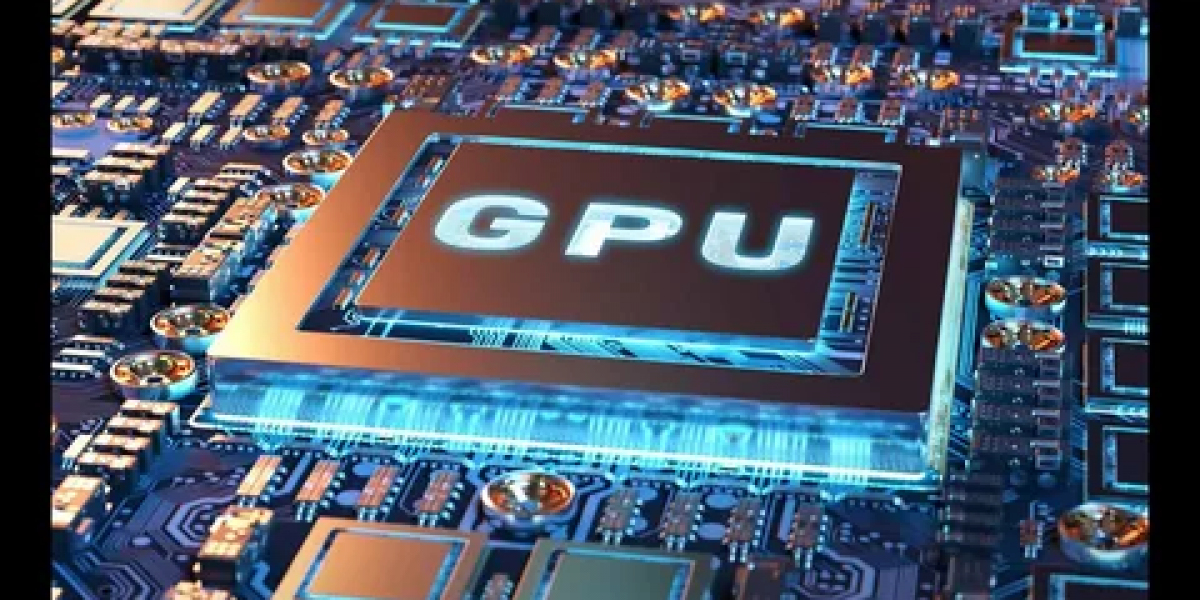
Artificial Intelligence and Machine Learning have become central to digital innovation, driving advancements across industries ranging from healthcare and finance to e-commerce and cybersecurity. Behind the rapid progress of these technologies lies a powerful enabler: the Graphics Processing Unit. GPUs have revolutionized the way AI models are trained and deployed, providing the computational power necessary to handle complex algorithms and massive datasets.
AI models, particularly those based on deep learning, rely on neural networks that consist of multiple layers of interconnected nodes. Training these models involves processing vast amounts of data and performing millions, if not billions, of mathematical operations. Traditional CPUs, while capable of handling general-purpose tasks, are not optimized for the parallel processing required by these operations. GPUs, on the other hand, are specifically designed to handle parallel workloads, making them ideal for AI applications.
The architecture of GPUs allows them to perform multiple calculations simultaneously, significantly reducing the time required to train AI models. This is particularly important for deep learning applications, where training can take days or even weeks using conventional hardware. By leveraging GPUs, organizations can accelerate this process, enabling faster experimentation and innovation.
Another key advantage of GPUs in AI is their ability to handle large datasets efficiently. Machine learning models require extensive data to learn patterns and make accurate predictions. GPUs can process this data in parallel, allowing models to scale effectively and improve performance. This capability is essential for applications such as image recognition, natural language processing, and autonomous systems, where large volumes of data are involved.
In addition to training, GPUs also play a crucial role in inference, which is the process of using a trained model to make predictions. Real-time applications, such as recommendation systems and fraud detection, require fast and efficient inference. GPUs enable these applications to deliver results بسرعة, ensuring a seamless user experience.
The use of GPUs in AI is also driving advancements in areas such as reinforcement learning and generative models. These techniques require significant computational resources to simulate environments and generate outputs. GPUs provide the necessary power to support these complex processes, enabling the development of more sophisticated AI systems.
Cloud computing has further expanded the accessibility of GPU-powered AI. Organizations can now leverage cloud-based GPU services to train and deploy models without investing in expensive hardware. This has democratized access to AI capabilities, allowing startups and smaller enterprises to compete with larger organizations.
Despite their advantages, GPUs also present challenges, including high energy consumption and cost. However, ongoing advancements in hardware design and optimization techniques are helping to mitigate these issues, making GPUs more efficient and cost-effective.
As AI continues to evolve, the importance of GPUs will only increase. Emerging technologies such as edge AI and decentralized AI networks will rely heavily on GPU computing to deliver high-performance capabilities. This will enable the development of more intelligent and responsive systems that can operate in real time.
In conclusion, GPUs are a fundamental component of modern AI and machine learning, providing the computational power needed to train and deploy complex models. Their ability to handle parallel processing and large datasets makes them indispensable in today’s AI-driven world.
Intelisync is helping businesses harness the power of GPU-accelerated AI to build intelligent, scalable, and high-performance solutions that drive innovation and growth

Javed Khan
11 posts
-
 Green Engineering and Health Optimization at Whiteland The Aspen
To address this, Whiteland Corporation integrated specialized CTMA3 Air Purification technology into the core building systems. This central air infrastructure works continuously to treat, filter, and circulate air throughout enclosed common areas, double-height entrance lobbies, and tower
-
 Mastering the Asset: Technical Infrastructure, Micro-Market Value, and Structural Layouts at DLF Park Place
This deep dive focuses on the granular technical infrastructure, exact structural layouts, and macro-economic factors that explain why this specific project maintains a massive edge over its competition in 2026.
-
 Brand Identity and Tenant Experience: Cultivating Loyalty at Elan Empire Gurgaon
Securing high occupancy in a premium high-street asset is only half the battle. For long-term viability, property management and individual investors must shift their focus to building tenant loyalty and creating a distinctive brand identity.
-
 Master Review: Evaluating Godrej Nature Plus, Sector 33, Gurgaon
The layout uses a smart structural pattern where towers are angled away from each other. This creates a staggered footprint that gives corner apartments clear, unblocked views of the Aravalli foothills while ensuring optimal morning and afternoon sunlight. Inside the towers, the floor plan
-
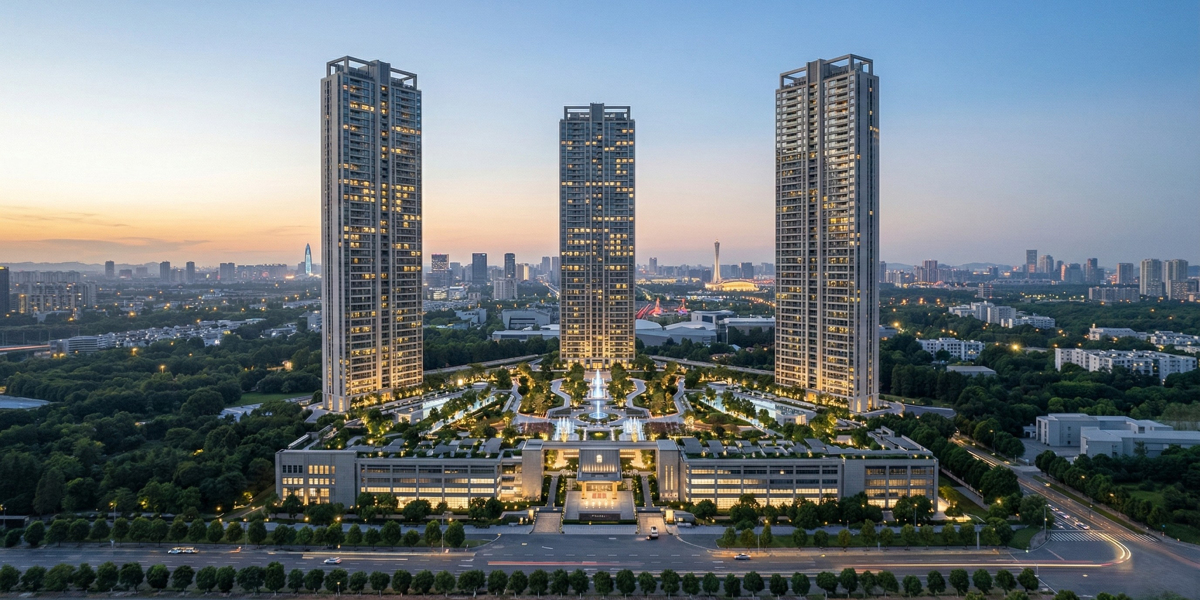 BPTP Downtown 66: A Masterpiece of Vertical Luxury in Sector 66
BPTP Downtown 66 has emerged as one of the most anticipated high-rise developments on the Golf Course Extension Road. Designed by the globally acclaimed architectural firm Aedas, this project is not just a residential complex but a vertical ecosystem where luxury meets functionality.
-
 Aesthetic Clinic in Australia | Beauty Clinic in Carolina | PM Aesthetics
Discover a trusted aesthetic clinic in Australia and a professional beauty clinic in Carolina. PM Aesthetics offers advanced skincare, cosmetic treatments, and personalized beauty solutions.
-
 The Masterful Synergy at Signature Global Tonino Lamborghini
Signature Global Tonino Lamborghini Residences represents a ₹2,890 crore synergy of Italian supercar aesthetics and Indian engineering excellence in Sector 71.
-
 Sidewalk Repair NYC: A Complete Guide for Property Owners
Sidewalks in New York City endure constant wear and tear due to heavy foot traffic, extreme weather conditions, and tree root growth. Over time, cracks, uneven surfaces, and potholes can develop. These issues not only create an unpleasant appearance but also pose serious safety hazards for
-
 Why Natural Stone Wall Panels Are Becoming the First Choice for Modern Interiors
Discover why natural stone wall panels are becoming a top choice for modern interiors and exteriors. Learn about their durability, aesthetic appeal, and versatile applications for residential and commercial spaces.
-
 Chemical Supplier for Industrial in UAE: Reliable Solutions for Modern Industries
Find a reliable chemical supplier for industrial in UAE offering high-quality products, consistent supply, and tailored solutions for manufacturing, oil & gas, construction, and water treatment industries.
-
 Signature Global Cloverdale SPR Gurgaon – A Modern Address for Comfortable Living
This connectivity allows residents to easily access major employment hubs, corporate offices, and business districts. The proximity to IGI Airport further adds to its appeal, especially for professionals who travel frequently.


