V
Government contractors operating in sectors related to disaster management, emergency services, and infrastructure support must comply with the Federal Emergency Management Agency (FEMA) regulations. Ensuring compliance not only maintains eligibility for contracts but also safeguards operations against legal and operational risks. One of the most critical aspects of FEMA compliance is maintaining accurate and up-to-date documentation. This article explores the essential documents required for FEMA compliance and provides guidance for contractors navigating this regulatory framework.
Understanding FEMA Compliance
FEMA compliance is the adherence to federal regulations, policies, and procedures established by the Federal Emergency Management Agency to ensure effective disaster preparedness, response, and recovery. Government contractors working with FEMA must demonstrate that they meet these standards, which are enforced through audits, inspections, and contractual obligations.
The foundation of compliance lies in proper recordkeeping and documentation. FEMA requires contractors to provide comprehensive documents required for FEMA compliance to verify their qualifications, operational procedures, and adherence to safety and performance standards.
Key FEMA Compliance Requirements for Contractors
Contractors working with FEMA must fulfill multiple regulatory and contractual requirements. These include:
- Demonstrating financial accountability
- Maintaining proper certifications and licenses
- Following safety and risk management protocols
- Submitting accurate operational and project reports
Each of these requirements is supported by specific documentation. Failure to provide the proper documents required for FEMA compliance can result in penalties, contract termination, or disqualification from future opportunities.
Essential Documents Required for FEMA Compliance
Government contractors should prepare the following documents required for FEMA compliance to ensure smooth operations:
1. Business and Financial Documentation
Financial transparency is critical for FEMA compliance. Contractors must provide:
- Financial statements: Audited reports showing the contractor’s financial stability
- Bank statements: Verification of liquidity to undertake projects
- Insurance certificates: Proof of coverage, including general liability, workers’ compensation, and professional liability insurance
- Tax records: Evidence of tax compliance at federal, state, and local levels
These documents demonstrate that the contractor has the necessary financial foundation to perform FEMA projects responsibly.
2. Licensing and Certifications
Contractors are required to maintain proper licenses and certifications relevant to their area of work. Required documents include:
- Professional licenses: Depending on the scope, engineers, construction firms, and medical service providers must maintain current licenses
- FEMA-specific certifications: Such as those related to disaster response, emergency management, and hazardous materials handling
- Training records: Documentation of staff training on safety protocols, emergency procedures, and regulatory compliance
These certifications assure FEMA that contractors are competent and qualified to execute sensitive disaster-related tasks.
3. Operational and Project Documentation
FEMA emphasizes operational readiness and accountability. Contractors must provide:
- Project plans and proposals: Detailed descriptions of project scope, timelines, and deliverables
- Safety and risk management plans: Measures for ensuring safety of personnel and the public
- Standard operating procedures (SOPs): Guidelines for responding to emergency scenarios and managing projects
- After-action reports: Documentation of completed projects, including lessons learned and recommendations
These records serve as proof that the contractor can effectively manage FEMA-funded projects while maintaining compliance standards.
4. Employee and Workforce Documentation
Proper workforce management is crucial for FEMA projects. Contractors must maintain:
- Personnel records: Employee identification, qualifications, and clearances
- Background checks: Verification for roles involving sensitive operations
- Training certifications: Evidence of specialized training in disaster management, safety protocols, and emergency response
Maintaining accurate employee documentation ensures that FEMA projects are staffed with qualified and compliant personnel.
5. Compliance and Audit Records
FEMA periodically audits contractors to verify adherence to regulatory standards. Important compliance documents include:
- Internal audit reports: Self-assessments of compliance with FEMA regulations
- Third-party audit reports: Independent verification of financial, operational, and safety compliance
- Corrective action plans: Documentation addressing previous audit findings or compliance gaps
Proper recordkeeping of audit results and actions demonstrates transparency and a commitment to continuous compliance improvement.
How to Organize FEMA Compliance Documents
Organizing documents required for FEMA compliance efficiently is as important as having them. Contractors should:
- Maintain both physical and digital copies of all documentation
- Implement a centralized document management system for easy retrieval
- Regularly update records to reflect changes in licenses, personnel, or operational procedures
- Ensure that documentation aligns with contract-specific requirements
An organized approach reduces the risk of non-compliance during audits or project reviews.
Common Challenges in Maintaining FEMA Compliance Documents
Many government contractors face challenges in managing compliance documents, such as:
- Incomplete or outdated records: Missing updates can lead to penalties
- Improper documentation formats: Non-standardized files may be rejected during audits
- Staff turnover: Loss of trained personnel can create gaps in training and certification records
Addressing these challenges requires proactive planning, regular audits, and strict internal controls over documentation.
Benefits of Maintaining FEMA Compliance Documents
Accurate documentation provides several benefits for government contractors:
- Ensures eligibility for FEMA contracts and funding
- Reduces legal and operational risks
- Enhances accountability and transparency in project execution
- Strengthens the contractor’s reputation as reliable and compliant
By prioritizing the documents required for FEMA compliance, contractors can streamline operations and demonstrate a high standard of professional integrity.
Final Thoughts
For government contractors, understanding and maintaining the correct documents required for FEMA compliance is essential for success in disaster management projects. From financial statements and licenses to operational plans and employee records, each document serves as proof of the contractor’s capability and reliability. Proper organization, regular updates, and proactive compliance management are key to avoiding penalties, ensuring contract fulfillment, and fostering strong partnerships with FEMA. By prioritizing compliance documentation, contractors not only protect their business but also contribute to effective disaster preparedness and response nationwide.

Companies Next
2 posts
-
 Overcoming Alcohol Addiction Through Rehabilitation in Mumbai
"The Shree Ramnath Foundation is a dedicated de-addiction and rehabilitation centre committed to helping individuals overcome substance abuse. Located near the Tansa River East in Virar, this center provides a supportive and structured environment for recovery."
-
 Green Engineering and Health Optimization at Whiteland The Aspen
To address this, Whiteland Corporation integrated specialized CTMA3 Air Purification technology into the core building systems. This central air infrastructure works continuously to treat, filter, and circulate air throughout enclosed common areas, double-height entrance lobbies, and tower
-
 Mastering the Asset: Technical Infrastructure, Micro-Market Value, and Structural Layouts at DLF Park Place
This deep dive focuses on the granular technical infrastructure, exact structural layouts, and macro-economic factors that explain why this specific project maintains a massive edge over its competition in 2026.
-
 Elegant House Warming Invitation Video Templates for Memorable Griha Pravesh Celebrations
A new home is a dream come true for every family.
-
 Brand Identity and Tenant Experience: Cultivating Loyalty at Elan Empire Gurgaon
Securing high occupancy in a premium high-street asset is only half the battle. For long-term viability, property management and individual investors must shift their focus to building tenant loyalty and creating a distinctive brand identity.
-
 Master Review: Evaluating Godrej Nature Plus, Sector 33, Gurgaon
The layout uses a smart structural pattern where towers are angled away from each other. This creates a staggered footprint that gives corner apartments clear, unblocked views of the Aravalli foothills while ensuring optimal morning and afternoon sunlight. Inside the towers, the floor plan
-
 Creative Baby Shower Invitation Video Templates for Special Celebrations
These templates are easy to customize with names, event dates, venue details, photos, and personal messages. Whether you want a cute pink theme, a royal blue design, floral decorations, or animated baby elements, MyVideoInvites offers a wide variety of styles for every celebration.
-
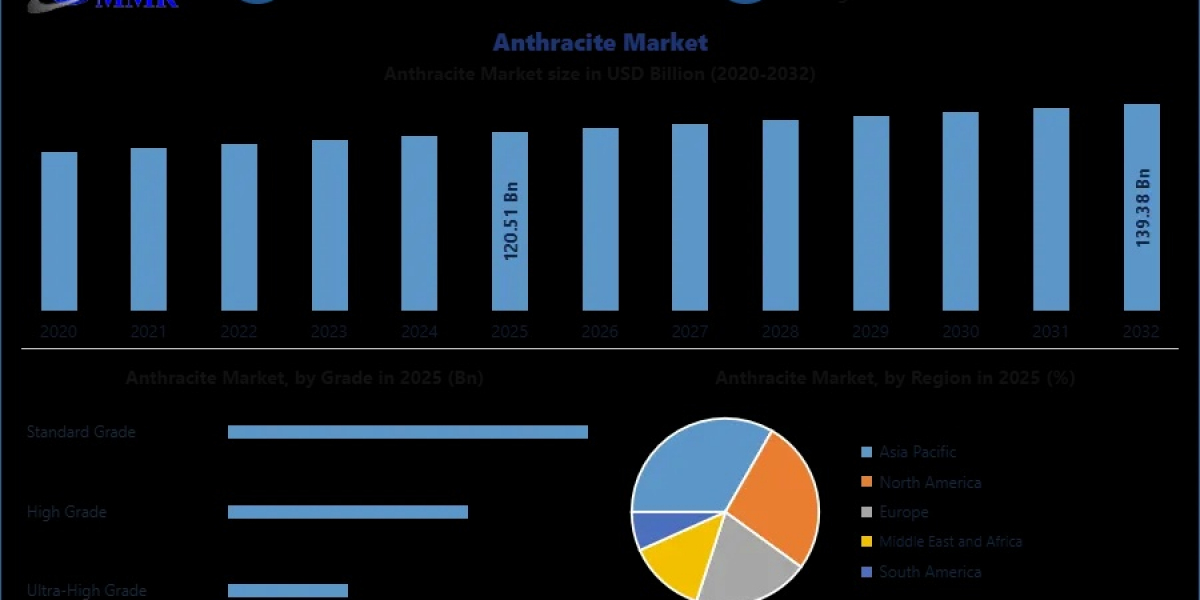 Anthracite Market Opportunities Emerging from Energy Production Needs
The Asia‑Pacific anthracite market is driven by rapid industrialization, robust steel production capacity, and expanding energy demand.
-
 Mastering the Metropolitan Maze The Ultimate Legal Shield for Capital Motorists
Mastering the Metropolitan Maze The Ultimate Legal Shield for Capital Motorists
-
 Permanent Makeup in Delhi – Wake Up Beautiful Every Day
Permanent Makeup in Delhi – Wake Up Beautiful Every Day
-
 1st Birthday Invitation Video Maker with Music and Photos
Creating a birthday invitation video online is simple and convenient with myvideoinvites. The platform offers ready made templates and easy editing tools that allow users to create professional looking invitations without technical experience.


