Business Tax Preparation: A Strategic Guide to Streamlining Finances and Maximizing Savings


Tax season doesn’t have to be a stressful scramble to collect documents, crunch numbers, or chase deductions. With a clear tax preparation strategy, your business can save money, reduce risk, and improve cash flow — all while staying fully compliant with the law.
This guide will help you master the essentials of business tax preparation, streamline your financial processes, and uncover tax-saving opportunities to make smarter decisions year-round.
Many business owners treat taxes as a once-a-year obligation. But the most successful companies integrate tax planning into their monthly or quarterly financial routines. Here's why it matters:
Avoid penalties and interest by paying on time and staying compliant.
Improve cash flow with better forecasting and expense planning.
Reduce your tax burden with legitimate deductions and credits.
Make smarter investments by knowing the financial impact of business decisions.
In short, tax preparation isn’t just about paperwork — it’s a core part of financial strategy.
Disorganized records are the #1 reason businesses overpay taxes or face compliance issues. Good recordkeeping not only saves time during tax season — it unlocks opportunities for audit-proof deductions and better decision-making.
Revenue/invoices
Business expenses and receipts
Payroll and contractor payments
Loan interest and bank statements
Asset purchases and depreciation
Tax filings (GST, TDS, Advance Tax)
Use accounting software like QuickBooks, Zoho Books, Tally, or Xero to automate much of this work.
Tip: Digitize all physical receipts and keep cloud backups to stay audit-ready.
Your business structure directly affects your tax liabilities and filing obligations.
Sole Proprietorship: Simple filing, but income is taxed at individual rates.
Partnership / LLP: Profits are taxed in partners’ hands; LLPs have more legal protections.
Private Limited Company: Pays corporate tax; eligible for specific startup tax exemptions.
One Person Company (OPC): Hybrid of a sole proprietorship and private limited company.
Consult a tax advisor or CA to ensure your structure supports your growth and minimizes tax exposure.
Depending on your industry and turnover, you may be liable for several types of taxes:
Income Tax: Based on net business profit.
GST: Mandatory for businesses with turnover above ₹20 lakh (₹10 lakh for NE states); input tax credit (ITC) helps reduce overall liability.
TDS (Tax Deducted at Source): Must be deducted on payments to employees, contractors, rent, and professionals.
Advance Tax: Payable in quarterly installments if total tax liability exceeds ₹10,000.
Missing deadlines or underpayment can attract interest and penalties. Stay on top of tax calendars and automate payments wherever possible.
Most businesses overpay taxes simply because they miss or misclassify deductions. The Income Tax Act allows several business expenses to be deducted from gross income.
Employee salaries and bonuses
Rent and utility bills for office premises
Business travel and lodging
Marketing and advertising expenses
Professional fees (lawyers, accountants)
Depreciation on machinery, vehicles, and equipment
Internet, phone, and software subscriptions
Tip: Maintain documentation for each expense — invoices, payment proofs, and usage rationale. This is critical for audits.
Assets like machinery, office equipment, and vehicles lose value over time. Instead of deducting their full cost in one year, depreciation allows you to spread the expense over multiple years.
There are two main methods:
Straight Line Method (SLM)
Written Down Value Method (WDV)
Using depreciation effectively helps manage taxable income and smooths out profit reporting year-to-year.
Late or incorrect tax filings can result in penalties, interest, and notices from the Income Tax Department or GST authorities.
Income Tax Return (ITR): July 31 (non-audit), October 31 (audit cases)
GST Returns: Monthly or quarterly, based on scheme and turnover
TDS Returns: Quarterly filing required if TDS is deducted
Advance Tax: Due on June 15, Sept 15, Dec 15, and March 15
Consider outsourcing your tax filings to a qualified CA or tax consultant to avoid errors, especially as your business scales.
Depending on your industry, size, and activities, you might qualify for government incentives:
Startup India tax benefits (Section 80-IAC) for eligible startups
Research & Development (R&D) credits
GST Input Tax Credit (ITC) on purchases used for business
Deductions under Section 35 for scientific research
Export-related incentives (SEIS/MEIS) for businesses dealing in global trade
Always consult with a tax professional to ensure you're claiming all eligible credits.
Before the financial year closes (March 31), do a tax health check:
Review expenses to maximize deductions
Consider asset purchases or prepayments
Evaluate provisional profits and tax payments
Plan for dividend distributions or reinvestments
Reconcile books and correct any errors
This pre-filing prep can shave thousands off your tax bill and reduce compliance risk.
DIY tax prep might save money now, but working with professionals saves more in the long run.
Optimize tax strategy for your business goals
Identify overlooked deductions or compliance gaps
Get timely reminders and legal updates
Minimize risk of audits, fines, or legal complications
Platforms like TaxKitab connect businesses with trusted tax professionals, offering cost-effective, tech-enabled solutions tailored to your needs.
Business tax preparation isn’t just about surviving the deadline — it’s about using the tax system strategically to support your growth, improve financial clarity, and keep more of what you earn.
With the right tools, a proactive mindset, and expert support, you can take control of your tax journey and build a financially resilient business.
Mahima jaiswal
3Blog posts
-
 Microsoft ra chip lượng tử mới 'với sự trợ giúp của AI'
Microsoft công bố chip lượng tử Majorana 2 sử dụng vật liệu gốc chì mới, và tuyên bố do các công cụ AI khoa học vật liệu hỗ trợ.
-
 Tàu quỹ đạo Sao Hỏa của NASA dừng hoạt động sau 11 năm
Sau 6 tháng mất liên lạc, NASA tuyên bố Maven, tàu vũ trụ bay quanh Sao Hỏa để nghiên cứu khí quyển, chính thức dừng hoạt động.
-
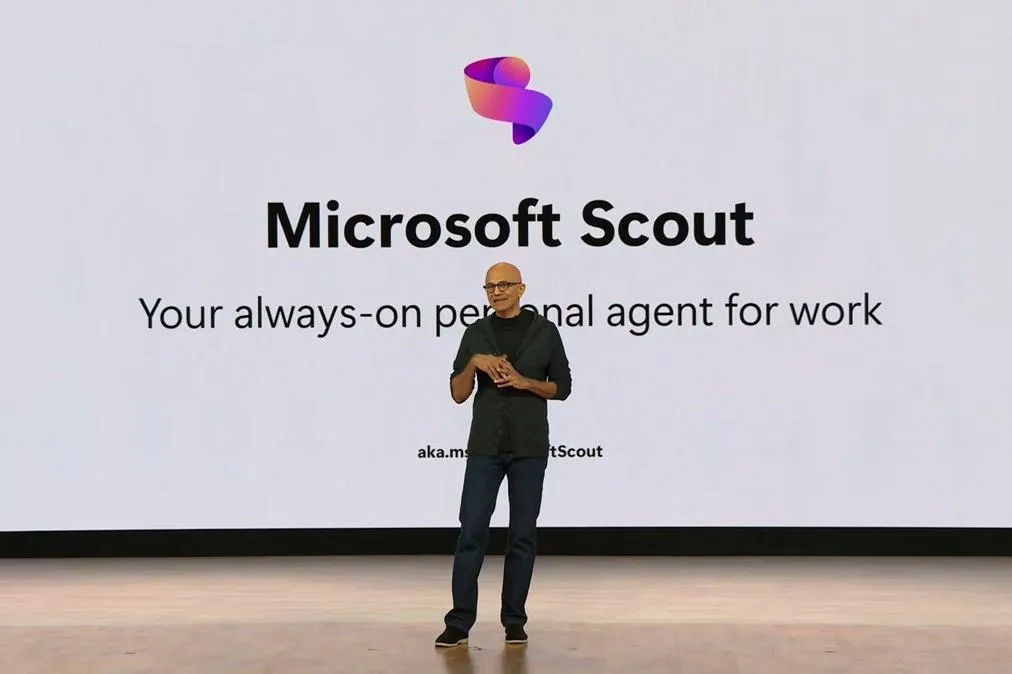 Microsoft ra tác nhân tự chủ tương tự OpenClaw
Microsoft công bố Scout, được xây dựng trên sức mạnh và tính linh hoạt của OpenClaw, giúp nhân viên tự động hóa công việc văn phòng.
-
 Giá tiền ảo Pi lại 'sập' mạnh
Tiền ảo Pi Network tiếp tục giảm gần 20% giá trị, trong bối cảnh dự án không có nhiều chuyển biến mới trong nửa đầu năm.
-
 Ứng dụng tra cứu giá xăng và phản ánh vi phạm chất lượng
Bộ Công Thương đưa vào vận hành ứng dụng Quanh tôi hôm 1/6, giúp người dân có thể tìm cây xăng, dầu, xem giá bán, gửi phản ánh vi phạm và theo dõi chi phí nhiên liệu.
-
 Scaling from 0 to 100: The 2026 Playbook for Setting Up a GCC in India
As India cements its position as a global hub for innovation and technology talent, companies are rethinking how they establish and scale Global Capability Centers. This guide outlines a modern, phased approach to building a GCC in India; enabling faster hiring, streamlined operations, and
-
 Cần cẩu lớn nhất thế giới lắp đặt lò phản ứng hạt nhân
Cần cẩu Big Carl nâng thùng lò phản ứng và đặt chuẩn xác lên vòng đỡ tại nhà máy điện hạt nhân Hinkley Point C chỉ trong hai ngày.
-
 Xiaomi 17T Pro đọ cấu hình Galaxy S26 Ultra, iPhone 17 Pro
Xiaomi 17T Pro mới ra mắt nổi bật với camera Leica, zoom 5x, so sánh cấu hình với hai model cao cấp bán tốt ở Việt Nam là Galaxy S26 Ultra và iPhone 17 Pro.
-
 'Viễn thông Việt Nam đã qua thời cạnh tranh bằng giá'
Thay vì chạy đua về giá trên mỗi megabit, đại diện GSMA nhận định nhà mạng Việt Nam cần lấy chất lượng làm mục tiêu, đồng thời tiến tới chuyển đổi thành công ty công nghệ, công ty AI.
-
 Kỳ vọng từ mô hình nghiên cứu AI mở đầu tiên của Việt Nam
Saigon AI Hub chọn mô hình mở để kết nối hạ tầng, học thuật và cộng đồng nghiên cứu, kỳ vọng tạo lối đi riêng để đưa AI Việt Nam vào thị trường toàn cầu.
-
 Ứng dụng ChatGPT đạt một tỷ người dùng hàng tháng
ChatGPT trở thành ứng dụng đạt một tỷ người dùng hàng tháng nhanh nhất từ trước đến nay khi chỉ cần khoảng ba năm.


