BoM forecasts strong El Niño and warns climate change could amplify any effects on Australia

By Graham Readfearn • June 16, 2026 • Environment
El Niño events linked with extreme weather around the world – and can increase risk of bushfires in Australia and coral bleaching on Great Barrier Reef
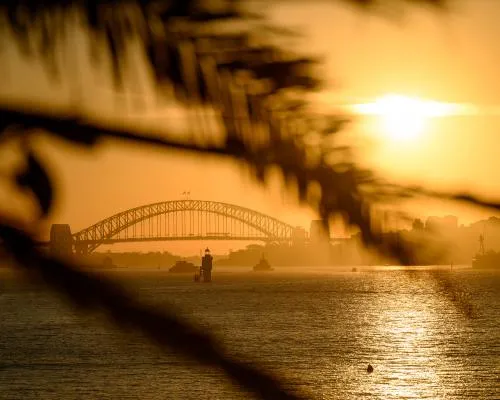
The Bureau of Meteorology has officially declared an El Niño – the phenomenon linked to hotter and drier conditions for Australia – is now locked in place in the tropical Pacific Ocean. The bureau warned climate change would amplify the effects on Australia, including the risk of extreme heat and bushfires. In an update, the bureau said El Niño was now “underway in the tropical Pacific” because the atmosphere was now reacting to the higher than average sea surface temperatures. The east to west trade winds were weakening and pressure and cloud patterns were consistent with El Niño, the BoM said. Forecasts were pointing to a strong or very strong event, the bureau said, adding the strength did not “necessarily mean strong impacts on Australia’s climate”. Sign up for the Breaking News Australia email The strength of El Niño events are gauged by sea surface temperatures in a specific region of the tropical Pacific and how much hotter they are than the long-term average. The bureau said past El Niño events had coincided with lower winter and spring rainfall, particularly in Australia’s eastern half, higher daytime temperatures in the south and an increased frost risk because of clearer skies. “However, in a warming climate, past patterns are less reliable as a predictor of future impacts,” the bureau said. El Niño events are linked with extreme weather around the world and, for Australia, can increase the risk of bushfires and coral bleaching on the Great Barrier Reef. Felicity Gamble, the bureau’s technical lead for extended prediction, said: “We have to keep in mind that we are in unprecedented conditions because of the global heat [in the oceans].” She said the rise in ocean temperatures in the tropical Pacific had been “rapid” in recent months and the bureau had been waiting to confirm the atmosphere had responded. “We see this event emerge in a world that is 1.5C hotter, and we are likely to see unprecedented temperatures in our oceans. “Climate change will amplify those impacts that we anticipate, such as heat and fires. We are on the back of some reasonable rainfall in recent months so maybe we are not in such a bad starting point.” The US government’s National Oceanic and Atmospheric Administration and the Japan Meteorological Agency have already declared the El Niño, but both use slightly different methods and thresholds for making the declaration than the bureau. Climate experts have warned the weather extremes linked to El Niño are being supercharged by global heating, with hotter temperatures, fiercer droughts and worse flooding. Experts also expect the El Niño to deliver a record warm year for the planet next year. The Climate Council said El Niño and greenhouse gas emissions from fossil fuels were creating a “dangerous double act” for Australia. Amanda McKenzie, the council’s chief executive, said the “double whammy of climate pollution and El Niño will hit many of us hard”. “Many farmers are already dealing with drought conditions, while those on the urban bushland fringe are at even greater risk of dangerous fire conditions.”
Source: The Guardian
Green News
76 posts
-
 AI could help win ‘race against extinction’ of vital plants, say botanists
Tech is helping to identify and save new specimens and could open ‘genomic goldmine’ of fungi data
-
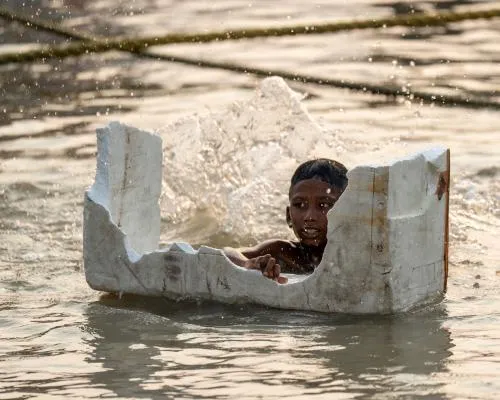 Half of world’s children exposed to at least three climate hazards, Unicef says
Almost every child, including those from high-income countries, is now exposed to at least one hazard
-
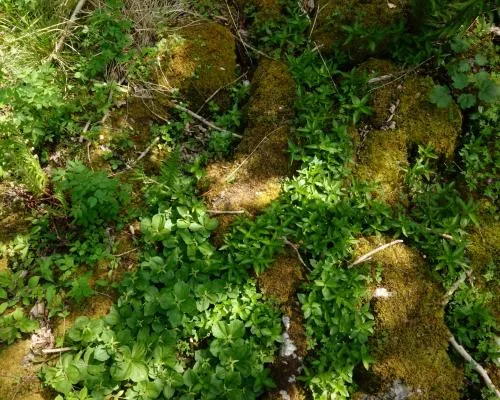 Country diary: A revelation among the ‘clints and grikes’ of my limestone seat
Wharfedale, Yorkshire: On the trail of a wood warbler, I find a suite of woodland plants rising up from a fascinating land formation – limestone pavement
-
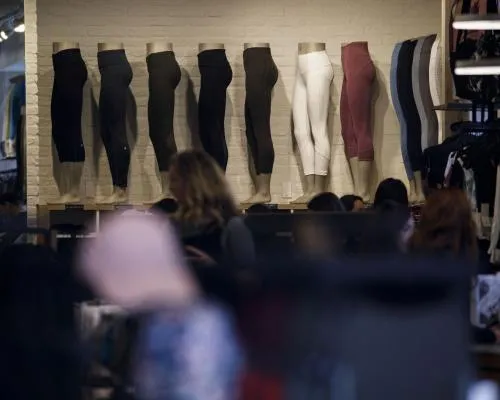 State bans on Pfas reduce ‘forever chemicals’ in clothing and textiles, US report finds
About 80% of 115 products tested show levels of Pfas that comply with rules – but some firms still exceeding limits
-
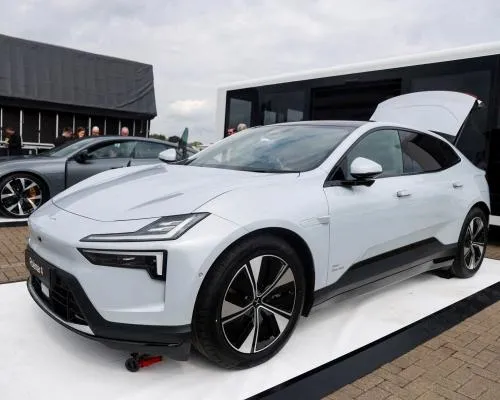 Backlash against ‘short-termist’ UK plans to weaken EV sales targets
Charging industry and electric vehicle manufacturers say measure could cost jobs and harm UK automotive sector
-
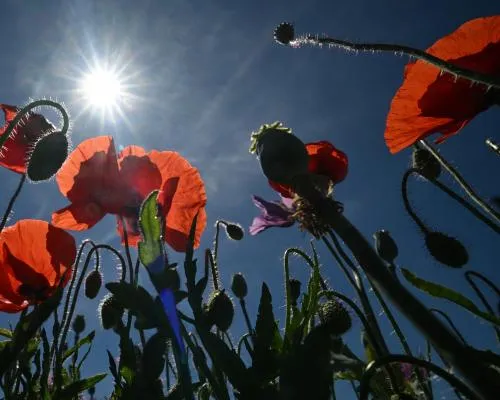 Weather tracker: Saharan heat to send temperatures soaring across Europe
Heatwave conditions build over much of continent, while mild start to winter continues in parts of Australia
-
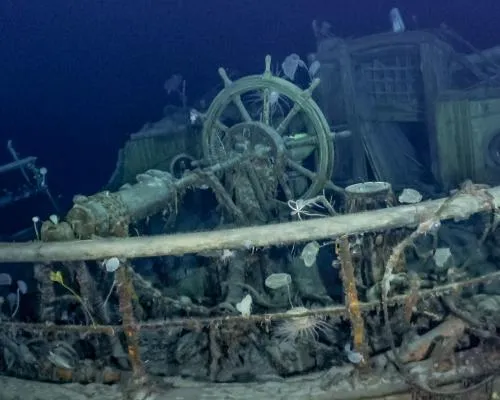 ‘The Antarctic is the last frontier’: the quest to save Shackleton’s Endurance
Amid fears the wreck will be more accessible to explorers – and new species – as the climate warms, conservationists want to create the region’s first underwater protected area
-
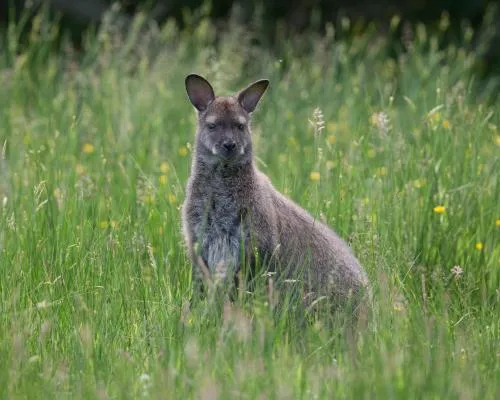 Country diary: Our island’s wandering wallabies come at a cost
Ballaugh, Isle of Man: As I discover, spotting one of these marsupials isn’t hard. The problem is how to manage them
-
 Shark expert says Tony Abbott ‘doesn’t understand the science’ after former PM calls for cull
Another expert says drone technology may have prevented a shark attack at Coogee beach on Saturday
-
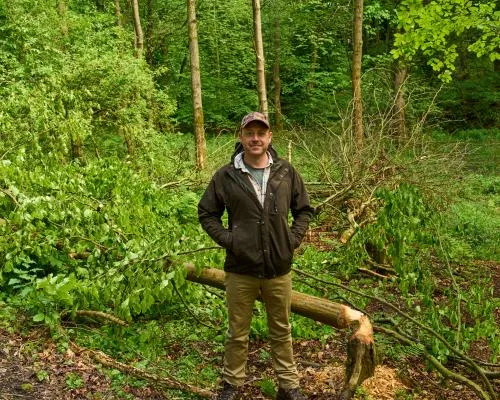 ‘People start connecting the dots’: why an investment fund is rewilding a North Yorkshire estate
Rebalance Earth is investing in Broughton Sanctuary to generate financial, environmental and social returns


