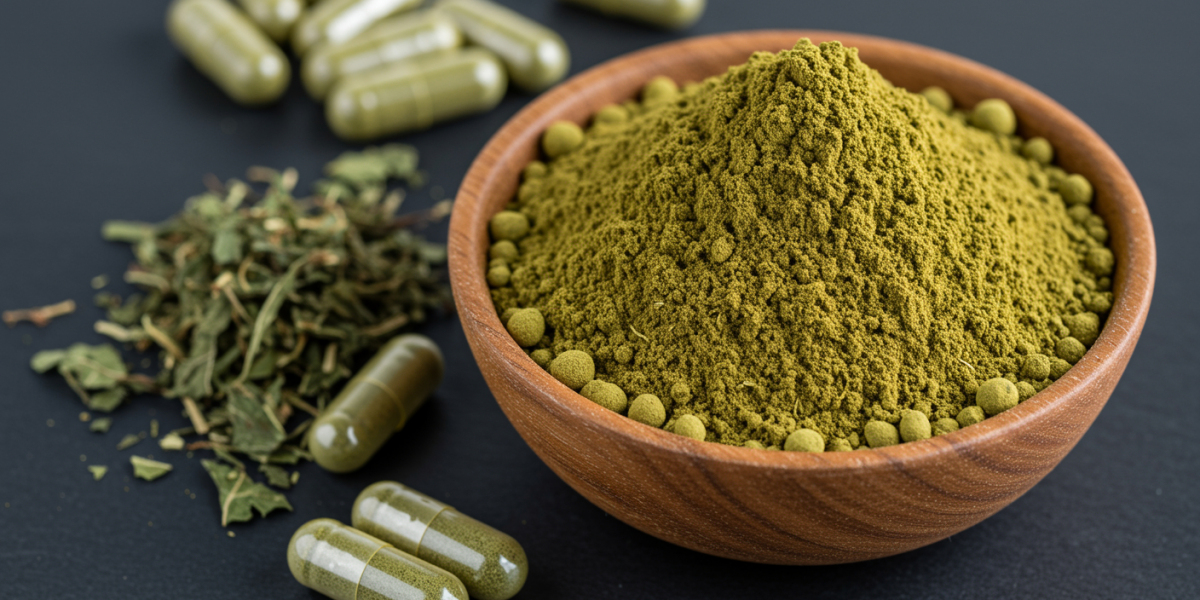
The sample looked perfect, the COA matched your spec, and the price undercut your current vendor by 11%—yet three weeks after landing, your production team flags inconsistency. That’s the gap most buyers discover too late when dealing with Brahmi Extract Manufacturers. The issue isn’t availability. India has plenty. The issue is repeatability under real production conditions, not lab-perfect samples.
Most buyers don’t realise how quickly a “good deal” turns into a cost problem.
A 10:1 or 20:1 ratio sounds definitive. It isn’t. Different Brahmi Extract Manufacturers in India use different extraction cycles to reach those ratios. Some push temperature higher to reduce processing time. That degrades sensitive compounds. Others stretch solvent cycles, which increases residue risk.
Which means two suppliers quoting 10:1 are not selling the same thing.
Typical Brahmi Extract is standardized among 20% and 50% bacosides. Here’s the part buyers miss: HPLC calibration varies across labs. A 2.4% deviation isn’t unusual. That can push your finished product claims into non-compliance if you’re exporting.
Water-based extracts sound safer. Alcohol-based extracts often retain superior phytochemical balance. The problem sits in evaporation control. Poorly managed drying stages leave residues just inside acceptable limits—and sometimes just outside.
Nobody tells you how often moisture causes problems. Above 5%, microbial risk increases sharply. More importantly, moisture affects flow properties in automated filling lines.
Fine powder looks appealing. Over-milling creates clumping, especially in humid conditions. We’ve seen entire batches rejected during July shipments because powder caked inside drums.
How to Evaluate Brahmi Extract Manufacturers Without Guesswork
Good answer: “Last 10 batches ranged among 38.6%–40.1% bacosides.”
Bad answer: “We meet 40% spec.”
That’s not a range. That’s a sales line.
Most suppliers state 24-month shelf life. Few show real data beyond 6 months.
If a supplier avoids explaining solvent cycles or drying methods, assume shortcuts. That assumption is usually correct.
A surprising number of Brahmi Extract Dealers can’t trace raw herb lots. That’s where disputes start—and where buyers lose leverage.
A supplier saying “we’ll review issues case by case” is telling you they have no defined policy. You will argue after delivery. You will not win.
What the Right Manufacturer Actually Protects
Stable bacoside levels reduce reformulation time. That directly protects your margins.
Even a 2.7% rejection rate across shipments can erase cost savings from cheaper sourcing.
Predictable particle size and moisture reduce machine stoppages. That matters more than most procurement teams expect.
Accurate documentation avoids regulatory setbacks, especially in EU-bound shipments where herbal extracts face tighter scrutiny.
Controlled drying and packaging extend usable life—not just label claims.
End consumers notice variation faster than lab reports do.
Why Location Changes Everything with Brahmi Extract Manufacturers
India supplies over 70% of the global herbal extract demand, and Brahmi Extract Manufacturers in India are spread across cultivation and processing zones.
Here’s the part buyers underestimate.
Raw Brahmi is often sourced from southern and eastern regions, but processing hubs sit closer to export corridors like Delhi NCR. That split matters. Material moves long distances before extraction or after. Each transfer introduces delay risk.
Most Brahmi Extract Dealers don’t disclose this movement chain.
Delhi, including Rohini, functions as a consolidation and dispatch zone rather than a cultivation area. That reduces export lead time by 3–6 days compared to suppliers shipping directly from interior processing units.
Where We Adjusted After Getting It Wrong
Exportation of our herbal extract products began in 2017 to 31 different nations with clients in each one, and from experience, we know that laboratory compliance does not necessarily translate to market approval.
A good example is one where in early 2021, two clients complained about variability in the bitterness level of the Brahmi Extract product. The COA was okay.
Customers still rejected it. We traced it back to inconsistent drying temperatures from a third-party processor. We dropped that source within a month and rebuilt the chain. That decision hurt margins for one quarter. It stabilised repeat orders for the next eight.
We handle sourcing, QC, and export coordination from our Rohini facility so we don’t depend on disconnected vendors making decisions we can’t control.
Send Technical Requirements, Not Just Price Requests
If you’re evaluating Brahmi Extract Manufacturers, send real specifications.
Tell us your target bacoside %, extract ratio, solvent preference, moisture limit, and monthly volume. We respond within 24 hours with batch-specific availability and documentation—not generic quotes.
MOQ starts at 25 kg. Smaller trial orders are possible, but only when your requirements are clearly defined.
The difference among average and reliable Brahmi Extract Manufacturers shows up after the second or third shipment, not the first. Buyers who push for data, not just samples, avoid that trap. The next supply cycle will reward those who treat sourcing as a technical decision, not a pricing exercise.
Focus on batch consistency data, not just COAs. Many Brahmi Extract Manufacturers can meet specs once. Fewer can repeat it across shipments.
Yes to some extent, but not all of them are. The inconsistency even exists among reputed Brahmi Extract Manufacturers in India. Request historical information, not guarantees.
Dealers procure from several manufacturers. This creates inconsistencies. Some Brahmi Extract Dealers pay attention to the quality control process, while others focus on pricing.
Depends on your product. 20% works for general use. 40%–50% is used for higher-end formulations. Higher levels can impact taste and solubility.
No. COAs show one batch snapshot. They don’t show variation across shipments. That’s where most sourcing problems begin.
No, and that’s a risk. Some Brahmi Extract Dealers cannot link finished extract to raw herb lots. If traceability matters for your market, avoid them.
At higher volumes, yes. At low volumes, manufacturers may deprioritise you. Dealers offer flexibility—but sometimes at the cost of consistency.

Durjaya Herbals
1Blog posts
-
 Thủ tướng: Sớm đưa các dự án năng lượng trọng điểm vào hoạt động
Thủ tướng Lê Minh Hưng yêu cầu Bộ Công Thương sớm đưa các dự án năng lượng trọng điểm vào hoạt động, trong bối cảnh thời tiết diễn biến bất thường, nhu cầu điện tăng.
-
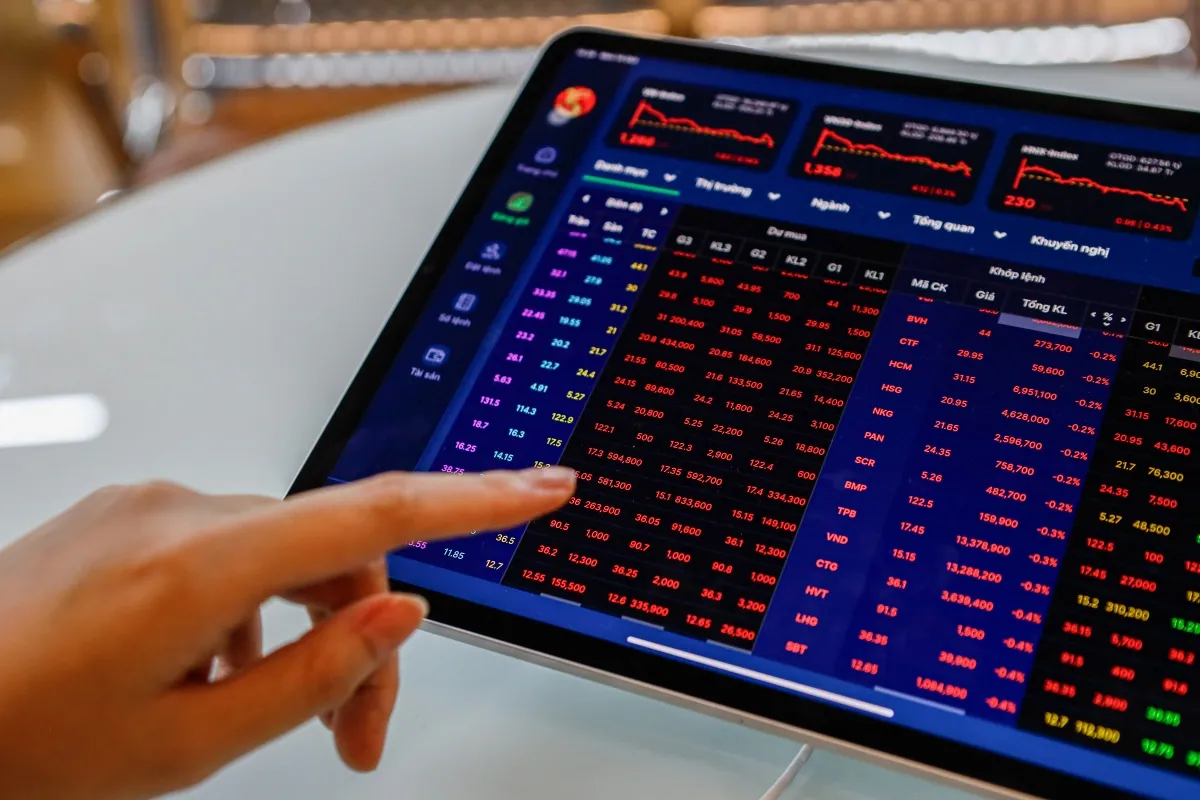 VN-Index chưa cắt chuỗi giảm sâu
VN-Index giảm liên tục 7 phiên và có lúc thủng mốc 1.800 điểm do áp lực xả hàng tập trung vào một số cổ phiếu trụ.
-
 Công ty sở hữu mảng sản xuất của VinFast có Chủ tịch mới
Bà Thái Thị Thanh Hải được bầu làm Chủ tịch của VFTP, doanh nghiệp sở hữu mảng sản xuất cùng hai nhà máy của VinFast tại Việt Nam.
-
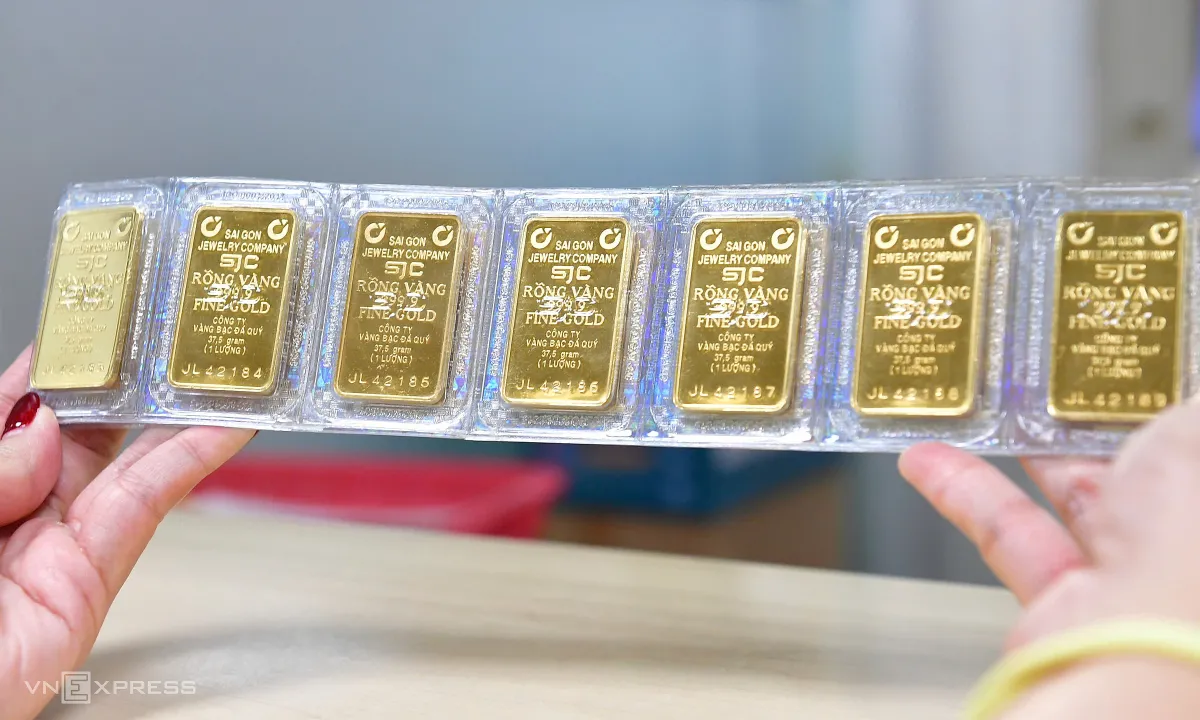 Có nên bán vàng để dành mua nhà khi giá giảm mạnh?
Theo chuyên gia, vàng là tài sản phòng vệ nhưng không tuyệt đối, nên có thể bán bớt một phần để tránh ảnh hưởng kế hoạch mua nhà năm sau.
-
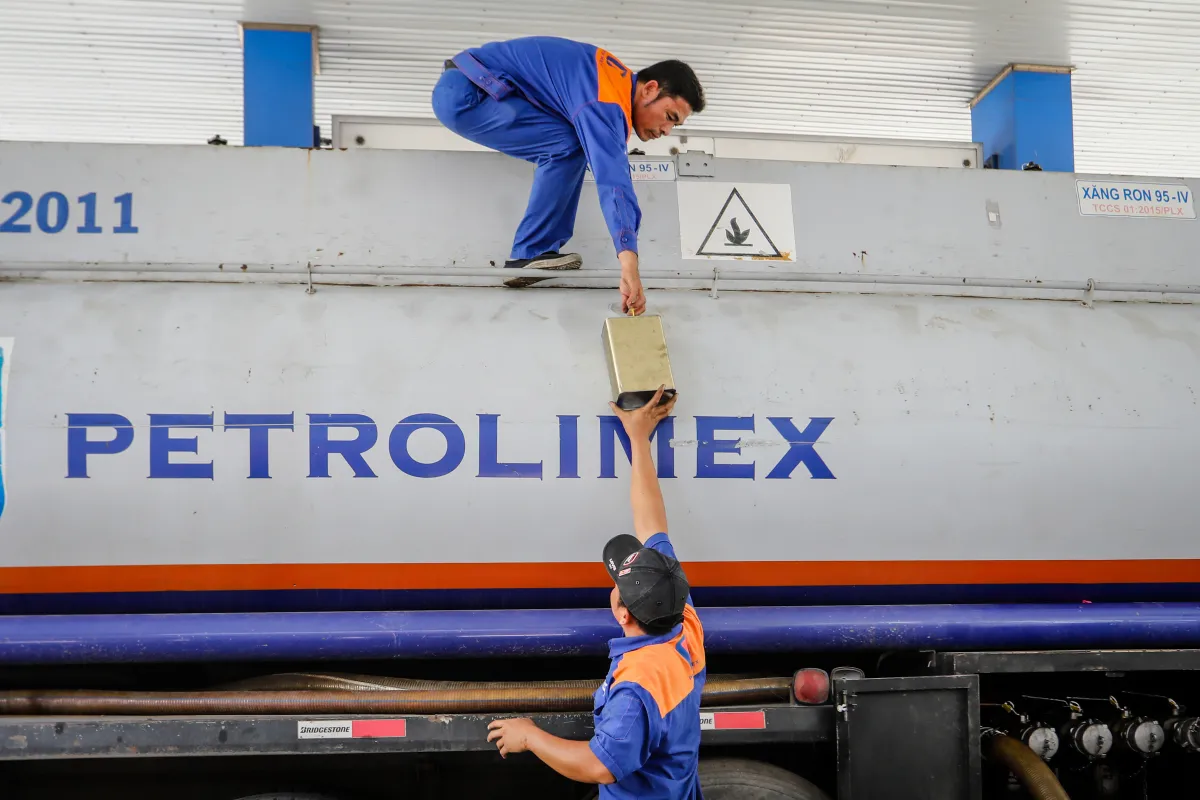 Petrolimex tính bán toàn bộ cổ phiếu quỹ
Hội đồng Quản trị Tập đoàn Xăng dầu Việt Nam (Petrolimex) thống nhất chủ trương bán hết 23,28 triệu cổ phiếu quỹ để đáp ứng điều kiện công ty đại chúng.
-
 Bộ Công Thương sẽ kiểm tra đột xuất cây xăng về chất lượng xăng E10
Thứ trưởng Công Thương Nguyễn Sinh Nhật Tân cho biết Bộ sẽ kiểm tra đột xuất doanh nghiệp để đảm bảo chất lượng xăng E10 từ sản xuất, phối trộn, tới bán ra thị trường.
-
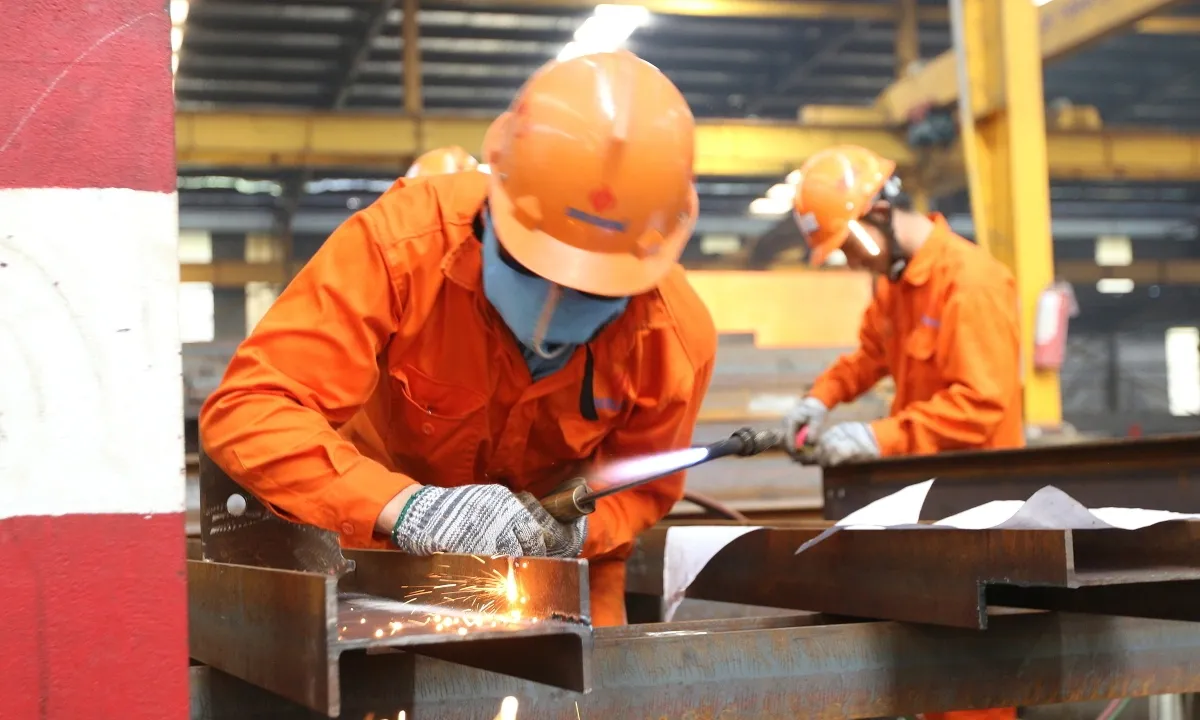 Sản xuất ở TP HCM tăng cao nhất 5 năm
Chỉ số sản xuất công nghiệp (IIP) nói chung và riêng công nghiệp chế biến - chế tạo của TP HCM 5 tháng đầu năm tăng nhanh nhất kể từ 2021.
-
 Giá căn hộ TP HCM vượt nhà liền thổ, chạm mốc 190 triệu đồng mỗi m2
Mặt bằng giá căn hộ khu vực trung tâm TP HCM tiếp tục lập đỉnh, đạt trung bình khoảng 190 triệu đồng mỗi m2, vượt phân khúc nhà liền thổ, theo Cushmanamp;Wakefield.
-
 SpaceX có thể giúp Elon Musk sở hữu 1.000 tỷ USD
Công ty hàng không vũ trụ SpaceX dự kiến làm IPO tuần tới, có thể giúp tài sản của Elon Musk, người giàu nhất thế giới, tăng cao.
-
 Chính quyền ông Trump muốn áp thuế 25% với hàng Brazil
Cáo buộc Brazil tham gia các hoạt động thương mại phi lý, Văn phòng Đại diện Thương mại Mỹ đề xuất áp thuế 25% hàng nhập khẩu nước này.
-
 Bitcoin giảm mạnh nhất 4 tháng qua
Động thái bán ra của ông lớn Strategy dấy lên lo ngại về tiềm năng của tiền số, đẩy Bitcoin giảm hơn 6%, mức giảm mạnh nhất 4 tháng qua.


