By Daniel Boffey Chief reporter • June 17, 2026 • UK news
Russia may have violated UN convention on the law of the sea but says it took ‘all measures to prevent the incident’
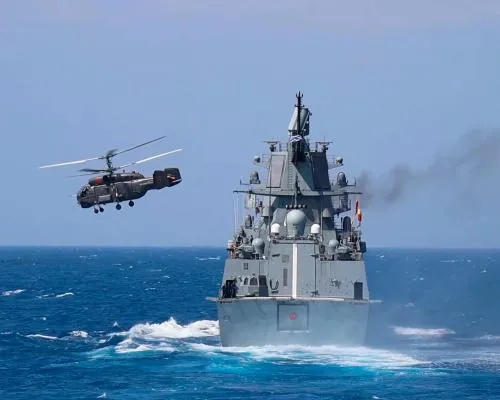
The Ministry of Defence has said it is investigating the events that led to a Russian warship firing a warning shot at a British-flagged yacht in the Channel. It is probable that the inquiry will extend to questioning the owners of the yacht but the laws of the sea will sharply limit its scope when it comes to the Russian vessel. What do we know about what happened? Military officials received reports just before midday on Tuesday from a UK-registered yacht, alleging that the Russian frigate Admiral Grigorovich had fired warning shots when it was at a distance of approximately 500 yards (457 metres). The incident was said to have taken place at 11.40am. No injuries or damage were reported by the yacht, which continued on its journey. HMS Mersey was monitoring the Russian vessel at the time. A boat from HMS Tyne visited the yacht soon after the incident to gather details and to ensure that all onboard were safe. The alleged shots were fired when the vessels were approximately 20 nautical miles south of the Isle of Wight, placing them outside UK territorial waters (which extend to 12 nautical miles) but within the UK’s exclusive economic zone. The Russian defence ministry later confirmed that warning shots were fired. It claimed that the Grigorovich had only fired after several attempts were made to contact the yacht with no response, and said “it took all measures to prevent the incident”. Was the Russian frigate within its rights? All states – including Russia – enjoy the right to freedom of navigation in an exclusive economic zone of any country, as they are international waters. But they must exercise “due regard” for the rights and duties of the coastal state and other vessels. The firing of warning shots at a civilian vessel is generally considered a matter of last resort. Under international law, the use of force must be necessary and proportionate. It is unclear why the shots were fired, but it would be difficult to argue that it was a proportionate response when faced with an unarmed civilian vessel, even if it had veered through navigational error into the path of the frigate. Analysts will also point to heightened diplomatic tensions as a reason to take the most cautious possible approach. The international regulations for preventing collisions at sea (Colregs) and the safety of life at sea (Solas) convention requires vessels to operate in a manner that does not endanger other ships. What can the UK authorities do? As a warship, the Admiral Grigorovich has sovereign immunity. This means that even if it is deemed to have violated international norms, the UK will not be able to take enforcement action against the ship itself. The UK is limited to demanding the frigate leave its waters and to then pursue diplomatic remedies against Russia. The UK may argue that Russia has violated article 301 of the UN convention on the law of the sea, which requires states to refrain from any threat or use of force against the territorial integrity or political independence of any state, or in “any other manner inconsistent with the principles of international law”. But there are in practice no direct legal consequences or enforcement actions available to the UK. Why has this happened? In an operation on Sunday, Royal Marine commandos and officers from the National Crime Agency boarded Smyrtos, a sanctioned Russian shadow fleet tanker, in the Channel. The warning shots will be viewed by some as a way for the Kremlin to make its displeasure known to the UK government, and to show the world that its military continues to traverse the Channel. Sources emphasised that Tuesday morning’s drama is being treated as unconnected to the boarding of Smyrtos but tensions are high between the UK and Russia.
Source: The Guardian

Uk News Feed
113 posts
-
 Russian tanker captain remanded into custody after vessel seized in Channel
Ajay Pant charged with sanctions breach over shadow fleet ship carrying 98,000 tonnes of oil boarded by British troops
-
 Algae thwart Trump’s $14.2m attempt to turn reflecting pool ‘American flag blue’
Green algae have proliferated amid warm weather after Lincoln Memorial pool renovation turning water green
-
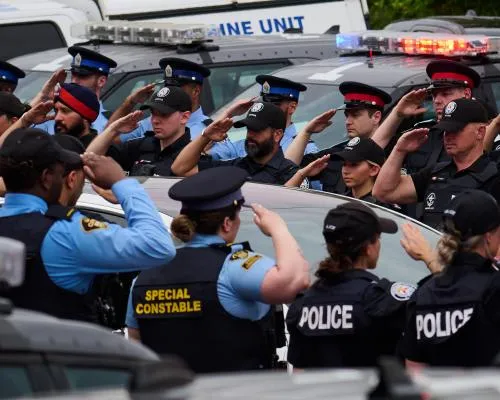 Toronto police say dozens of shootings are linked to ‘multilayered’ gun-for-hire network
Young adults and teens are being recruited through apps like Telegram and paid to carry out attacks, officials say
-
 Fifteen people charged over alleged interference in Minnesota immigration crackdown
Prosecutors claim defendants were part of Minneapolis-based ‘antifa’ groups that ‘violent oppose’ law enforcement
-
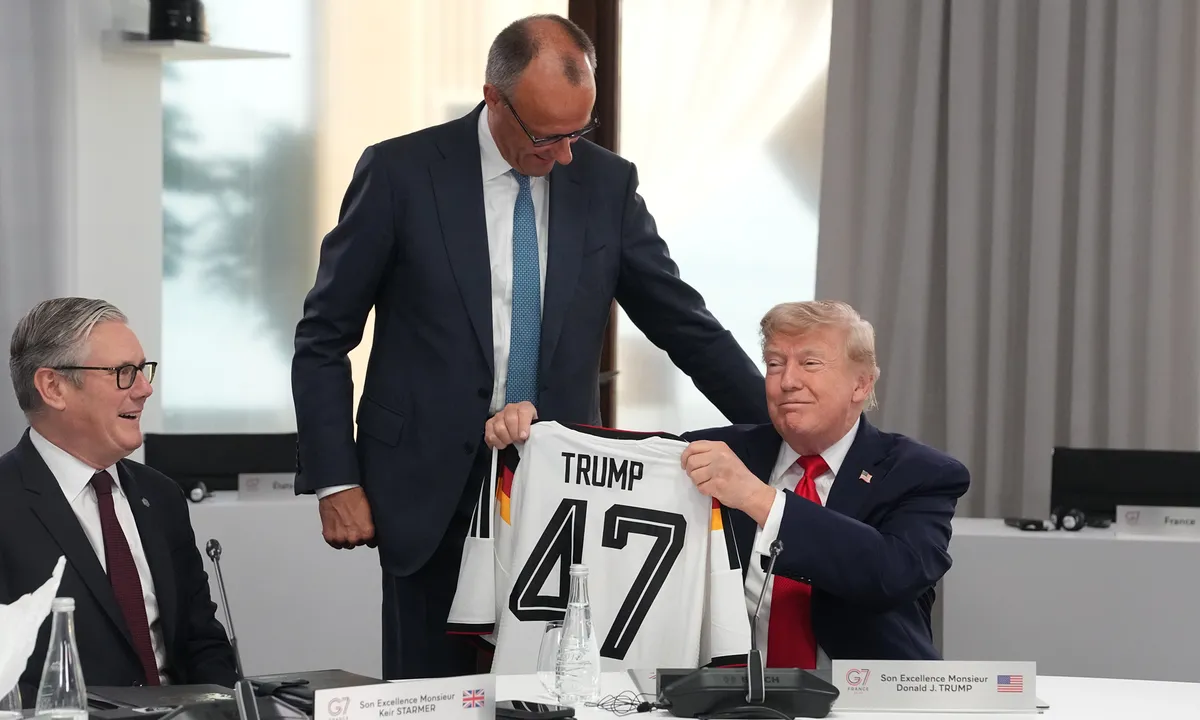 Ông Trump được tặng áo đấu, xe đạp khi dự hội nghị G7
Tổng thống Trump được Thủ tướng Đức tặng áo đấu và Tổng thống Pháp tặng xe đạp khi dự hội nghị G7.
-
 Iran’s top envoy says peace deal with US dependent on Israel’s withdrawal from Lebanon
Abbas Araghchi says war ‘not fully come to an end’ without Israeli forces leaving territories occupied during present conflict
-
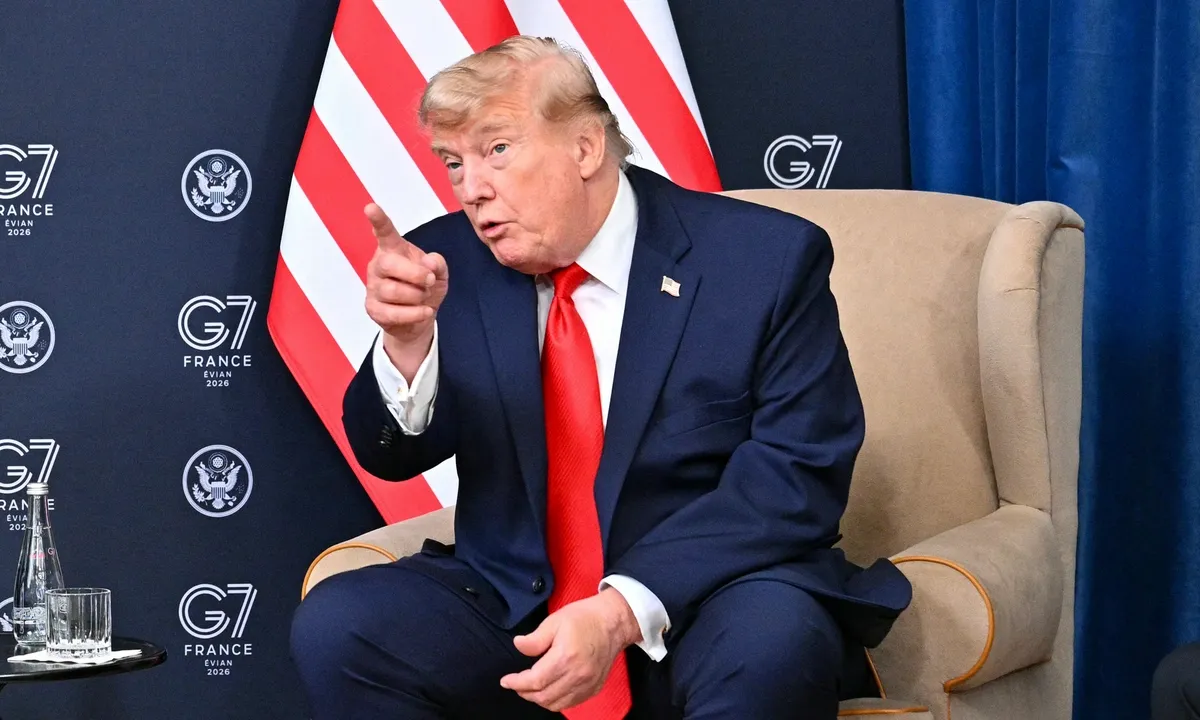 Ông Trump nêu ý tưởng đọc thỏa thuận với Iran trước báo giới
Ông Trump cam kết công bố nội dung thỏa thuận với Iran trong vài ngày tới và nêu khả năng đọc từng từ một văn kiện này trước báo giới.
-
 Indifference to suffering amid Belfast riots
Letter: When I told an old friend about the horrific story of a Romanian family with two children being forced out of their home by last week’s violence, he showed a worrying lack of concern
-
 US screwworm cases rise as outbreak spreads beyond initial contamination zones
Twelve animal cases have been confirmed so far among cattle, goats, sheep and a dog in Texas and New Mexico
-
 European parliament finally approves Trump tariff deal
MEPs agree to implement deal almost 12 months after it was proposed and just days before deadline of US threat to raise tariffs


