
Maintaining your septic tank is crucial to ensuring the longevity of your septic system and preventing costly repairs or replacements. One of the most essential maintenance tasks is a septic tank pump-out, a process that removes the solid waste that accumulates over time. Knowing when to perform a septic tank pump-out can save you from unpleasant sewage backups, slow drains, or even system failure. In this article, we will explore the signs, guidelines, and benefits of regular septic tank maintenance to keep your system in optimal working condition.
Understanding How Your Septic Tank Works
Before diving into when and why you should perform a septic tank pump-out, it's essential to understand how your septic system operates. A septic tank is an underground chamber designed to treat and dispose of wastewater from your home. Wastewater from your toilets, sinks, and other drains flows into the tank, where solids settle to the bottom (known as sludge), oils and grease float to the top (forming scum), and the liquid (effluent) exits the tank and is filtered through the drain field.
Over time, the sludge and scum layers accumulate, reducing the tank’s capacity to handle waste and increasing the risk of system failure. That’s where septic tank pump-outs come in. A professional septic service will pump out the sludge and scum, keeping your system functioning efficiently.
How Often Should You Perform a Septic Tank Pump-Out?
The frequency of septic tank pump-outs depends on various factors such as tank size, household size, and water usage. However, general recommendations suggest pumping your septic tank every 3 to 5 years. For smaller households or homes with lower water usage, a pump-out may be necessary less frequently, while larger households with high water consumption might need pump-outs more often.
Here's a rough guide based on household size and septic tank capacity:
Your local septic professional can assess your specific system and provide tailored advice on when you should schedule a pump-out.
Signs Your Septic Tank Needs a Pump-Out
While it’s wise to follow the recommended pump-out schedule, there are also warning signs that indicate your septic tank may need immediate attention. Here are some of the key signs that a pump-out is overdue:
Benefits of Regular Septic Tank Pump-Outs
Performing regular septic tank pump-outs and cleaning offers numerous benefits, including:
What Happens During a Septic Tank Pump-Out?
A professional septic tank pump-out is a straightforward process, but it requires expertise and the right equipment. Here’s a breakdown of what happens during the service:
Final Thoughts
A septic tank pump-out is a critical aspect of maintaining your septic system, and sticking to a regular pump-out schedule can save you from headaches down the road. Whether you’re noticing signs like slow drains and odors or you’re simply due for routine maintenance, scheduling a septic tank pump-out ensures that your system remains efficient, safe, and reliable.
By staying proactive with your septic system maintenance, you’ll not only extend its lifespan but also protect your property and the environment. If you’re unsure about when to schedule your next septic tank pump-out, consult a local septic professional for advice tailored to your specific system.

Michael Johnson
1 posts
-
 Green Engineering and Health Optimization at Whiteland The Aspen
To address this, Whiteland Corporation integrated specialized CTMA3 Air Purification technology into the core building systems. This central air infrastructure works continuously to treat, filter, and circulate air throughout enclosed common areas, double-height entrance lobbies, and tower
-
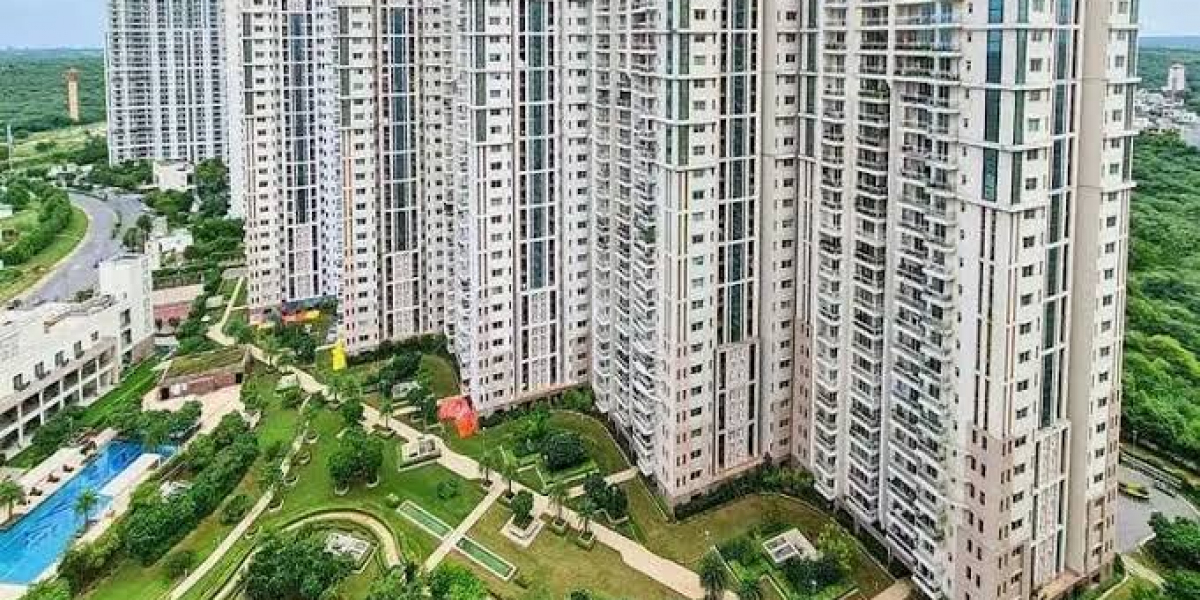 Mastering the Asset: Technical Infrastructure, Micro-Market Value, and Structural Layouts at DLF Park Place
This deep dive focuses on the granular technical infrastructure, exact structural layouts, and macro-economic factors that explain why this specific project maintains a massive edge over its competition in 2026.
-
 Elegant House Warming Invitation Video Templates for Memorable Griha Pravesh Celebrations
A new home is a dream come true for every family.
-
 Brand Identity and Tenant Experience: Cultivating Loyalty at Elan Empire Gurgaon
Securing high occupancy in a premium high-street asset is only half the battle. For long-term viability, property management and individual investors must shift their focus to building tenant loyalty and creating a distinctive brand identity.
-
 Master Review: Evaluating Godrej Nature Plus, Sector 33, Gurgaon
The layout uses a smart structural pattern where towers are angled away from each other. This creates a staggered footprint that gives corner apartments clear, unblocked views of the Aravalli foothills while ensuring optimal morning and afternoon sunlight. Inside the towers, the floor plan
-
 Creative Baby Shower Invitation Video Templates for Special Celebrations
These templates are easy to customize with names, event dates, venue details, photos, and personal messages. Whether you want a cute pink theme, a royal blue design, floral decorations, or animated baby elements, MyVideoInvites offers a wide variety of styles for every celebration.
-
 Anthracite Market Opportunities Emerging from Energy Production Needs
The Asia‑Pacific anthracite market is driven by rapid industrialization, robust steel production capacity, and expanding energy demand.
-
 Mastering the Metropolitan Maze The Ultimate Legal Shield for Capital Motorists
Mastering the Metropolitan Maze The Ultimate Legal Shield for Capital Motorists
-
 Permanent Makeup in Delhi – Wake Up Beautiful Every Day
Permanent Makeup in Delhi – Wake Up Beautiful Every Day
-
 1st Birthday Invitation Video Maker with Music and Photos
Creating a birthday invitation video online is simple and convenient with myvideoinvites. The platform offers ready made templates and easy editing tools that allow users to create professional looking invitations without technical experience.
-
 The Architecture of Victory: Why the 2026 Border Demands Elite Representation
The Architecture of Victory: Why the 2026 Border Demands Elite Representation


