By Gavin Blair in Tokyo • June 17, 2026 • World news
Six companies are suspected of colluding to use food inflation to raise the prices of their product
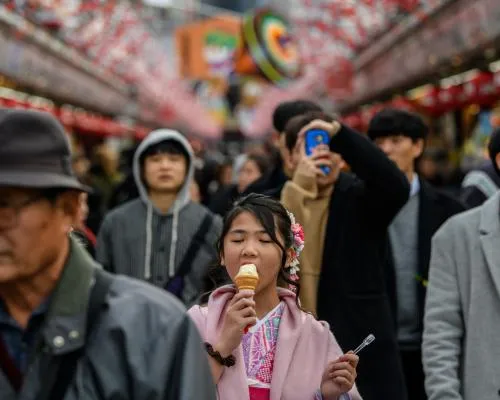
Authorities in Japan have raided six of the country’s largest ice-cream firms for allegedly colluding to raise the price of their products, provoking anger from frozen snack aficionados as they face a cruel summer ahead. Officials from the Japan Fair Trade Commission (JFTC) on Tuesday carried out searches of the corporate headquarters of Akagi Nyugyo, Ezaki Glico, Lotte, Meiji, Morinaga Milk Industry and Morinaga & Co due to suspicions they had violated antimonopoly laws. An official at the JFTC told the Guardian that it is not issuing a statement on the raids, but all six companies have confirmed they are under investigation by the commission and say they are fully cooperating. The companies are suspected of colluding to use inflation in food prices to raise the prices of their products beyond the increase in raw material costs. Senior executives in the companies face allegations they held meetings and exchanged emails for years to coordinate the timing and scale of retail price rises for ice-creams and other frozen desserts, according to news agency Kyodo and public broadcaster NHK. Public broadcaster NHK covered the raids in its main evening news bulletin, using a graph to show viewers how the price of two flagship frozen delights – Meiji’s ice-cream and Morinaga Milk’s six-pack choco-ice bites – jumped in lockstep four times between June 2022 and September 2025. Morinaga Milk issued a statement on its website saying it was “subject to an on-site inspection by the Japan Fair Trade Commission on suspicion of violating the Antimonopoly Act. We take this very seriously and will cooperate fully with the commission’s investigation.” According to sources familiar with the matter, this is the first JFTC investigation into a suspected ice-cream-related price cartel. The Japanese market for ice-cream and frozen snacks hit a record 663bn yen ($4bn) in the fiscal year to March, driven by increasingly hot summers and price rises. Japan’s already sweltering and sweaty summers are being intensified by climate breakdown, with record high temperatures being logged regularly in recent years. In April, authorities announced a new term for days when the mercury tops 40C, kokusho, which translates as “cruelly hot”. Adding to this summer’s woes are shortages in air-conditioner pipe coverings. The coverings of the pipes contain naphtha, the supply of which has been disrupted by the Middle East crisis, hitting installations of new air-conditioner units.
Source: The Guardian

Guardian News World
210 posts
-
 Quá trình Mỹ vượt ngờ vực để đạt thỏa thuận với Iran
Dù còn hoài nghi về cam kết của Iran, các quan chức Mỹ đều thống nhất rằng vẫn phải ký thỏa thuận vì sau cùng, cuộc chiến cần khép lại.
-
 It’s a myth that Bristol is the UK’s coolest city
Letters: This myth that masks the city’s deprivation problems is perpetuated by the privileged alumni of Bristol University who barely ever stepped out of Clifton and its leafy surrounds, says Jane Ghosh
-
 Golden ticket: why Versailles invite is the ‘real deal’ for Trump
The US president’s opulent tastes will be well served in a palace that has hosted Putin, King Charles and JFK
-
 Ex-health worker cautioned after Kate’s medical notes offered for financial gain
Information commissioner issues formal caution after London private hospital treating royal reported breach
-
 New homeowner finds skeletal remains of three people in auction-bought Connecticut home
Attorney asks court to return $82,000 deposit to buyer if 2025 foreclosure is invalidated due to discovery
-
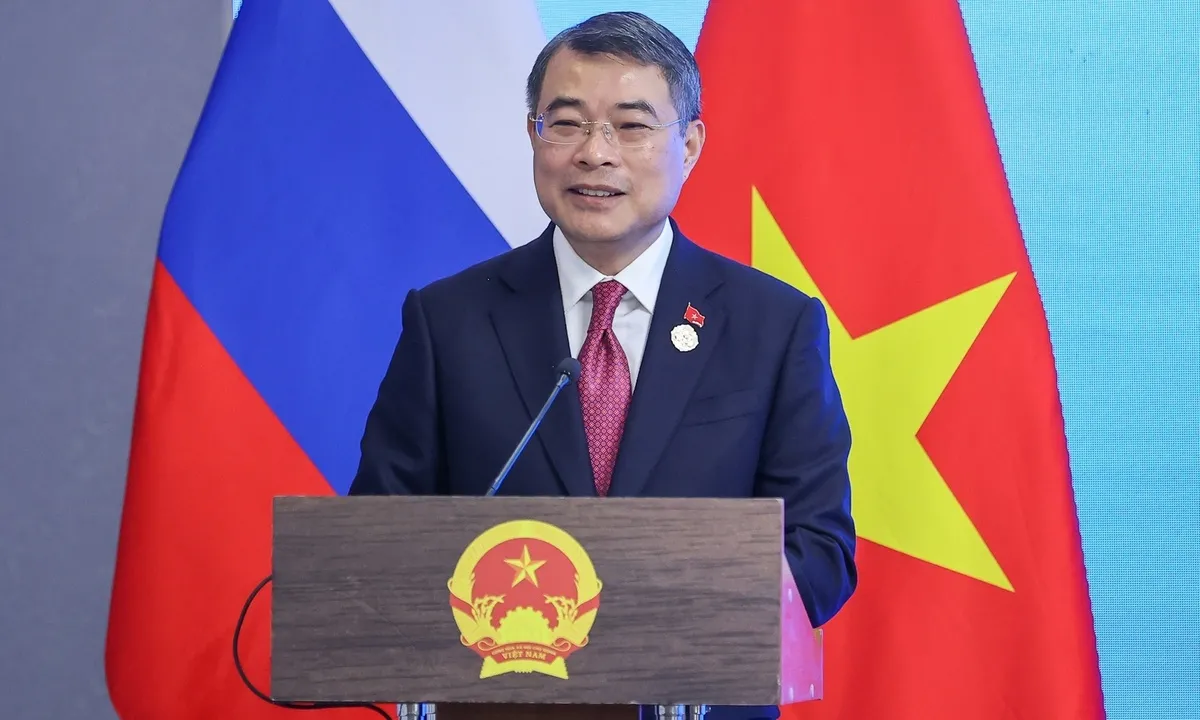 Thủ tướng đề nghị doanh nhân Việt tại Nga phát huy vai trò cầu nối kinh tế
Thủ tướng Lê Minh Hưng gặp kiều bào tại Kazan, kêu gọi các doanh nhân trở thành cầu nối đưa hàng Việt vào thị trường Nga và Liên minh Kinh tế Á - Âu.
-
 Iran sẽ rước linh cữu cố lãnh tụ Ali Khamenei qua Iraq
Thị trưởng Tehran cho biết linh cữu cố lãnh tụ tối cao Ali Khamenei sẽ được rước qua Iraq trước lễ chôn cất tại Iran vào đầu tháng 7.
-
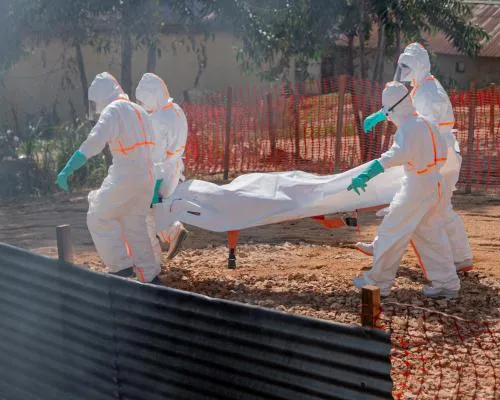 Lives and incomes lost as Ebola takes toll on Bunia’s public-facing workers
A headteacher, a motorcycle taxi driver and a travel agent are among those who are counting the human and economic cost of the virus
-
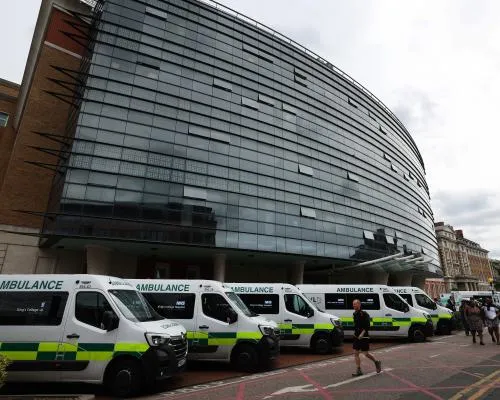 UK critical infrastructure hit by 200 cyber incidents in a year, agency says
Head of National Cyber Security Centre says UK in ‘ongoing contest with capable adversaries’ and AI could add to threat
-
 Kash Patel accused of directing $1m to ‘slush fund’ to pay bonuses to loyalist agents
Congressman Jamie Raskin alleges FBI director authorized substantial recurring payments to agents in his inner circle


