What Is VAT in Saudi Arabia (KSA) and How Does It Impact Businesses and Consumers

Value-Added Tax (VAT) in Saudi Arabia is an indirect tax imposed on goods and services at each stage of the supply chain. Introduced on January 1, 2018, VAT was initially set at 5% but was later increased to 15% on July 1, 2020 to support the country’s economy. VAT is regulated by the Zakat, Tax and Customs Authority (ZATCA) and applies to most goods and services, with some exemptions and special treatments for certain sectors.
VAT is a consumption-based tax, meaning it is ultimately paid by the end consumer while businesses collect and remit it to the government. Companies registered for VAT must charge VAT on taxable goods and services and can also claim input VAT on business-related purchases.
Standard Rate (15%)
Zero-Rated Supplies (0%)
Exempt Supplies
VAT Registration Requirements
Businesses must comply with VAT regulations by:
Some businesses and individuals may be eligible for VAT refunds or exemptions:
ZATCA imposes strict penalties for VAT violations:
VAT in Saudi Arabia is a crucial part of the country’s revenue system, helping to support economic growth and government initiatives. Businesses must ensure proper VAT compliance, maintain records, and submit timely VAT returns to avoid penalties. Consumers should be aware of VAT’s impact on prices and budget accordingly. As VAT regulations continue to evolve, staying informed about updates from ZATCA is essential for both businesses and individuals.
Laser China
10 posts
-
 Brand Identity and Tenant Experience: Cultivating Loyalty at Elan Empire Gurgaon
Securing high occupancy in a premium high-street asset is only half the battle. For long-term viability, property management and individual investors must shift their focus to building tenant loyalty and creating a distinctive brand identity.
-
 Master Review: Evaluating Godrej Nature Plus, Sector 33, Gurgaon
The layout uses a smart structural pattern where towers are angled away from each other. This creates a staggered footprint that gives corner apartments clear, unblocked views of the Aravalli foothills while ensuring optimal morning and afternoon sunlight. Inside the towers, the floor plan
-
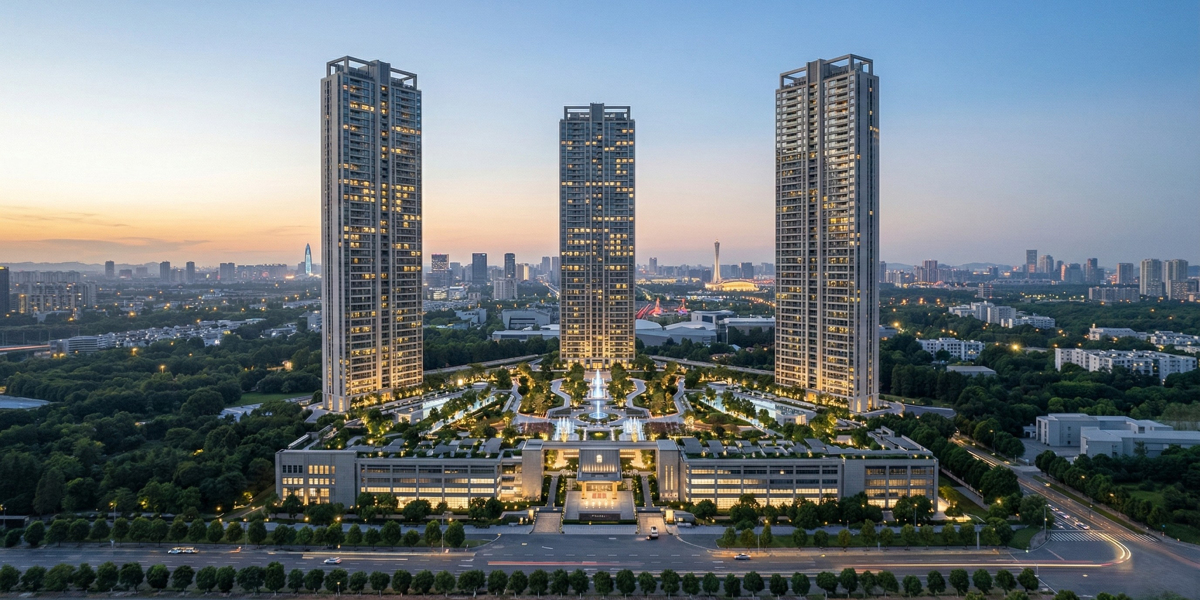 BPTP Downtown 66: A Masterpiece of Vertical Luxury in Sector 66
BPTP Downtown 66 has emerged as one of the most anticipated high-rise developments on the Golf Course Extension Road. Designed by the globally acclaimed architectural firm Aedas, this project is not just a residential complex but a vertical ecosystem where luxury meets functionality.
-
 Aesthetic Clinic in Australia | Beauty Clinic in Carolina | PM Aesthetics
Discover a trusted aesthetic clinic in Australia and a professional beauty clinic in Carolina. PM Aesthetics offers advanced skincare, cosmetic treatments, and personalized beauty solutions.
-
 The Masterful Synergy at Signature Global Tonino Lamborghini
Signature Global Tonino Lamborghini Residences represents a ₹2,890 crore synergy of Italian supercar aesthetics and Indian engineering excellence in Sector 71.
-
 Sidewalk Repair NYC: A Complete Guide for Property Owners
Sidewalks in New York City endure constant wear and tear due to heavy foot traffic, extreme weather conditions, and tree root growth. Over time, cracks, uneven surfaces, and potholes can develop. These issues not only create an unpleasant appearance but also pose serious safety hazards for
-
 Why Natural Stone Wall Panels Are Becoming the First Choice for Modern Interiors
Discover why natural stone wall panels are becoming a top choice for modern interiors and exteriors. Learn about their durability, aesthetic appeal, and versatile applications for residential and commercial spaces.
-
 Chemical Supplier for Industrial in UAE: Reliable Solutions for Modern Industries
Find a reliable chemical supplier for industrial in UAE offering high-quality products, consistent supply, and tailored solutions for manufacturing, oil & gas, construction, and water treatment industries.
-
 Signature Global Cloverdale SPR Gurgaon – A Modern Address for Comfortable Living
This connectivity allows residents to easily access major employment hubs, corporate offices, and business districts. The proximity to IGI Airport further adds to its appeal, especially for professionals who travel frequently.
-
 The Vertical Revolution: Living Above the Ordinary at Sobha Rivana
Sobha Rivana is a G+45 floor architectural landmark in Sector 1, Greater Noida West, featuring a low-density design with only four units per floor and four high-speed elevators. It offers a premium lifestyle with 11-foot high ceilings, 80% open green space, and a 50,000 sq. ft. clubhouse,
-
 Find the Perfect Christmas Jewellery at Stonex Jewellers
Our Christmas collection features a wide range of designs, from classic to contemporary, ensuring there is something for everyone.


