By Rory Carroll Ireland correspondent • June 7, 2026 • World news
After a death in Dublin with echoes of George Floyd, people of colour sense rising hostility
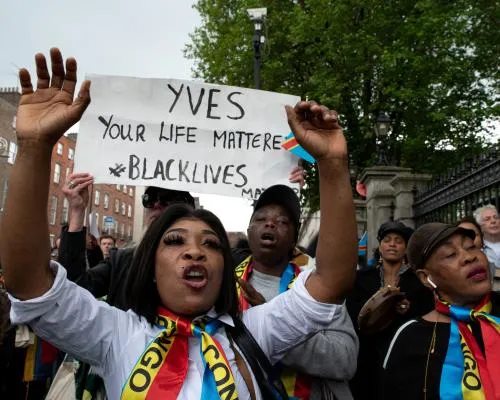
When Kembetia Bissa fled the Democratic Republic of the Congo and moved to Ireland in 2003 he found not only sanctuary but beauty, friendship and a home. The asylum seeker settled in Bandon, west Cork, and found work as a landscaper. He opened an African dance school with Congolese drumming and taught local people the rhythms of his homeland. “It was very positive, very welcoming. I felt like I was in my own country,” Bissa, 55, said this week in Dublin. Times have changed. For the interview with the Guardian he took a Luas tram from Tallaght, a west Dublin suburb, to the city centre. When he sat down a white man beside him glowered, stood up and moved away. “He did not want to be near me.” It was a small indicator that for some Congolese people and other refugees, immigrants and people of colour, the welcome is over. A spate of recent incidents in Ireland, including a shocking death with echoes of George Floyd, have prompted a reckoning over race and racism. “We are actually scared now,” said Bissa, who runs the Facebook group, Congolese Community in Ireland (CCI). “We are scared that they should start to target us in our homes, on the street. If this thing is not controlled the number of deaths will be worse.” On 15 May department store security guards chased and caught Yves Sakila, 35, a Congolese man suspected of shoplifting. Video footage showed him pinned to the pavement on Henry Street for about five minutes, with one man kneeling on his neck. When police arrived they briefly handcuffed Sakila before realising he was unresponsive and took him to hospital, where he was pronounced dead. Police are still investigating and Sakila’s family has requested a second postmortem after the first proved inconclusive but the protesters who have marched and held vigils do not doubt that race played a part in his death. It is not just the parallels with George Floyd, who died after a Minneapolis police officer knelt on his neck in 2020, it is the context. Days before Sakila’s death, Bertie Ahern, a former taoiseach, was secretly filmed saying: “The ones I worry about are the Africans. We can’t be taking in people from the Congo and all these places.” Ahern was canvassing in a Dublin byelection that platformed hostility to Black immigrants and Muslims. They are blamed for crime, housing shortages and the cost of living crisis, a narrative amplified by far-right agitators. In recent years, mobs have attacked refugee shelters and targeted foreigners, including an Indian man who was beaten and stripped. A Facebook page that requested justice for Sakila was inundated with scornful comments from users who cited Sakila’s numerous criminal convictions, including for shoplifting, and the fact that he was homeless. “Why wasn’t he deported?” said one. “Can you forward some of your literature as I am short of toilet paper,” said another. “Bring them security fellas before the witchdoctor,” said another. The backlash is not limited to online trolling. Stallholders who work a block from where Sakila died expressed resentment at the fuss, and said the media overlooked violence by Black perpetrators against white people. “It’s all about that, this crowd marching every week,” said Martina Farrell, 66, a fruit seller, referencing the protests and vigils for Sakila. “A white fella can be killed and there’s nothing about that,” she said, citing a recent case. Others echoed her view. Alan Clarke said new arrivals were displacing Irish people from shelters and social housing. “There is more Irish on the streets because the foreigners are taking the properties.” For Bissa, it has been a long, melancholic arc from teaching African dance to hearing clamours for deportation. The manner in which a guard restrained Sakila showed dehumanisation, he said. “Did he think he was putting his knees on the neck of a dog, an animal, or a human being?” Bissa attributed xenophobia to the speed of demographic change and a failure to integrate newcomers. “The Congolese community feels detached from Irish society. The government should work with our leaders to connect people.” He estimates that since the 2022 census, the Congolese community has more than doubled to about 8,000. They are part of a much wider influx. Between 2012 and 2022, 401,433 people arrived from abroad. Of the 5.1 million population, a fifth were born elsewhere. Ireland’s experience of colonialism and discrimination did not guarantee empathy with outsiders, especially in an era of social media disinformation, said Leon Diop, founder of the advocacy group Black and Irish and author of a memoir titled Mixed Up: An Irish Boy’s Journey to Belonging. “People are being pulled into racist mindsets.” Many Irish people were hospitable but the traditional greeting, céad míle fáilte, which translates as 100,000 welcomes, needed updating, he said. “We’re now the country of 75,000 welcomes rather than the country of 100,000 welcomes.” Bulelani Mfaco, a former spokesperson for the Movement of Asylum Seekers in Ireland, said rhetoric with racialised undertones, some of it imported from the UK, had eroded tolerance. “It comes from politicians and then people see it as an opportunity to commit acts of violence.” Ireland’s far right had flopped in elections but infected the political mainstream with its vocabulary, said Mfaco. “When you talk about people being a problem, the natural response is to eliminate the problem. Words have an impact.” When asylum seekers had opportunities to engage directly with Irish people the response was often warm, said Mfaco, citing an example from Achill Island in County Mayo. “It gives me hope.” On Henry Street, rain extinguished candles at a memorial for Sakila. Some nearby stallholders expressed sorrow over his fate. “No matter what he stole or didn’t steal, it wasn’t right,” said Caroline, 56. “Doesn’t matter what colour he is, it’s still a life.”
Source: The Guardian

Guardian News World
20 posts
-
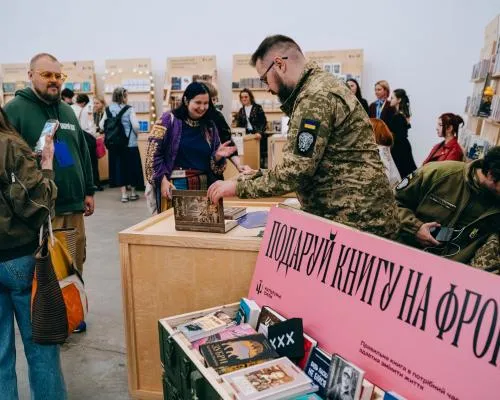 Air-raid alerts and frontline memoirs: Kyiv hosts literary festival amid war
Visitors flock to Book Arsenal in Ukraine’s capital as wartime writing takes centre stage
-
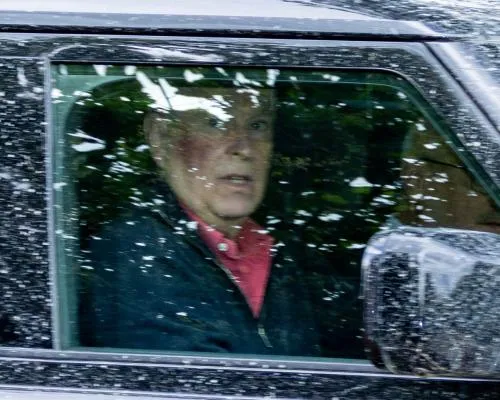 Andrew sublet three cottages while paying ‘peppercorn rent’ to crown estate
Report into royal property affairs reveals disgraced ex-prince generated private income from Windsor Royal Lodge
-
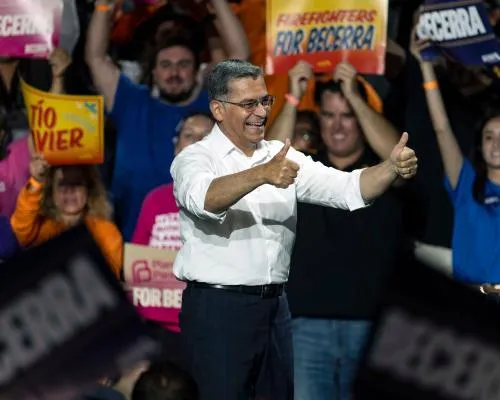 Xavier Becerra advances in California’s hotly contested governor’s race
Ex-US health secretary advances to general election after emerging from crowded primary in race to succeed Gavin Newsom
-
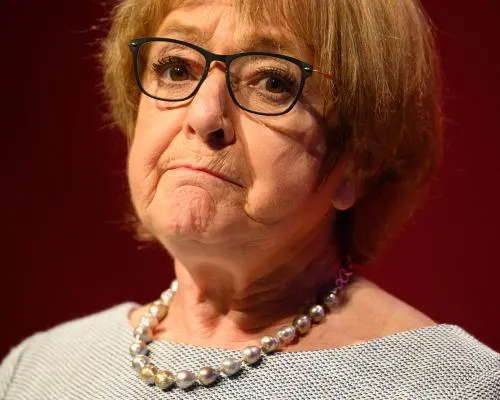 Peer ‘shocked’ that watchdog has not established Andrew’s property income
Margaret Hodge concerned over use of taxpayers’ money after revelations about former prince’s subletting
-
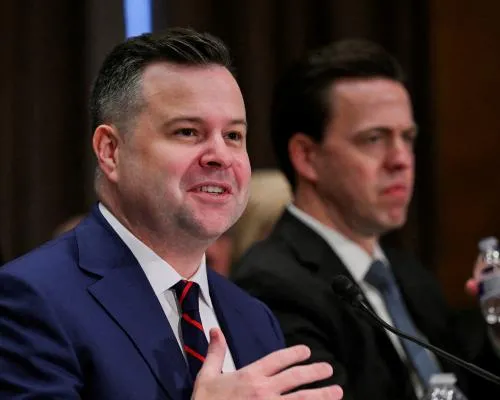 Trump news at a glance: new intelligence director given green light to fire ‘a lot of people’
Trump says Bill Pulte is ‘less shackled’ because he has only been appointed director of national intelligence temporarily. Key US politics stories from 5 June 2026 at a glance
-
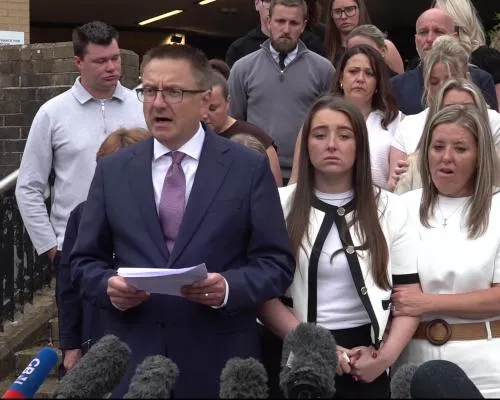 How Britain was rocked by Henry Nowak’s murder – and why the US intervened
Details about what happened, the rightwing response – and accusations by some of ‘two-tier policing’
-
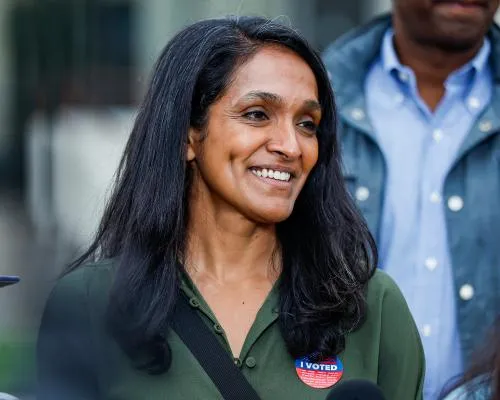 In LA mayor’s race, Nithya Raman makes up ground on Spencer Pratt in contest to face Karen Bass – as it happened
LA city council member pulled closer to reality TV villain in ballots counted Friday, now trailing by just 20,672 votes. This blog is now closed.
-
 Starmer to host Zelenskyy and EU leaders for Ukraine talks
Ukrainian leader will attend UK meeting along with French president and German chancellor
-
 Những khoảng trống trong báo cáo sức khỏe của ông Trump
Báo cáo sức khỏe mới nhất của Tổng thống Trump đang bị giới y khoa đánh giá là không đủ chi tiết, khiến bức tranh toàn cảnh trở nên không rõ ràng.
-
 Phát biểu kỷ niệm D-Day, Bộ trưởng Quốc phòng Mỹ công kích châu Âu về nhập cư
Bộ trưởng Hegseth công kích châu Âu về vấn đề người di cư kéo đến khu vực này qua đường biển, ví von điều này như cuộc đổ bộ.


