
Losing weight can be a challenging and deeply personal journey. For some, diet and exercise alone may not be enough to achieve their goals, and they may seek additional help through medical or cosmetic weight loss treatments. These treatments can offer a variety of benefits, whether you're looking to shed a few pounds, target stubborn fat areas, or jump-start your weight loss efforts.
In this article, we’ll explore the most common weight loss treatments available today, including both non-surgical and surgical options, their benefits, potential risks, and what you can expect during the treatment process.
Non-surgical weight loss treatments are often sought by individuals who are looking for effective alternatives to traditional weight loss methods like diet and exercise. These options are minimally invasive and typically require little to no downtime. Below are some of the most popular non-surgical treatments:
CoolSculpting is a non-invasive fat-reduction treatment that targets and eliminates stubborn fat cells by freezing them. The procedure uses controlled cooling to crystallize fat cells in specific areas, which are then naturally processed and eliminated by the body.
SculpSure uses laser technology to target and heat fat cells, causing them to break down and be naturally eliminated by the body. This procedure is ideal for individuals looking to reduce fat in specific areas without surgery.
Ultrasound cavitation is a non-invasive procedure that uses ultrasonic waves to break down fat cells in targeted areas. The fat is then processed and eliminated by the body’s natural metabolic functions. This treatment is most often used for body contouring and fat reduction.
The HCG diet involves the use of human chorionic gonadotropin (a hormone produced during pregnancy) in combination with a very low-calorie diet (VLCD). Proponents of this treatment believe that HCG helps reduce hunger and boost fat loss. The treatment can be administered through injections or oral supplements.
Liposonix is a non-invasive fat reduction treatment that uses high-intensity focused ultrasound (HIFU) to target fat cells beneath the skin. This procedure is designed to break down and eliminate fat from targeted areas without the need for surgery or recovery time.
Surgical weight loss treatments are more invasive but are often the best option for individuals who need to lose a significant amount of weight or who have not had success with non-surgical methods. These procedures are typically performed under anesthesia in a hospital setting and require a longer recovery period. Here are some of the most common surgical treatments for weight loss:
Liposuction is one of the most popular surgical options for removing stubborn fat from specific areas of the body. The procedure involves using a thin tube (cannula) to suction out excess fat, leaving the body with a smoother, more contoured appearance.
Gastric bypass is a surgical procedure that alters the digestive system to help individuals with severe obesity lose weight. The surgeon creates a small pouch at the top of the stomach and bypasses a portion of the small intestine, limiting both the amount of food the stomach can hold and the nutrients absorbed.
Sleeve gastrectomy is a weight loss surgery where the majority of the stomach is removed, leaving a small, sleeve-shaped stomach. This restricts food intake and reduces hunger by altering hunger-regulating hormones.
In addition to surgical and non-surgical treatments, prescription medications can be used to help individuals lose weight. These medications are typically recommended for individuals who are obese or overweight and who have not had success with diet and exercise alone.
Some common weight loss medications include:
Weight loss treatments offer a variety of options for individuals seeking to shed excess pounds or target stubborn fat areas. From non-invasive treatments like CoolSculpting and SculpSure to more significant interventions like gastric bypass and liposuction, there are solutions tailored to different needs and goals. It's important to carefully consider each option, consult with a healthcare provider, and choose the treatment that aligns best with your weight loss goals, lifestyle, and medical history.
Whether you choose a non-surgical or surgical treatment, achieving long-term weight loss success requires ongoing commitment to healthy eating, regular exercise, and maintenance strategies to keep the weight off after treatment.

white rose
125 posts
-
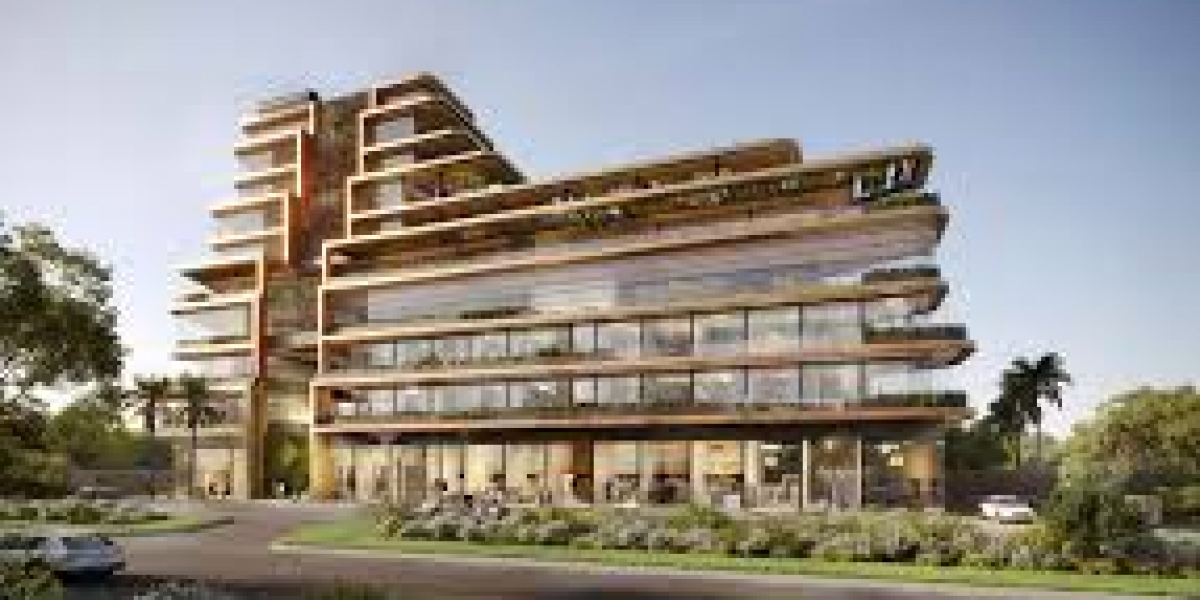 Brand Identity and Tenant Experience: Cultivating Loyalty at Elan Empire Gurgaon
Securing high occupancy in a premium high-street asset is only half the battle. For long-term viability, property management and individual investors must shift their focus to building tenant loyalty and creating a distinctive brand identity.
-
 Master Review: Evaluating Godrej Nature Plus, Sector 33, Gurgaon
The layout uses a smart structural pattern where towers are angled away from each other. This creates a staggered footprint that gives corner apartments clear, unblocked views of the Aravalli foothills while ensuring optimal morning and afternoon sunlight. Inside the towers, the floor plan
-
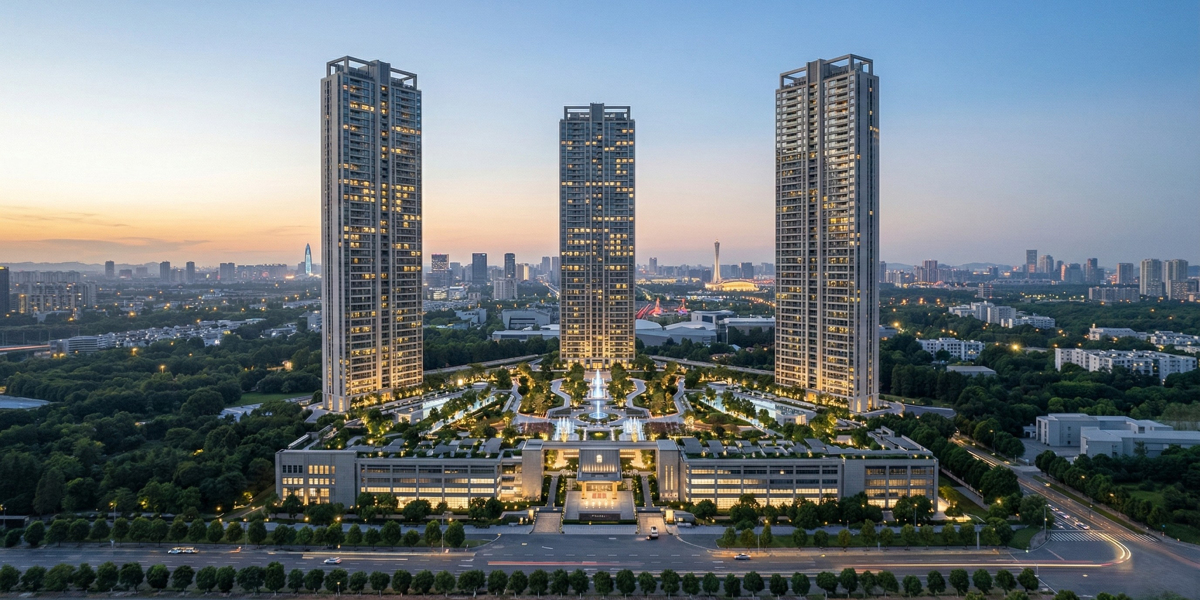 BPTP Downtown 66: A Masterpiece of Vertical Luxury in Sector 66
BPTP Downtown 66 has emerged as one of the most anticipated high-rise developments on the Golf Course Extension Road. Designed by the globally acclaimed architectural firm Aedas, this project is not just a residential complex but a vertical ecosystem where luxury meets functionality.
-
 Aesthetic Clinic in Australia | Beauty Clinic in Carolina | PM Aesthetics
Discover a trusted aesthetic clinic in Australia and a professional beauty clinic in Carolina. PM Aesthetics offers advanced skincare, cosmetic treatments, and personalized beauty solutions.
-
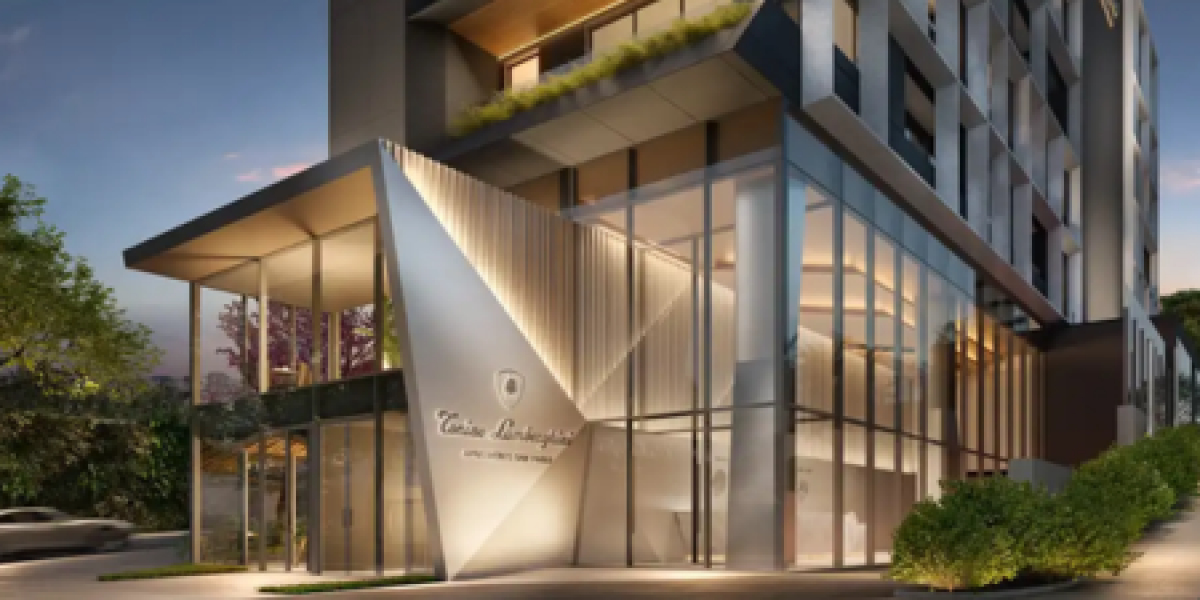 The Masterful Synergy at Signature Global Tonino Lamborghini
Signature Global Tonino Lamborghini Residences represents a ₹2,890 crore synergy of Italian supercar aesthetics and Indian engineering excellence in Sector 71.
-
 Sidewalk Repair NYC: A Complete Guide for Property Owners
Sidewalks in New York City endure constant wear and tear due to heavy foot traffic, extreme weather conditions, and tree root growth. Over time, cracks, uneven surfaces, and potholes can develop. These issues not only create an unpleasant appearance but also pose serious safety hazards for
-
 Why Natural Stone Wall Panels Are Becoming the First Choice for Modern Interiors
Discover why natural stone wall panels are becoming a top choice for modern interiors and exteriors. Learn about their durability, aesthetic appeal, and versatile applications for residential and commercial spaces.
-
 Chemical Supplier for Industrial in UAE: Reliable Solutions for Modern Industries
Find a reliable chemical supplier for industrial in UAE offering high-quality products, consistent supply, and tailored solutions for manufacturing, oil & gas, construction, and water treatment industries.
-
 Signature Global Cloverdale SPR Gurgaon – A Modern Address for Comfortable Living
This connectivity allows residents to easily access major employment hubs, corporate offices, and business districts. The proximity to IGI Airport further adds to its appeal, especially for professionals who travel frequently.
-
 The Vertical Revolution: Living Above the Ordinary at Sobha Rivana
Sobha Rivana is a G+45 floor architectural landmark in Sector 1, Greater Noida West, featuring a low-density design with only four units per floor and four high-speed elevators. It offers a premium lifestyle with 11-foot high ceilings, 80% open green space, and a 50,000 sq. ft. clubhouse,
-
 Find the Perfect Christmas Jewellery at Stonex Jewellers
Our Christmas collection features a wide range of designs, from classic to contemporary, ensuring there is something for everyone.


