Web3 AI Chatbot Development: Conversational AI Solutions for dApps & Communities

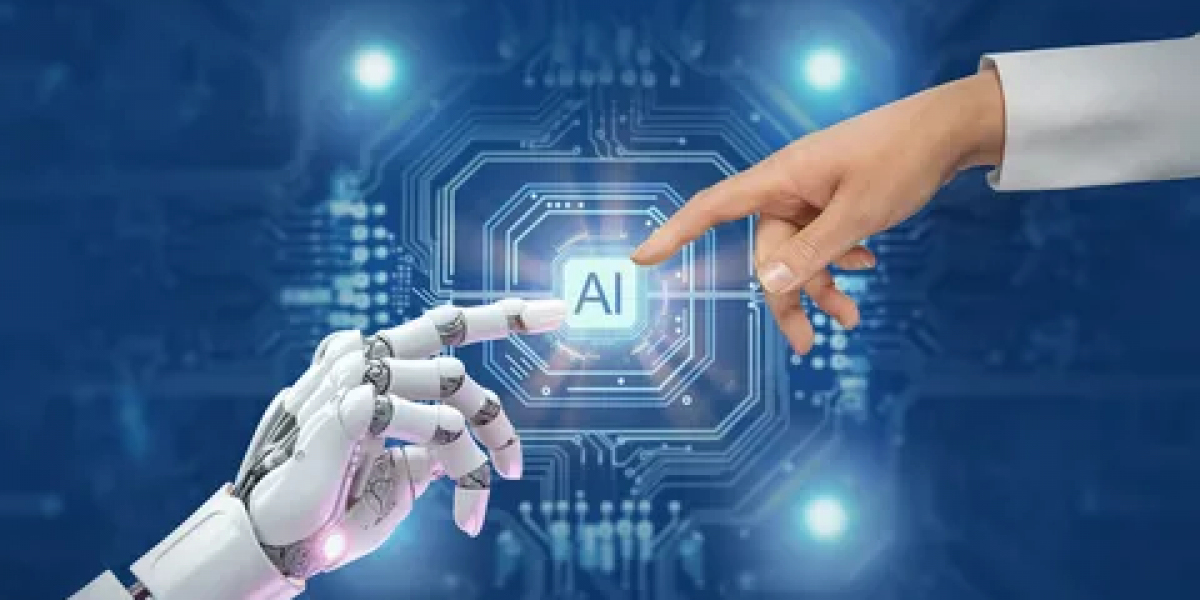
Web3 AI chatbot development is becoming one of the most important technologies for improving user experience in decentralized applications (dApps) and blockchain-based communities. As Web3 ecosystems grow rapidly across DeFi platforms, NFT marketplaces, gaming projects, and enterprise blockchain solutions, the need for simple, intelligent, and interactive communication tools has become essential. AI-powered chatbots are solving this challenge by acting as intelligent conversational layers users and complex blockchain systems.
Traditional blockchain applications are often difficult for new users to understand because they involve technical processes like wallet creation, private key management, token transfers, staking, and interacting with smart contracts. Many users struggle during onboarding, which slows down adoption. Web3 AI chatbots solve this problem by offering real-time guidance, step-by-step assistance, and human-like conversations that simplify blockchain interactions.
With the power of generative AI and natural language processing, Web3 chatbots are no longer limited to simple scripted responses. They can understand user intent, analyze context, and provide meaningful answers that help users navigate decentralized ecosystems easily. This makes blockchain technology more accessible to beginners while also improving efficiency for experienced users.
The Role of AI Chatbots in Web3 Ecosystems
AI chatbots in Web3 act as intelligent assistants that help users interact with decentralized applications in a smooth and intuitive way. These chatbots are integrated into dApps, websites, mobile apps, and community platforms like Discord and Telegram.
One of their most important roles is user onboarding. When a new user enters a Web3 platform, the chatbot can guide them through wallet setup, account creation, and basic platform navigation. This reduces confusion and improves user retention.
AI chatbots also provide real-time support for blockchain transactions. Users can ask questions like how to transfer tokens, how to stake assets, or how to participate in DeFi protocols, and the chatbot provides clear instructions instantly.
Another key role is educating users about complex blockchain concepts. Many people find DeFi, NFTs, and smart contracts difficult to understand. AI chatbots break down these topics into simple explanations, making Web3 more user-friendly.
Conversational AI for Decentralized Applications (dApps)
Decentralized applications operate on blockchain networks and do not rely on centralized servers. While this improves security and transparency, it also makes user interaction more complex. Conversational AI solves this problem by providing a human-like interface for interacting with dApps.
In a typical Web3 dApp, users may need to interact with smart contracts directly, which can be confusing. AI chatbots simplify this process by converting technical commands into simple conversations. Instead of manually executing transactions, users can simply ask the chatbot what they want to do, and the system guides them step-by-step.
For example, in a DeFi lending platform, users can ask the chatbot about interest rates, loan eligibility, or staking rewards. The chatbot retrieves real-time blockchain data and provides accurate responses.
In NFT marketplaces, AI chatbots help users discover trending collections, check floor prices, and learn about upcoming drops. They also assist creators by generating NFT descriptions and marketing content.
This conversational layer makes dApps more interactive, accessible, and user-friendly, which is crucial for mainstream adoption of Web3 technologies.
AI Chatbots for Web3 Communities
Community engagement is a core part of Web3 projects. Most blockchain projects rely on platforms like Discord, Telegram, and Twitter to build and manage their communities. However, managing large communities manually can be challenging.
AI chatbots help automate community management by answering frequently asked questions, providing updates, and moderating conversations. These bots ensure that community members receive instant responses, even when human moderators are not available.
In Web3 communities, AI bots can also handle token-related queries, explain project roadmaps, and provide updates about staking rewards or governance proposals. This improves transparency and builds trust among users.
Another important feature is sentiment analysis. AI chatbots can analyze community conversations to understand user sentiment and identify potential issues or concerns. This helps project teams take proactive action to improve engagement.
Integration of AI Chatbots with Blockchain Systems
Web3 AI chatbots are not just conversational tools; they are deeply integrated with blockchain infrastructure. They can interact with smart contracts, fetch on-chain data, and execute blockchain transactions based on user commands.
For example, a user can ask the chatbot to check their wallet balance, and the chatbot retrieves real-time blockchain data. Similarly, users can request token transfers, staking actions, or NFT purchases, and the chatbot can guide or execute these actions securely through smart contract interactions.
This integration requires secure API connections, blockchain node communication, and AI model training to ensure accuracy and safety. Developers also implement strict validation systems to prevent incorrect transactions and ensure that users confirm actions before execution.
By combining AI with blockchain, chatbots become powerful decentralized assistants capable of performing real financial and operational tasks.
Benefits of Web3 AI Chatbot Development
One of the biggest benefits of AI chatbot development for Web3 is improved user experience. Blockchain platforms become much easier to use when users can interact through simple conversations instead of complex interfaces.
Another major benefit is automation. Chatbots reduce the need for human customer support by handling thousands of queries simultaneously. This significantly reduces operational costs for blockchain projects.
AI chatbots also improve user onboarding and retention. By guiding users step-by-step, they reduce confusion and increase engagement within dApps and Web3 platforms.
Security is another important advantage. AI systems can detect suspicious behavior, warn users about risky transactions, and help prevent scams or phishing attacks.
Scalability is also improved because chatbots can handle unlimited conversations at the same time without performance issues.
Overall, AI chatbots make Web3 ecosystems more accessible, efficient, and user-friendly.
Use Cases Across Web3 Ecosystems
Web3 AI chatbots are used across multiple blockchain industries. In DeFi platforms, they assist users with lending, borrowing, staking, and trading activities. They provide real-time financial insights and help users make investment decisions.
In NFT platforms, chatbots help users explore collections, verify authenticity, and understand market trends. They also assist creators with listing NFTs and promoting their digital assets.
In blockchain gaming, AI chatbots act as in-game assistants that guide players, explain game mechanics, and provide rewards information. They enhance the gaming experience by making it more interactive and intelligent.
In enterprise blockchain systems, chatbots help employees interact with internal dApps, access data, and automate workflows. This improves productivity and reduces manual workload.
In DAO communities, AI chatbots assist with governance discussions, voting processes, and proposal explanations, making decentralized decision-making easier.
Future of Web3 AI Chatbots
The future of Web3 AI chatbot development is highly advanced and promising. AI chatbots will become more autonomous, intelligent, and deeply integrated with blockchain systems.
Future chatbots will act as full decentralized AI agents capable of executing complex tasks such as managing portfolios, interacting with multiple dApps, and making autonomous decisions based on user preferences.
They will also become more personalized, learning from user behavior to provide highly customized recommendations and support.
Voice-enabled AI chatbots and multimodal assistants (text, voice, and visual interaction) will further improve accessibility and user experience in Web3 ecosystems.
As blockchain adoption grows, AI chatbots will become the primary interface for interacting with decentralized applications, replacing traditional dashboards and complex UI systems.
Conclusion
Web3 AI chatbot development is transforming decentralized applications and blockchain communities by introducing intelligent conversational interfaces that simplify complex processes. These chatbots improve user onboarding, enhance customer support, automate community management, and enable seamless interaction with blockchain systems.
By combining generative AI, natural language processing, and blockchain integration, Web3 chatbots create a powerful bridge users and decentralized technologies.
As Web3 continues to evolve, AI chatbots will play a central role in making blockchain ecosystems more accessible, intelligent, and user-friendly. Businesses that invest in conversational AI solutions for dApps and communities will gain a strong advantage in user engagement, automation, and digital innovation.
Contact us today for more information: https://www.intelisync.io/contact/
Javed Khan
11 posts
-
 Web3 & Crypto Growth Marketing Solutions for Modern Businesses
Accelerate business growth with Web3 and crypto marketing solutions. Increase brand awareness, community engagement, user acquisition, and platform adoption through data-driven growth marketing strategies.
-
 Tokenized Gaming Economy Development for Blockchain Gaming Platforms
The gaming industry is rapidly evolving from closed, developer-controlled systems into open, player-driven economies powered by blockchain technology.
-
 The Rise of RWA Platforms: Everything You Need to Know in 2026
The year 2026 marks a significant milestone in the evolution of blockchain technology, as Real World Asset tokenization platforms continue to gain momentum across industries.
-
 How Blockchain Development is Transforming Digital Industries in 2026
Blockchain development has emerged as one of the most transformative technologies of the digital era, and by 2026, its impact is clearly visible across multiple industries.
-
 Elevate Your Crypto Project with Professional PR Campaigns
The blockchain industry is expanding rapidly as decentralized technologies continue influencing industries such as finance, NFTs, gaming, healthcare, metaverse ecosystems, and enterprise infrastructure.
-
 Real World Asset Tokenization: The Future of Investment is Here
The investment landscape is undergoing a profound transformation in 2026, driven by the emergence of Real World Asset tokenization
-
 Key Elements of a High-Impact Brand Strategy for Online Businesses
In today’s highly competitive digital ecosystem, building a high-impact brand strategy is essential for online businesses aiming to establish a strong presence and achieve long-term success.
-
 Why Businesses Rely on Intelisync for Blockchain Development Solutions
One of the most revolutionary technologies enabling these transformations is blockchain.
-
 IRCTC Bike Parcel Service – Complete Guide for Safe & Affordable Bike Transport
Transporting your bike across cities in India can be stressful, especially if you plan to ride it yourself. Long-distance travel increases fuel costs, causes wear and tear, and can be time-consuming.
-
 From Small Cash to Big Chances: The Power of Asset Tokenization
Asset tokenization development is unlocking big opportunities for people who only have small amounts to invest. This new digital ownership system makes wealth-building more accessible, transparent, and future-ready for everyone.


