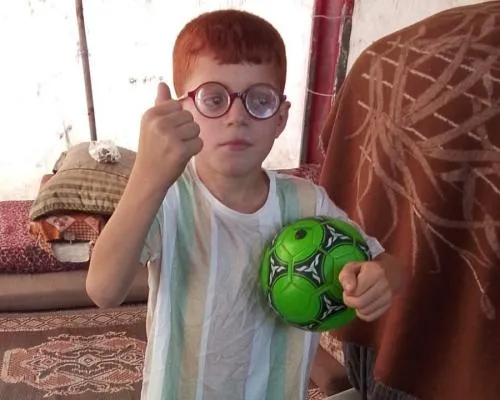
Video of visually impaired Palestinian boy crying over broken glasses draws global attention

By Seham Tantesh in Gaza and Lorenzo Tondo in Jerusalem • June 12, 2026 • World news
Ayoub Junaid, seven, given new pair but needs surgery as Gaza’s children remain unable to access treatment
A video of a seven-year-old Palestinian boy in Gaza who suffers from a severe visual impairment crying over his shattered glasses has drawn widespread attention across social and international media. The footage of Ayoub Junaid has shone a light on the plight of the many visually impaired children in Gaza who, because of Israel’s blockade and the devastation caused by the war, have been unable to access eye examinations, corrective lenses or specialist ophthalmic surgery. After the clip was viewed by tens of millions of people, Ayoub received a new pair of glasses. This good news, however, does not solve the underlying problem, as he urgently needs surgery. Ayoub’s mother, Eman Junaid, 30, displaced in the Gaza City port area, tells the Guardian her son’s problem began when he was two. “Ayoub suffers from very severe nearsightedness after having a fever illness,” she says. A doctor told Junaid that Ayoub’s vision would gradually improve as he got older, but the opposite happened – the prescription he required increased and the lenses he now needs are not available in Gaza. “We were preparing to travel for treatment, but the war started and everything stopped,” she adds. Ayoub rarely leaves his tent, Junaid says. When he wants to play with his siblings or other children, he clings tightly to his glasses and moves with extreme caution. He does not run, jump or move freely. The doctors warned the family not to let him engage in strenuous activities because any fall or blow could cause further damage to his retinas. Ayoub used to ask his mother why he was different from other children. He often asks her: “Why don’t the other children wear glasses like me? Why can’t I move like them? Why can’t I go to school like them?” “At the end of April, while walking with a family member along a road strewn with rubble, he fell and struck his face on the ground, breaking the glasses,” his mother says. “He burst into tears, rolled on the ground and desperately tried to piece them back together. For Ayoub, those glasses were everything. Even with them, he cannot see clearly and often has to hold objects just inches from his face. But without them, he can barely move around at all.” His family says the time Ayoub spent without glasses was particularly distressing. For three or four days, he rarely left a corner of the tent and was unable to move around without assistance. When he tried to walk on his own, he would crouch close to the ground, bringing his eyes near the floor in an effort to make out his surroundings. Relatives said they repeatedly tried to repair his glasses, but the damaged lenses could not be fixed. “The video I shared was filmed after we reached the tent,” his mother says. “In the street, he was crying even more and saying he wanted to fix his glasses because he could not see without them. After the video spread, donors helped us and we were able to get a new pair of glasses, but it is still not the correct prescription he needs.” According to his family, Ayoub’s emotional state has shown signs of improvement. In recent days, he has appeared more willing to interact with visitors and those offering support. While the change remains modest, his family say it has brought them a sense of relief and hope. Health officials in Gaza say the war has devastated eye care services, leaving thousands of visually impaired patients without treatment amid severe shortages of medical equipment and surgical supplies. Hospitals are lacking key items including surgical microscopes and phaco machines. Officials say more than 2,800 patients are currently waiting for cataract surgery alone, while the total backlog for eye procedures, including corneal transplants, glaucoma operations and reconstructive surgery, exceeds 4,000 cases. In addition to this, Israeli bombardment around medical facilities has forced the temporary shutdown of Gaza City’s Government Eye Hospital, the only public eye care centre in the territory. “The current situation clearly shows a shortage in all medical consumables and surgical tools,” says Dr Hussam Dawoud, a senior consultant in ophthalmology and eye surgery and the director of the hospital. “Currently, we are providing services at around 60% of what we used to offer before the war. The main reason is that Israel is preventing the entry of medical equipment and surgical instruments.” Doctors have also reported a sharp rise in severe corneal infections, which they attribute to overcrowded living conditions, poor sanitation and limited access to medication, with some patients suffering permanent vision loss. Their situation is part of a broader humanitarian crisis affecting Gaza’s children. There are more child amputees per inhabitant in the territory than anywhere else in the world. Tens of thousands of young people who are sick or injured remain in need of urgent medical treatment, while many who require specialised care outside the territory have yet to be evacuated. According to the latest figures from health officials in Gaza, an estimated 4,000 children are in urgent need of medical evacuation. “A child who breaks their glasses may remain effectively blind for a long time because replacement glasses are impossible to find,” says Dr Irdi Memaj, a surgeon working in Gaza with the humanitarian organisation Emergency. “Around 40% of the patients treated at our clinic in al-Qarara are children under the age of 14. One of the most recent concerns has been infestations of parasites and rats, with numerous reports of children being bitten by rodents while they sleep.” Reached by the Guardian, the Israeli Defense Ministry’s Coordinator of Government Activities in the Territories, rejected accusations over restrictions on Gaza. “Israel is working to allow and facilitate the entry of all required medical equipment and continues to facilitate the entry into Gaza of trucks carrying medical supplies without any quantitative restrictions,” it said.
Source: The Guardian
Guardian News World
111 posts
-
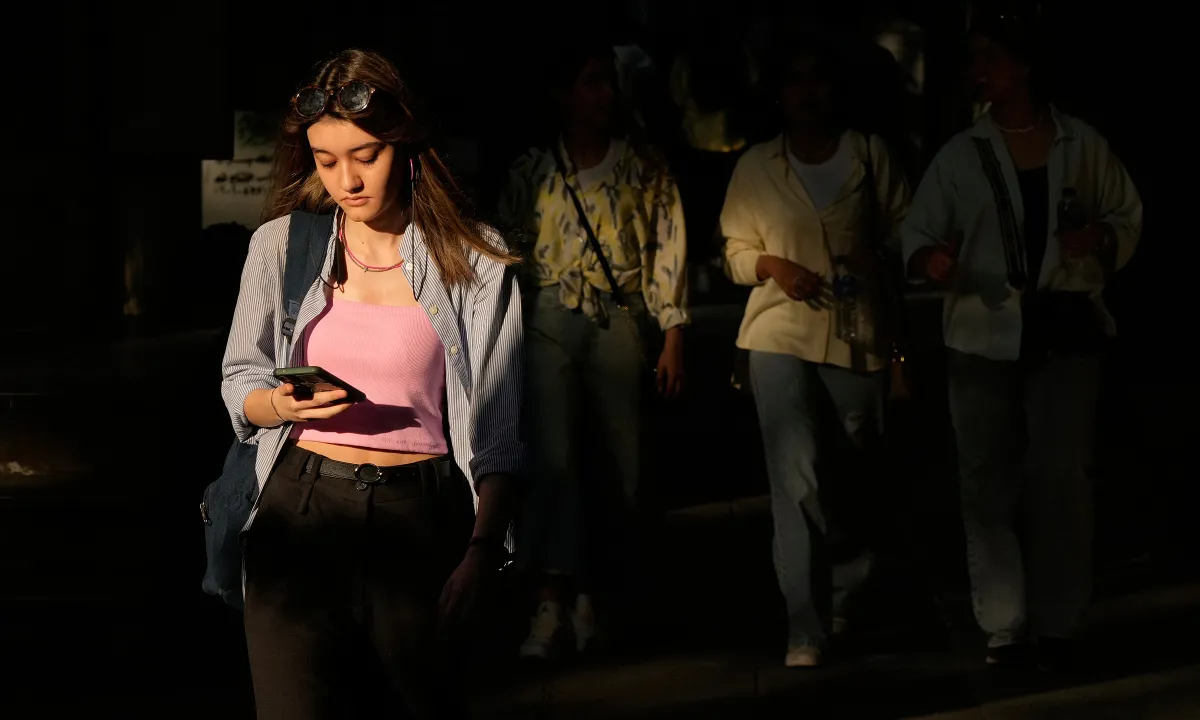 Người Iran bất an với trạng thái lấp lửng của xung đột
Khi Mỹ và Iran liên tục thay đổi trạng thái giữa đánh và đàm, người dân Iran phải sống trong cảnh thấp thỏm và lo lắng về tương lai.
-
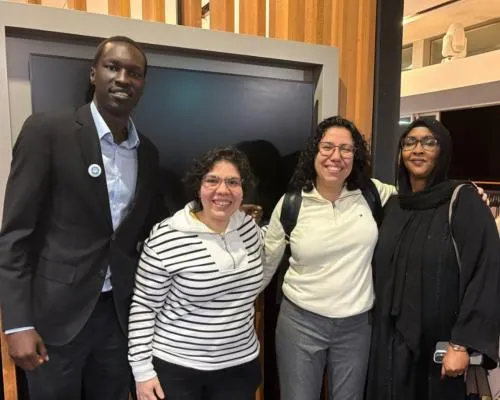 Luisana and Ana are new to Melbourne, but their journey there was ‘totally different’ to other refugees
Bucking heated politics on immigration, Labor is making a trial program that resettles refugees across Australia permanent
-
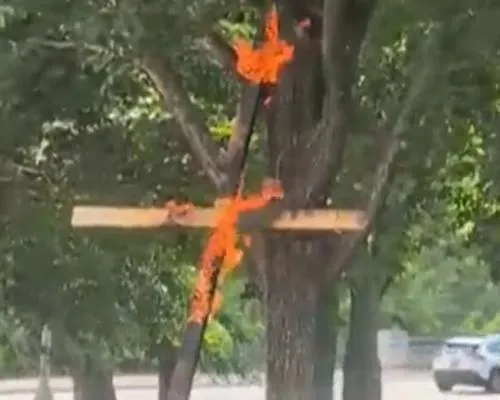 Chicago officials search for suspect after burnt cross found in Grant Park
Police released photos of person of interest in Tuesday’s cross burning, often linked to white supremacy and racism
-
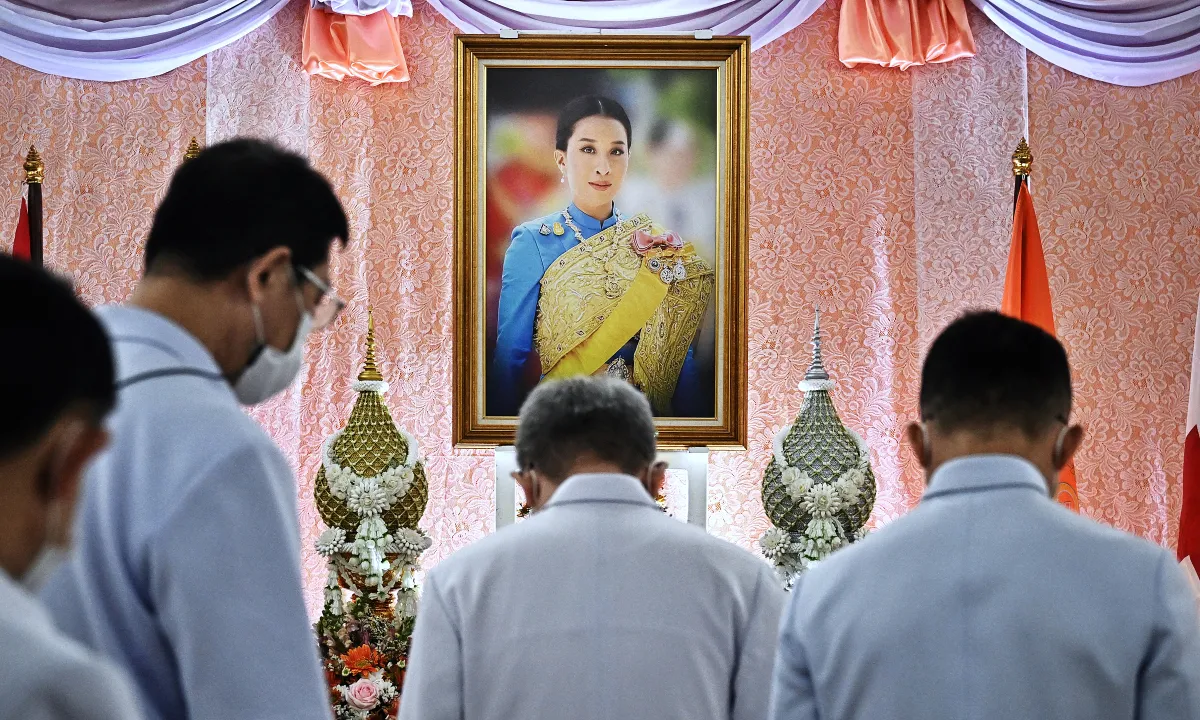 Công chúa Thái Lan qua đời sau hơn ba năm hôn mê
Công chúa Thái Lan Bajrakitiyabha, người đã hôn mê hơn ba năm sau khi đột quỵ, qua đời tại Bệnh viện Chulalongkorn ở tuổi 47.
-
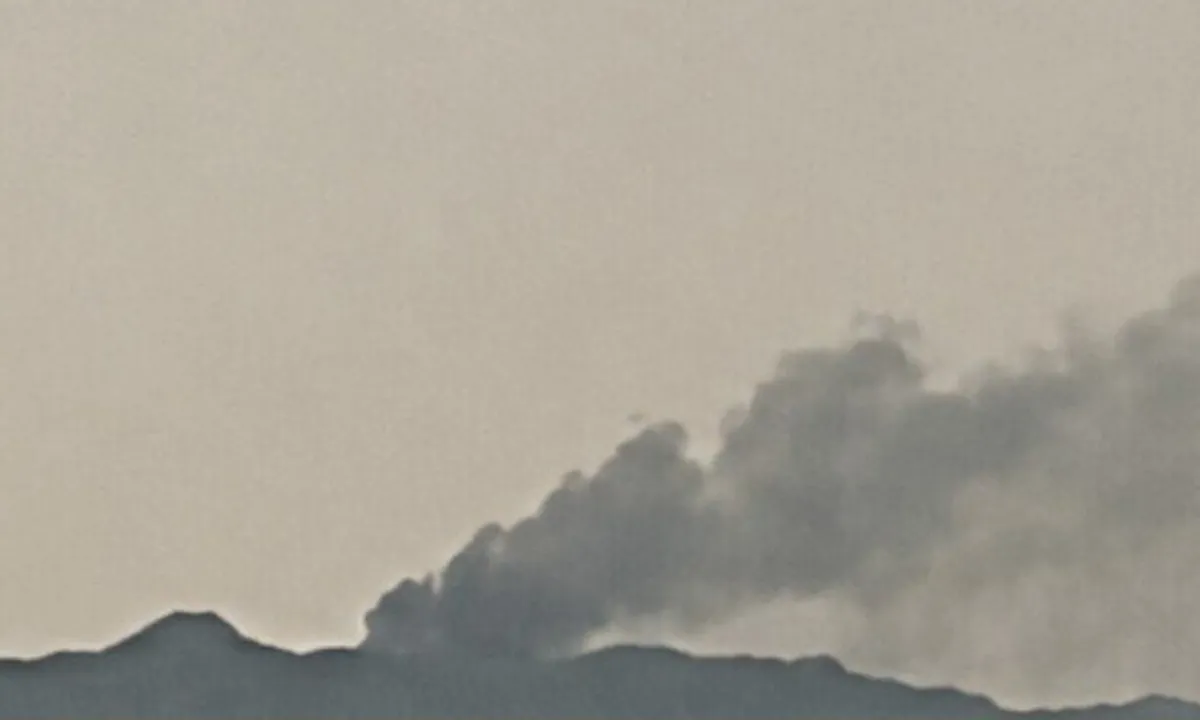 Iran tuyên bố đánh trúng đài radar trên ngọn núi cao nhất Bahrain
Truyền thông Iran nói nước này đã đánh trúng radar cảnh báo sớm đặt tại vị trí cao nhất ở Bahrain, khi tập kích trả đũa Mỹ.
-
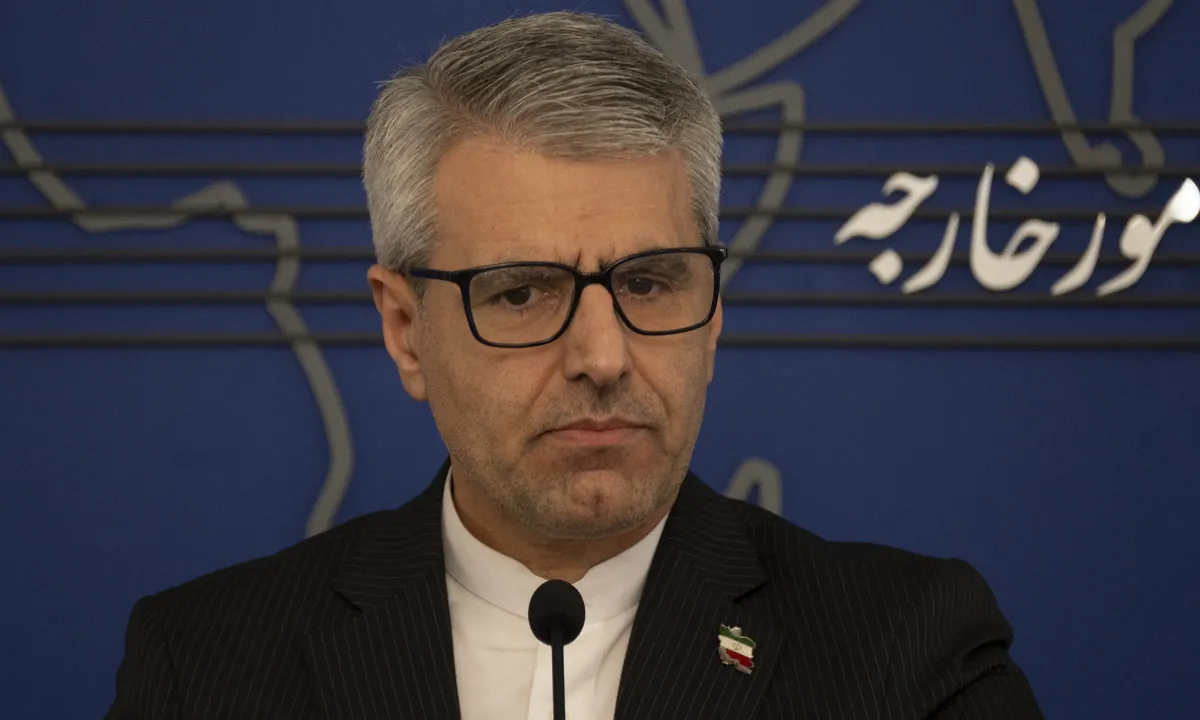 Iran 'chuyển dự thảo thỏa thuận mới nhất' cho Mỹ qua Qatar
Iran được cho là đã thông qua dự thảo bản ghi nhớ chấm dứt chiến sự với Mỹ và chuyển tới Washington qua nước trung gian đàm phán là Qatar.
-
 Up to 90% of Ireland’s asylum seekers may have entered from Northern Ireland, data shows
Figures suggest common travel area being exploited in both directions, but particularly UK to Ireland
-
 Canada muốn cấm trẻ dưới 16 tuổi dùng mạng xã hội
Canada trình dự luật cấm trẻ dưới 16 tuổi dùng mạng xã hội, siết tiêu chuẩn an toàn với chatbot AI, trước các rủi ro về sức khỏe tâm thần.
-
 Brad Lander found not guilty of blocking elevator at New York ICE facility
Judge says ex-city comptroller was not willingly obstructive while sitting in front of lift at Manhattan federal building
-
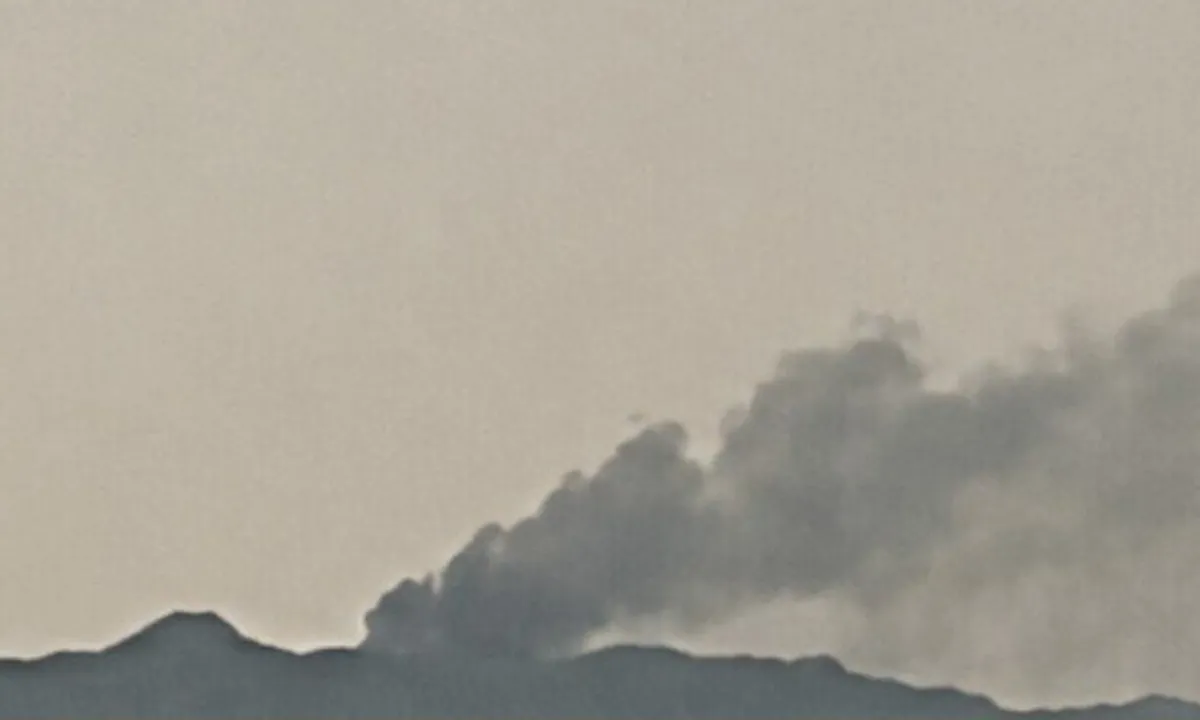 Iran tuyên bố đánh trúng trạm radar trên ngọn núi cao nhất Bahrain
Truyền thông Iran nói nước này đã đánh trúng đài radar cảnh báo sớm đặt tại vị trí cao nhất ở Bahrain, khi tập kích trả đũa Mỹ.


