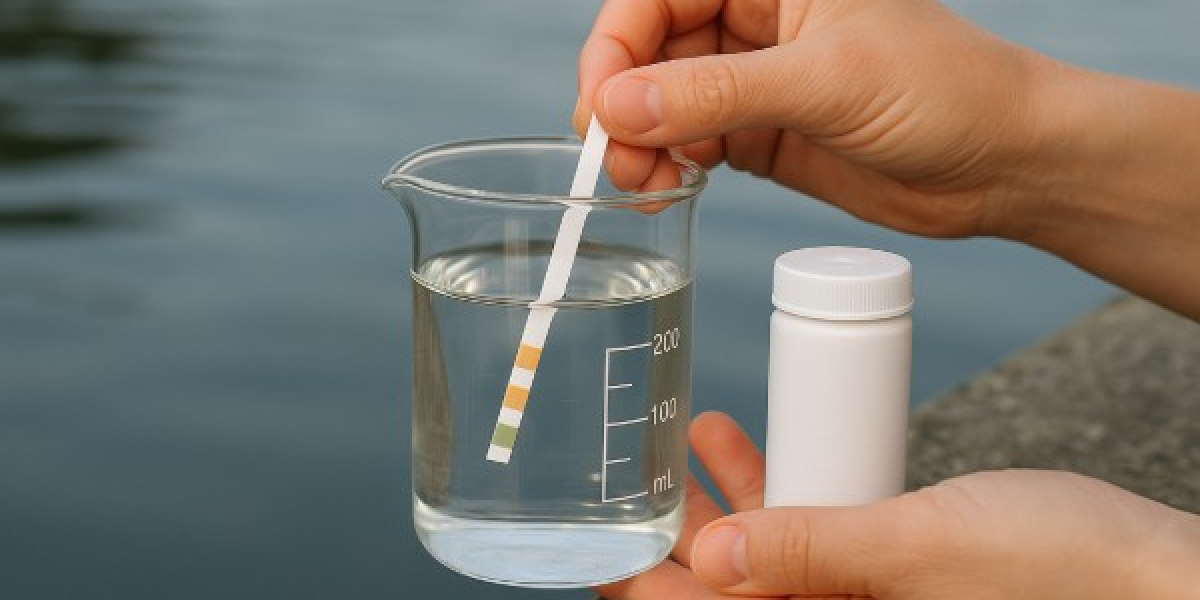
Water is a vital resource used in every aspect of daily life—from drinking and cooking to industrial processing and construction. While clean water is often assumed to be safe, it can carry unseen contaminants that pose health and operational risks. This makes water testing an essential practice for households, institutions, and industries alike.
Water testing is the scientific process of analyzing water samples to assess their physical, chemical, and microbiological characteristics. The goal is to determine whether the water is safe and suitable for its intended use. Whether it's drinking water for a family or process water for a factory, testing helps detect impurities that could otherwise go unnoticed.
Water testing involves checking a wide range of factors:
Physical properties: color, turbidity, odor, and temperature
Chemical composition: pH, hardness, total dissolved solids (TDS), nitrates, fluoride, and heavy metals like lead or arsenic
Microbiological content: presence of harmful bacteria such as E. coli or total coliforms
These tests are performed as per guidelines provided by organizations like the Bureau of Indian Standards (BIS), World Health Organization (WHO), and Central Pollution Control Board (CPCB).
Contaminated water can carry bacteria, viruses, or toxic elements that may lead to waterborne illnesses, including gastrointestinal infections, developmental issues, and long-term health complications.
Industries, hospitals, schools, and commercial buildings must ensure their water sources meet local and international standards to avoid penalties and maintain operational licenses.
Water used in construction must meet specific quality standards, especially for concrete mixing and curing. In manufacturing, poor water quality can damage equipment, reduce product life, or cause production failures.
Testing helps monitor wastewater before discharge, reducing pollution and supporting environmental sustainability.
Water testing is not just for industries. It’s equally important for:
Households using borewell or tanker water
Apartment complexes and housing societies
Schools, hospitals, and hotels
Construction firms and real estate developers
Manufacturing units and food processing plants
Agricultural users relying on irrigation water
Water testing must be conducted by accredited water testing labs that use standardized methods and calibrated instruments. Certified laboratories ensure reliable results that can be used for decision-making, regulatory reporting, and treatment system design.
Laboratories like Krishna Metallurgical Laboratories offer detailed testing services for drinking, construction, and industrial water. These labs follow national and international protocols, providing trustworthy results that support safety and compliance.
Water quality should never be taken for granted. Even if water looks clean, only testing can confirm its safety. By regularly analyzing water through a trusted lab, individuals and organizations can prevent health risks, ensure smooth operations, and fulfill regulatory obligations.
Whether you're a homeowner, a builder, or a business owner, water testing is a smart, responsible, and essential step toward a healthier and safer future.

Leo Chill
26 posts
-
 Cómo Proteger tu Teléfono Android de Virus y Ciberataques en 2025
Aunque Android ha mejorado sus medidas de protección con cada actualización, muchas veces los problemas aparecen por descuidos del propio usuario. En este artículo te explicamos cómo mantener tu dispositivo Android seguro, actualizado y libre de amenazas
-
 Erfahrungen – die unsichtbare Kraft hinter Vertrauen und Entscheidung
Erfahrungen – die unsichtbare Kraft hinter Vertrauen und Entscheidung
-
 Fliegengittertür – Schutz, Komfort und Lebensqualität für Ihr Zuhause
Fliegengittertür – Schutz, Komfort und Lebensqualität für Ihr Zuhause
-
 Créer des scripts de podcasts professionnels grâce à Chat GPT
Grâce à Chat GPT, les barrières à la création de podcasts s’effondrent. Plus besoin d’être un expert en rédaction ou en storytelling : vous êtes accompagné à chaque étape. Que vous soyez entrepreneur, coach, enseignant, passionné de culture, ou simple curieux, vous pouvez c
-
 Understanding How And When To Do Bone Marrow Transplant
Bone marrow transplants are a life-saving treatment for various conditions, including certain types of cancer, blood disorders, and immune deficiencies. This complex procedure involves replacing damaged or diseased bone marrow with healthy stem cells. If you or a loved one are considering
-
 Понять, как костный мозг восстанавливается после трансплантации костного мозга
Трансплантация костного мозга, сложная медицинская процедура, предлагает спасательный круг для людей, борющихся с опасными для жизни заболеваниями, такими к
-
 مخاطر عملية زرع نخاع العظم لمرضى فقر الدم المنجلي
تقدم عملية زرع نخاع العظم (BMT)، المعروفة أيضًا باسم عملية زرع الخلايا الجذعية المكونة للدم (HSCT)، إمكانية علاج مرض فقر الدم المنجلي (SCD). ومع ذلك، فهي عملية معقدة ت
-
 Acute Lymphoblastic Leukemia (ALL) Stem Cell Transplant Survival Rates
Acute Lymphoblastic Leukemia (ALL) is a cancer of the bone marrow and blood that primarily affects children but can also occur in adults. While treatment options have significantly improved, some patients may require a stem cell transplant for optimal outcomes.
-
 የአጥንት ቅልጥምንም ንቅለ ተከላ በኋላ ትክክለኛውን አመጋገብ ወይም አመጋገብ ይወቁ
የአጥንት መቅኒ ንቅለ ተከላ በሽታ የመከላከል ስርዓትን በእጅጉ የሚጎዳ ውስብስብ የሕክምና ሂደት ነው። ሰውነትዎ ሲያገግም, ለአመጋገብዎ ጥንቃቄ የተሞላበት ትኩረት በጣም አስፈ
-
 Апластическая анемия. Ожидаемая продолжительность жизни после трансплантации костного мозга
Апластическая анемия — редкое и серьезное заболевание крови, при котором костный мозг перестает вырабатывать достаточное количество клеток крови. Это може
-
 متوسط العمر المتوقع بعد عملية زرع نخاع العظم – الطريق إلى التعافي
تقدم عمليات زرع نخاع العظم الأمل لمن يعانون من اضطرابات الدم ولكنها تنطوي على مخاطر. تؤثر متغيرات مثل نوع المرض، ومطابقة المتبرع، وGVHD، والمضاعفات، والعمر، وال


