Forex indicators are essential tools used by traders to analyze market trends and make informed decisions. These indicators provide valuable insights into price movements, helping traders predict future trends and identify potential trading opportunities. In this article, we will explore what forex indicators are, their types, and how to use them effectively in your trading strategy.
Forex indicators are mathematical calculations applied to price, volume, or open interest data of a currency pair. They are displayed as visual elements on trading charts, making it easier for traders to interpret market trends. Indicators help in identifying patterns, spotting reversals, and confirming potential entry or exit points in trades.
While indicators don’t guarantee success, they are valuable tools for improving trading accuracy when used alongside other strategies.
Forex indicators can be categorized into four main types based on their function and the information they provide:
1. Trend Indicators
Trend indicators show the overall direction of the market. They help traders determine whether the market is moving upward, downward, or sideways.
2. Momentum Indicators
Momentum indicators measure the strength or speed of a price movement. They are useful for identifying overbought or oversold conditions in the market.
3. Volatility Indicators
These indicators measure the degree of price movement in the market, showing how much the price fluctuates over a period.
4. Volume Indicators
Volume indicators analyze the amount of trading activity during a given period. They help confirm trends and the strength of price movements.
Using indicators effectively requires understanding their functions and applying them correctly. Here are some tips to get started:
1. Combine Multiple Indicators
Relying on a single indicator may not provide a complete picture of the market. Combine indicators from different categories for better accuracy. For example, use a trend indicator like Moving Averages with a momentum indicator like RSI to confirm trends and entry points.
2. Avoid Overloading Your Chart
While it’s tempting to use many indicators, too much information can lead to confusion. Stick to 2-3 reliable indicators that complement each other and suit your trading strategy.
3. Understand Indicator Settings
Most indicators have adjustable settings, such as periods or timeframes. Experiment with these settings to find the ones that work best for your trading style and the currency pair you’re analyzing.
4. Use Indicators as Confirmation Tools
Indicators should support your analysis, not replace it. Always consider other factors like economic events, chart patterns, and market sentiment before making a trade.
5. Practice on a Demo Account
Before using indicators in live trading, practice with a demo account. This allows you to understand how they work without risking real money.
Let’s take a closer look at some widely used forex indicators:
1. Moving Averages (MA)
Moving averages smooth out price data to show the overall trend.
2. Relative Strength Index (RSI)
RSI measures the strength of price movements.
3. Bollinger Bands
These bands consist of a moving average and two standard deviation lines.
Forex indicators are powerful tools that can enhance your trading strategy by providing insights into trends, momentum, and market conditions. Understanding how to use them effectively is crucial for making informed decisions and managing risks.
Remember, no single indicator guarantees success. The key is to use them as part of a broader strategy, combining technical analysis with sound risk management and market awareness. Practice regularly, keep learning, and refine your approach to become a confident and successful forex trader.

Trade FX Club
1 posts
-
 Extra £174m earmarked for ‘spiralling’ bill for Lower Thames Crossing
More than £3bn is due to be spent on the proposed road tunnel between Kent and Essex, which is estimated to have higher costs per mile than HS2
-
 Cách bưu cục JT Cargo tối ưu vận chuyển hàng nặng hẻm nhỏ tại TP HCM
Tận dụng xe van như kho di động, chia tuyến linh hoạt và dự phòng năng lực giao nhận, bưu cục Jamp;T Cargo Khánh Hội duy trì hiệu suất vận hành top 3 miền Nam của Jamp;T.
-
 Bài toán phát triển nhiên liệu hàng không từ dầu thải của Nhật Bản
Nhật Bản tận dụng từng giọt dầu thừa thải ra trong quá trình nấu nướng của hộ gia đình để sản xuất nhiên liệu hàng không, với mục tiêu đạt 10% nguồn cung vào 2030.
-
 Nhiều gia đình 'thắt lưng buộc bụng' nhưng hóa đơn vẫn phình to
Tiền nhà, thực phẩm, học phí và lãi vay đồng loạt tăng khiến nhiều hộ gia đình phải co kéo chi tiêu, trong khi khoản tiền để dành ngày càng thu hẹp.
-
 Survivors of abuse by Mohamed Al Fayed call for trafficking investigation
Without it the ‘true scale’ of former Harrods owner’s alleged network will stay hidden, says survivors’ group
-
 Đề xuất công khai thông tin chủ doanh nghiệp bỏ địa chỉ kinh doanh
Bộ Tài chính đề xuất công khai thông tin chủ doanh nghiệp, hộ kinh doanh bỏ địa chỉ đăng ký, nhưng sẽ che một phần số định danh để bảo vệ quyền riêng tư.
-
 Giá dứa gai giảm sâu, nông dân lo lỗ nặng
Hàng nghìn hộ dân trồng dứa nguy cơ lỗ nặng khi nắng nóng kéo dài, nhiều diện tích dứa bị nám, thối còn giá thì rẻ nhất nhiều năm.
-
 Delivery pain for UK dad as baby magazine arrives 19 years late
Paul Edwards ordered the publication before the birth of his son in 2007, but experienced pregnant pause before receiving it this week
-
 Giá vàng tuần này dự báo tiếp tục giảm
Phần lớn chuyên gia Phố Wall dự báo vàng thế giới tiếp tục lao dốc sau khi giảm hơn 210 USD trong tuần trước.
-
 Air fare rises ‘inevitable’ as airlines face extra $100bn jet fuel bill this year
Iata summit in Brazil hears top executives say although jet fuel shortages are unlikely, industry-wide profits will halve
-
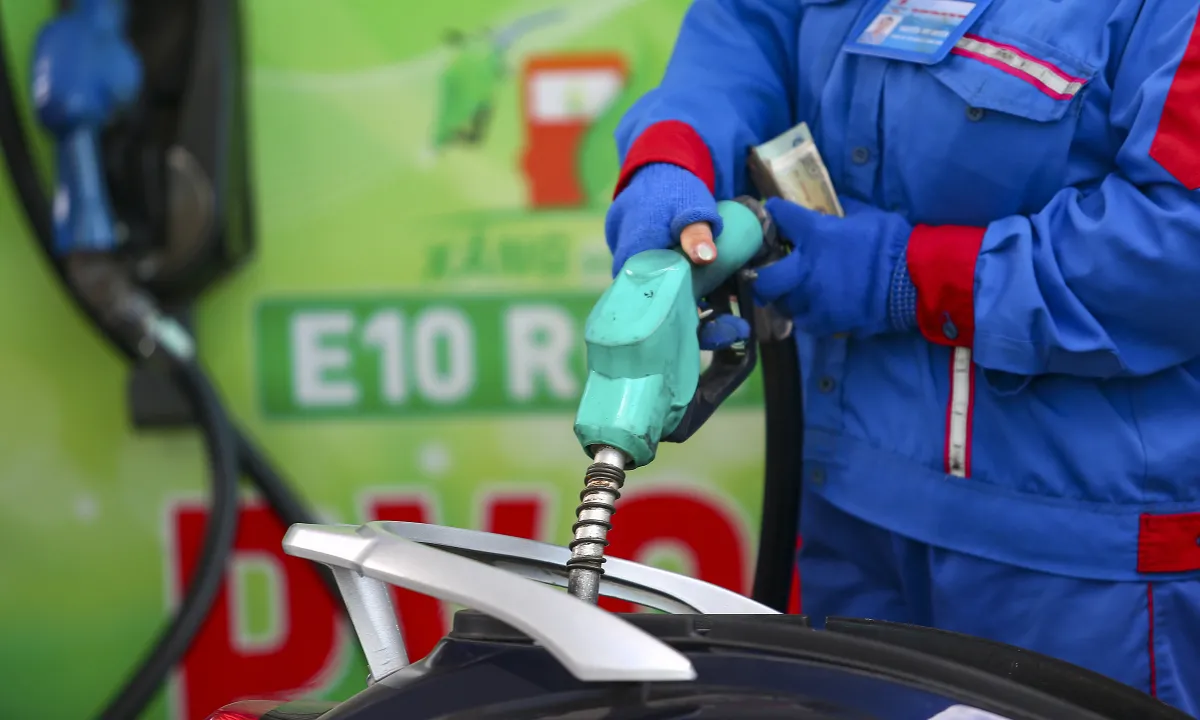 Giá xăng E10 giảm hơn 1.300 đồng một lít
Từ 15h ngày 4/6, giá xăng, dầu cùng giảm theo đà biến động của thị trường năng lượng thế giới.


