By Gene Marks • June 7, 2026 • Business
Using a credit card is no different than having a drink or two at dinner or a Big Mac once in a while. It’s fine, just don’t overdo it
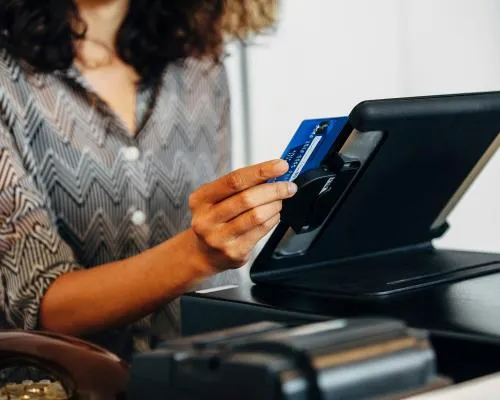
The percentage of credit card balances that were at least 90 days delinquent rose to 13.12% in the first quarter of this year, according to data released in May by the Federal Reserve Bank of New York. As the Wall Street Journal reported: “That’s the highest level in 15 years, and the most since the period following the 2008 financial crisis.” The report went on to highlight cases of individuals drowning in too much credit card debt. There’s no argument that this is a concern. Delinquent credit card balances are rising. And some people are struggling. But are Visa and Mastercard to blame? Credit cards are generally viewed by society as evil. The companies behind them are the big banks and issuers – you know, the ones we love to hate. Their sales tactics can be overly aggressive. The interest rates charged are exorbitant. The stories of people ruined by credit cards go back as long as there have been credit cards. But the reality is that having a credit card and being allowed to make purchases on credit is a blessing for many individuals and for countless small business owners and startups. Small companies lean on their credit cards to handle everything from compensating employees to paying for production materials. It’s why credit card financing remains the number one source of financing for small businesses, according to the Federal Reserve’s 2025 Small Business Credit Survey. For businesses buying products from an overseas supplier, a credit card remains the simplest way to facilitate that transaction. Buying just about anything with a credit card is easier than cutting checks or exchanging cash. It’s also a safer means of transacting business, even more so than using a debit card where money can be siphoned immediately from a bank account by a bad actor (there are liability limits to consumers when credit card fraud occurs). When used the right way, credit cards are a key source of working capital. My smartest clients use their cards to buy materials or services that they know will turn into a sale in the short term and are careful not to overspend on things that are merely expendable with no payback. Because of this, they’re pretty disciplined about paying off their balances every month (or two) to minimize what can be very high-interest charges. They build a good credit history and position themselves to open up more traditional financing with banks that have lower interest rates and can be expanded as the business grows. Then there’s the perks. My best clients who run small businesses have separate cards for both personal and business use, but then have them combined to accumulate points or cash back. Many use these perks for themselves, but a not an insignificant number of business owners I know use these accumulated benefits to purchase gifts for their employees. Using a credit card is no different than having a drink or two at dinner, a Big Mac a few times a year, a cigar once in a while, a delivery from Instacart, a trip to Disney. It’s fine, but don’t overdo it. It’s the same with credit cards. I can understand that people want to live their best lives in the short time we have here on earth. But if that means you’re maxing out your credit card, then you don’t need me to tell you what to do. It’s obvious. Cut back. Implement a spending plan, refinance against a home equity loan (if possible), find a lower interest alternative to pay down your balance. Bring things into balance. These options haven’t changed in decades. You can fix this. Whether for yourself or for your business, don’t stop using a credit card. But like everything else in life, use it with moderation.
Source: The Guardian

Business Daily
22 posts
-
 Hai con ông Nguyễn Đức Thụy gia nhập Sacombank
Con trai và con gái của Phó chủ tịch thường trực Sacombank Nguyễn Đức Thụy lần lượt được bổ nhiệm làm trợ lý cho Hội đồng quản trị và Tổng giám đốc ngân hàng.
-
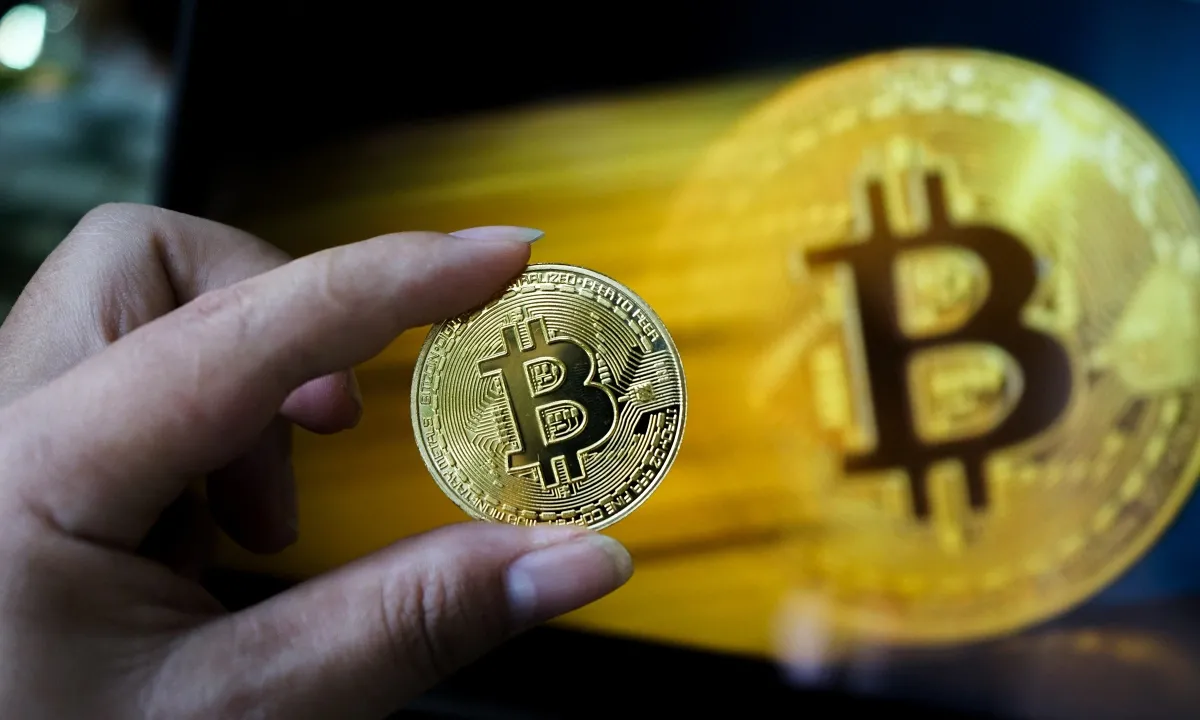 Bitcoin tăng trở lại sau khi thủng mốc 60.000 USD
Bitcoin đảo chiều tăng 5% nhờ lực cầu giải ngân khi giá xuống sát 59.100 USD - vùng giá thấp nhất một năm rưỡi.
-
 BA boss warns costly aviation taxes and rail tickets are stunting UK growth
UK lagging behind rivals on tourism growth because of travel costs and lack of joined-up planning, says CEO Sean Doyle
-
 EVN hết lỗ lũy kế hợp nhất
Hết năm 2025, Tập đoàn Điện lực Việt Nam (EVN) ghi nhận lợi nhuận lũy kế chưa phân phối hợp nhất 5.533 tỷ đồng, đảo chiều so với mức âm 38.688 tỷ cuối 2024.
-
 Tax-break trees: how woodland became a store of wealth for the rich
Attempt to turn a stretch of the English-Scottish border into a commercial forest exposes threat to habitats from wealthy investors
-
 UK car sales hit post-Covid high for May as Chinese EV makers gain ground
Registrations up 7% in the month, with battery EVs recording fastest growth and Tesla jumping 45% as motorists look to cut fuel bills
-
 TCBS có Quyền tổng giám đốc mới
Bà Trần Thị Thu Trang, người đã có 12 năm làm việc tại TCBS, được bổ nhiệm làm Quyền tổng giám đốc công ty.
-
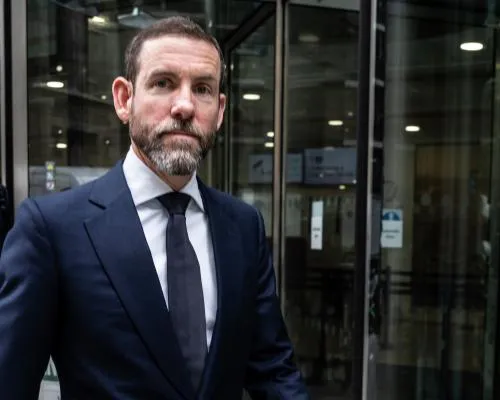 Financier Lex Greensill banned from running UK companies for nine years
Founder of Greensill Capital says there was no finding he acted dishonestly after his company collapsed owing £1.6bn
-
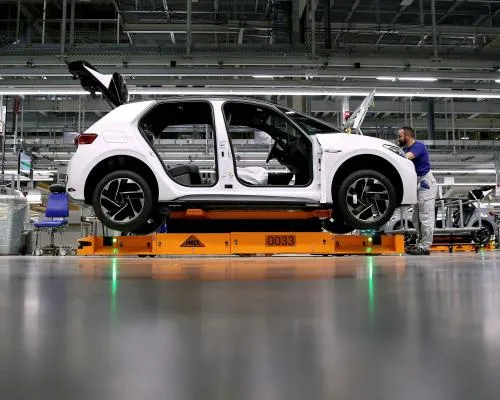 Car industry pressing EU for further delay to Brexit EV tariffs
Exclusive: deal in 2020 had sought to stimulate local battery making but industry says it still cannot meet targets
-
 Công ty ông Johnathan Hạnh Nguyễn làm chủ tịch tính chia cổ tức kỷ lục
Sasco, công ty do ông Johnathan Hạnh Nguyễn làm chủ tịch, lên kế hoạch chia cổ tức bằng tiền mặt hơn 46%, tức mỗi cổ phiếu nhận trên 4.600 đồng.


