By Geneva Abdul • June 15, 2026 • UK news
Two men have been convicted of attacks linked to ‘El Money’ – a Telegram contact who the court heard wanted to see results of their crimes ‘on the news’
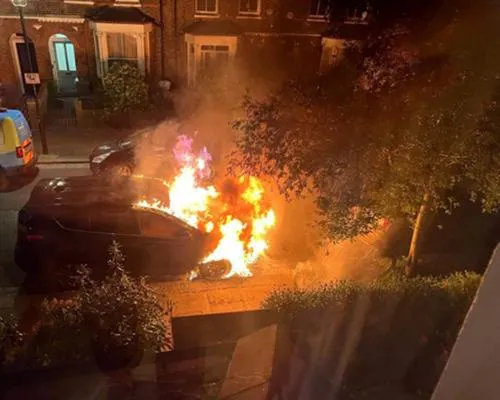
Judith Alexander was awake in bed on her phone when about 1am she heard two very loud bangs. It sounded to the prime minister’s sister-in-law like two wheelie bins had been thrown at the door. But when she looked out of a window, she saw smoke and an orange glow. “We could see the smoke was getting thicker and going upstairs,” said Alexander, in a statement that was read to the court during the trial at the Old Bailey in London over a series of arson attacks on property linked to Keir Starmer. “The fact that [my daughter’s] room was right above the fire and if I did not wake up, what might have happened …” The incident was one of three that occurred in May 2025, when police were called to a fire at a house in north London connected to Starmer. Another was at a property nearby where he used to live, and a blaze involved a car that also once belonged to the prime minister. Two men with links to Ukraine were found guilty on Monday of conspiring to damage property after a months-long trial. Roman Lavrynovych, a 22-year-old Ukrainian national, and Stanislav Carpiuc, a 27-year-old Romanian, were found guilty of the charge, while their co-defendant, Petro Pochynok, 35, was cleared. Lavrynovych was also convicted of damaging two properties by fire being reckless as to whether life was endangered on 11 and 12 May last year. At the heart of the case was a Russian-speaking Telegram contact using the pseudonym “El Money” – a translation of the Ukrainian word “Hroshi” – who allegedly ordered the arson attacks and communicated in Russian with Lavrynovych as early as September 2024. “There’s one winner in this case. The anonymous devil who manipulated, used and won,” James Scobie KC, representing Lavrynovych, told the court in closing remarks. “What do we know about him? Nothing,” he added. “Where’s he from? Who might have an interest in trying to undermine this country, undermine this country’s support of Ukraine, who are fighting for their liberty? Who might do that?” “But Russia – let’s call it out – Russia are interested in what this country does in support of Ukraine. This person, or people, spoke excellent Russian,” said Scobie. The mysterious El Money was described by the prosecution in closing remarks as “seeking to destabilise our society” but it was beyond the jury’s consideration, they were told, to determine who El Money was or what motivations they might have had. The alleged interest of Russia, while not found in court, points to a series of incidents in recent years, which, though piecemeal and hard to prove, lay bare how Russia’s intelligence services have moved towards a new kind of attack on the west. The Guardian has reported on dozens of people who have been rounded up across Europe in recent years – in Britain, Lithuania, France and Estonia – who have been accused of being foot soldiers in a new front of Russia’s war against the west. Moscow has launched a campaign of sabotage, arson and disinformation against the continent, European intelligence agencies have said. An investigation by the Finanical Times alleged that a Russian online sabotage group was behind the attacks. The report found that El Money was closely linked to a pro-Kremlin hacktivist group called NoName057(16). Telegram messages recovered by the police between El Money and Lavrynovych showed he had been recruited through a Telegram London jobs group, instructed and promised payment in cryptocurrency for the fires. However, Helen Flanagan, the head of counter-terrorism policing in London, said there was no evidence Russia was behind the attacks. Lavrynovych has said he first received a job from El Money, who spoke in “perfect” Russian and Ukrainian, to print out ads and place them at addresses. He did not take the job for the posters, described as “something about Islam” and “obvious that it was nothing good” but was later asked to check for CCTV at two addresses for £1,500. “Did [El Money] explain to you who the two addresses were linked to?” Lavrynovych was asked by police in May 2025. No, he replied, reasserting a previous statement to police that he had never heard of Starmer. Lavrynovych told the court he needed the money, and said he felt threatened by El Money, who said he knew where he lived at a south London address shared with his grandmother. Pochynok had been recruited by Carpuic to help Lavrynovych with the first fire, the court heard, while Carpiuc’s role involved planning and receiving payment. Last year, on 8 May, a Toyota RAV4, once owned by Starmer before he sold it to a neighbour, was set ablaze. During the trial in London, Lavrynovych told the court in May that El Money had instructed him what to buy and to “finish the job” with the car, after an attempt to set it ablaze failed to make the news. “What did you understand was important to El Money with respect to the car?” Scobie asked Lavrynovych. “That the car, this arson, would be broadcast on the news,” replied Lavrynovych through a translator. He said he asked El Money why he wanted it in the news, and received no response. During a police interview shortly after his arrest in 2025, Lavrynovych was asked if he was interested in British politics, had any grudges against Starmer, or the government, or England. No, he replied. When asked if El Money had ever mentioned Starmer, his response was the same. When asked in a subsequent police interview of his thoughts on the Russia-Ukraine conflict, Ukrainian-born Lavrynovych said “nothing good”. As to whether Russia is in the wrong in the conflict, he said yes, and went on to describe Putin as “a terrorist”. Another fire took place on 11 May at the front door of a property in north London that Starmer had previously managed. And a third fire was set in the early hours of 12 May outside the home where Starmer lived before he moved into Downing Street, and where his sister-in-law was now living. After being instructed to set the car ablaze, Lavrynovych told the court El Money said the next job was going to be a building that resembled an office. He told the court there was a main door which he was to set on fire. He said he was told no one would be at the address. “I was just executing the thing that El Money made me to do … the purpose was to set the door alight,” he told the court in May. “I did not want to endanger anyone’s life,” he added. When asked if press coverage was important to El Money, Lavrynovych responded: “Yes, he wanted to see it on the news.”
Source: The Guardian

Uk News Feed
97 posts
-
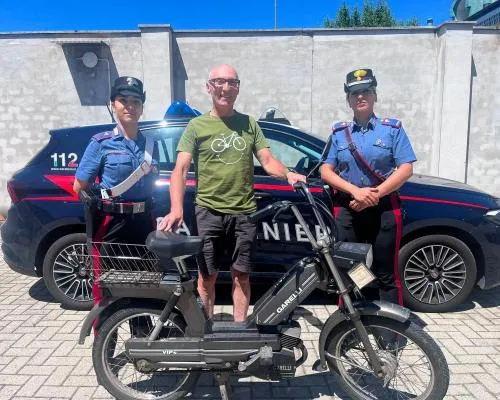 Wheels of justice turn (very) slowly: moped stolen in 1984 returned to owner
Garelli bike recovered by police in Italy after they spotted it without licence plate during roadside check
-
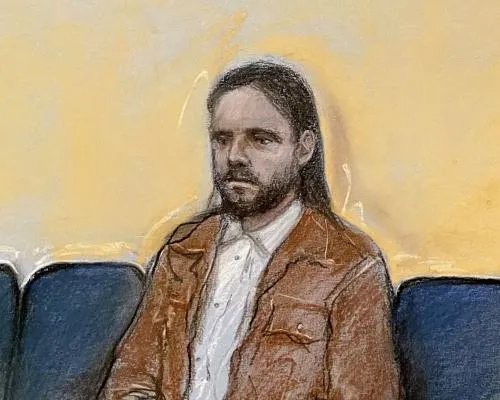 UK court finds man guilty of sexual abuse and murder of adopted baby
Schoolteacher Jamie Varley described as ‘serial manipulator and a serial liar’ in Lancashire court
-
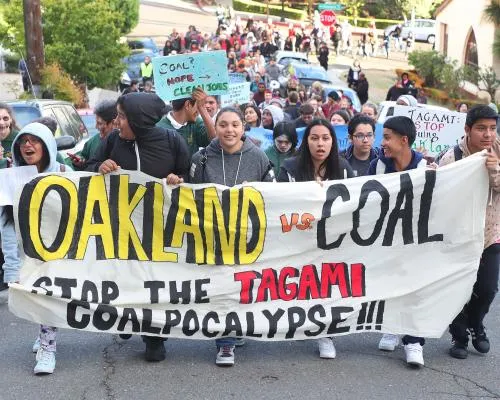 Trump wants to put a $75m coal terminal in this liberal California city. Residents aren’t having it
Residents of West Oakland, which suffers from toxic waste and high pollution rates, rally against a coal export facility
-
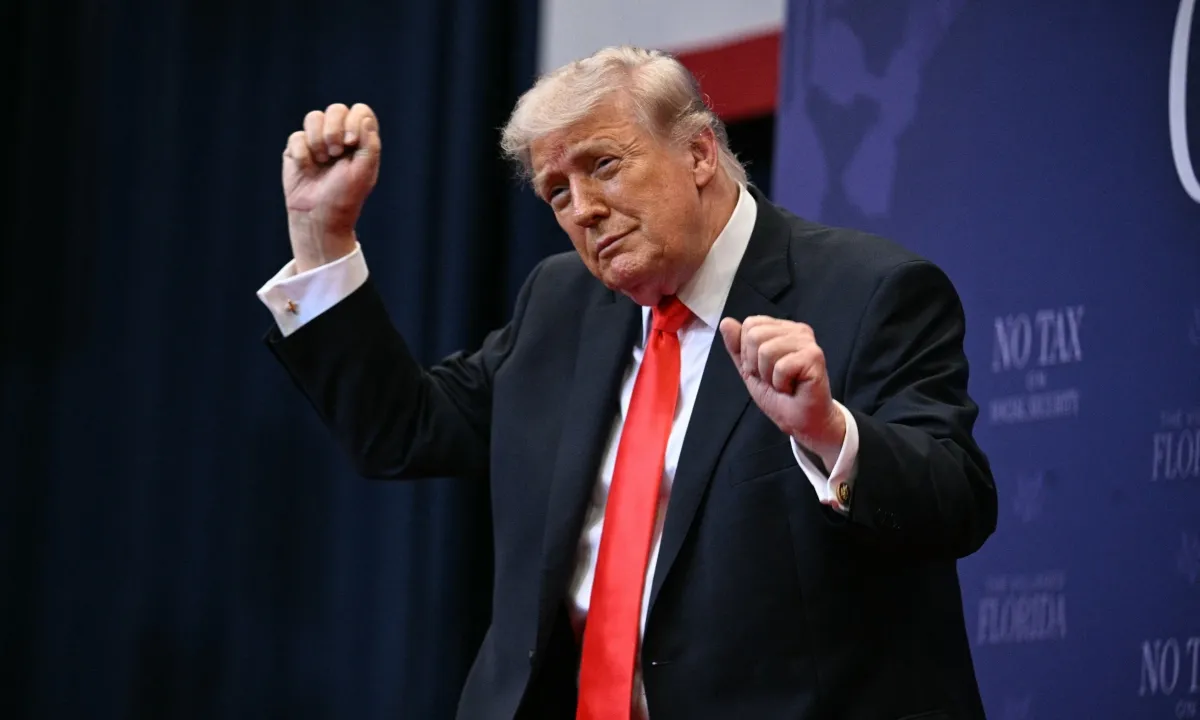 Ông Trump tuyên bố tổ chức 'cuộc mít tinh Trump ngoạn mục nhất'
Tổng thống Trump tuyên bố sẽ tổ chức cuộc mít tinh quy mô lớn ở Washington vào ngày 4/7 để kỷ niệm 250 năm quốc khánh, trong đó ông là diễn giả chính.
-
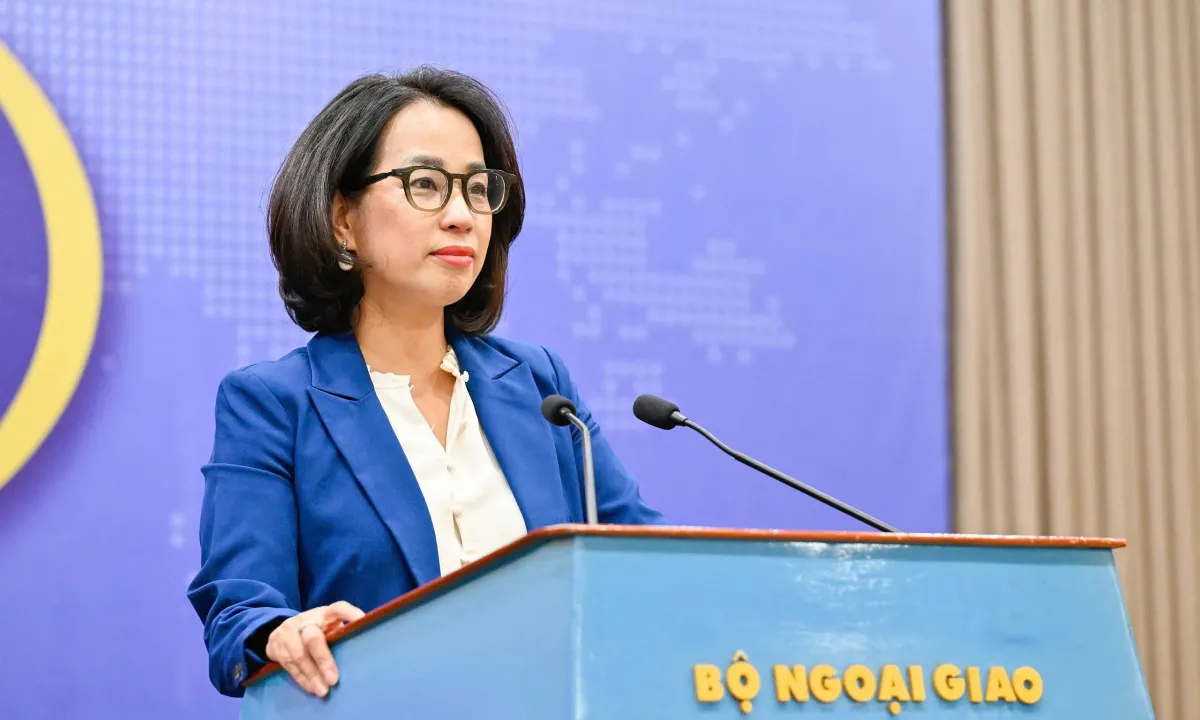 Việt Nam hoan nghênh Mỹ - Iran đạt thỏa thuận hòa bình
Việt Nam đánh giá cao các nỗ lực thúc đẩy thỏa thuận hòa bình Mỹ - Iran, kêu gọi hướng tới giải pháp toàn diện, bền vững cho khu vực.
-
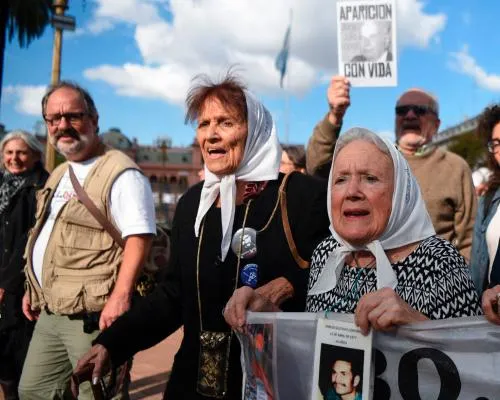 Argentinian activist who spent 50 years looking for ‘disappeared’ son dies
Outpouring of public grief for Lidia ‘Taty’ Almeida, leader of group of mothers that has marched every week since 1977
-
 Protesters seek to stop plan to cull hundreds of geese in Alabama
Homeowners association in Madison incites protests and calls for humane solutions after voting to kill geese
-
 Israel will not withdraw from territory in Lebanon, defence minister says
Comments by Israel Katz come after announcement of interim deal between Washington and Tehran
-
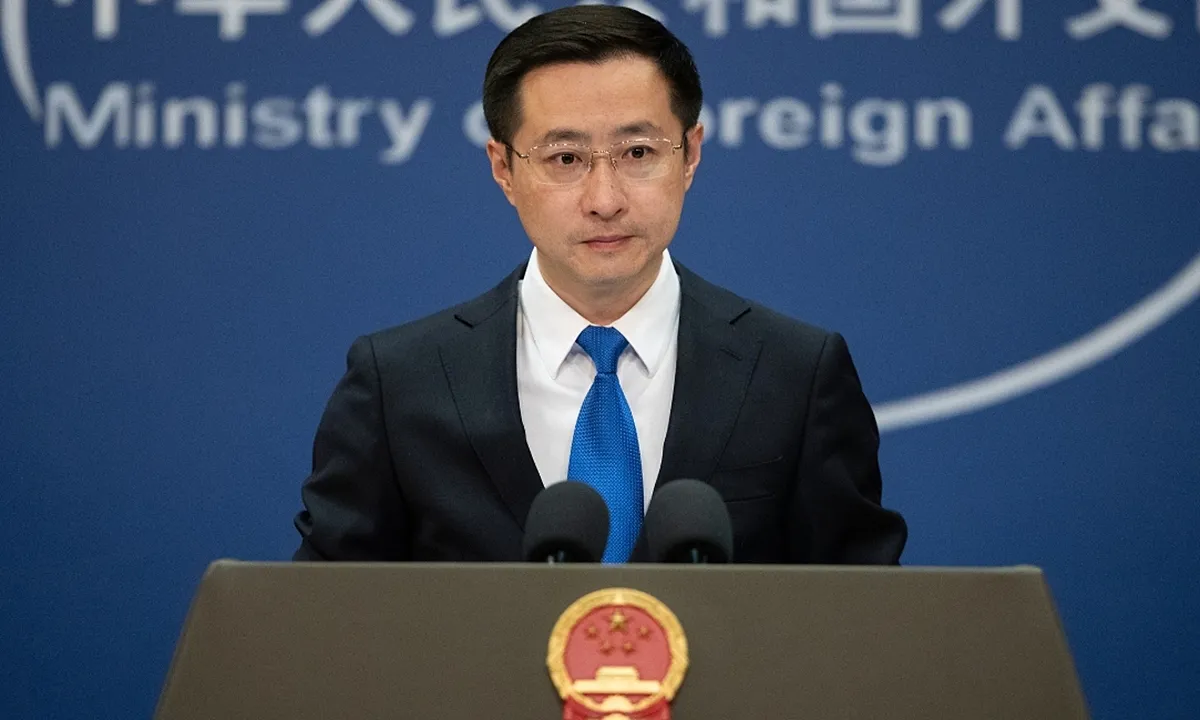 Trung Quốc nói tăng sức mạnh quân sự để hỗ trợ hòa bình thế giới
Trung Quốc cho hay việc nước này tăng cường năng lực quân sự có lợi cho hòa bình thế giới và chỉ trích thông tin về nguy cơ Bắc Kinh tấn công Australia.
-
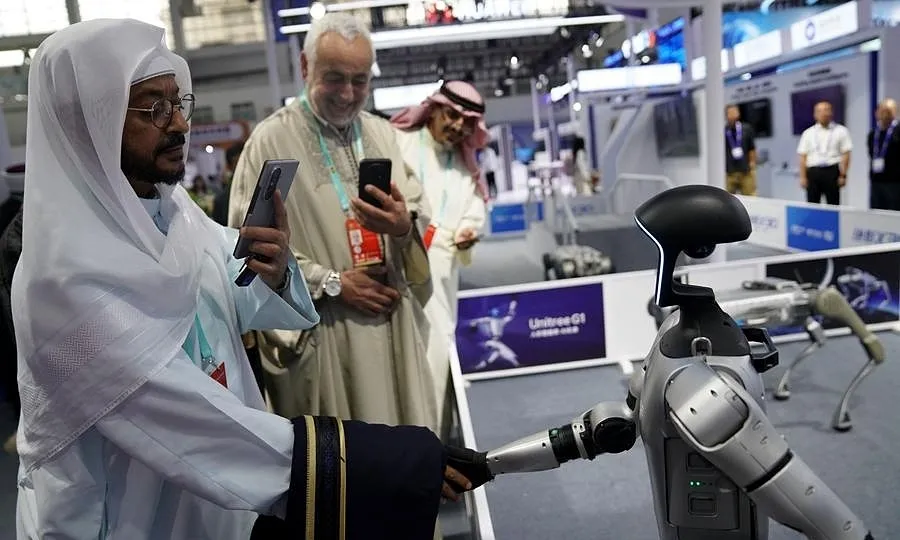 Trung Quốc - 'nam châm' hút các gia đình giàu có vùng Vịnh
Đột phá trong trí tuệ nhân tạo, lĩnh vực sản xuất cùng các nội dung quảng bá trên TikTok khiến Trung Quốc trở thành điểm đến hấp dẫn với các gia đình giàu có vùng Vịnh.


