The Importance of Evidence Collected During a DUI Arrest in Determining Guilt or Innocence


The evidence collected during a DUI (Driving Under the Influence) arrest is critical in determining whether a defendant is found guilty or innocent. This evidence forms the foundation of the prosecution's case and significantly influences the legal strategies employed by the defense. Strong or weak evidence can determine the outcome of the case, either leading to a conviction, dismissal, or a favorable plea deal for the defendant. Here's a breakdown of the types of evidence commonly gathered in DUI cases and their importance:
Field sobriety tests are a series of physical tasks that police officers ask drivers to perform during a DUI stop to gauge impairment. These tests include activities like the walk-and-turn, one-leg stand, and horizontal gaze nystagmus (HGN) test.
Breathalyzer tests measure the blood alcohol concentration (BAC) by analyzing a driver's breath. In most states, a BAC of 0.08% or higher is the legal limit.
In cases where breath tests are not conducted, or when drug impairment is suspected, law enforcement may collect blood or urine samples to test for alcohol or drugs.
The arresting officer’s observations play a significant role in DUI cases. The officer may testify about the driver’s behavior, physical appearance (bloodshot eyes, slurred speech), and driving pattern (swerving, speeding, etc.) as indicators of impairment.
Many police vehicles and officers are equipped with dashboard cameras or body cameras that record interactions with drivers during a traffic stop and arrest. This footage can provide a more objective account of the driver’s behavior and the arresting officer's actions.
In some DUI cases, there may be additional witnesses, such as passengers in the car, pedestrians, or other drivers who can provide testimony about the driver’s behavior before and during the traffic stop.
The procedures followed by law enforcement officers during a DUI stop and arrest are critical to ensuring that the driver’s rights are upheld.
The evidence collected during a DUI arrest plays a pivotal role in determining guilt or innocence. Breathalyzer or blood test results, field sobriety tests, officer observations, video footage, and procedural compliance all contribute to the prosecution’s case. However, the defense can challenge this evidence through various strategies, such as questioning the reliability of testing methods, the accuracy of the officer’s observations, and adherence to proper legal procedures. The strength and validity of the evidence ultimately determine the course of the case and whether a conviction, dismissal, or plea deal is the most likely outcome.
aaron leo
1 posts
-
 Green Engineering and Health Optimization at Whiteland The Aspen
To address this, Whiteland Corporation integrated specialized CTMA3 Air Purification technology into the core building systems. This central air infrastructure works continuously to treat, filter, and circulate air throughout enclosed common areas, double-height entrance lobbies, and tower
-
 Mastering the Asset: Technical Infrastructure, Micro-Market Value, and Structural Layouts at DLF Park Place
This deep dive focuses on the granular technical infrastructure, exact structural layouts, and macro-economic factors that explain why this specific project maintains a massive edge over its competition in 2026.
-
 Brand Identity and Tenant Experience: Cultivating Loyalty at Elan Empire Gurgaon
Securing high occupancy in a premium high-street asset is only half the battle. For long-term viability, property management and individual investors must shift their focus to building tenant loyalty and creating a distinctive brand identity.
-
 Master Review: Evaluating Godrej Nature Plus, Sector 33, Gurgaon
The layout uses a smart structural pattern where towers are angled away from each other. This creates a staggered footprint that gives corner apartments clear, unblocked views of the Aravalli foothills while ensuring optimal morning and afternoon sunlight. Inside the towers, the floor plan
-
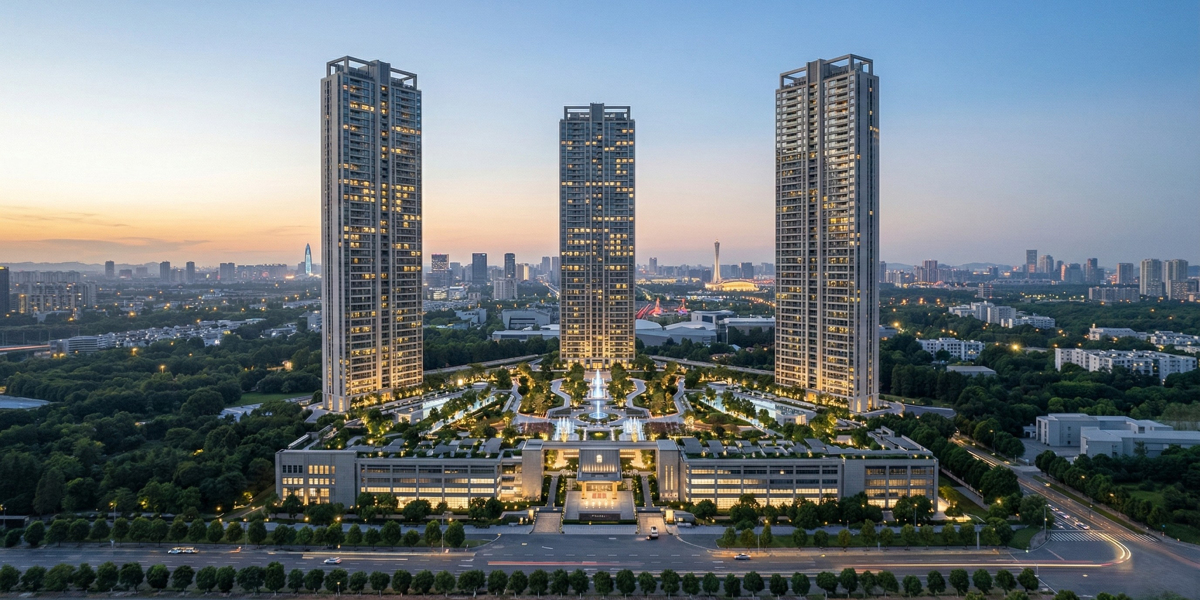 BPTP Downtown 66: A Masterpiece of Vertical Luxury in Sector 66
BPTP Downtown 66 has emerged as one of the most anticipated high-rise developments on the Golf Course Extension Road. Designed by the globally acclaimed architectural firm Aedas, this project is not just a residential complex but a vertical ecosystem where luxury meets functionality.
-
 Aesthetic Clinic in Australia | Beauty Clinic in Carolina | PM Aesthetics
Discover a trusted aesthetic clinic in Australia and a professional beauty clinic in Carolina. PM Aesthetics offers advanced skincare, cosmetic treatments, and personalized beauty solutions.
-
 The Masterful Synergy at Signature Global Tonino Lamborghini
Signature Global Tonino Lamborghini Residences represents a ₹2,890 crore synergy of Italian supercar aesthetics and Indian engineering excellence in Sector 71.
-
 Sidewalk Repair NYC: A Complete Guide for Property Owners
Sidewalks in New York City endure constant wear and tear due to heavy foot traffic, extreme weather conditions, and tree root growth. Over time, cracks, uneven surfaces, and potholes can develop. These issues not only create an unpleasant appearance but also pose serious safety hazards for
-
 Why Natural Stone Wall Panels Are Becoming the First Choice for Modern Interiors
Discover why natural stone wall panels are becoming a top choice for modern interiors and exteriors. Learn about their durability, aesthetic appeal, and versatile applications for residential and commercial spaces.
-
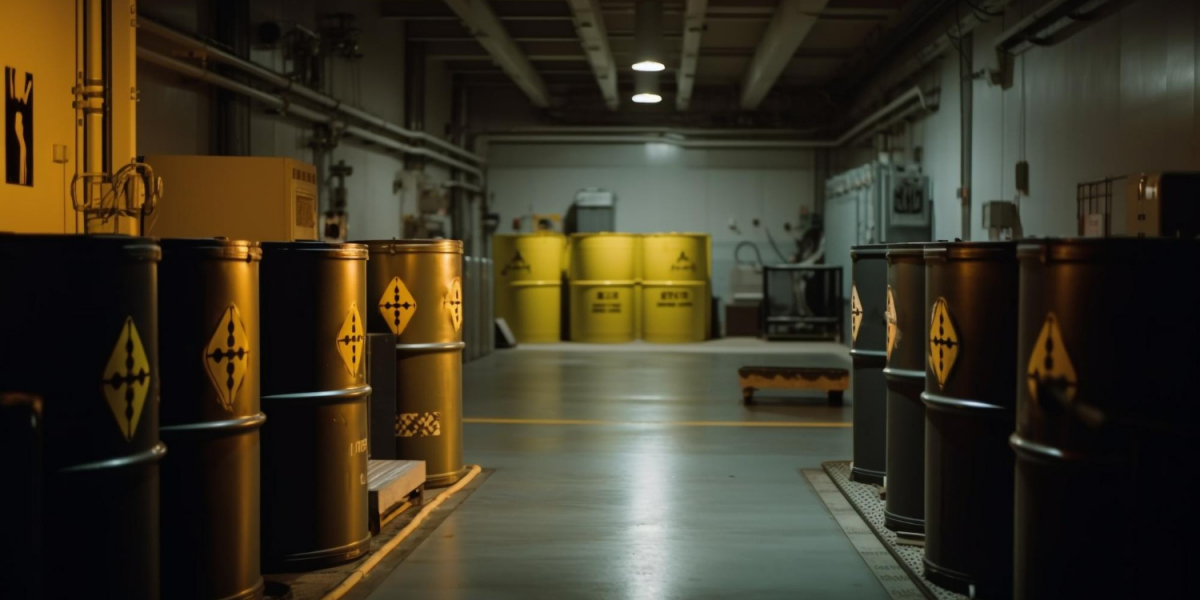 Chemical Supplier for Industrial in UAE: Reliable Solutions for Modern Industries
Find a reliable chemical supplier for industrial in UAE offering high-quality products, consistent supply, and tailored solutions for manufacturing, oil & gas, construction, and water treatment industries.
-
 Signature Global Cloverdale SPR Gurgaon – A Modern Address for Comfortable Living
This connectivity allows residents to easily access major employment hubs, corporate offices, and business districts. The proximity to IGI Airport further adds to its appeal, especially for professionals who travel frequently.


