
When it comes to forex trading, traditional strategies often revolve around technical indicators, economic data, or geopolitical events. However, a lesser-explored and intriguing concept is the potential influence of lunar cycles on market behavior. While this might sound like astrology or pseudoscience, some traders and researchers argue that the phases of the moon could subtly affect human behavior and, by extension, trading decisions. This article delves into the unique idea of lunar cycles and their potential connection to the forex market.
Lunar cycles refer to the recurring phases of the moon as it orbits Earth. These phases—new moon, waxing crescent, full moon, and waning crescent—occur over approximately 29.5 days. Throughout history, humans have linked lunar cycles to various phenomena, including tides, agriculture, and even human emotions. The concept of "lunacy" originates from the belief that the full moon influences behavior.
While the idea of the moon affecting forex trading might seem far-fetched, there are scientific reasons to consider its impact on human psychology and activity. For instance:
Forex trading is driven by human psychology and global market sentiment. If lunar cycles can influence emotions and behaviors, they might also affect trading patterns. Here are some potential connections:
Some traders claim that markets tend to exhibit higher volatility during the full moon. The theory is that heightened emotional states might lead traders to make impulsive or irrational decisions, causing sharp price movements.
During the new moon, some traders believe that market activity slows down, as the gravitational influence is weaker, potentially leading to lower trading volumes. This could result in tighter trading ranges and less dramatic price movements.
The waxing and waning phases of the moon might correlate with changes in traders' risk appetite. For instance, traders may take on more risk during a waxing moon (associated with growth) and become more conservative during a waning moon.
The idea of lunar cycles influencing forex trading has its share of skeptics. Critics argue that there is no concrete scientific evidence linking the moon’s phases to market behavior. Most trading decisions are based on logical, data-driven analyses, and attributing patterns to lunar cycles risks falling into confirmation bias—seeing correlations where none exist.
Moreover, the global nature of forex markets, with diverse participants and factors driving price movements, makes it difficult to isolate any single influence, such as the moon.
Despite skepticism, some traders and researchers have attempted to study the relationship between lunar phases and financial markets:
If you’re intrigued by the idea of lunar cycles influencing forex trading, here’s how you can experiment with this unique concept:
While lunar cycles may not provide a definitive trading edge, they offer a unique perspective for traders looking to explore unconventional strategies. For example:
The impact of lunar cycles on forex trading is a unique and largely unexplored topic. While scientific evidence is limited, the possibility of subtle behavioral influences adds an interesting layer to market analysis. Whether you approach this idea with curiosity or skepticism, exploring unconventional concepts like lunar cycles can expand your understanding of the diverse factors that may influence the forex market. As with any trading strategy, it’s essential to test your hypotheses thoroughly and remain grounded in evidence-based practices.

James Friendly
26 posts
-
 Bài toán phát triển nhiên liệu hàng không từ dầu thải của Nhật Bản
Nhật Bản tận dụng từng giọt dầu thừa thải ra trong quá trình nấu nướng của hộ gia đình để sản xuất nhiên liệu hàng không, với mục tiêu đạt 10% nguồn cung vào 2030.
-
 Nhiều gia đình 'thắt lưng buộc bụng' nhưng hóa đơn vẫn phình to
Tiền nhà, thực phẩm, học phí và lãi vay đồng loạt tăng khiến nhiều hộ gia đình phải co kéo chi tiêu, trong khi khoản tiền để dành ngày càng thu hẹp.
-
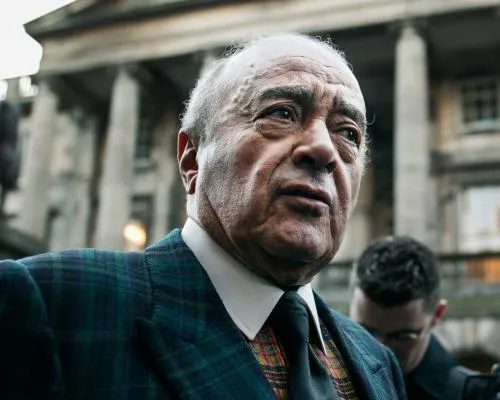 Survivors of abuse by Mohamed Al Fayed call for trafficking investigation
Without it the ‘true scale’ of former Harrods owner’s alleged network will stay hidden, says survivors’ group
-
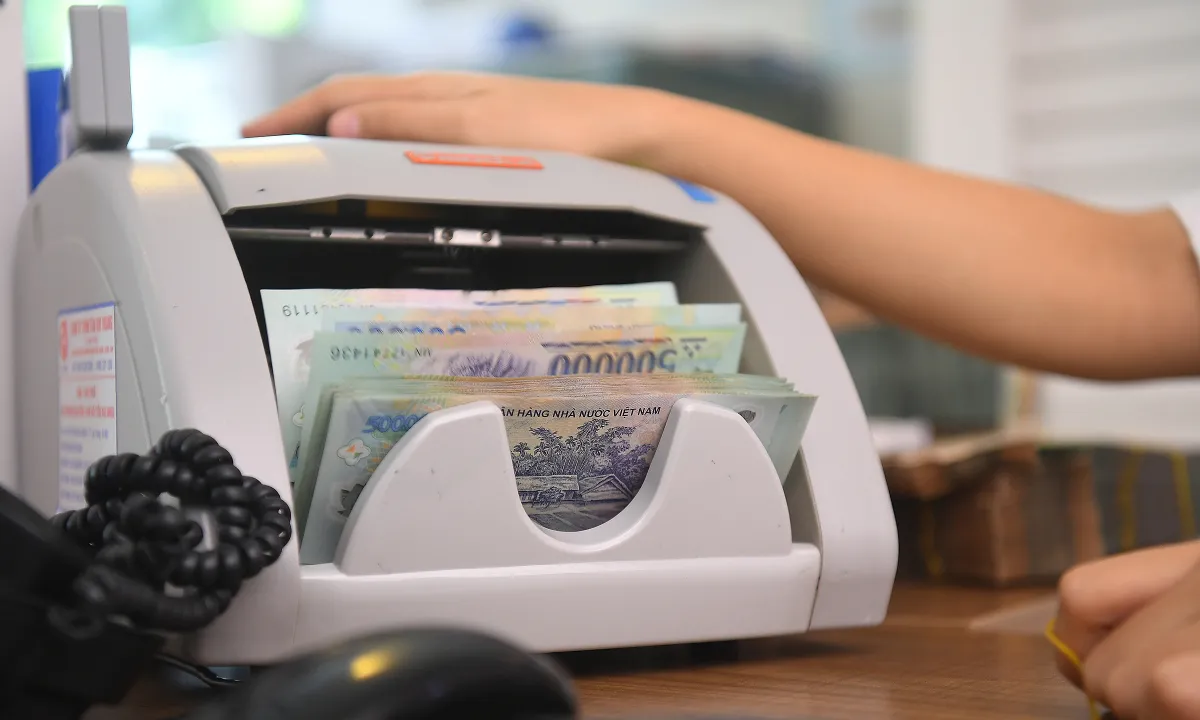 Đề xuất công khai thông tin chủ doanh nghiệp bỏ địa chỉ kinh doanh
Bộ Tài chính đề xuất công khai thông tin chủ doanh nghiệp, hộ kinh doanh bỏ địa chỉ đăng ký, nhưng sẽ che một phần số định danh để bảo vệ quyền riêng tư.
-
 Giá dứa gai giảm sâu, nông dân lo lỗ nặng
Hàng nghìn hộ dân trồng dứa nguy cơ lỗ nặng khi nắng nóng kéo dài, nhiều diện tích dứa bị nám, thối còn giá thì rẻ nhất nhiều năm.
-
 Delivery pain for UK dad as baby magazine arrives 19 years late
Paul Edwards ordered the publication before the birth of his son in 2007, but experienced pregnant pause before receiving it this week
-
 Giá vàng tuần này dự báo tiếp tục giảm
Phần lớn chuyên gia Phố Wall dự báo vàng thế giới tiếp tục lao dốc sau khi giảm hơn 210 USD trong tuần trước.
-
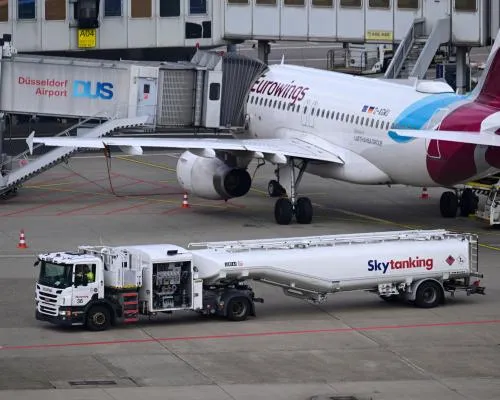 Air fare rises ‘inevitable’ as airlines face extra $100bn jet fuel bill this year
Iata summit in Brazil hears top executives say although jet fuel shortages are unlikely, industry-wide profits will halve
-
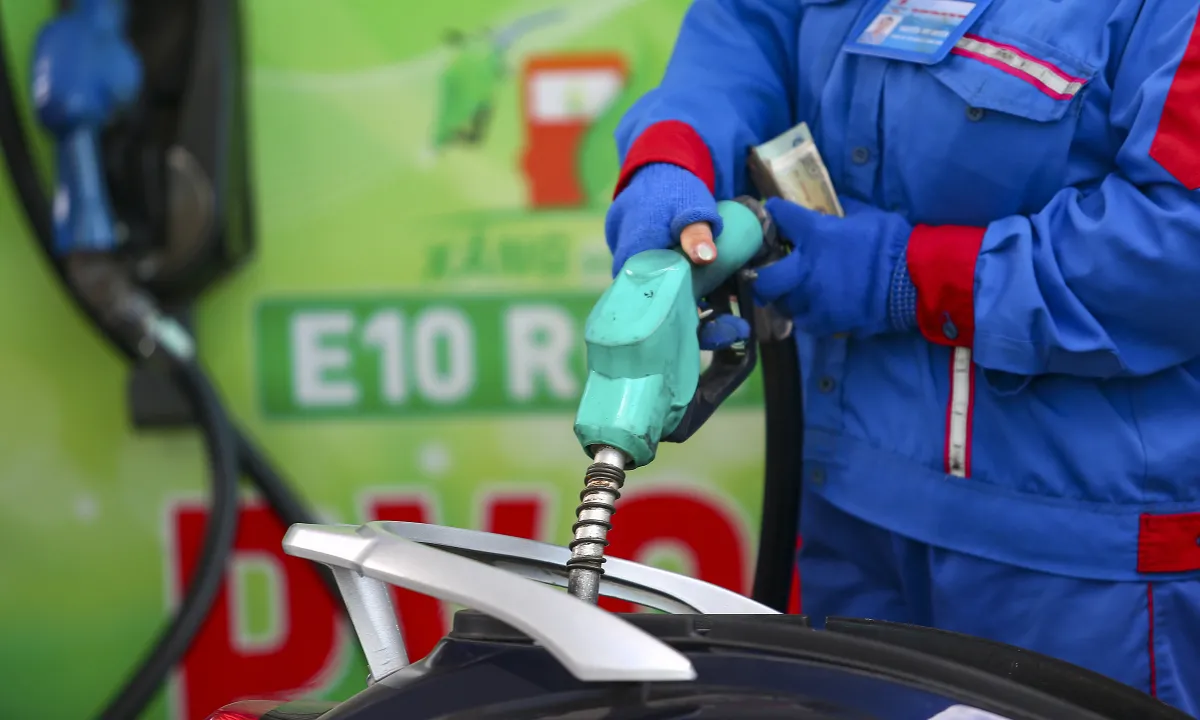 Giá xăng E10 giảm hơn 1.300 đồng một lít
Từ 15h ngày 4/6, giá xăng, dầu cùng giảm theo đà biến động của thị trường năng lượng thế giới.
-
 Credit cards aren’t evil – if you know how to use them the right way
Using a credit card is no different than having a drink or two at dinner or a Big Mac once in a while. It’s fine, just don’t overdo it
-
 Hai con ông Nguyễn Đức Thụy gia nhập Sacombank
Con trai và con gái của Phó chủ tịch thường trực Sacombank Nguyễn Đức Thụy lần lượt được bổ nhiệm làm trợ lý cho Hội đồng quản trị và Tổng giám đốc ngân hàng.


