
Causes of Hair Loss
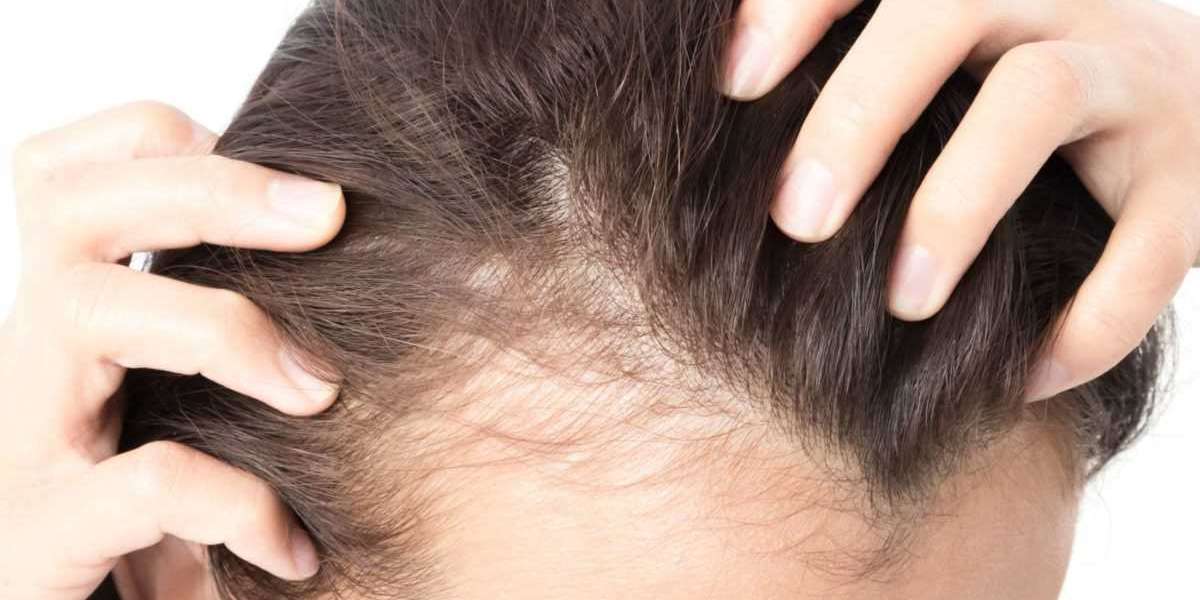
Hair loss or thinning hair can happen due to various reasons such as genetics, aging, hormones, medical conditions and other factors. Male pattern baldness or androgenetic alopecia is the most common form of hair loss affecting nearly 50% of men by age 50. This type of hair loss is hereditary and is caused by dihydrotestosterone (DHT), a byproduct of the male sex hormone testosterone. DHT binds to hair follicles on the scalp and causes them to shrink, produce thinner hairs and eventually stop growing hair completely.
Alopecia areata is an autoimmune disorder where the immune system attacks hair follicles, causing temporary hair loss. Sometimes this loss can spread to the entire scalp (alopecia totalis) or body (alopecia universalis). Stress, an underactive thyroid (hypothyroidism), nutritional deficiencies and certain medications like blood thinners or chemotherapy drugs may lead to hair shedding or thinning as a side effect.
Non-surgical Treatments
Minoxidil (Rogaine) is an over-the-counter topical solution or foam that is proven to work for hereditary Hair Loss Treatment. It helps keep existing hair and regrow some lost hair. Initial hair regrowth is seen in 3-6 months and it needs to be applied indefinitely to maintain benefits.
Low level laser light therapy uses medical lasers or LEDs to stimulate hair follicles and increase hair synthesis. While research on its efficacy is still underway, several clinical studies have found it beneficial for treating pattern baldness. A single treatment session takes about 15 minutes and multiple sessions are usually required over weeks or months.
Prescription medications like finasteride (Propecia) for men and spironolactone for women work by blocking the conversion of testosterone to DHT. They have shown to stop further hair loss and thicken existing hairlines and hair density when taken continuously. However, these medications do not regenerate bald scalp areas and hair growth usually halts soon after stopping treatment. Potential side effects include sexual dysfunction in men.
Herbal supplements containing ingredients like saw palmetto, pumpkin seed extract and fo-ti root have also shown some benefit for hair growth in scientific research. However, more studies are still needed and results may vary between individuals. Natural remedies are generally less regulated than pharmaceuticals.
Surgical Treatments
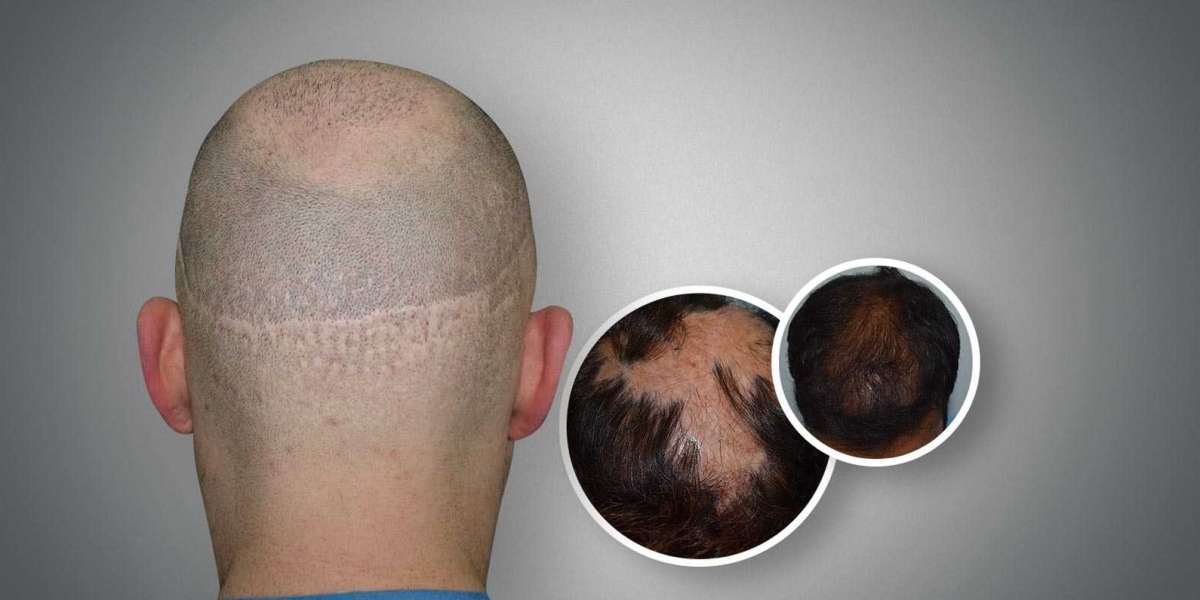
Hair transplantation is a surgical procedure to move hair follicles from the back and sides of the scalp to balding or thinning areas. Techniques have advanced greatly and modern procedures yield highly natural-looking results. Follicular unit extraction (FUE) involves harvesting individual follicular units directly from donor areas using tiny punch biopsies. These follicular units are then implanted into balding recipient sites one by one.
Scalp reduction surgery can minimize large bald spots in early baldness stages by trimming away bald skin and closing the edges to shrink the size of bald patches. It requires expertise to avoid unattractive surgical scars. A variation called hair flap surgery involves the surgeon removing a bald skin section from the back of the scalp and rotating it to close large front bald areas.
Platelet rich plasma (PRP) therapy involves taking a small amount of blood from the patient and centrifuging it to concentrate platelets, which are rich in growth factors. When injected into balding sites, it aims to stimulate dormant hair follicles to potentially trigger new hair growth. Further studies still need to validate its safety and efficacy.
Choosing Treatment Based on Needs
The best hair loss treatment ultimately comes down to individual patient factors like the cause of hair loss, extent of thinning, rate of progression, desired goals, lifestyle compatibility and budget. Temporary, non-invasive options like minoxidil are good starter treatments to maintain existing hair and slow loss. For established balding, prescription medications, lasers or a hair transplant can better address long-term hair restoration needs. Understanding limitations and expectations from each option empowers patients to make informed choices based on personal needs.
Get More Insights – Hair Loss Treatment
Get this Report in Japanese Language
Get This Report in Korean Language
About Author:
Ravina Pandya, Content Writer, has a strong foothold in the market research industry. She specializes in writing well-researched articles from different industries, including food and beverages, information and technology, healthcare, chemical and materials, etc. (https://www.linkedin.com/in/ravina-pandya-1a3984191)

Prateek Yadav
38 posts
-
 Cyber Security Solutions Every Business Needs to Prevent Data Breaches
In today's digital world, data breaches have become a serious threat to businesses of all sizes. Cybercriminals are constantly developing new ways to infiltrate networks, steal sensitive data, and cause financial and reputational damage.
-
 Situs Slot Online Paling Gacor - BROSLOT88
Situs Slot Online Paling Gacor - BROSLOT88
-
 Road Tax Number in Malaysia
It's essential to keep your road tax number and registration card in a safe and easily accessible place
-
 famosos con trasplante capilar
Celebridades que se sometieron a trasplantes de cabello para una nueva apariencia.
-
 Micropigmentacion capilar mujeres
Conoce información sobre el tratamiento de micropigmentación para mujeres.
-
 Injerto De Cabello Costo
Con un precio de 2000 $ a 5000 $, Beverly Hills Hair Restoration brinda tratamientos capilares de calidad suprema de parte de cirujanos expertos. Lea la publicación para saber más.


