By Patrick Wintour Diplomatic editor • June 21, 2026 • World news
Former negotiating team member gives shock interview claiming supreme leader’s instructions were not followed
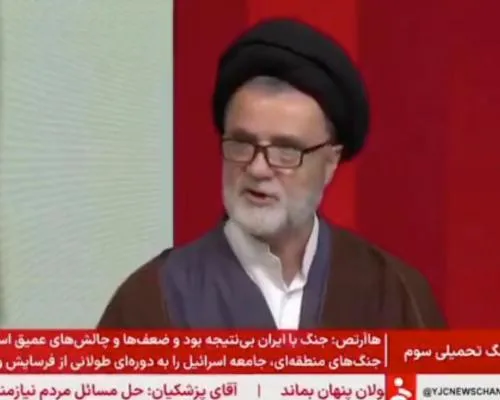
A former member of Iran’s negotiating team in the previous round of talks with the US in Islamabad is facing the threat of prosecution and dismissal from parliament after he went on the main state broadcaster to reveal what he claimed were confidential letters from the country’s supreme leader. The interview with Mahmoud Nabavian, the deputy chair of Iran’s national security council, was eventually cut off, but only after he said he had seen secret correspondence written by Mojtaba Khamenei in which the ayatollah allegedly said Iran’s negotiating team had overstepped its mandate An hour after the censored broadcast, the archive of the interview was removed and a senior official at the broadcaster resigned. Nabavian’s claims were dismissed by a spokesperson for the negotiating team as old and distorted. The state broadcaster said Nabavian’s statements were “evidence of a legal violation and worthy of legal prosecution”. Members of the camp of Mohammad Bagher Ghalibaf, Iran’s chief negotiator at the current talks in Switzerland, called for the leaker to be identified. Centrists and reformists have long argued that the state broadcaster Irib acts as an agent for hardliners in the Paydari or Stability Front, of which Nabavian is a supporter. The episode, apart from revealing tensions at the top of government in near real time, also appears to show that the newly appointed supreme leader has been taking a much more hands-on approach to the talks than was previously known, and has also been ordering the negotiators not to relent on the nuclear file or the immediate payment of tolls to Iran by ships in the strait of Hormuz. Khamenei has not been seen in public or issued an audio tape, operating instead through written statements. Some reports suggest the negotiating team once had to wait a fortnight before securing his guidance on how the talks should proceed, and that he would send detailed questions to the negotiators. In a letter to Iran’s president, Masoud Pezeshkian, that Khamenei published on Thursday, he said he took a different view on the outcome of the talks to the president but had deferred to his judgment on certain conditions. Nabavian claimed the supreme leader had in fact set 11 conditions for continuing the negotiations, including receiving compensation from the US, maintaining the right to uranium enrichment, lifting sanctions, releasing Iran’s frozen assets and exercising full sovereignty over the strait of Hormuz, including the immediate charging of fees. According to Nabavian, Khamenei emphasised “Iran’s monopoly on the management of the strait of Hormuz, collecting tolls from passing vessels, restrictions on enemy ships, and allocating the revenues from the tolls to the people, families of martyrs, and veterans.” The reopening of the waterway should only happen when the US agreed to pay compensation, he ordered. The US has agreed to set up a $350bn (£264bn) development fund but has said it will not contribute. Nabavian also claimed Khamenei wrote in a message to the negotiating team: “What was agreed upon in the Pakistan talks is completely different from what was supposed to happen and was a condition for the legitimacy of the talks, and the talks must be stopped.” He was referring to the talks in Islamabad in which the negotiating team did discuss aspects of Iran’s nuclear programme. Later on a Telegram channel, Nabavian continued the argument, saying he has not released secret documents and was only revealing the truth. He said that, based on the memorandum of understanding, “four issues had to be implemented before negotiations could begin: 1. End of the occupation in Lebanon and complete withdrawal 2. The release of our frozen money by America. Not borrowing from Qatar. 3. Lifting the siege 4. Temporary lifting of sanctions.” He questioned whether these four preconditions had been met before foreign ministry officials went to Geneva for negotiations, and further asked: “Does that mean that people should not be aware of what the imam’s orders were and why the agents disobeyed them?”
Source: The Guardian

Guardian News World
270 posts
-
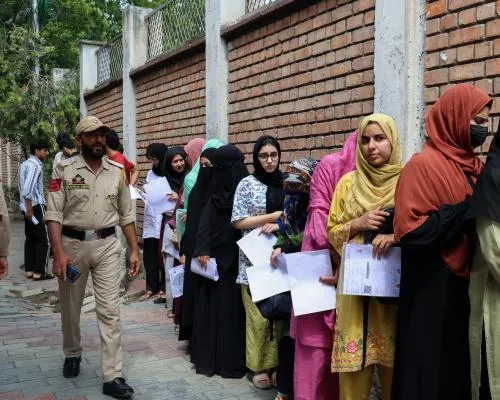 More than 2m Indian students resit medical entrance exam after alleged leak
Applicants forced to retake one of the world’s toughest admission tests after claims questions sold on Telegram
-
 Vụ hỏa hoạn tại nhà kho đông lạnh ở Los Angeles: Tình trạng khẩn cấp được ban bố
Vụ hỏa hoạn tại nhà kho đông lạnh ở Los Angeles đã trở thành một sự kiện đáng chú ý khi thị trưởng thành phố Karen Bass ban bố tình trạng khẩn cấp để đối phó…
-
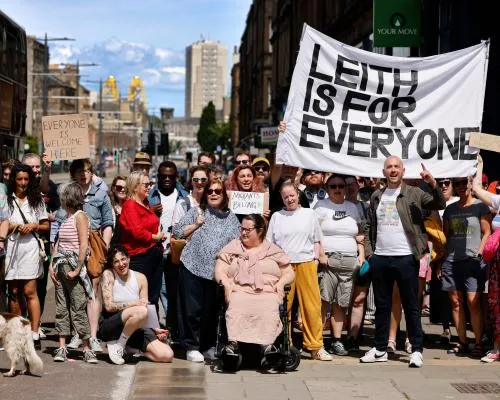 Taxi and Uber rider targeted in suspected anti-Muslim attacks in Edinburgh, say witnesses
White Scottish man, 38, charged after five men were injured in spate of attacks in city on Friday night
-
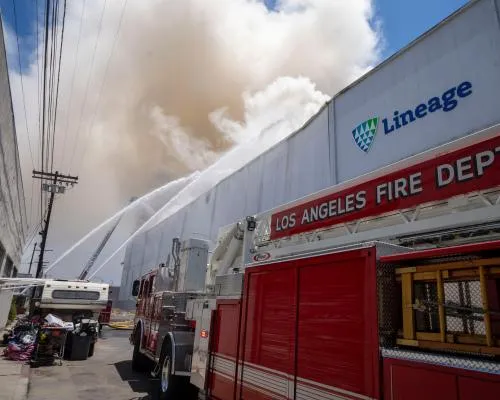 Newsom declares state of emergency for LA as firefighters battle warehouse blaze
Crews struggle to contain stubborn fire that has raged for days and continues to spew smoke across the metro area
-
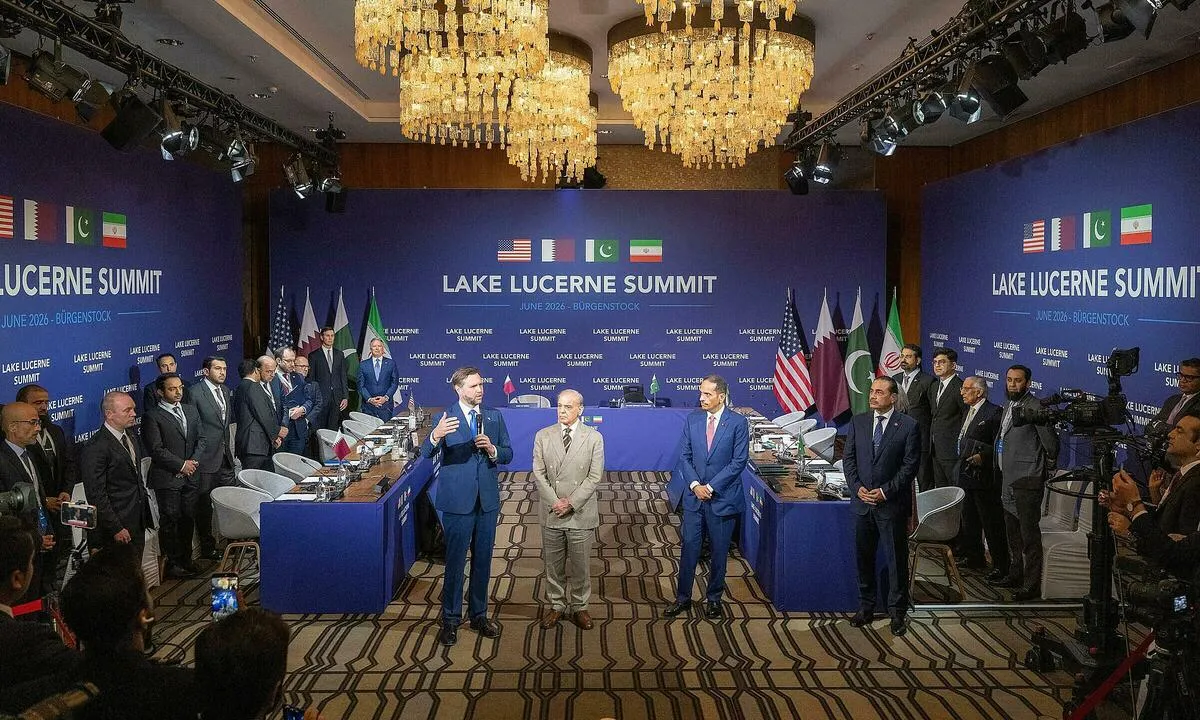 Mỹ và Iran bắt đầu đối thoại tại Thụy Sĩ
Vụ việc Mỹ và Iran bắt đầu đàm phán tại Thụy Sĩ là một sự kiện quan trọng trong quan hệ giữa hai nước. Đây là lần đầu tiên các nhà đàm phán của hai nước gặp…
-
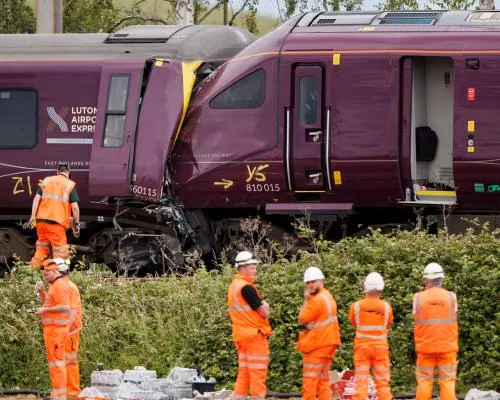 Major disruption after Bedford train crash to continue for at least a week
Engineers need to create access for cranes to lift carriages from site before track can be assessed and repaired
-
 ‘Native children belong in Native communities’: tribes decry New Mexico drug-exposed newborn rule
Groups say new directive fails to respect Native sovereignty amid complicated history of Indigenous child removals
-
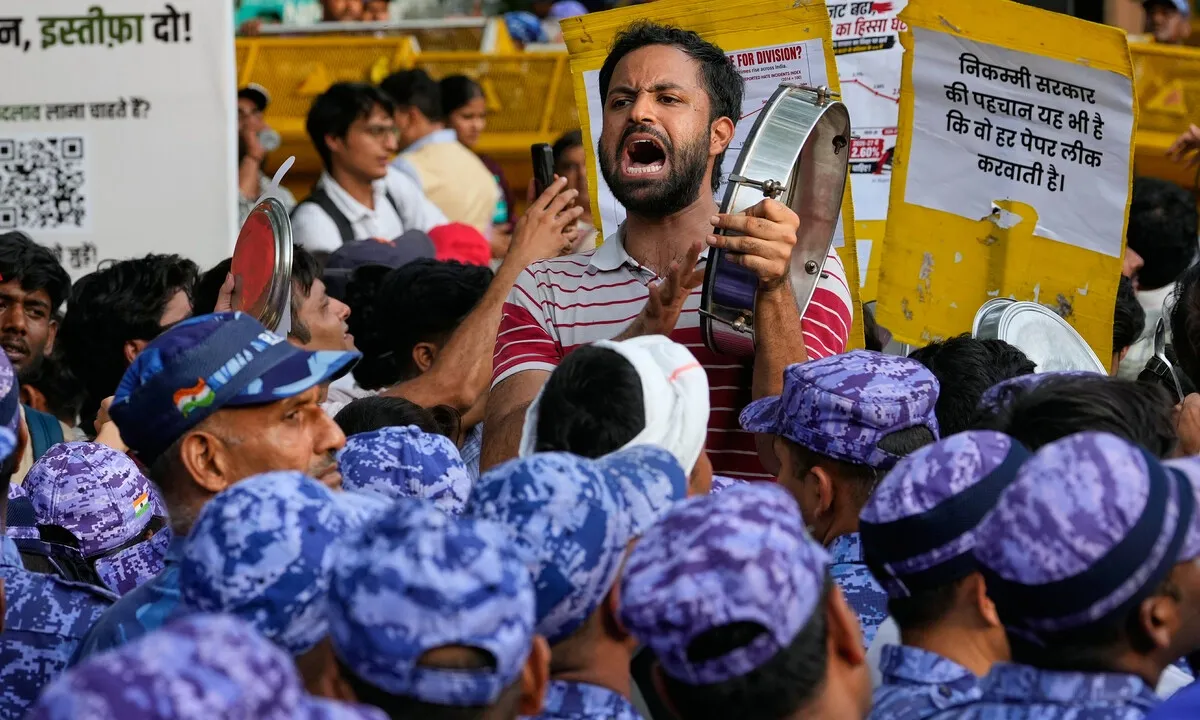 Ấn Độ: Biểu tình đòi Bộ trưởng Giáo dục từ chức sau bê bối lộ đề thi
Vào ngày 20/6, những người ủng hộ đảng Gián (CJP) đã tổ chức biểu tình gần tòa nhà quốc hội ở New Delhi, nhằm gây áp lực đòi Bộ trưởng Giáo dục Dharmendra…
-
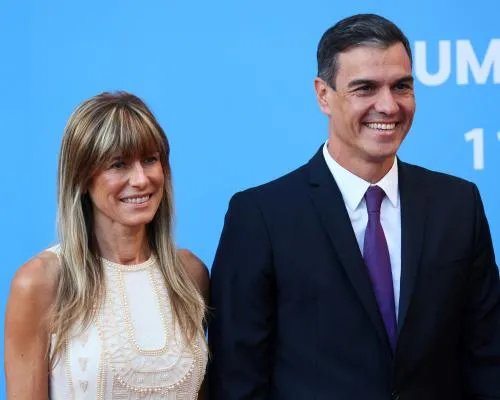 Spanish PM’s wife to stand trial on corruption charges and banned from leaving country
Begoña Gómez has also been banned from leaving the country as her husband, Pedro Sánchez, says the case is politically motivated
-
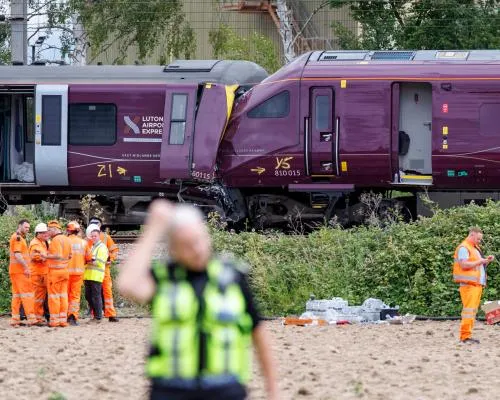 Does Bedford train crash raise wider questions about safety?
It is not yet clear what could have allowed the two trains to collide despite multiple failsafes in today’s railways


