By Edward Helmore • June 6, 2026 • US news
Governor issued disaster declaration as agencies move to stop spread of parasite, including release of sterile flies
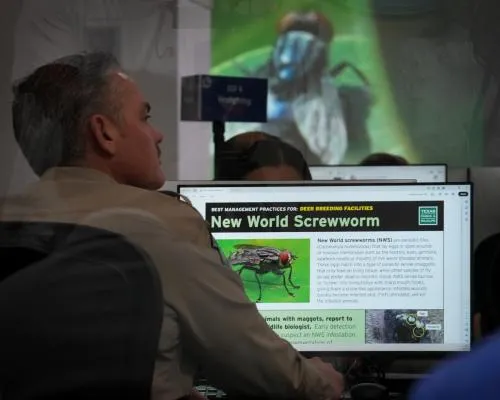
A second case of the flesh-eating screwworm fly has been confirmed in Texas by the US Department of Agriculture (USDA), days after an initial case in a one-year-old calf set off an aggressive response to stop the spread of the parasite in the dominant cattle-producing state. Texas’s governor, Greg Abbott, said on Friday that state officials were working with the federal government to slow the spread of the fly and the infestations caused by larvae that feed on the living flesh of warm-blooded animals and humans. Officials are dispersing millions of sterile screwworm flies in the vicinity of where the twin infections were found about five miles apart in Zavala county, south-west of San Antonio. Those sterile male flies would prevent wild female flies from reproducing. The infections of the new world screwworm (NWS) are the first detected in the US since the 1960s. The USDA confirmed the second case. The first case was confirmed by the Texas animal health commission (TAHC) on Wednesday after NWS was detected in a three-week-old calf with an umbilical lesion. “This is the first detection of NWS in Texas since northward progression from Central America was observed in 2023,” the commission said in a news release, adding that an infested zone has been established in the area. The commission also said that animal movement restrictions were in effect to prevent further spread of the pest. According to the USDA, the US food supply is safe, and it noted that NWS do not infest meat, fruits, vegetables or other food sources. NWS are parasitic larvae or maggots of the NWS fly (Cochliomyia hominivorax). They cause a painful condition called NWS myiasis. When the fly’s eggs hatch, larvae burrow through living flesh, killing their host if left untreated. “TAHC has been actively preparing for a resurgence of NWS for over two years,” the commission’s director, Dr Bud Dinges, said. “We are putting these preparations into action, and we encourage all animal owners and caretakers to continue to remain vigilant for the presence of larvae in animal wounds and immediately report any suspicions.” The TAHC said that the introduction of sterile flies, when combined with enhanced surveillance, movement restrictions, prompt treatment of wounds, and education and outreach efforts, “is a proven and effective tool for controlling and eradicating this pest”. Abbott also issued a statewide disaster declaration and warned that it is likely to be “an extraordinarily challenging summer” for infected areas. “We’re in the season for spread,” the governor said. The USDA discovered the second infestation “after testing a number of suspect cases”, the agency’s animal and plant health inspection service said in a press release. The detection of the parasite is a blow to US cattle ranchers. A widespread resurgence now could pose a significant economic threat in Texas through animal deaths as well as higher labor and treatment costs. For more than a year as the disease moved north, the US-Mexico border has been closed to live cattle imports, causing the $100bn US beef industry to contract to a 75-year low. The US formerly imported more than 1m cattle a year from Mexico, representing about 4% to 5% of all cattle sold for US beef production, according to industry data. On Friday, Canada’s food inspection agency announced a temporary ban on livestock from Texas after the infections were detected. Cows and horses that were in Texas anytime within 21 days before crossing the border into Canada would not be accepted into the country, an agency news release said. Canadian officials noted that NWS is unlikely to become a problem in the country because of its colder climate – but they warned farmers to monitor livestock for wounds and any cut that is “accompanied by discharge or foul odor”.
Source: The Guardian

World News Today
367 posts
-
 Iran đóng cửa eo biển Hormuz: Tình hình Trung Đông tiếp tục căng thẳng
Tình hình Trung Đông tiếp tục căng thẳng sau khi thỏa thuận ngừng bắn được ký kết
-
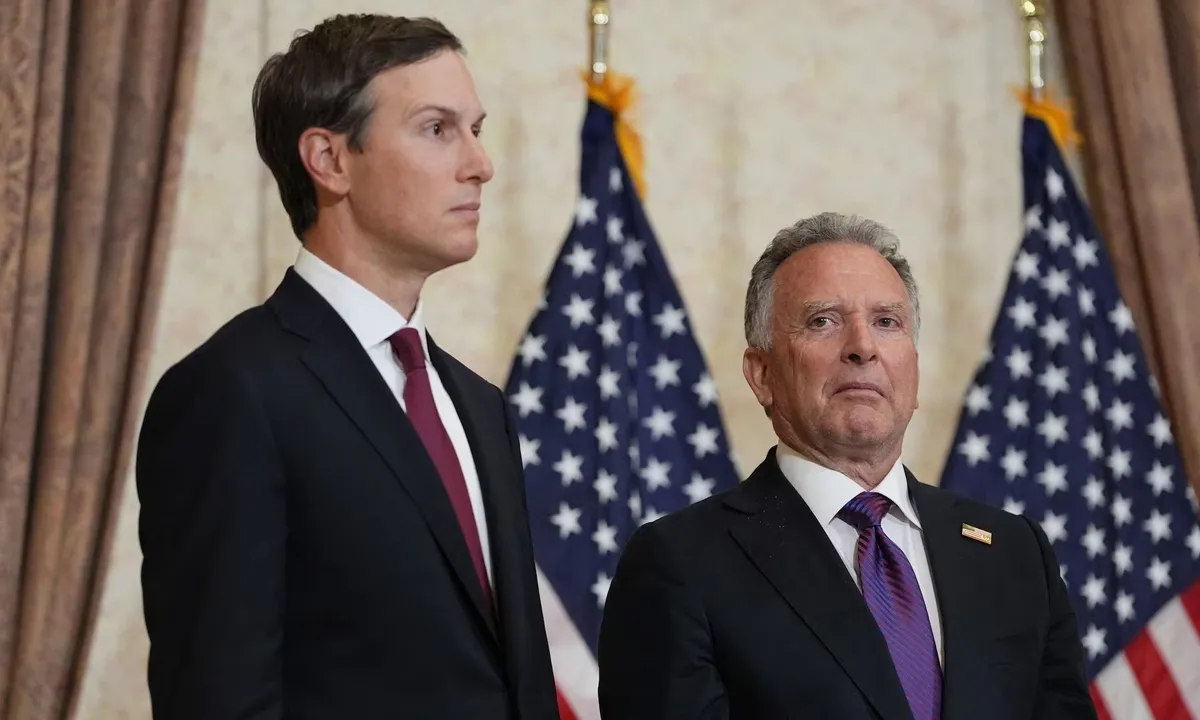 Đàm phán Mỹ - Iran: Những bước đi quan trọng
Vì sao cuộc đàm phán giữa Mỹ và Iran lại quan trọng và có thể ảnh hưởng đến tình hình chính trị thế giới?
Đặc phái viên Mỹ Steve Witkoff và con rể… -
 Tổng thống Zelensky cảnh báo Belarus về hỗ trợ chiến dịch Nga
Tổng thống Zelensky đưa ra tối hậu thư với Belarus về hỗ trợ chiến dịch Nga
-
 CĐV Nhật Bản dọn rác World Cup: Hành động đẹp nhưng còn nhiều việc phải làm
Câu hỏi cốt lõi
Vì sao hành động dọn rác của CĐV Nhật Bản lại trở thành đề tài bàn luận về bình đẳng giới?
Phân tích chi tiết
Một bức ảnh chế… -
 Eo biển Hormuz: Thách thức hậu cần khi mở cửa lại
Eo biển Hormuz mở cửa lại sau khi Iran và Mỹ ký bản ghi nhớ chấm dứt xung đột, nhưng vẫn còn nhiều thách thức về hậu cần
-
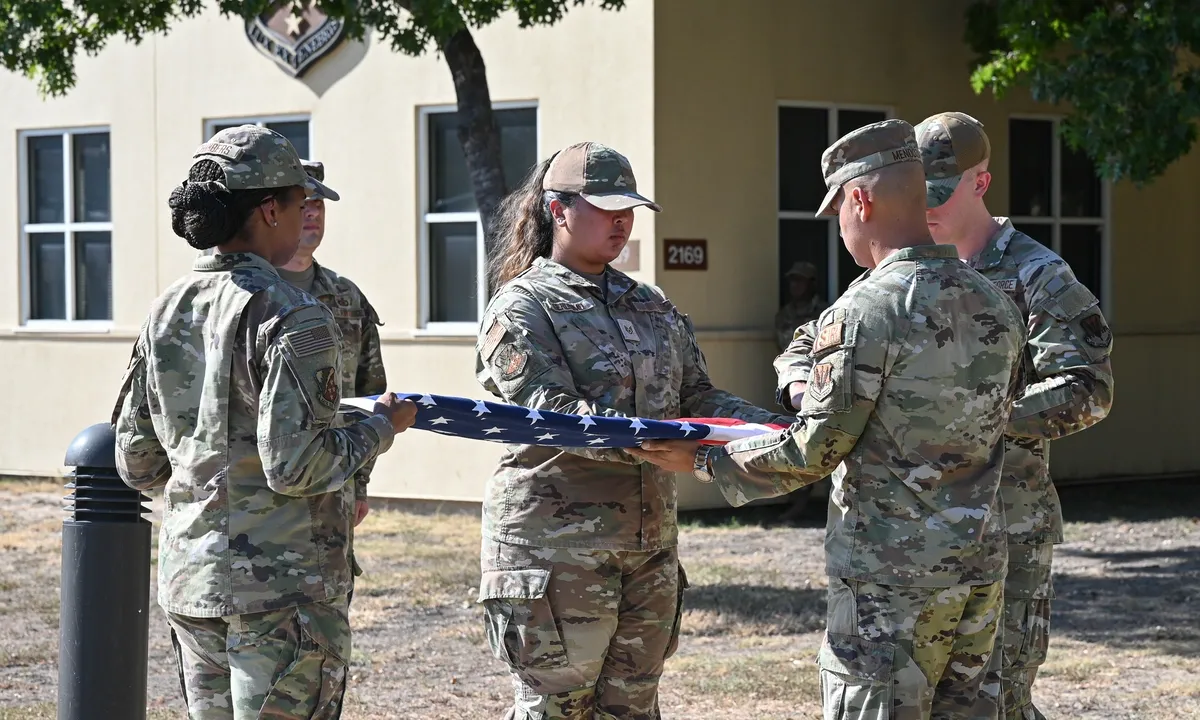 Dịch cúm bùng phát tại căn cứ Mỹ sau khi thay đổi quy định tiêm vaccine
Câu hỏi cốt lõi
Vì sao dịch cúm lại bùng phát tại căn cứ không quân Lackland sau khi thay đổi quy định tiêm vaccine?
Phân tích chi tiết
Dịch… -
 Mối quan hệ Mỹ - Italy rạn nứt sau bình luận của Tổng thống Trump
Mối quan hệ Mỹ - Italy rạn nứt sau bình luận của Tổng thống Trump
-
 Bolivia đối mặt với tình trạng khẩn cấp do biểu tình
Bolivia đối mặt với tình trạng khẩn cấp do biểu tình sau khi cắt giảm trợ giá nhiên liệu và cải cách ruộng đất.
-
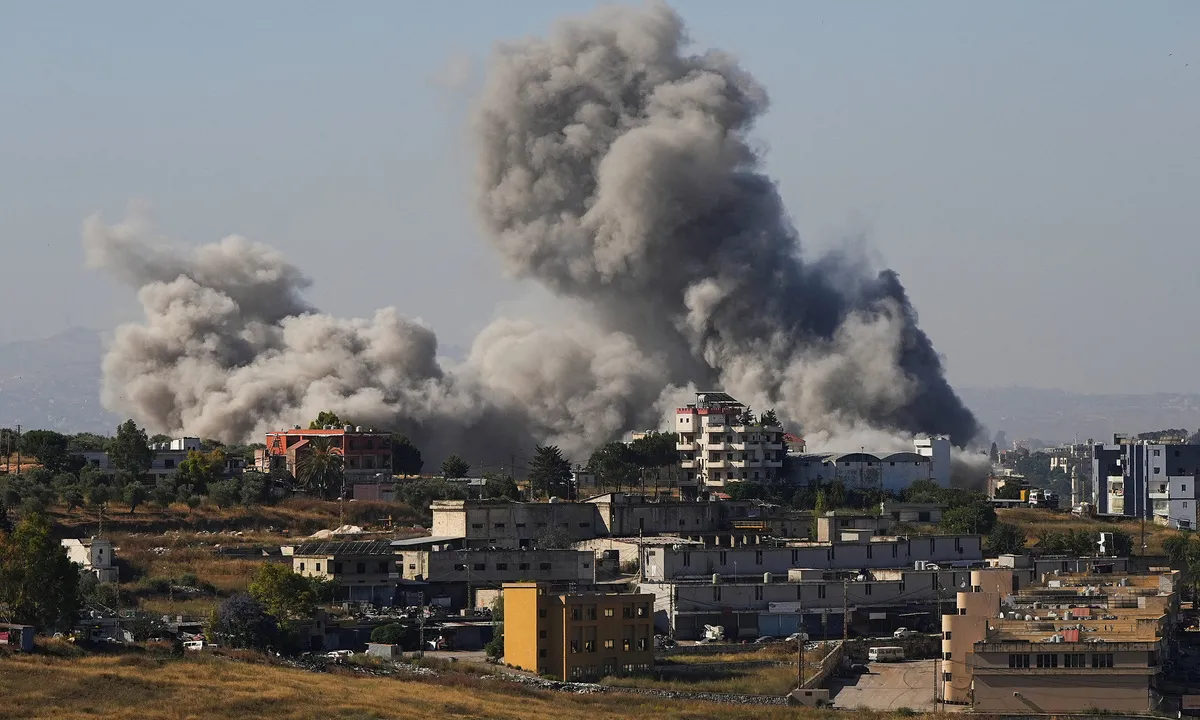 Israel và Hezbollah tiếp tục giao tranh bất chấp thỏa thuận ngừng bắn
Israel và Hezbollah tiếp tục giao tranh bất chấp thỏa thuận ngừng bắn
-
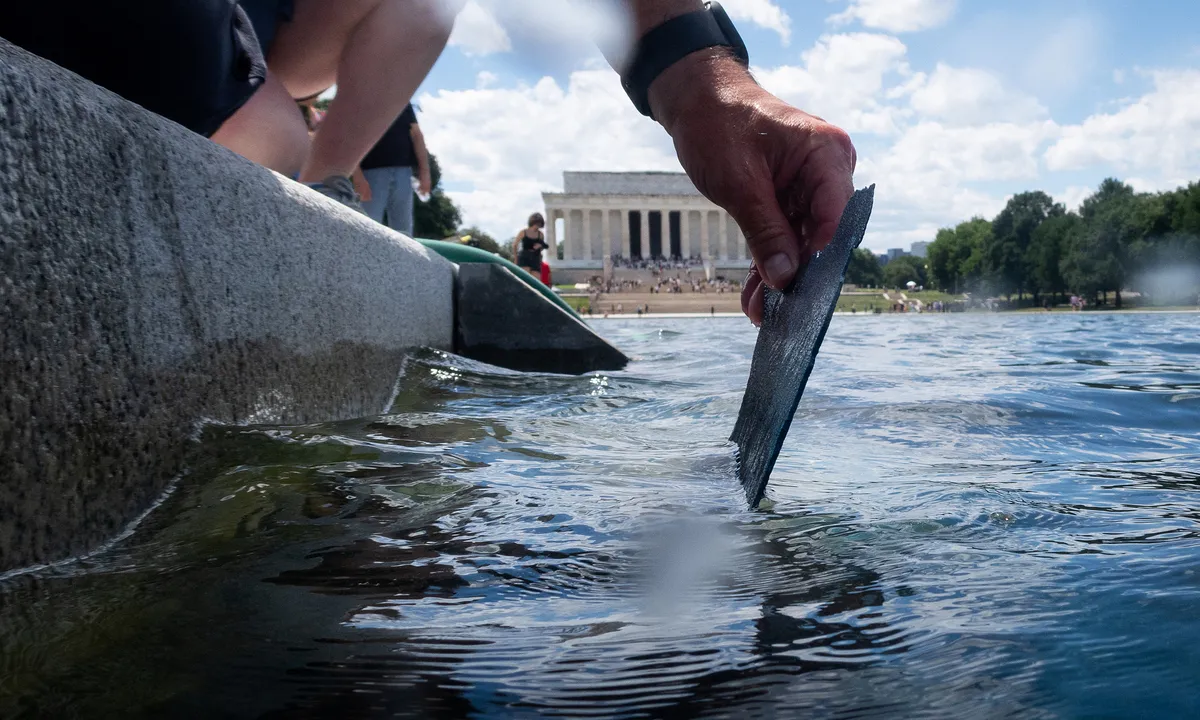 Hồ Phản chiếu tại Mỹ: Dự án cải tạo 14 triệu USD gặp vấn đề
Dự án cải tạo Hồ Phản chiếu tại Washington gặp vấn đề về sơn bong tróc và tảo xanh
-
 Căng thẳng Ukraine - Ba Lan: Huân chương bị thu hồi
Căng thẳng giữa Ukraine và Ba Lan gia tăng sau khi Tổng thống Zelensky đặt tên đơn vị quân đội là 'Những anh hùng UPA', dẫn đến việc thu hồi huân chương.


