Prosthetic Heart Valves Market Shaping Future of Cardiac Care Through Advanced Implantable Technologies

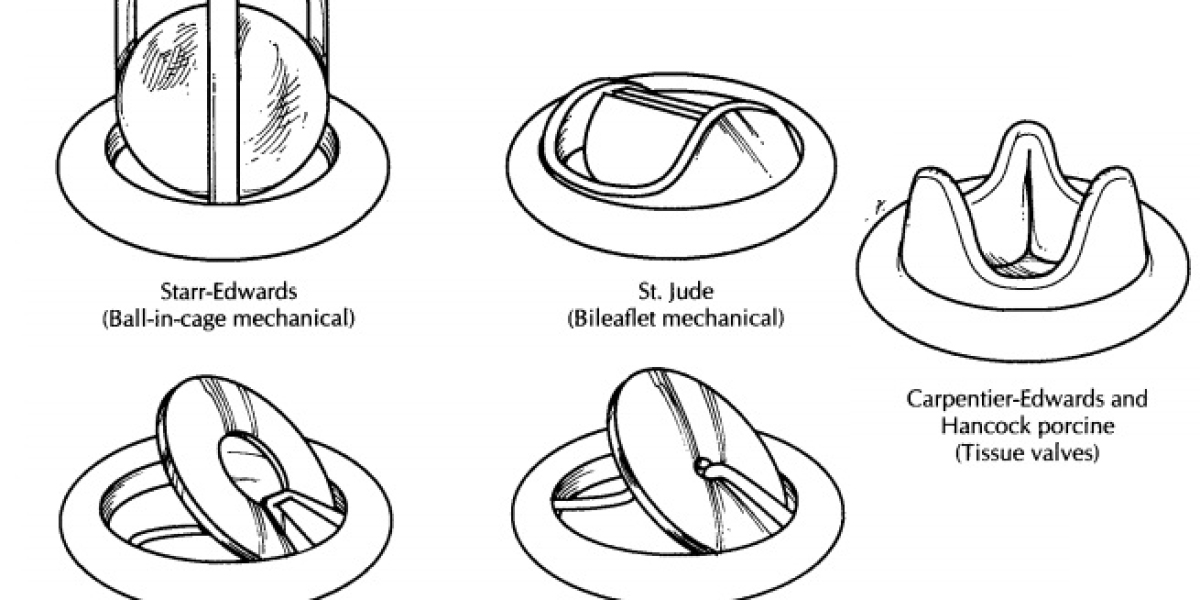
The global prosthetic heart valves market is undergoing a significant transformation, driven by advancements in implantable technologies that are reshaping the landscape of cardiac care. These innovations are not only improving patient outcomes but also making heart valve replacement procedures more accessible and cost-effective.
Surge in Demand for Advanced Prosthetic Heart Valves
The demand for prosthetic heart valves has seen a substantial increase, with the market projected to reach approximately USD 32.04 billion by 2032, growing at a compound annual growth rate (CAGR) of 11.7% from 2025 to 2032. This growth is primarily attributed to the rising incidence of heart valve diseases and the aging global population, which necessitate more frequent valve replacement procedures.
Technological Innovations Enhancing Patient Outcomes
Advancements in medical technology have led to the development of innovative prosthetic heart valves that offer improved durability, biocompatibility, and hemodynamic performance. These innovations aim to mimic the natural function of heart valves more closely, thereby enhancing patient outcomes and quality of life.
One notable advancement is the development of polymeric heart valves, which have shown promise due to their longer durability, better biocompatibility, and reduced cost. These valves are particularly beneficial for younger patients who require long-term solutions.
Cost-Effectiveness Through Minimally Invasive Procedures
The adoption of minimally invasive surgical techniques, such as Transcatheter Aortic Valve Replacement (TAVR), has significantly reduced the cost and recovery time associated with heart valve surgeries. TAVR allows for valve replacement without the need for open-heart surgery, leading to shorter hospital stays, reduced complications, and faster recovery times.
This approach not only improves patient outcomes but also makes heart valve replacement procedures more accessible to a broader population, including those in remote or underserved regions.
Regional Growth and Market Dynamics
North America currently dominates the prosthetic heart valve market, accounting for a significant share due to advanced healthcare infrastructure and a high prevalence of cardiovascular diseases. However, the Asia-Pacific region is expected to witness the fastest growth during the forecast period, driven by improving healthcare facilities, increasing awareness, and a rising geriatric population.
In India, for instance, the successful completion of multiple TAVR procedures in a single day at Arneja Heart Hospital in Nagpur marks a significant milestone in the adoption of advanced heart valve treatments in Tier-2 cities. This development reflects the growing confidence in the technique and its acceptance among both doctors and patients.
Challenges and Future Outlook
Despite the advancements, challenges remain in terms of the high cost of certain prosthetic valves and the need for specialized training for healthcare professionals. However, ongoing research and development efforts are focused on addressing these issues by creating more affordable and user-friendly solutions.
The future of the prosthetic heart valve market looks promising, with continuous innovations aimed at improving patient outcomes and making heart valve replacement procedures more cost-effective and accessible to a global population.
In conclusion, the prosthetic heart valve market is experiencing a paradigm shift towards solutions that prioritize better patient outcomes and cost-effectiveness. With ongoing technological advancements and a focus on accessibility, the future of heart valve replacement procedures appears more promising than ever.
Aradhana Nair
41 posts
-
 UK warehouse landlord Segro rejects £12.6bn takeover offer from US rival
FTSE 100 firm says Prologis all-share proposal turned down as it falls long way short of its own views on value
-
 Heatwave pushes Great Britain’s grid operator to call for extra electricity from power plants
Neso issues rare summer warning for Wednesday evening, as households turn on fans and air conditioning
-
 Former WH Smith’s small suppliers to lose at least half of debts in rescue plan
If TG Jones’s aggressive restructuring is voted through, the charity Help for Heroes and other creditors will be out of pocket
-
 Elon Musk’s trillionaire status at risk after drops in SpaceX and Tesla’s shares – business live
Rolling coverage of the latest economic and financial news
-
 Card payments outage hits pubs and shops during England match
Customers report having to use cash at stores such as Tesco and to buy drinks due to outage at payments processor WorldPay
-
 Adidas, Uniqlo and Calvin Klein ads banned over ‘recycled’ clothing claims
UK regulator has increased its scrutiny of fashion retailers over potentially misleading environmental statements
-
 Electricity prices jump in Europe as demand soars in the heatwave
Great Britain has paid at least six times the normal price for imported power as millions turn on air conditioning and windfarm output sags
-
 US AI stock sell-off shakes markets from Wall Street to Asia
Losses spread globally as investors questioned soaring valuations and spending on AI infrastructure
-
 Audit firm to Gupta metals empire fined and banned for ‘egregious’ failures
UK watchdog gives King & King severe reprimand for failing ‘to identify clear self-interest’ when conducting audits
-
 Royal Mail boss’s pay package soars to £6.9m despite profits slide
Martin Seidenberg, chief executive of parent company IDS, handed payouts after takeover of UK postal service
-
 Nissan ‘shelves all-electric Qashqai plans’ as it cuts costs
Firm has been developing full EV version of its top-selling model in Europe at its plant in Sunderland


