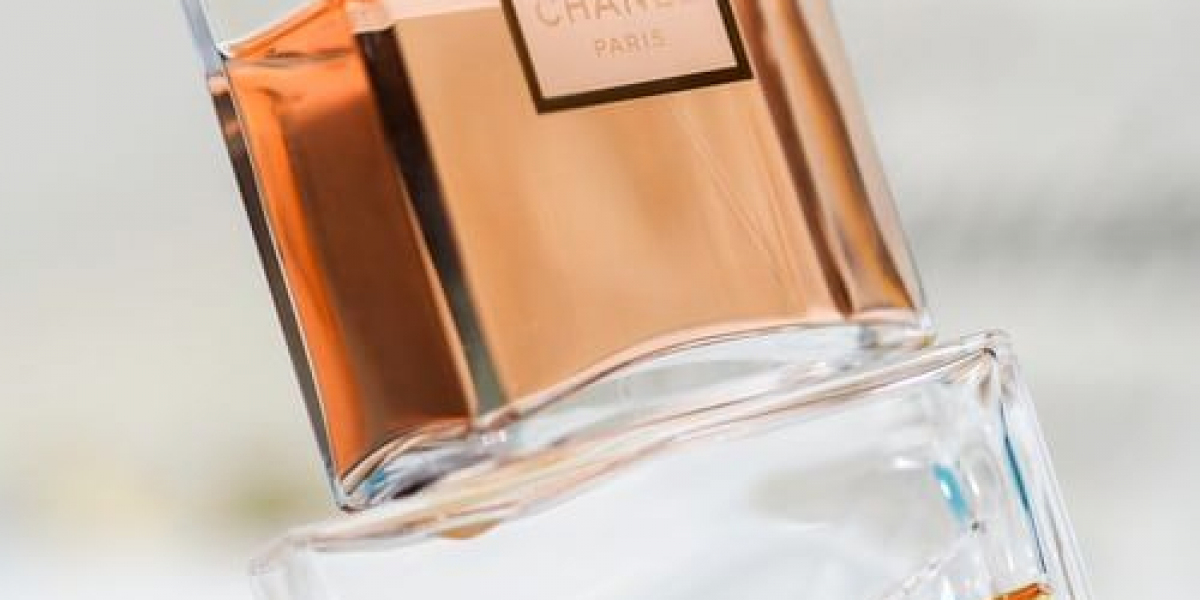
Have you ever noticed how certain scents seem to captivate your senses, drawing you in and making you want more? This “perfume addiction” phenomenon can be attributed to a mix of psychological, biological, and olfactory factors. Scents evoke memories, stimulate emotions, and even influence mood, making them irresistible to many. Let’s explore the reasons behind this and how specific oils and perfumes play a role.
Memory and Emotion
The olfactory system is directly linked to the brain's limbic system, which governs emotions and memories. A scent that reminds you of a happy moment or a loved one can create a strong emotional connection, making it difficult to resist.
Personal Chemistry
Perfumes interact uniquely with each person’s skin chemistry. This means a fragrance like vanilla perfume oil or musk perfume can smell slightly different on you than on someone else, creating a deeply personal and addictive experience.
Pleasure and Dopamine
Certain scents, such as those in sandalwood oil or essential oils, can stimulate dopamine production, the "feel-good" hormone, making you crave the fragrance over and over again.
Perfume Oil vs. Essential Oil
Perfume oil is a concentrated fragrance designed for long-lasting wear and is often a blend of synthetic and natural ingredients.
Essential oils, on the other hand, are pure extracts from plants and are used for aromatherapy, offering therapeutic benefits like relaxation or energy boosting. While essential oils are natural, they may lack the complexity of perfume oils in creating addictive scents.
Fragrance Oil
Fragrance oils are synthetic or semi-synthetic and are commonly used in crafting perfumes, candles, and skincare products. Unlike essential oils, fragrance oils are not solely plant-based but are crafted to achieve specific scents that are often more intense and long-lasting.
Vanilla Perfume Oil
Vanilla is one of the most universally loved scents, offering warmth and comfort. Its sweet, creamy aroma evokes feelings of nostalgia and happiness, making it a key ingredient in many perfumes.
Musk Perfume
Musk has a deep, sensual aroma that lingers on the skin and evolves over time. Its complexity makes it a favorite for those seeking a signature scent that feels intimate and personal.
Sandalwood Oil
Sandalwood’s earthy, woody scent has been prized for centuries. Beyond its grounding aroma, it has calming and stress-relieving benefits, adding to its addictive allure.
Nemat Perfume Oil
Known for its high-quality fragrance blends, Nemat perfume oil offers a range of captivating scents that are perfect for layering or wearing alone. Their musk and vanilla blends are particularly popular for their versatility and long-lasting appeal.
Body Oil for Perfume
Prepping your skin with a body oil can amplify your fragrance’s longevity. Oils like jojoba or argan not only moisturize the skin but also create a perfect base for perfume oils to adhere to, enhancing their projection and staying power.
Layering Fragrances
Mixing complementary scents, such as vanilla perfume oil with a hint of sandalwood oil, can create a unique fragrance profile that keeps you captivated.
The allure of certain fragrances lies in their ability to connect with our emotions and chemistry. Whether it’s the comforting sweetness of vanilla, the grounding aroma of sandalwood, or the sensual depth of musk, these scents tap into our deepest senses. Add to this the therapeutic qualities of essential oils, and it’s no wonder some perfumes feel almost addictive.
By understanding your preferences and experimenting with different types of oils and fragrances, you can discover scents that resonate with you on a deeply personal level—ones you’ll always want to come back to for more.

habiba hbaiba
2 posts
-
 Why Drew Clothing and Drew House Are Trending with Drew Justin Bieber Fans
Drew House, inspired by the relaxed fashion culture surrounding Justin Drew Bieber, has become one of the most recognized names in modern streetwear. More
-
 Protect London | Protect LDN Clothing | Shop Now
Step into the world of timeless style and bold fashion with Protect London meets sophistication. Known for its premium fabrics, edgy designs.
-
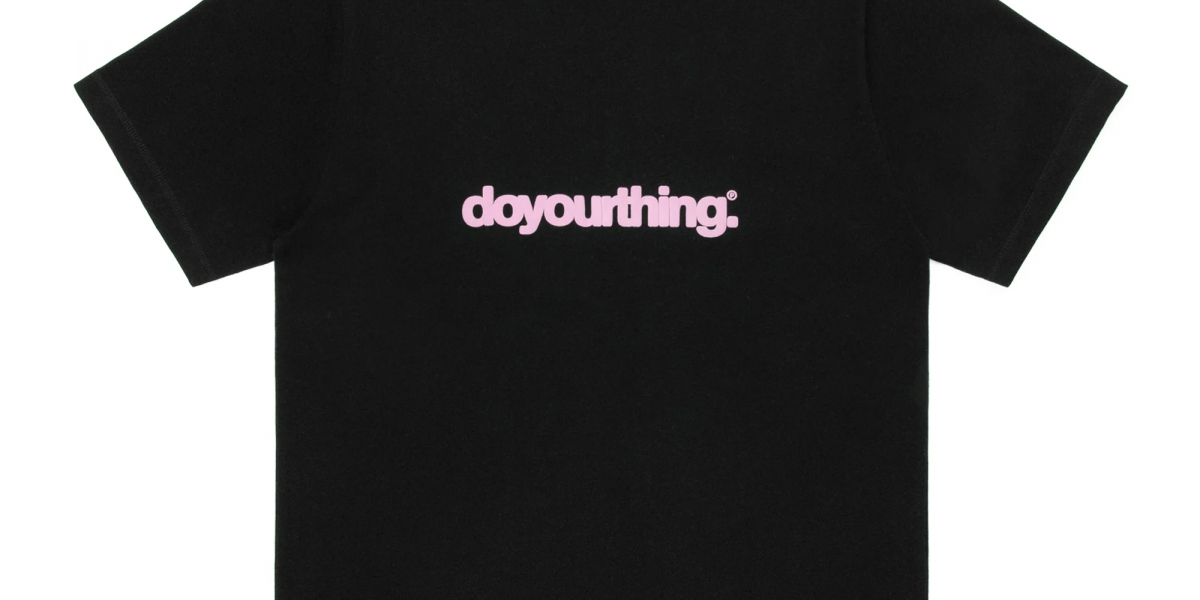 Poser London || Poser joggers || Official Store Shop Now
Poser London delivers modern streetwear with a bold comfort.Designed for everyday wear, it blends clean style with effortless confidence.
-
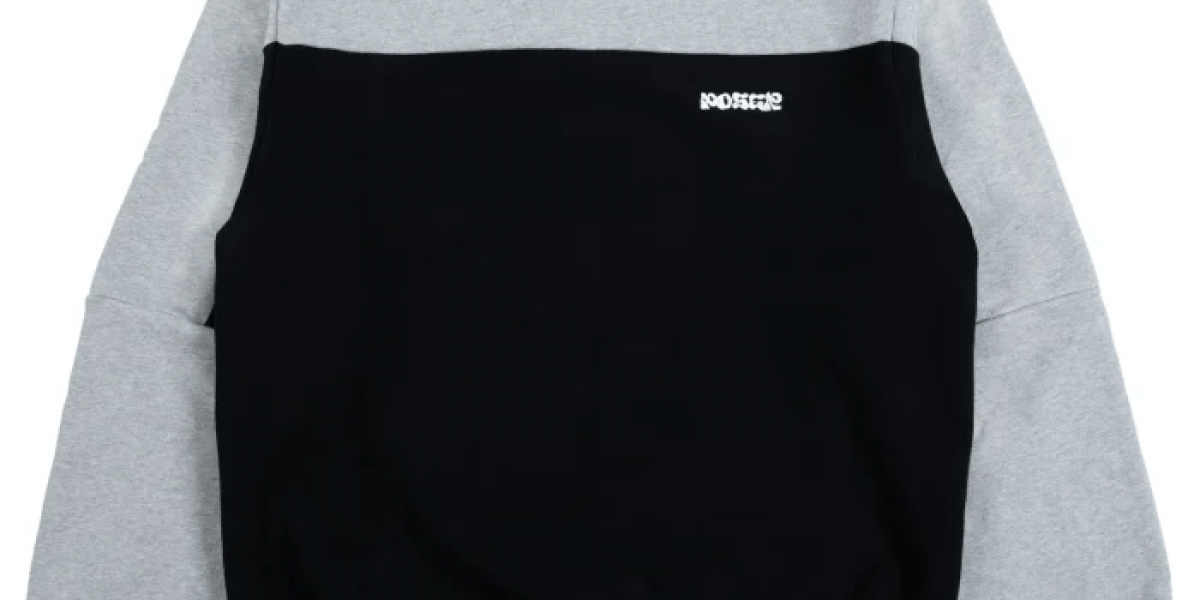 Protect London | Protect LDN Clothing | Shop Now
Step into the world of timeless style and bold fashion with Protect London meets sophistication. Known for its premium fabrics, edgy designs.
-
 Palace | Palace Skateboard | Palace Official Store | Upto 30% OFF
Palace Classic Tri-Ferg Hood: A cornerstone of streetwear. This cotton hoodie features the world-renowned Tri-Ferg logo on the chest and back.
-
What Are the Best Bras for Small Bust Sizes Comfort
Find the best bras for small bust sizes that offer comfort, light support, and a natural shape. Learn how to choose the right styles, fabrics, and fit for everyday wear to feel confident and comfortable all day long.
-
 What Are the Best Waterproof Safety Boots to Buy Online in the UK
Choosing the right safety footwear is not just about protection. It directly impacts comfort, productivity and long-term foot health
-
 Detaillierte Analyse der Haltbarkeit von Sex Torso
Die Haltbarkeit von Torsopuppen lässt sich nicht einfach mit „Ja“ oder „Nein“ beantworten; vielmehr kommt es auf die richtige Pflege an. Obwohl sie nicht zerbrechlich sind, vertragen sie keine grobe Behandlung. Sorgfältige Pflege und sorgsame Nutzung sind entscheidend für ihre L
-
 The Essential Guide to Finding a Safe and Productive Girls Hostel in Islamabad
The Essential Guide to Finding a Safe and Productive Girls Hostel in Islamabad
-
 Godrej Sector 63A Gurgaon – Modern Living on Golf Course Extension Road
Godrej Sector 63A Gurgaon price list, floor plans, and premium flats near Golf Course Extension Road. Check latest prices, amenities, and investment benefits.
-
 Terabox APK: A Complete Guide to Cloud Storage on Your Device
Terabox APK: A Complete Guide to Cloud Storage on Your Device