By Jillian Ambrose and Jonathan Barrett • June 15, 2026 • Business
US-Iran peace deal sparks immediate drop for Brent crude but analysts warn complex negotiations lie ahead, potentially halting further significant drops
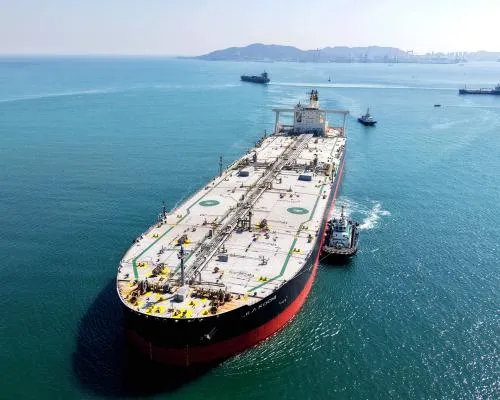
Global oil prices have tumbled amid fresh hopes that a US-Iran peace deal may end the greatest energy supply crisis in the history of the market. The price of Brent crude dropped below $84 a barrel as the new trading week began in financial centres across Asia-Pacific, amid optimism that the strait of Hormuz could reopen shortly and bring a return of Gulf oil exports to the market. Trump said on Sunday that a deal was “now complete”, despite recent Israeli airstrikes on Beirut that had threatened to undermine the sensitive talks. Many of the details of the agreement are unclear, notably around the timing of the reopening of the maritime route, who will oversee safe passage and whether any conditions will be applied. Iranian authorities have said there would be a 60-day negotiating period for a final deal tackling wider issues such as Tehran’s nuclear program and sanctions relief. The benchmark international oil price traded 4% lower in early trade on Monday, extending the falls recorded on Friday. Oil prices are now at their lowest levels since early March, days after the Iran war began. The oil price began tumbling late last week from $93 a barrel on Thursday to close at $87.50 on Friday after Trump said he was close to reaching a peace deal with Tehran which would end the regime’s effective chokehold on the oil trade route. The US president also claimed that the US military had been secretly helping to move millions of barrels of oil a day through the strait in recent weeks to help ease the pressure in the global market. Oil prices have remained lower than expected throughout the Iran war which brought Gulf oil exports through the strait to a halt in early March, effectively erasing 20m barrels of oil a day from the market – or a fifth of the market’s supplies. Gulf producers have managed to reroute around 5m barrels of oil a day to the market via pipelines to alternative regional export hubs, while in recent weeks a further 2m barrels a day may have found their way to the market with the help of the US military via so-called “dark tankers” which shuttle cargoes undetected to vessels waiting in the Gulf of Oman before returning to reload. Elsewhere, a record level of emergency crude and fuels has been released into the market by members of the International Energy Agency at a rate of about 2.5m barrels a day. The world’s oil supply shortfall has also been narrowed by cuts to demand: China is estimated to have cut its imports by around 4m barrels a day to reach lows not seen in a decade, potentially by drawing on its record high inventories to meet demand and halting its aggressive stockpiling of recent years. Globally, demand may have fallen by between 3m and 4m barrels of oil a day as petrochemical refineries across Asia have cut back their activity to weather the crisis. Tony Sycamore, an analyst at IG, said on Monday that countries would use a reopening to replenish depleted stockpiles and refill strategic reserves. He warned that negotiations were complex, particularly around nuclear issues, and that it was therefore “hard to see crude falling much further from here in the near term”. Analysts have warned that the expected surge in energy demand over the northern hemisphere summer could force oil market prices higher as global inventories sink to worrying new lows. Even a prompt reopening of the strait could mean the impact of the crisis drags on the market until early next year, according to analysts at Rystad Energy which estimate that the crisis may have cut 1bn barrels of oil from the market to date. The influential consultancy has predicted that a June peace deal could lead to a phased reopening of the strait from mid-July followed by a delayed recovery as tankers are repositioned in the market and oilfields are restarted. “Around 85% of lost volumes are expected to be restored by October, with the remaining recovery, dominated by mature fields in Iraq and Kuwait, extending into January 2027,” Rystad said. “Cumulative supply losses are on track to reach nearly 2bn barrels by year-end, even under this relatively constructive scenario,” the consultancy said.
Source: The Guardian

Business Daily
85 posts
-
 Britain ‘faces deindustrialisation’ without relief from high energy prices, survey warns
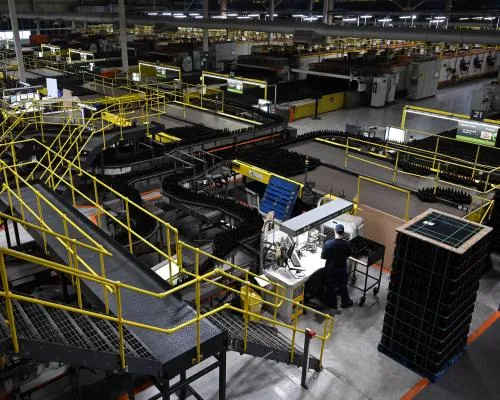
Make UK says manufacturers’ feedback shows sector at risk of collapse as it calls on Treasury to take action
-
 Mỗi lượng vàng tăng 4 triệu đồng
Giá vàng trong nước đầu tuần tăng hơn 4 triệu đồng một lượng lên vùng 150 triệu đồng, chênh lệch giá mua và bán được thu hẹp.
-
 Nhà hàng, quán cà phê đau đầu với bản quyền âm nhạc
Âm nhạc trở thành phần thiết yếu của hầu hết quán cà phê nhưng nhiều cửa hàng hiện nay phát miễn phí mà không đóng tiền bản quyền, hoặc đóng dưới dạng mua sử dụng cá nhân.
-
 Giá vàng thế giới tăng mạnh, dầu thô giảm
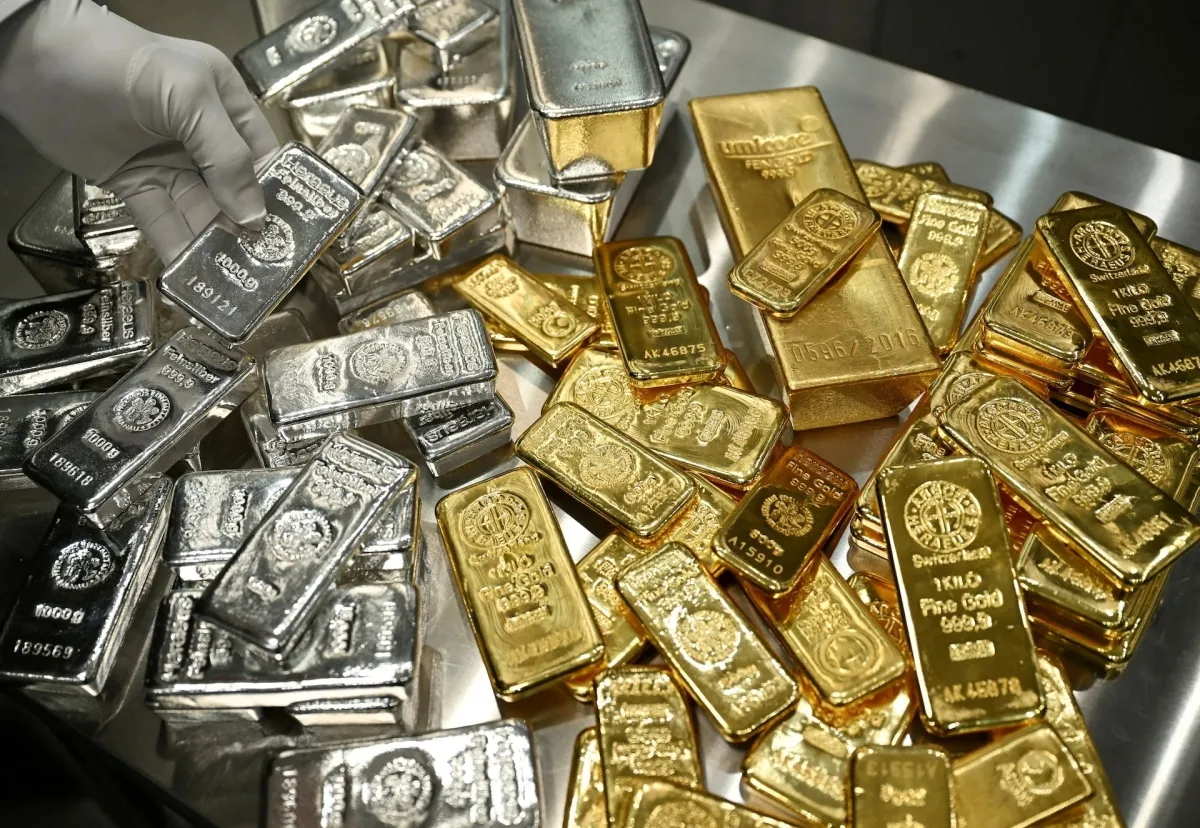
Việc Mỹ - Iran đạt thỏa thuận hòa bình kéo giá vàng lên 4.300 USD sáng nay, trong khi giá dầu thô giảm hơn 4%.
-
 PNJ được vinh danh 'Lãnh đạo tầm nhìn xanh 2026'
PNJ thắng giải Lãnh đạo tầm nhìn xanh và được xướng tên ở ba trụ cột E-S, G trong bảng xếp hạng Top 50 doanh nghiệp phát triển bền vững tiêu biểu 2026 (CSA), tối 11/6.
-
 Đề xuất cân mua bán vàng phải được kiểm định và còn hạn dùng
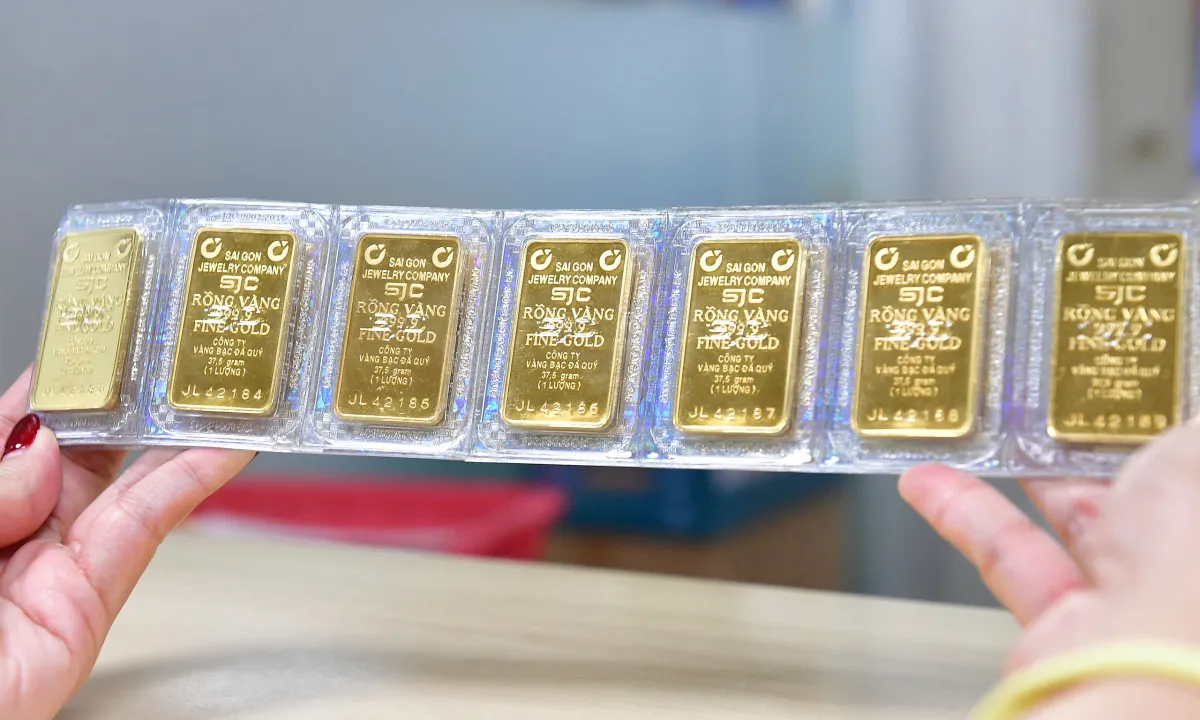
Cân mua bán vàng có thể phải kiểm định bởi tổ chức được chỉ định và giấy chứng nhận phải còn thời hạn, theo dự thảo mới của Bộ Khoa học và Công nghệ.
-
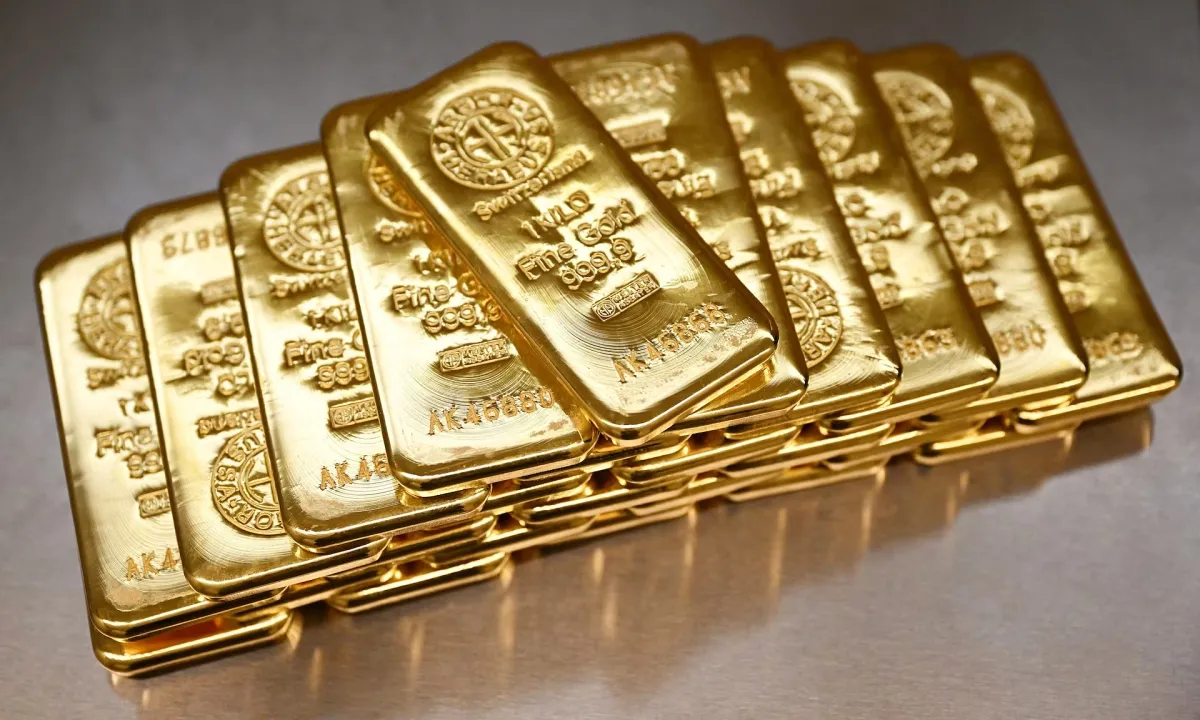 Giá vàng tuần này phụ thuộc tín hiệu từ Fed
Giới chuyên gia dự đoán giá vàng sẽ biến động theo kết quả cuộc họp của các ngân hàng trung ương về lãi suất, trong đó có Fed.
-
 Nhà đầu tư trẻ duy trì tích lũy bạc khi thị trường điều chỉnh
Sacombank-SBJ ghi nhận lượng khách mua vào đều đặn, cho thấy xu hướng nắm giữ bạc khi nhiều bạn trẻ vẫn coi đây là kênh đầu tư hấp dẫn trước triển vọng của AI lẫn năng lượng xanh.
-
 Running a small business has become almost impossible
Letter: Rosie Wolfenden says that under the current tax system, and with rising costs, traditional business models are no longer viable
-
 Vinamilk nêu sáng kiến giảm thải tại diễn đàn về môi trường
Vinamilk xây nhà máy đạt trung hòa carbon theo chuẩn ISO 14068-1, các kho tự động vận hành, cải tiến bao bì, giảm hàng nghìn tấn CO2 mỗi năm.


