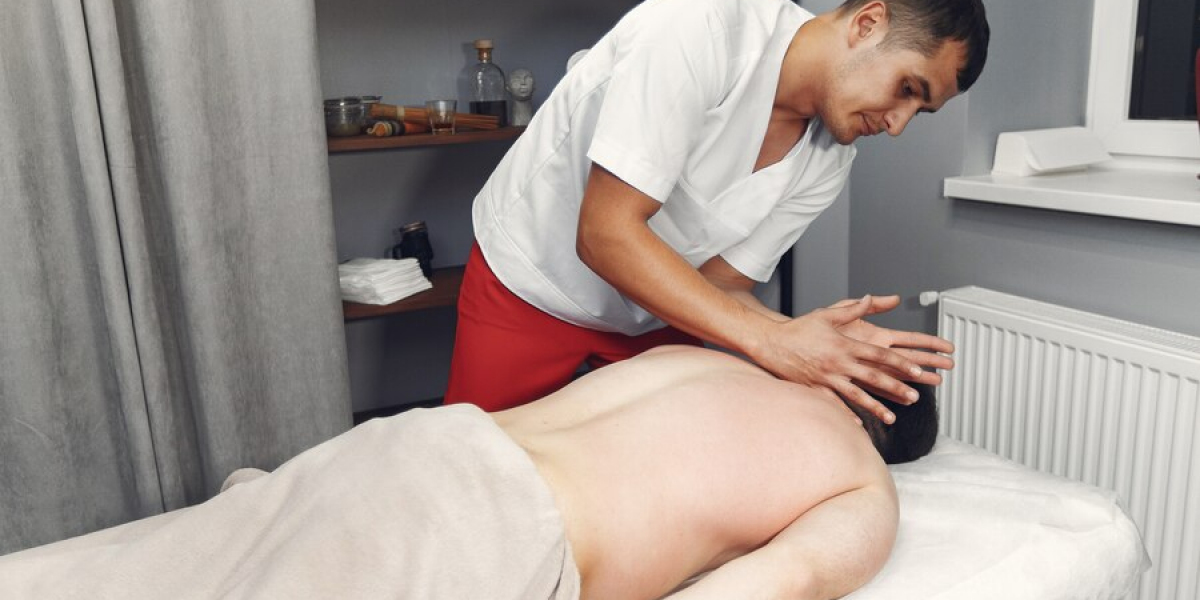
If you're a massage therapist or considering becoming one, there are a variety of key factors to keep in mind to build a successful career. From gaining the right education to attracting clients and managing your practice, there are essential steps you need to take to grow and thrive as a massage therapist.
In this guide, we’ll explore various aspects of being a successful massage therapist, from honing your skills to business-building strategies. We’ll also dive into ways to create a strong client base and maintain a fulfilling career in this growing field.
Before diving into the world of massage therapy, it's important to understand the educational and certification requirements. Here’s how to begin your journey to becoming a massage therapist.
The first step to becoming a massage therapist is obtaining the proper education. This typically involves completing a formal massage therapy program at an accredited school or institution. These programs cover important subjects like human anatomy, physiology, ethics, and various massage techniques.
Most massage therapy programs also require a set number of practice hours, where you’ll get hands-on experience working with real clients. The length of training can vary, but most programs take anywhere from 6 months to 2 years to complete.
After completing your education, the next step is certification and licensing. Each country or region has different requirements. For instance, in Canada, massage therapists need to be registered with their provincial regulatory body, such as the College of Massage Therapists in Alberta.
Certification often involves passing an exam to demonstrate your knowledge of anatomy, techniques, ethics, and massage therapy principles. Be sure to check your local licensing requirements to ensure you are legally able to practice as a professional massage therapist.
While basic massage techniques are essential, you may want to specialize in a specific area to stand out in a competitive market. Some specializations you can pursue include:
By obtaining certifications or extra training in a specialized technique, you can appeal to a broader client base and charge higher rates for your expertise.
Once you're licensed and trained, the next step is establishing your practice. Whether you work independently, in a spa, or at a wellness clinic, here are some practical tips for building a successful massage therapy career.
A clean, inviting, and professional space is essential for attracting and retaining clients. This includes having a comfortable massage table, quality linens, and a relaxing ambiance. Pay attention to lighting, music, and scent—small details that can elevate the client experience.
In today’s digital age, having an online presence is key to attracting clients. Set up a website that showcases your services, certifications, and areas of expertise. Include testimonials, booking options, and detailed information about the different types of massage you offer.
Building strong relationships with your clients is crucial for repeat business and referrals. Here’s how you can foster trust and create long-lasting relationships:
Another way to grow your practice is by networking with other professionals in the health and wellness industry, including chiropractors, physical therapists, acupuncturists, and fitness trainers. Building these relationships can help you generate referrals, allowing you to expand your client base.
Effective marketing is essential to reach potential clients. Whether you’re just starting out or looking to expand, here are some marketing strategies that can help you grow your practice.
A referral program is one of the most cost-effective ways to attract new clients. Encourage your satisfied clients to refer their friends and family by offering them a discount on their next session or providing small incentives.
Offering special deals, such as package discounts for multiple sessions, can encourage clients to commit to ongoing treatment. This not only helps your business but also supports your clients’ health by encouraging regular visits.
Make it easy for clients to book appointments online. An efficient online scheduling system allows clients to view your availability, book at their convenience, and even pay online. This can improve customer satisfaction and streamline your business operations.
Creating valuable content on your website and social media platforms can help you establish yourself as an authority in the field. Share tips, answer common massage-related questions, or post about the benefits of massage therapy. Educational content can attract clients who are seeking information about massage therapy.
As a massage therapist, your career growth doesn’t stop with your certification. Continuing education is key to staying relevant in the field and expanding your skill set.
Staying updated with new techniques and modalities is essential for keeping your practice fresh and competitive. Look for workshops, online courses, and conferences related to massage therapy.
Massage therapy can be physically demanding, and it’s important to take care of your own body. Make sure to stretch, strengthen, and rest your muscles regularly. Proper posture, ergonomics, and self-care practices can help prevent injury and burnout, ensuring you can continue delivering great service to your clients.
Becoming a successful massage therapist involves more than just learning the right techniques. It’s about building a strong foundation of education, setting up a professional practice, and forming lasting relationships with your clients. By continuously improving your skills, marketing your services effectively, and maintaining your own well-being, you can enjoy a fulfilling and profitable career in the ever-growing massage therapy industry.

Massage Home
2 posts
-
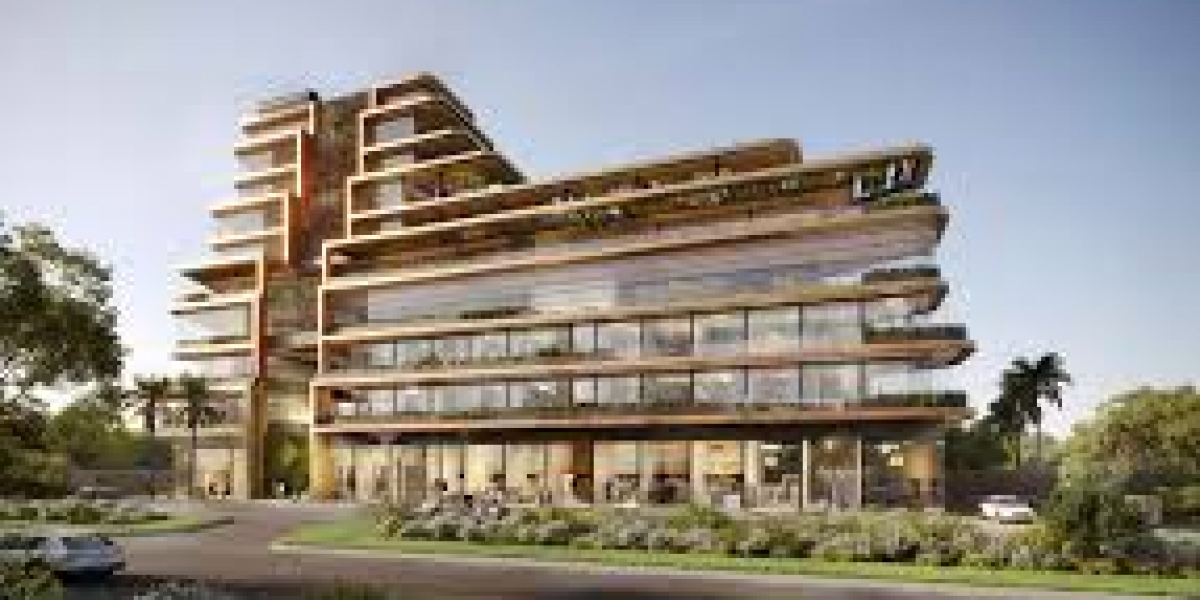 Brand Identity and Tenant Experience: Cultivating Loyalty at Elan Empire Gurgaon
Securing high occupancy in a premium high-street asset is only half the battle. For long-term viability, property management and individual investors must shift their focus to building tenant loyalty and creating a distinctive brand identity.
-
 Master Review: Evaluating Godrej Nature Plus, Sector 33, Gurgaon
The layout uses a smart structural pattern where towers are angled away from each other. This creates a staggered footprint that gives corner apartments clear, unblocked views of the Aravalli foothills while ensuring optimal morning and afternoon sunlight. Inside the towers, the floor plan
-
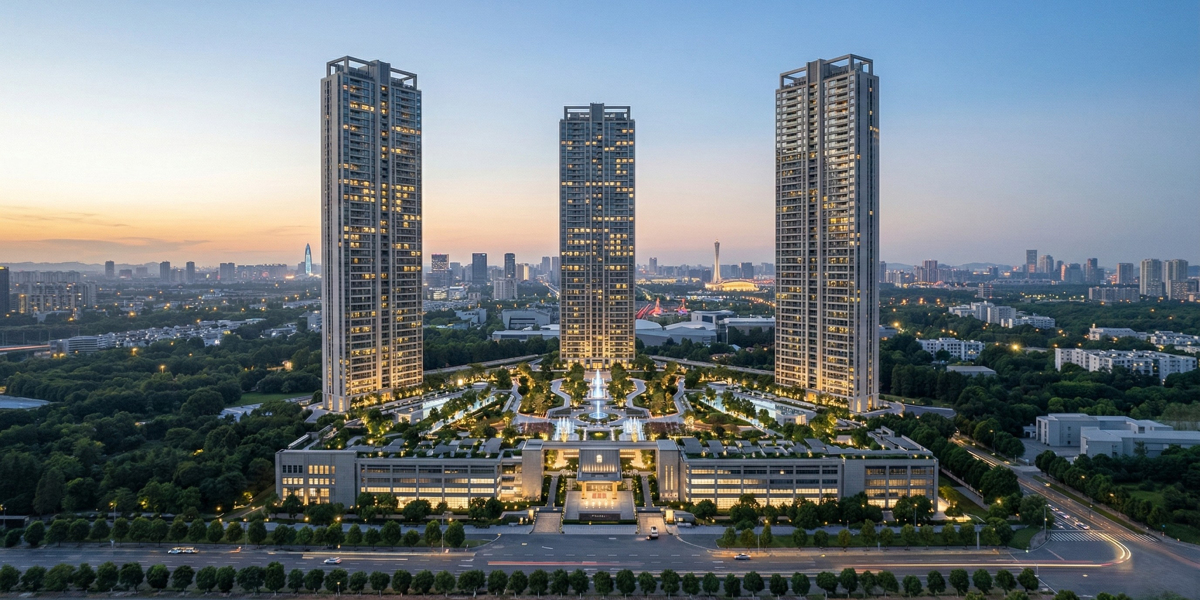 BPTP Downtown 66: A Masterpiece of Vertical Luxury in Sector 66
BPTP Downtown 66 has emerged as one of the most anticipated high-rise developments on the Golf Course Extension Road. Designed by the globally acclaimed architectural firm Aedas, this project is not just a residential complex but a vertical ecosystem where luxury meets functionality.
-
 Aesthetic Clinic in Australia | Beauty Clinic in Carolina | PM Aesthetics
Discover a trusted aesthetic clinic in Australia and a professional beauty clinic in Carolina. PM Aesthetics offers advanced skincare, cosmetic treatments, and personalized beauty solutions.
-
 The Masterful Synergy at Signature Global Tonino Lamborghini
Signature Global Tonino Lamborghini Residences represents a ₹2,890 crore synergy of Italian supercar aesthetics and Indian engineering excellence in Sector 71.
-
 Sidewalk Repair NYC: A Complete Guide for Property Owners
Sidewalks in New York City endure constant wear and tear due to heavy foot traffic, extreme weather conditions, and tree root growth. Over time, cracks, uneven surfaces, and potholes can develop. These issues not only create an unpleasant appearance but also pose serious safety hazards for
-
 Why Natural Stone Wall Panels Are Becoming the First Choice for Modern Interiors
Discover why natural stone wall panels are becoming a top choice for modern interiors and exteriors. Learn about their durability, aesthetic appeal, and versatile applications for residential and commercial spaces.
-
 Chemical Supplier for Industrial in UAE: Reliable Solutions for Modern Industries
Find a reliable chemical supplier for industrial in UAE offering high-quality products, consistent supply, and tailored solutions for manufacturing, oil & gas, construction, and water treatment industries.
-
 Signature Global Cloverdale SPR Gurgaon – A Modern Address for Comfortable Living
This connectivity allows residents to easily access major employment hubs, corporate offices, and business districts. The proximity to IGI Airport further adds to its appeal, especially for professionals who travel frequently.
-
 The Vertical Revolution: Living Above the Ordinary at Sobha Rivana
Sobha Rivana is a G+45 floor architectural landmark in Sector 1, Greater Noida West, featuring a low-density design with only four units per floor and four high-speed elevators. It offers a premium lifestyle with 11-foot high ceilings, 80% open green space, and a 50,000 sq. ft. clubhouse,
-
 Find the Perfect Christmas Jewellery at Stonex Jewellers
Our Christmas collection features a wide range of designs, from classic to contemporary, ensuring there is something for everyone.


