
Attention-Deficit/Hyperactivity Disorder (ADHD) affects millions of children and adults worldwide. It can significantly impact daily functioning, relationships, academic performance, and professional life. Fortunately, modern medicine offers a range of trusted prescription solutions to help manage ADHD symptoms effectively. Understanding your options, how they work, and which may suit your needs is the first step toward a more focused and balanced life.
ADHD is a neurodevelopmental disorder characterized by inattention, hyperactivity, and impulsivity. These symptoms can range from mild to severe and may vary based on age and environment. Common challenges include:
Difficulty staying focused
Forgetfulness
Constant fidgeting or restlessness
Interrupting others or speaking out of turn
Trouble organizing tasks
Although ADHD is often diagnosed in childhood, many individuals carry the condition into adulthood. Without proper treatment, it can interfere with personal development and quality of life.
While behavioral therapy, lifestyle changes, and coaching are valuable, prescription medications remain one of the most effective ways to manage ADHD symptoms. They work by balancing neurotransmitters in the brain, particularly dopamine and norepinephrine, which play a vital role in attention and impulse control.
The right medication can:
Improve focus and concentration
Reduce impulsive behaviors
Enhance task completion
Support emotional regulation
Not every medication works the same for every individual, which is why it’s crucial to consult a healthcare provider to find the most suitable option.
There are two main categories of prescription medications used to treat ADHD: stimulants and non-stimulants. Each works differently and has its benefits and potential side effects.
Stimulants are the most commonly prescribed drugs for ADHD and are often the first line of treatment. They include:
Methylphenidate-based medications (e.g., Ritalin, Concerta, Daytrana)
Amphetamine-based medications (e.g., Adderall, Vyvanse, Dexedrine)
These drugs increase dopamine and norepinephrine levels in the brain, leading to better focus, improved attention, and reduced impulsivity.
Benefits of stimulants:
Fast-acting (often within 30–60 minutes)
Proven effectiveness in up to 80% of patients
Available in short-acting and extended-release forms
Possible side effects:
Appetite suppression
Insomnia
Increased heart rate
Irritability or mood swings
Healthcare providers usually start with a low dose and adjust based on response and side effects.
Non-stimulant ADHD medications are recommended for individuals who don’t respond well to stimulants or have a history of substance misuse.
Common non-stimulant prescriptions include:
Atomoxetine (Strattera)
Guanfacine (Intuniv)
Clonidine (Kapvay)
Benefits of non-stimulants:
Longer-lasting effects
Lower risk of abuse
Can improve anxiety or sleep problems alongside ADHD
Drawbacks:
May take several weeks to show full effect
Less potent than stimulants for some individuals
These medications can be used alone or in combination with stimulants, depending on the severity of symptoms and individual health factors.
Choosing the right ADHD medication isn’t always straightforward. It depends on several factors:
Age and weight
Symptom severity
Co-existing mental health conditions (e.g., anxiety, depression)
Lifestyle and daily schedule
History of substance use or sensitivity to stimulants
Your healthcare provider may trial a few different medications or adjust dosages until the optimal balance is found. Patience and open communication are key during this process.
All ADHD medications should be taken under medical supervision. Regular follow-ups help track progress, manage side effects, and adjust dosages as needed. Some tips for managing potential side effects include:
Taking medication with food to avoid nausea or appetite loss
Creating a consistent sleep routine to counteract insomnia
Using extended-release versions for smoother symptom control
Reporting any mood changes or increased anxiety promptly
It’s also important not to stop taking medication abruptly without medical advice, as this can cause withdrawal symptoms or worsen ADHD.
While prescription solutions are powerful tools, they work best when combined with a comprehensive ADHD treatment plan. Consider adding:
Behavioral therapy – to address emotional responses and coping strategies
Cognitive-behavioral therapy (CBT) – to reshape negative thought patterns
Organizational coaching – to improve time management and productivity
Parent training (for children) – to support behavior regulation at home
Regular exercise and nutrition – to support overall brain function
Medication gives the brain the support it needs, but behavioral strategies help build long-term habits and resilience.
Many people are hesitant to start ADHD medication due to common misconceptions. Let’s debunk a few:
“ADHD meds are addictive.”
When taken as prescribed, ADHD medications are safe and not addictive for most people. Abuse risk is mostly linked to misuse without medical oversight.
“Stimulants change your personality.”
The goal is to reduce symptoms, not suppress individuality. If a medication makes someone feel "not like themselves," dosage or type may need adjustment.
“Only kids should take ADHD medication.”
ADHD often continues into adulthood. Medications help both children and adults manage symptoms at every life stage.
To safely and effectively manage ADHD, always get your prescription from a licensed medical professional. Online pharmacies offering ADHD medications without a prescription are unsafe, illegal, and potentially dangerous. Your mental health deserves careful, qualified care — never settle for less.
Living with ADHD can be challenging, but trusted prescription solutions offer real, measurable relief. With the right medication and support system, you can regain focus, control impulsive behaviors, and improve your quality of life. If you suspect you or a loved one has ADHD, seek a professional diagnosis and explore the available treatment options.

Hoangminh Pro
30Blog posts
-
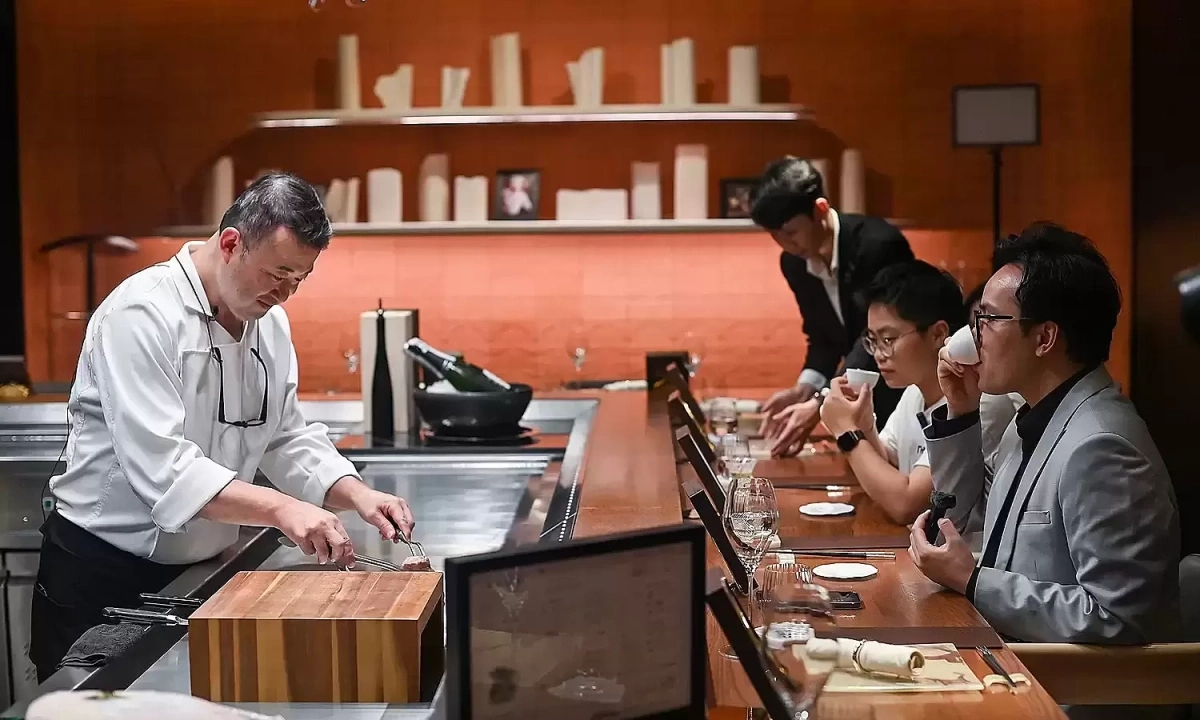 11 nhà hàng Việt Nam đạt một sao Michelin
Michelin vinh danh hai nhà hàng mới Onvit và Upstairs, nâng tổng số cơ sở sở hữu một sao tại Việt Nam lên con số 11.
-
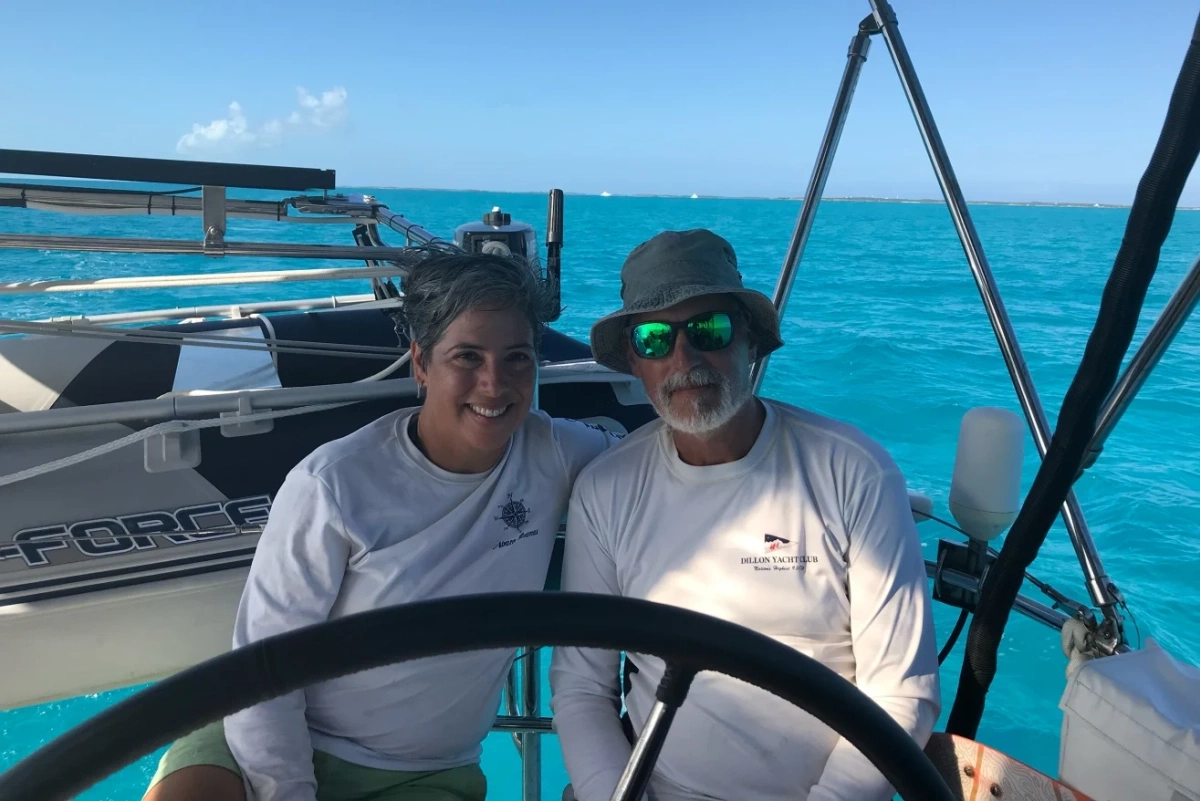 Vợ chồng bán nhà mua thuyền buồm 10 năm đi khắp thế giới
Dành dụm hơn ba thập kỷ, vợ chồng ông Charly Oliver bán căn nhà ở Colorado để mua thuyền buồm, tận hưởng cuộc sống tự do trên biển suốt 10 năm qua.
-
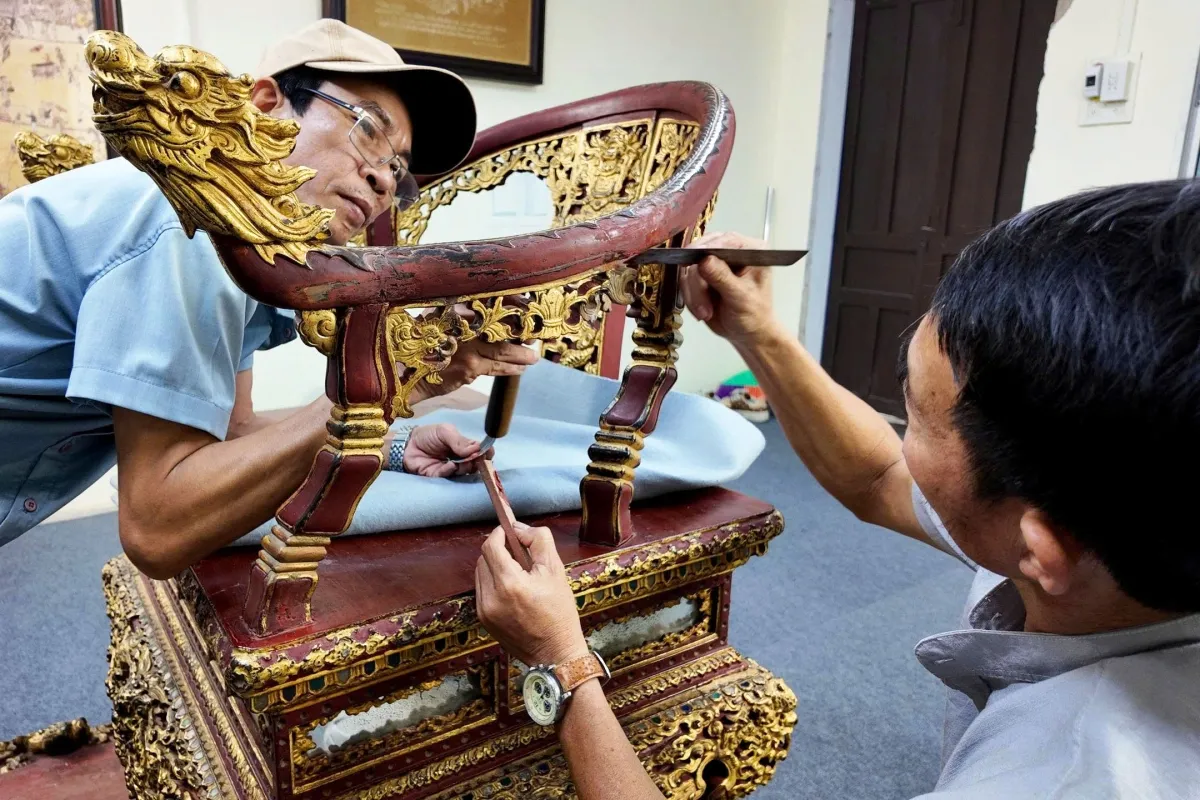 Nghệ nhân dùng vàng thật để phục chế bảo vật Ngai vàng triều Nguyễn
Trong quá trình phục chế bảo vật Ngai vàng triều Nguyễn, nghệ nhân sử dụng vàng và sơn ta theo kỹ thuật truyền thống, phủ lớp bảo vệ mỏng nhằm tăng độ bền nhưng không làm thay đổi giá trị thẩm mỹ.
-
 9 hàng quán mới vào danh sách 'Michelin tuyển chọn'
Từ quán phở gà, tiệm bánh tráng bình dân đến nhà hàng thuần chay không rác thải, 9 nhà hàng mới trong danh sách Michelin Selected phản ánh sự đa dạng của ẩm thực của ba miền.
-
 Vợ chồng Mỹ bán nhà mua thuyền buồm đi khắp thế giới
Dành dụm hơn ba thập kỷ, vợ chồng ông Charly Oliver bán căn nhà ở Colorado để mua thuyền buồm, tận hưởng cuộc sống tự do trên biển suốt 10 năm qua.
-
 Bảo vật Ngai vàng triều Nguyễn được trưng bày trở lại sau sự cố phá hoại
Ngai vàng triều Nguyễn bị phá hoại hồi tháng 5/2025 đã được nghệ nhân phục chế, trưng bày trở lại tại điện Thái Hòa, phục vụ khách tham quan từ sáng 4/6.
-
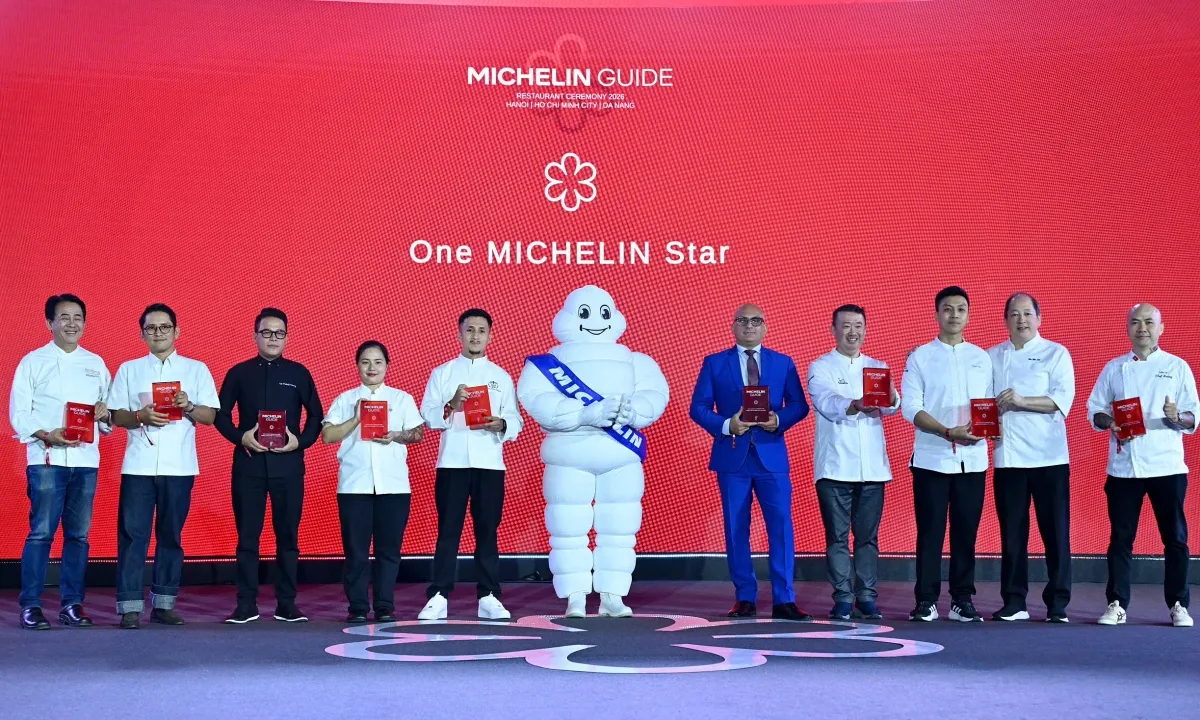 Michelin trao sao cho 11 nhà hàng Việt Nam
Cẩm nang ẩm thực Michelin Guide tối 4/6 trao một sao Michelin cho 11 nhà hàng ở Việt Nam, tăng hai nhà hàng so với năm ngoái.
-
 Hàng trăm chuyến bay bị hủy vì đình công toàn quốc ở Bồ Đào Nha
Cuộc đình công quy mô lớn của nhân viên ngành giao thông tại Bồ Đào Nha ngày 3/6 khiến hàng trăm chuyến bay bị hủy và làm gián đoạn nghiêm trọng hoạt động vận tải trên cả nước.
-
 Hàng trăm khách lỡ chuyến bay vì mắc kẹt ở cửa nhập cảnh
Khoảng 500 hành khách lỡ 4 chuyến bay xuất phát từ sân bay Toulouse-Blagnac do tình trạng thiếu nhân sự và quá tải ở khu kiểm soát nhập cảnh.
-
 Linh hồn món ăn đường phố Việt trong phim tài liệu Pháp
Trong phim tài liệu của kênh SLICE (Pháp), ẩm thực đường phố Việt Nam hiện lên qua hình ảnh bánh mì, ốc vỉa hè, được ca ngợi là di sản văn hóa độc đáo.
-
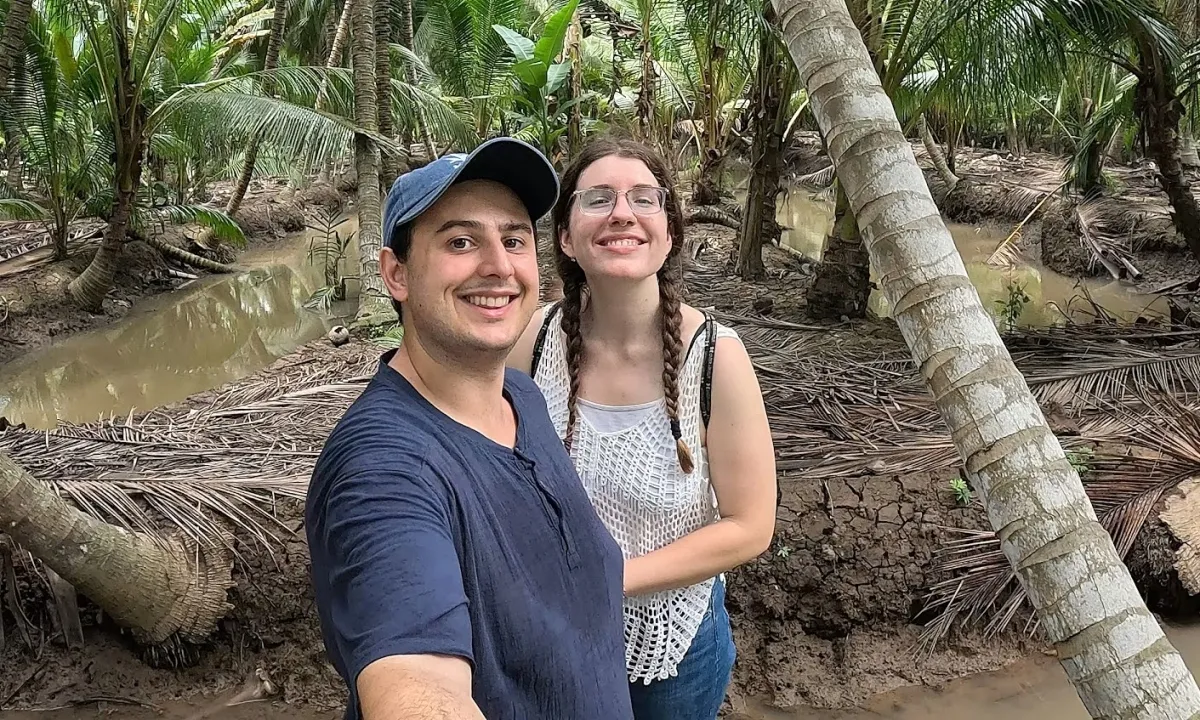 Cặp khách Tây 'chỉ đường' cho người đến du lịch Việt Nam
Hai du khách Liam và Sarah đã lập kênh thông tin Two Peas Abroad để trực tiếp hướng dẫn người nước ngoài trải nghiệm du lịch Việt Nam sau hơn ba năm sinh sống như người bản địa.


