Japan hikes interest rates to highest since 1995 to fight inflation from Iran war; Thames Water rescue in doubt – busine

By Graeme Wearden • June 16, 2026 • Business
Rolling coverage of the latest economic and financial news
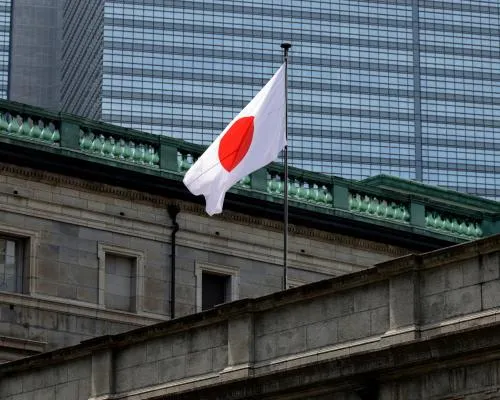
Thames Water has moved a step closer to nationalisation after government ministers reportedly formally objected to the £10bn rescue deal proposed by its creditors. According to The Times this morning, environment secretary Emma Reynolds has written to water regulator Ofwat this week to raise concerns about the plan for the struggling, indebted utility giant. They explain: Reynolds is understood to be concerned that the creditors’ offer for Thames Water is “weak”, not least after “15 years of mismanagement and failure”. Those who support placing Thames into special administration argue that this would give the company a fresh start by forcing existing investors to write off losses and allow the company to be sold without its existing debt pile. Under the proposed rescue deal, Thames Water’s creditors would inject £3.35bn of fresh equity, and write off a third of their debt. They are also seeking up to 15 years’ leniency from river pollution rules, arguing that this will make it easier to upgrade the trouble company’s water network. Reynolds’s intervention comes just days after Manchester mayor Andy Burnham told the Guardian that Thames Water should be nationalised, just days before the Makerfield by-election which – should be win – could lead to a leadership challenge against Keir Starmer. If the government were to approve the deal with creditors, then Thames Water – which currently has aroun £20bn of debt – would be part-controlled by the billionaire Trump donor and hedge funder Paul Singer. Good morning, and welcome to our rolling coverage of business, the financial markets and the world economy. The inflationary consequences of the US-Iran war continue to ripple across the global economy, even though the US and Iran have agreed a memorandum of understanding (MOU) to end their conflict. With price pressures rising, the Bank of Japan has raised interest rates to a 31-year high today, becoming the second G7 bank – after the European Central Bank – to hike borrowing costs since the Iran war began. Policymakers in Tokyo raised the BoJ’s short-term policy rate to 1% from 0.75%, taking borrowing costs to levels lase seen in 1995. The BoJ said it was taking action because companies were passing on rising oil costs to each other at a “relatively fast pace.” That could lead to a rise in consumer prices across a wide range of items, it said. It acted despite yesterday’s 4.75% drop in the oil price. Encouragingly, the BoJ also said the risk of Japan’s economy deteriorating sharply from the Middle East conflict has diminished. It cited the government’s relief package to help households facing high fuel costs. The agenda 9.45am BST: Treasury select committee hearing on the Office for Budget Responsibility 10am BST: ZEW economic sentiment index 1.30pm BST: US housing starts and business permits data
Source: The Guardian
Business Daily
97 posts
-
 German Translation Services
A: They’re designed for individuals and companies dealing with Germany — whether for education, business, or legal purposes.
-
 ✨ عالم زفاف: دليلك لاختيار قاعات زفاف فخمة تليق بحلمك الكبير ✨
كل عروس تحلم بيوم مثالي، لكن التوتر يبدأ من أول خطوة في التخطيط
-
 ترجمة معتمدة 2222
شركة الألسن لخدمات ترجمة معتمدة لأكثر من 12 عامًا تميزت بكونها أسرع مكتب ترجمة معتمد لدى جميع السفارات والجهات الحكومية داخل وخارج مصر لأكثر من 75 لغة .
-
 ترجمة معتمدة 2222
شركة الألسن لخدمات ترجمة معتمدة لأكثر من 12 عامًا تميزت بكونها أسرع مكتب ترجمة معتمد لدى جميع السفارات والجهات الحكومية داخل وخارج مصر لأكثر من 75 لغة .


