
What Is Rumination?
Rumination is the act of continuously thinking about the same thoughts, often negative or distressing. It can feel like a mental loop that won’t stop. People ruminate over past mistakes, fears, or “what if” scenarios. Although it might seem like a way to solve problems, it usually leads to more anxiety and emotional exhaustion.
Understanding Rumination OCD
Rumination OCD is a form of obsessive-compulsive disorder where the compulsions are entirely mental. People may dwell on philosophical questions, past decisions, or moral dilemmas for hours. The urge to "figure it out" never ends.
Unlike typical OCD, there are no physical rituals. The battle happens entirely in the mind. This makes it harder to notice or treat. The thinking feels rational—even necessary—but it is driven by fear and anxiety.
Why the Cycle Continues
Rumination often begins with the need for certainty. You think if you just analyze things enough, you'll feel better. But each time you do, the thought returns stronger. This is the trap of rumination OCD—it rewards mental checking with more anxiety, not less.
Key Signs of Rumination OCD
You spend long periods trapped in thought without answers.
You feel relief only briefly before the thought returns.
You question things like your identity, morality, or past choices.
You try to "fix" thoughts by mentally reasoning with them.
Your mind constantly seeks reassurance, even when facts say you’re fine.
Recognizing these signs is a step toward healing.
What Actually Helps?
It’s tempting to want quick fixes, but recovery from rumination OCD involves a shift in thinking habits. Here are some strategies supported by mental health professionals and people in recovery:
1. Name the Thought as a Compulsion
Say to yourself: “I’m ruminating.” This helps you see the pattern instead of getting pulled into it. Recognizing the loop breaks its power.
2. Accept Uncertainty
OCD thrives on the belief that you must be 100% certain. But life doesn’t offer that. When you practice accepting uncertainty, your anxiety begins to loosen.
3. Refocus Your Attention
After labeling a thought, bring your focus back to what you’re doing. You may need to do this over and over. It’s a practice, not a quick fix.
4. Use Exposure and Response Prevention (ERP)
ERP is the gold-standard therapy for OCD. It involves facing the obsessive thought and resisting the urge to mentally solve it. Over time, your brain learns the thought is not dangerous.
5. Practice Mindfulness
Mindfulness helps you live in the present rather than getting lost in thought loops. A few minutes a day can make a difference.
6. Reduce Reassurance Seeking
This includes googling symptoms, asking others if you're okay, or mentally arguing with your fears. It feels helpful at the moment, but it keeps OCD alive.
Join Peer Discussions to Feel Less Alone
Sometimes the best support is hearing, "Me too." Community-driven spaces where people share real experiences with rumination and OCD. You’ll find:
Advice from those who’ve walked a similar path
Hopeful recovery stories
Simple daily tips that actually help
Encouragement without judgment
You don't have to isolate yourself. Engaging in forum-style discussions can provide clarity, comfort, and motivation.
When to Seek Professional Help
If ruminating thoughts take up hours of your day or affect your relationships, work, or sleep—it’s time to talk to a professional. Therapy gives you tools that forums and books cannot.
For example, Austin Bridges Therapy offers structured, science-based approaches like CBT and ERP. But even if you’re not in Austin, look for a licensed therapist with experience in OCD and intrusive thoughts.
Recovery doesn’t mean never having obsessive thoughts again—it means learning how not to respond to them.
Final Words of Encouragement
Rumination and rumination OCD are frustrating, but they are also manageable. You are not broken. With education, support, and the right tools, you can break the cycle. Use self-awareness, community support, and therapy together for the best results.
Start small. Progress builds over time. And remember—your thoughts are not facts. They don’t define you.
You’re not alone in this. And you don’t have to stay stuck.

Austin Bridges Therapy
1 posts
-
 Advanced MERS-CoV Animal Models to Accelerate Coronavirus Vaccine and Drug Development
Advanced MERS-CoV Animal Models to Accelerate Coronavirus Vaccine and Drug Development
-
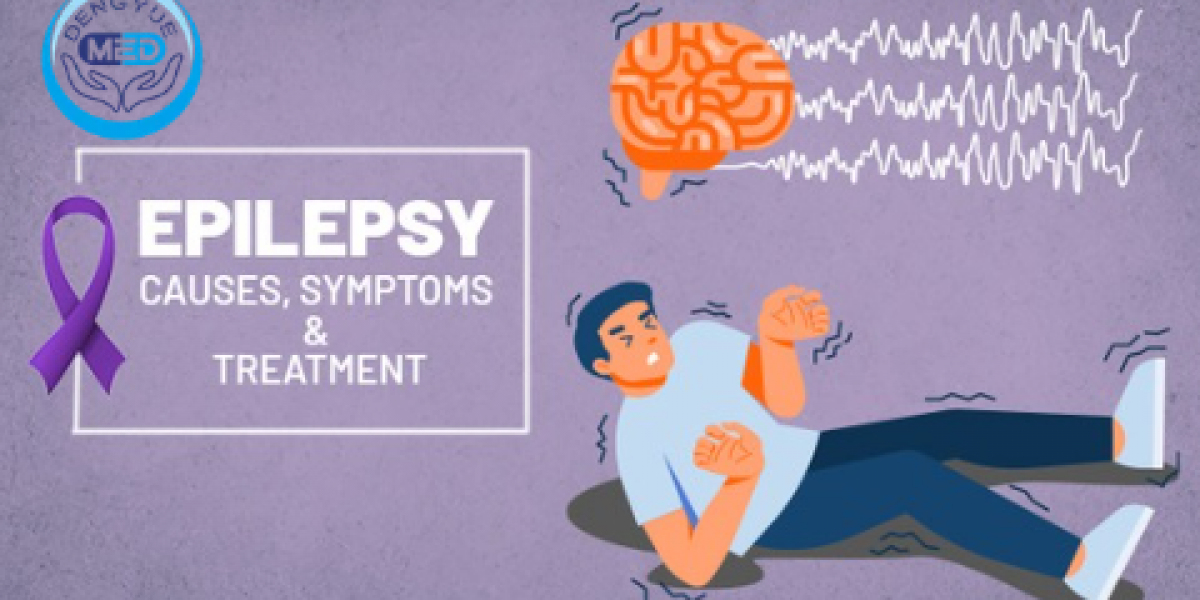 Could Staring Spells and Hand Tremors Be Epilepsy?
Discover 9 common misconceptions about epilepsy, including seizure symptoms, causes, treatment options, medication management, and seizure first aid. Learn the facts about epilepsy and improve awareness to support patients and families.
-
 How Women Long Sleeve Hoodies Redefine Tactical Streetwear Fashion
Women Long Sleeve Hoodies have transformed from simple wardrobe essentials into defining pieces of tactical streetwear fashion. Their evolution reflects a broader shift in how clothing is perceived—not just as a necessity, but as an extension of personality and lifestyle.
-
 Elevate Your Health with Natural Therapies in Oceanside
Discover natural healing at an Acupuncture Clinic Oceanside and a trusted Holistic Wellness Center Oceanside for stress relief, pain management, and total wellness.
-
 Get 10% Off Reliable ED Medicines with Medsvilla Special Deal
These medicines are commonly prescribed and widely used for managing ED symptoms effectively when used under proper medical guidance.
-
 How to Get a Hydrocodone Prescription
Online via Telehealth (Safe & Legal Guide)This guide explains how to safely and legally get a hydrocodone prescription via telehealth,
along with key legal rules and safety precautions. -
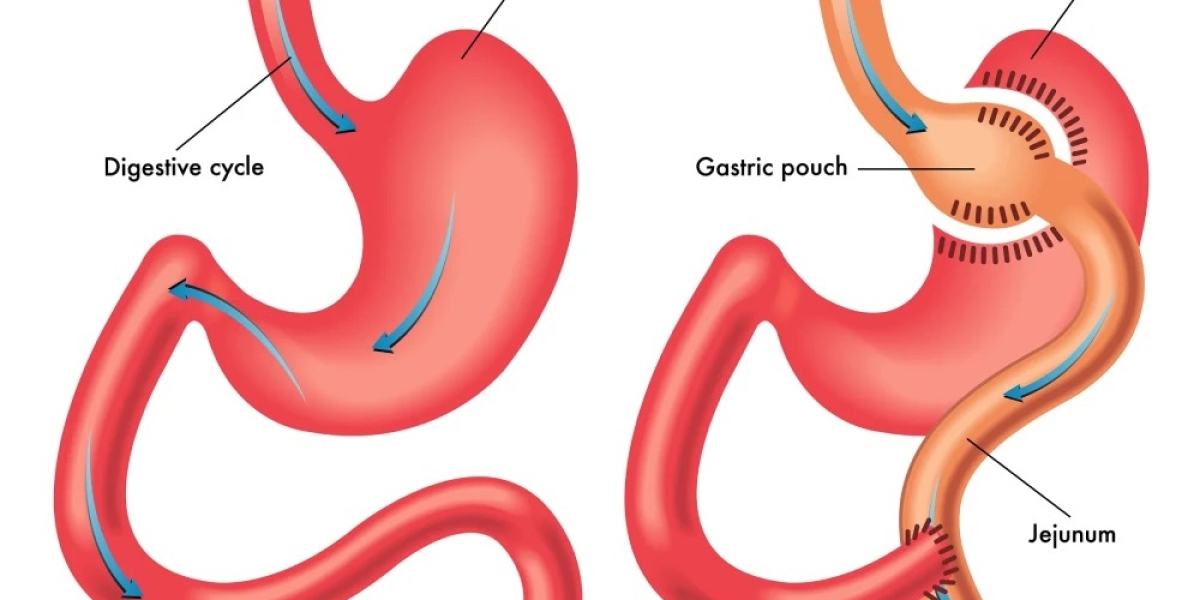 Transform Your Health with Advanced Surgical Solutions in Houston
Invest in your future. Choose Houston. Choose life-changing care.
-
 Unlocking Wellness: Functional Lab Testing & Nutraceutical Care in Columbia
Your path to balance, vitality, and healing starts here.
-
 How Modern Medical Equipment in Train Ambulance Ensures Patient Stability
Discover how advanced ICU equipment in Train Ambulance Service in Patna ensures patient stability during long-distance transfers with ventilators, monitors & expert care.
-
 Women’s Testosterone Dosage: What You Should Know
Testosterone isn’t just for men — it’s also a key hormone for women. When balanced properly, it supports energy, mood, muscle tone, mental clarity, and sexual wellness.
-
 Safe Anavar Purchase Tips: A Detailed Guide
Anavar is a top choice for people looking to build lean muscle, improve strength, and maintain a defined physique.


