How Families Can Create Strong Relationships Among Children for Better Mental Health?

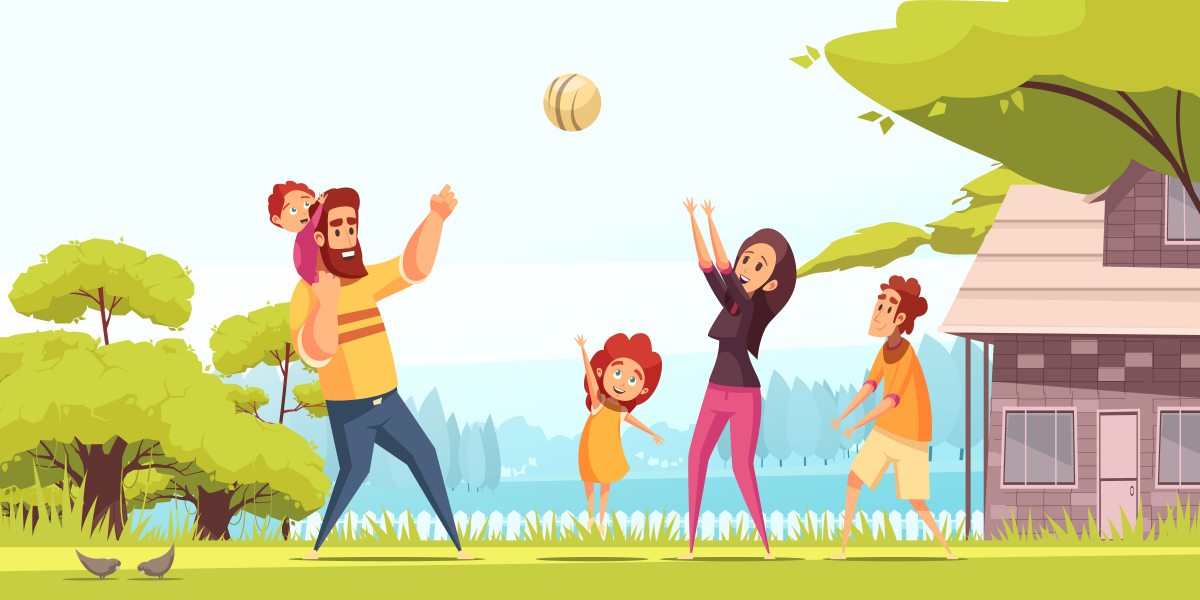
Creating strong relationships among family members, especially children, is important for youth's mental health. A supportive and connected family environment provides the foundation for emotional resilience, communication skills, and overall well-being. When families work together to create meaningful connections, children grow up with the tools they need to thrive mentally and emotionally.
In this article, we will explore how families can strengthen bonds among children to promote better mental health.
Sibling relationships significantly shape a child’s social and emotional development. Research shows that positive sibling interactions teach empathy, conflict resolution, and teamwork. However, unchecked rivalry can lead to stress and anxiety, affecting mental health.
Encourage teamwork by assigning joint tasks like tidying a shared space or working on a fun project together.
Secure parent-child bonds foster trust, emotional safety, and confidence. Parents who actively listen and validate their children’s emotions create an environment where kids feel valued and supported.
Families should use mental health tools when needed, as these resources often include activities that nurture both sibling and parent-child connections.
Open communication is the glue that holds family relationships together. It reduces misunderstandings and fosters trust.
By fostering communication, families build a bridge of understanding that supports youth mental health and emotional growth.
Strong relationships are built through shared experiences. Quality time fosters connection, reduces stress, and strengthens family bonds.
When families prioritize togetherness, they reinforce a sense of belonging, crucial for family mental health.
Helping children recognize and manage their emotions builds emotional intelligence, a key factor in mental wellness.
When emotional intelligence becomes a family value, children develop tools for lifelong youth mental health.
Boundaries ensure every family member feels valued, while individuality promotes self-confidence.
Supporting individuality alongside family unity helps children grow into emotionally resilient adults.
A supportive environment provides stability and reduces stress, both of which are essential for young people's mental health.
Using mental health tools can supplement efforts by introducing structured approaches to family well-being.
Children learn by observing their parents. When parents model kindness, patience, and open communication, children naturally adopt these traits.
When parents model healthy behaviors, they reinforce the family’s commitment to supporting family mental health.
Even the strongest families face challenges. Recognizing when to seek help can prevent small issues from escalating into larger problems.
Professional resources like family therapy or mental health tools can provide invaluable guidance.
Creating strong family relationships isn’t a one-time effort but an ongoing journey. By prioritizing open communication, quality time, and emotional intelligence, families lay the groundwork for better mental health among children.
Remember, every small step you take to strengthen these bonds contributes to your children’s long-term emotional well-being. Start today, and watch your family flourish together.
John Friendly
23 posts
-
 Brand Identity and Tenant Experience: Cultivating Loyalty at Elan Empire Gurgaon
Securing high occupancy in a premium high-street asset is only half the battle. For long-term viability, property management and individual investors must shift their focus to building tenant loyalty and creating a distinctive brand identity.
-
 Master Review: Evaluating Godrej Nature Plus, Sector 33, Gurgaon
The layout uses a smart structural pattern where towers are angled away from each other. This creates a staggered footprint that gives corner apartments clear, unblocked views of the Aravalli foothills while ensuring optimal morning and afternoon sunlight. Inside the towers, the floor plan
-
 BPTP Downtown 66: A Masterpiece of Vertical Luxury in Sector 66
BPTP Downtown 66 has emerged as one of the most anticipated high-rise developments on the Golf Course Extension Road. Designed by the globally acclaimed architectural firm Aedas, this project is not just a residential complex but a vertical ecosystem where luxury meets functionality.
-
 Aesthetic Clinic in Australia | Beauty Clinic in Carolina | PM Aesthetics
Discover a trusted aesthetic clinic in Australia and a professional beauty clinic in Carolina. PM Aesthetics offers advanced skincare, cosmetic treatments, and personalized beauty solutions.
-
 The Masterful Synergy at Signature Global Tonino Lamborghini
Signature Global Tonino Lamborghini Residences represents a ₹2,890 crore synergy of Italian supercar aesthetics and Indian engineering excellence in Sector 71.
-
 Sidewalk Repair NYC: A Complete Guide for Property Owners
Sidewalks in New York City endure constant wear and tear due to heavy foot traffic, extreme weather conditions, and tree root growth. Over time, cracks, uneven surfaces, and potholes can develop. These issues not only create an unpleasant appearance but also pose serious safety hazards for
-
 Why Natural Stone Wall Panels Are Becoming the First Choice for Modern Interiors
Discover why natural stone wall panels are becoming a top choice for modern interiors and exteriors. Learn about their durability, aesthetic appeal, and versatile applications for residential and commercial spaces.
-
 Chemical Supplier for Industrial in UAE: Reliable Solutions for Modern Industries
Find a reliable chemical supplier for industrial in UAE offering high-quality products, consistent supply, and tailored solutions for manufacturing, oil & gas, construction, and water treatment industries.
-
 Signature Global Cloverdale SPR Gurgaon – A Modern Address for Comfortable Living
This connectivity allows residents to easily access major employment hubs, corporate offices, and business districts. The proximity to IGI Airport further adds to its appeal, especially for professionals who travel frequently.
-
 The Vertical Revolution: Living Above the Ordinary at Sobha Rivana
Sobha Rivana is a G+45 floor architectural landmark in Sector 1, Greater Noida West, featuring a low-density design with only four units per floor and four high-speed elevators. It offers a premium lifestyle with 11-foot high ceilings, 80% open green space, and a 50,000 sq. ft. clubhouse,
-
 Find the Perfect Christmas Jewellery at Stonex Jewellers
Our Christmas collection features a wide range of designs, from classic to contemporary, ensuring there is something for everyone.


