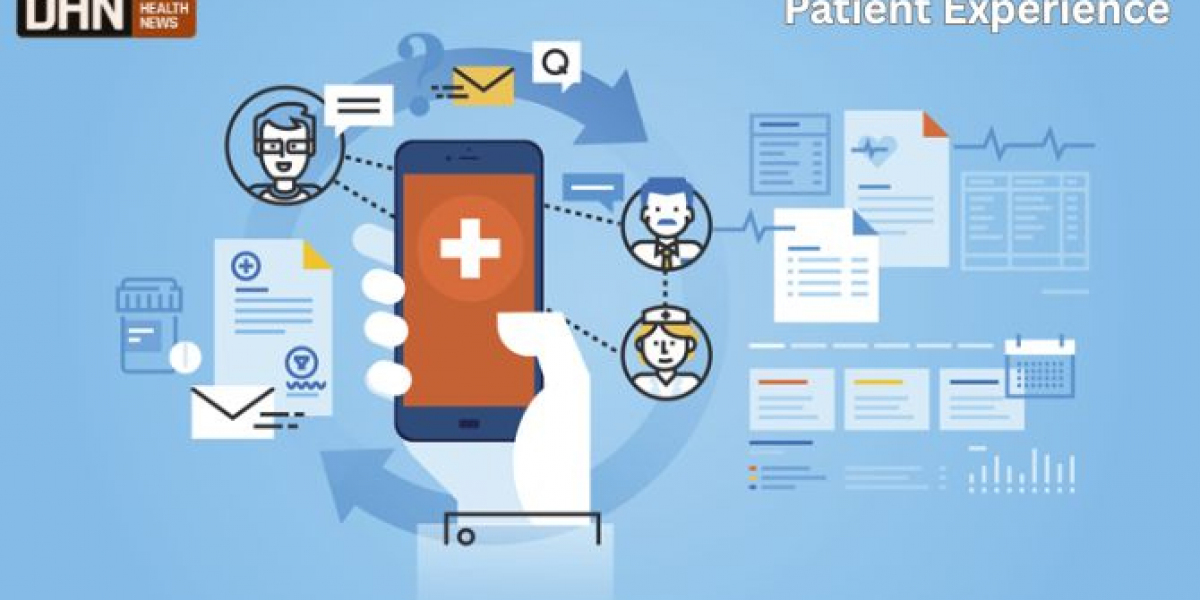
In the rapidly evolving world of healthcare, artificial intelligence (AI) has emerged as a transformative force. By 2025, AI is no longer a futuristic concept—it is an integral part of clinical decision-making, diagnostics, hospital workflows, and, most importantly, the patient experience. From personalized care to predictive analytics, AI is reshaping how patients interact with providers, access treatment, and feel cared for throughout their healthcare journey.
In this article, we’ll explore the profound ways in which AI is redefining the patient experience in 2025 and what it means for patients, providers, and the future of care.
The term patient experience goes beyond customer satisfaction. It includes every interaction a patient has with the healthcare system—from scheduling appointments to communication with doctors, receiving a diagnosis, undergoing treatment, and post-care follow-up. A positive patient experience can lead to better health outcomes, improved adherence to treatment, and greater trust in the healthcare system.
As AI becomes more embedded in healthcare infrastructure, it is playing a crucial role in enhancing these interactions. Let’s look at how.
One of the most impactful uses of AI in 2025 is in personalizing patient care. AI algorithms can now process vast amounts of data, including genetic information, lifestyle factors, electronic health records, and real-time health data from wearable devices.
These algorithms generate insights that help healthcare providers tailor treatments to each patient. For example:
AI-powered decision support systems recommend individualized treatment plans based on patient profiles.
Chatbots collect and analyze symptoms to triage patients to the right specialist or care level.
Virtual health coaches use AI to adapt wellness plans dynamically based on a patient’s progress.
Patients no longer receive generic care—they receive care that is as unique as their biology and behavior.
One of the top frustrations for patients has always been long wait times and confusing scheduling systems. In 2025, AI-driven systems have significantly reduced these barriers.
AI tools predict appointment durations and cancellations with high accuracy, allowing healthcare facilities to:
Optimize schedules and reduce bottlenecks.
Offer real-time rescheduling through smart apps.
Use predictive analytics to ensure patients are seen promptly and at the most convenient times.
As a result, patients enjoy a smoother, faster, and more efficient visit to the doctor.
The use of AI chatbots and virtual assistants has exploded in healthcare. These tools are available 24/7 and can handle routine inquiries such as:
Providing medication reminders.
Explaining discharge instructions.
Answering FAQs related to symptoms or procedures.
Collecting patient data prior to appointments.
By addressing these concerns outside of traditional business hours, AI assistants increase accessibility and reduce patient anxiety. Moreover, they free up human staff to focus on more complex care tasks.
AI’s diagnostic capabilities are one of the most promising developments in healthcare. In radiology, pathology, dermatology, and more, AI tools now outperform or augment human experts in detecting anomalies.
For instance:
AI imaging systems detect early signs of cancer with remarkable precision.
Natural language processing (NLP) tools analyze doctors’ notes and flag potential misdiagnoses.
Voice-enabled AI systems document symptoms and transcribe visits for more accurate records.
Patients benefit from earlier and more accurate diagnoses, which is critical in preventing disease progression and improving outcomes.
The patient experience also includes mental and emotional well-being. AI-powered mental health apps, such as those using natural language understanding (NLU), now provide personalized support through:
Mood tracking and sentiment analysis.
Cognitive behavioral therapy (CBT) via virtual assistants.
Predictive models to identify high-risk individuals and intervene early.
For many patients, especially in underserved areas, AI has become their first point of contact for mental health support—reducing stigma and increasing access.
Patients often struggle with understanding complex medical terms or instructions. AI tools now translate clinical language into layman’s terms in real time, improving health literacy.
Smart discharge summaries highlight critical points in simple language.
AI-enabled apps translate medical instructions into different languages for non-native speakers.
Speech-to-text and voice interfaces help elderly patients or those with disabilities understand their care plan.
Improved communication directly contributes to better adherence, fewer readmissions, and higher satisfaction.
Remote patient monitoring (RPM) has become a cornerstone of post-pandemic healthcare. AI enables clinicians to remotely monitor patients with chronic conditions like diabetes, heart disease, and COPD in real time.
In 2025:
AI detects patterns and alerts doctors to potential complications before they become emergencies.
Patients feel reassured knowing they are being monitored 24/7.
Wearables integrated with AI give users meaningful insights into their health trends.
This proactive approach greatly improves the continuity of care and reduces hospitalizations.
While AI is revolutionizing the patient experience, it’s not without concerns. Bias in algorithms, lack of transparency, and the need for explainability remain critical issues.
Healthcare providers must:
Use diverse datasets to reduce algorithmic bias.
Disclose AI-driven decisions to patients clearly and ethically.
Ensure human oversight in all critical decisions.
Informed patients are empowered patients. As AI becomes more embedded in care delivery, maintaining trust is essential to improving the overall patient experience.
A key trend in 2025 is the empowerment of patients. With access to AI tools, patients can:
Monitor their own health metrics.
Ask intelligent questions during consultations.
Participate more actively in shared decision-making.
The patient is no longer a passive recipient of care but a collaborator. AI acts as a bridge, enabling patients to better understand their conditions and options.
AI is no longer on the horizon—it’s here, and it’s fundamentally reshaping the patient experience. From personalized care to real-time support, better diagnostics, and smarter communication, AI is addressing long-standing challenges in the healthcare journey.
However, technology is only one piece of the puzzle. The best outcomes will be achieved when AI is combined with empathy, ethics, and equity. In 2025 and beyond, a successful patient experience will depend not just on how smart our systems are, but how well they understand and serve human needs.
As we move forward, healthcare systems must strike the right balance—harnessing AI’s power while keeping compassion at the core of patient care.

Digital Health News
9 posts
-
 Ông Putin bác đề xuất gặp ông Zelensky
Tổng thống Putin bác bỏ khả năng sớm gặp Tổng thống Zelensky, một ngày sau khi lãnh đạo Ukraine kêu gọi hai bên gặp mặt trực tiếp để đàm phán.
-
 Mỹ tập kích trạm radar của Iran
Quân đội Mỹ cho biết đã không kích vào các trạm radar của Iran, gọi đây là hành động tự vệ sau khi Tehran phóng 4 UAV về phía eo biển Hormuz.
-
 Tính toán của Iran khi phóng tên lửa, UAV vào Kuwait
Liên tiếp tập kích Kuwait, Tehran dường như muốn gửi thông điệp rằng mọi đòn đánh của Mỹ vào lãnh thổ Iran đều sẽ khiến vùng Vịnh phải hứng chịu hỗn loạn.
-
 Jensen Huang thưởng thức thịt nướng ở Hàn Quốc, phát đồ ăn vặt cho người dân
CEO Nvidia Jensen Huang ăn thịt nướng cùng các lãnh đạo tập đoàn lớn, phát đồ ăn vặt cho người dân trên đường phố tại Hàn Quốc.
-
 'Tàu ngầm không tháp chỉ huy' của Trung Quốc lộ diện
Ảnh vệ tinh cho thấy một tàu ngầm dường như không có tháp chỉ huy đang neo đậu tại xưởng đóng tàu ở Thượng Hải.
-
 Việt Nam đóng góp thiết thực cho khu vực thông qua Diễn đàn Tương lai ASEAN
Thứ trưởng Ngoại giao Nguyễn Mạnh Cường cho biết việc khởi xướng, kiên trì tổ chức Diễn đàn Tương lai ASEAN là cách Việt Nam đóng góp thiết thực cho khu vực.
-
 Hành trình kiến tạo mặt cỏ cho World Cup
Trước khi các cầu thủ bước vào cuộc tranh tài tại World Cup 2026, một đội ngũ chuyên gia hùng hậu đã kỳ công thực hiện chiến dịch phủ xanh 16 sân vận động khắp Bắc Mỹ.
-
 Máy bay bí ẩn xuất hiện gần căn cứ Mỹ, nghi thuộc dự án F-47
Ảnh mới công bố cho thấy một phi cơ có hình dáng khác thường đang bay gần căn cứ tuyệt mật của Mỹ, có thể liên quan tiêm kích F-47.
-
 Nga - Ukraine trao đổi hàng trăm tù binh
Nga và Ukraine trao đổi mỗi bên 185 tù binh, thể hiện một trong số ít lĩnh vực hai bên vẫn duy trì hợp tác giữa chiến sự.
-
 Động lực thúc đẩy ông Zelensky đề nghị gặp ông Putin
Niềm tin rằng Ukraine - Nga đang đứng trước thời cơ nghìn năm có một để chấm dứt chiến sự có thể là động lực khiến ông Zelensky ngỏ ý gặp trực tiếp ông Putin.
-
 Lãnh đạo Lào, Campuchia, Thái Lan sắp thăm Việt Nam
Thủ tướng ba nước Lào, Campuchia, Thái Lan sắp thăm chính thức Việt Nam và dự Diễn đàn Tương lai ASEAN lần thứ ba.


