
Mental health issues like anxiety are becoming increasingly common, yet many people in Pakistan still struggle to find the right help. While medication can be a part of the treatment, psychological support plays a vital role in long-term healing. A qualified psychologist can guide individuals through the emotional and behavioral patterns contributing to their anxiety. This article explores how a psychologist can support anxiety treatment in Pakistan, highlighting the importance of therapy, awareness, and consistent care.
Understanding Anxiety in the Pakistani Context
Anxiety is not simply "worrying too much." It is a condition that affects how individuals feel, think, and function in daily life. Common symptoms include excessive fear, restlessness, irritability, and sleep disturbances. In Pakistan, social pressure, family responsibilities, financial stress, academic challenges, and career uncertainty are some of the leading triggers for anxiety.
Despite the rise in mental health awareness, stigma still prevents many people from seeking help. This makes the role of a psychologist even more crucial, as they provide not only treatment but also education and reassurance that seeking help is a sign of strength.
The Role of a Psychologist in Mental Health Support
A psychologist is a trained mental health professional who uses evidence-based methods like cognitive behavioral therapy (CBT), talk therapy, and mindfulness strategies to help individuals manage and overcome their emotional struggles. They do not prescribe medication but focus on changing thought patterns and behavior.
In the context of anxiety treatment in Pakistan, a psychologist may help clients:
Identify triggers that cause their anxiety
Understand the root causes of their emotional distress
Replace negative thinking patterns with constructive thoughts
How a Psychologist Supports Effective Anxiety Treatment in Pakistan Learn relaxation techniques such as deep breathing, progressive muscle relaxation, or guided imagery
Build coping strategies that are tailored to their lifestyle and cultural values
Sessions with a psychologist often provide a safe and non-judgmental space, which is especially valuable in societies where mental health is rarely discussed openly.
What Anxiety Treatment in Pakistan Looks Like
Anxiety treatment in Pakistan has grown steadily over the years, with more clinics, therapists, and wellness centers offering therapy services. Treatment approaches can vary depending on the individual’s age, symptoms, and preferences, but therapy remains one of the most accessible and sustainable methods.
The process usually begins with an assessment session, where the psychologist discusses the client’s history, symptoms, and current challenges. This helps in creating a personalized treatment plan. Regular therapy sessions then focus on building resilience, emotional regulation, and reducing panic or fear responses.
For those living in urban areas like Lahore, Karachi, or Islamabad, face-to-face therapy sessions are more readily available. However, online therapy is now growing rapidly across Pakistan, making it possible for individuals in smaller towns to access qualified psychologists. This makes anxiety treatment more accessible for people who may not have the option to travel or speak about their concerns openly in their communities.
Cultural Barriers to Therapy
In Pakistani culture, family and societal opinions hold significant weight. This often leads to people hiding their emotional difficulties out of fear of being labeled as "weak" or "crazy." For women, young adults, and students in particular, seeking help from a psychologist may seem like a shameful act. These cultural barriers can prevent individuals from benefiting from effective anxiety treatment in Pakistan.
Psychologists play an essential role in reducing this stigma. They often work to normalize emotional health concerns and create awareness through seminars, school programs, and online platforms. Their efforts help more people understand that therapy is a positive and healing step, not a source of shame.
Therapy Approaches Commonly Used by Psychologists
To support anxiety treatment effectively, psychologists in Pakistan use a range of therapy methods that have proven successful globally. Some of the most common include:
Cognitive Behavioral Therapy (CBT): Helps individuals recognize and change distorted thinking patterns that fuel anxiety
Mindfulness-Based Therapy: Teaches clients to stay present and avoid being overwhelmed by fears of the future
Exposure Therapy: Gradual and safe exposure to feared situations to reduce anxiety responses
Solution-Focused Therapy: Emphasizes building practical solutions and moving forward from the problem
Each of these methods is selected based on the individual’s condition and personal needs. A psychologist may also blend different approaches to create a more holistic plan.
Benefits of Seeing a Psychologist for Anxiety
People often delay seeking help because they hope their anxiety will go away on its own. However, untreated anxiety can worsen over time. By working with a psychologist, individuals gain tools and techniques that allow them to manage stress and regain control of their lives.
Some of the benefits of consulting a psychologist for anxiety include:
Better emotional regulation and reduced overthinking
Improved relationships with family and friends
Increased productivity at work or school
Enhanced self-esteem and confidence
Long-term mental clarity and resilience
In addition to individual therapy, some psychologists in Pakistan also offer group therapy or family counseling, which can support the client’s progress in a more collaborative environment.
Making the First Move
Starting therapy can feel intimidating, especially if it’s your first time. But reaching out to a qualified psychologist is a courageous step toward healing. Whether you live in a large city or a small town, the availability of anxiety treatment in Pakistan is growing. Online therapy options, private clinics, and university counseling centers all provide access to professional psychological help.
If you or someone you care about is experiencing persistent anxiety, don’t wait for the situation to become unbearable. Help is available, and therapy is a safe, supportive way to regain peace of mind.
Final Thoughts
Mental health should never be ignored. With rising awareness and growing access to psychological services, anxiety treatment in Pakistan is now more approachable and effective than ever before. Psychologists play a powerful role in this change—offering compassion, guidance, and science-based methods to help individuals reclaim their lives from fear and emotional overwhelm.
The journey might not be easy, but with the support of a trained psychologist and the right treatment for anxiety, healing is possible.

Mark Zak
8 posts
-
 Advanced MERS-CoV Animal Models to Accelerate Coronavirus Vaccine and Drug Development
Advanced MERS-CoV Animal Models to Accelerate Coronavirus Vaccine and Drug Development
-
 Al-Daba'iya Taxi: A Reliable Transportation Service Combining Comfort and Speed
Al-Daba'iya Taxi is a vital transportation service relied upon by residents of the Al-Daba'iya area in Kuwait for easy and safe travel. With the continuous development of the transportation sector
-
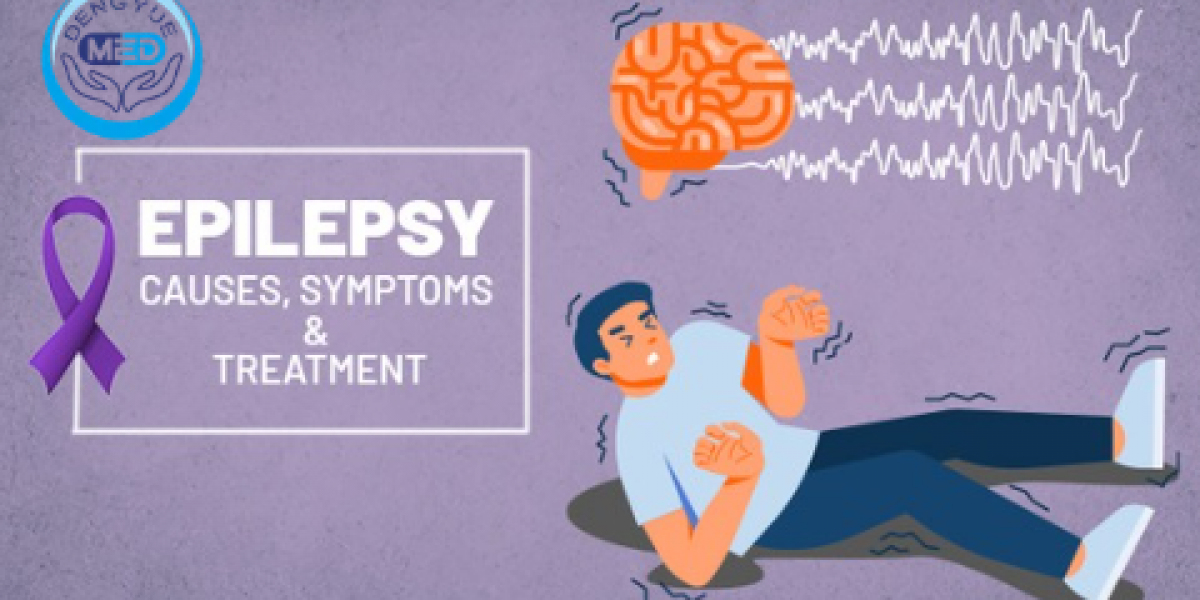 Could Staring Spells and Hand Tremors Be Epilepsy?
Discover 9 common misconceptions about epilepsy, including seizure symptoms, causes, treatment options, medication management, and seizure first aid. Learn the facts about epilepsy and improve awareness to support patients and families.
-
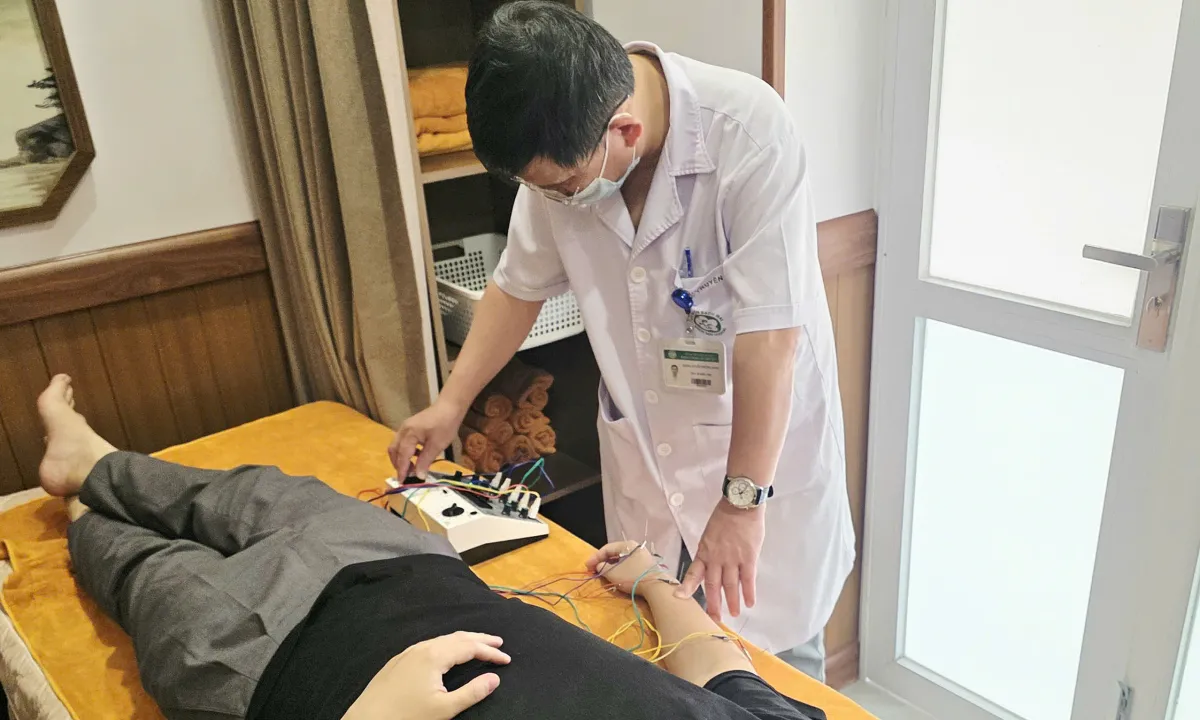 Y học cổ truyền hồi sinh cánh tay bị liệt của chàng trai
Chàng trai 27 tuổi bị liệt tay phải do tổn thương dây thần kinh quay, nay có thể cử động bình thường sau liệu trình điều trị bằng y học cổ truyền.
-
 How Women Long Sleeve Hoodies Redefine Tactical Streetwear Fashion
Women Long Sleeve Hoodies have transformed from simple wardrobe essentials into defining pieces of tactical streetwear fashion. Their evolution reflects a broader shift in how clothing is perceived—not just as a necessity, but as an extension of personality and lifestyle.
-
 Wedding Cakes in Brampton That Feel Elegant, Personal & Memorable
Explore custom wedding cakes in Brampton with elegant designs, premium flavours, and allergen-friendly options for modern celebrations.
-
 Satellite technicians in Sabah Al-Ahmad
Satellite technicians in Sabah Al-Ahmad are an essential service for residents of the Sabah Al-Ahmad area in Kuwait, especially given the widespread use of modern
-
 Every Marriage Has a Story: Navigating the Complex Scenarios of a Spouse Visa UK Application
Every Marriage Has a Story: Navigating the Complex Scenarios of a Spouse Visa UK Application
-
 Elevate Your Health with Natural Therapies in Oceanside
Discover natural healing at an Acupuncture Clinic Oceanside and a trusted Holistic Wellness Center Oceanside for stress relief, pain management, and total wellness.
-
 Finding the Best Solicitors in London for Immigration: A Comprehensive Guide to Legal Excellence
Finding the Best Solicitors in London for Immigration: A Comprehensive Guide to Legal Excellence
-
 A Tale of Two Families: Navigating the Post-Brexit Divide in UK Immigration Law
A Tale of Two Families: Navigating the Post-Brexit Divide in UK Immigration Law


